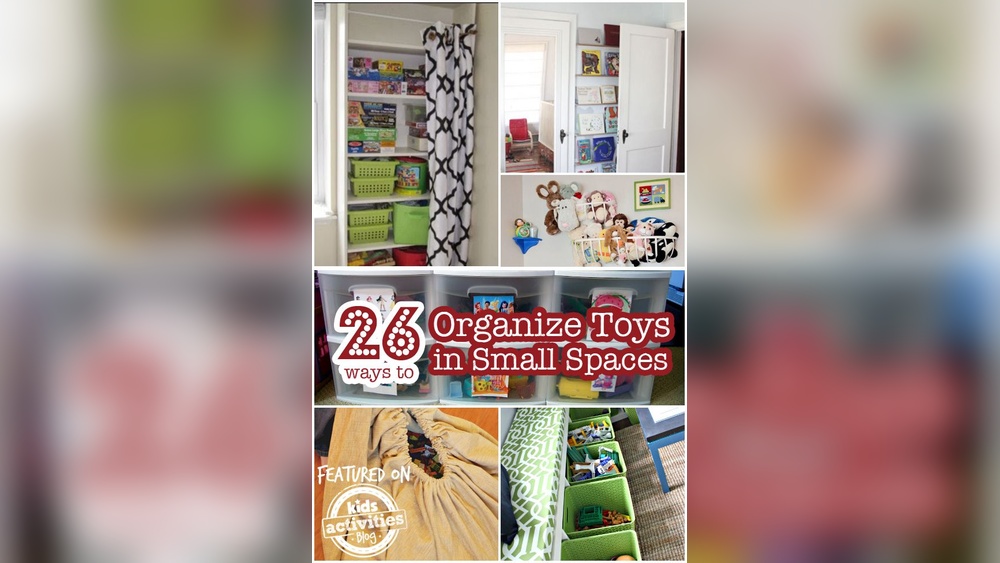

Struggling to keep your child’s toys neat in a small space? You’re not alone.
When every inch counts, organizing toys can feel overwhelming and chaotic. But what if you could turn clutter into calm with simple, smart solutions? Imagine a play area where everything has its place, cleanup is quick, and your home feels more spacious.
You’ll discover easy, practical tips to organize toys efficiently, even if your space is tight. From clever storage hacks to smart furniture choices, these ideas will help you reclaim your home and create a stress-free environment for both you and your kids. Ready to transform your small space? Let’s dive in!
Credit: www.gazzellam.com
Maximize Vertical Space
Maximizing vertical space transforms small rooms into organized play areas. It frees up floor space and keeps toys visible. This method uses walls and closets smartly. Vertical storage is key to tidy, clutter-free small rooms. It helps store many toys without crowding the space.
Install Adjustable Shelves
Adjustable shelves fit different toy sizes easily. Change shelf height as children’s collections grow or shrink. Place heavier toys on lower shelves for safety. Lighter items can go higher to save room. This flexibility keeps storage neat and practical.
Use Wall-mounted Pegboards
Pegboards hold baskets, hooks, and shelves on the wall. Hang small toys, art supplies, or dress-up accessories. Pegboards keep items off the floor but within reach. They create a fun and colorful display that encourages kids to clean up. Plus, rearranging pegboards is quick and simple.
Add Closet Shelving
Closets offer hidden vertical space for toys. Add shelves inside to stack bins or boxes neatly. Use labeled containers for easy finding and returning toys. Shelving turns cramped closets into organized storage zones. It keeps toys out of sight but easy to access.

Credit: www.thekimsixfix.com
Contain And Categorize Toys
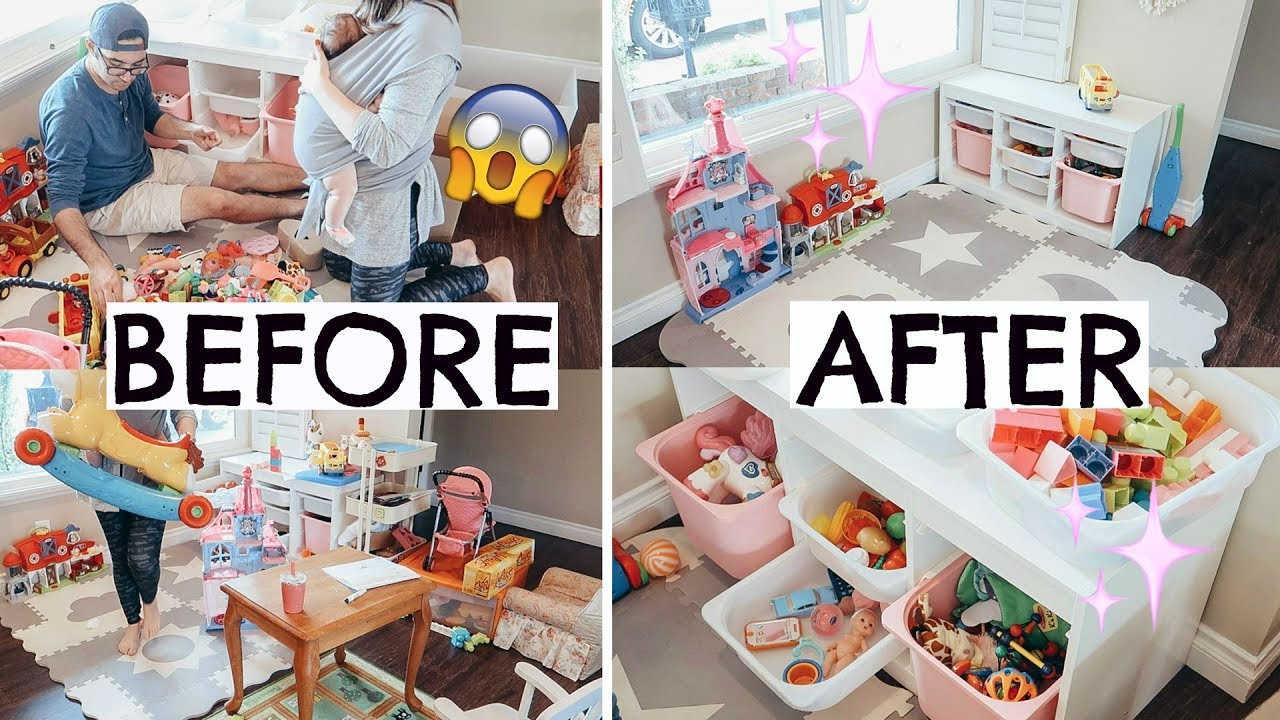
Containing and categorizing toys helps keep small spaces neat and tidy. It creates clear spots for each toy type. Kids learn to put toys back in the right place. This reduces clutter and makes cleanup faster. Using the right containers and sorting toys by category saves space and time.
Use Baskets And Bins
Baskets and bins hold many toys in one place. Choose sizes that fit your shelves or corners. Open baskets make toys easy to see and grab. Closed bins keep dust out and hide messes. Group toys by type, like dolls or cars, in each basket or bin. Stack bins to save floor space.
Organize With Compartment Trays
Compartment trays separate small toys into sections. They work well for puzzles, art supplies, or building blocks. Place trays inside drawers or on shelves. Kids find pieces quickly and avoid losing them. Trays keep toys from mixing and make sorting simple.
Label Storage Containers
Labels tell what goes inside each container. Use clear, easy words or pictures for kids. Place labels on the front or top of bins and baskets. Labeling helps children learn where toys belong. It also speeds up cleanup time. Swap labels when toy collections change.
Choose Smart Furniture
Choosing the right furniture can make a big difference in organizing toys in small spaces. Smart furniture saves space and keeps toys neat. These pieces often serve more than one purpose, giving you extra storage without clutter.
Smart furniture blends well with your room’s style. It helps hide toys out of sight, making your space look tidy. Picking the right pieces means less mess and more room for play.
Multi-functional Storage Ottomans
Storage ottomans offer a perfect mix of seating and storage. Kids can sit on them while playing or resting. Inside, there is plenty of space to store toys, books, or games.
These ottomans keep toys hidden but easy to access. They fit well in living rooms, bedrooms, or play areas. Choose ottomans with sturdy lids for safety and durability.
Furniture With Hidden Compartments
Furniture with hidden compartments keeps toys out of plain sight. Look for beds, benches, or tables that open to reveal storage inside. These compartments help store small toys and art supplies neatly.
Hidden storage reduces clutter and keeps your small space organized. It also protects toys from dust and damage. This type of furniture works well in tight spaces where every inch counts.
Implement Toy Rotation
Implementing toy rotation helps keep small spaces neat and fun. It means only a few toys are out for play at a time. The rest stay stored away. This method reduces clutter and keeps children interested in their toys longer.
Rotating toys also makes cleaning faster. Kids focus on fewer items, so mess stays manageable. Parents get a break from constant tidying. It’s a simple, smart way to organize toys in tight areas.
Display Limited Toys
Select a small number of toys to show at once. Place them on low shelves or in clear bins. This makes toys easy to see and reach. It encourages children to play with what is available. Switch out toys every few weeks. This keeps playtime fresh and exciting.
Store Seasonal Items
Keep toys not used year-round in separate storage. Use labeled bins or boxes for different seasons. Store these containers in closets or under beds. Rotate seasonal toys in and out of play areas. This frees up space and matches toys with the current season or holiday.
Create Play Zones
Creating play zones helps keep toys organized and makes small spaces work better. Each zone focuses on a type of activity. This way, toys stay in one place. Kids find what they want faster. Cleanup becomes easier and faster too. The space feels less cluttered and more inviting.
Play zones also teach kids to respect their space. They learn to put toys back after use. This habit helps keep the home tidy. Setting up clear zones gives structure to playtime. It supports creativity and fun without mess.
Designate Activity Areas
Divide your small space into distinct activity areas. One area can be for building blocks or puzzles. Another spot works well for art and crafts. Reading corners with soft cushions create a calm zone. Keep toys for each activity only in that zone. It stops toys from spreading all over the room. Label areas with simple signs or pictures for easy recognition. This helps children know where things belong.
Use Portable Storage Solutions
Portable storage helps move toys from one zone to another. Use small bins, baskets, or rolling carts. These containers keep toys contained and easy to access. Kids can carry their toys to different rooms or outside. Portable storage also fits under tables or beds. Choose clear or labeled bins to spot toys quickly. This method saves space and keeps toys off the floor.
Incorporate Montessori Storage
Incorporating Montessori storage in small spaces helps children learn independence. It encourages kids to select and return toys by themselves. The design focuses on easy access and clear organization. This method reduces clutter and makes cleanup simple. Using Montessori principles creates a calm and inviting play area. It fits perfectly in small rooms or apartments.
Low Shelves For Accessibility
Low shelves put toys within a child’s reach. Kids can see and grab toys without help. This setup builds confidence and decision-making skills. Shelves should be sturdy and stable to avoid accidents. Use shelves that fit the room size to save space. Organize toys by type or size on these shelves. Keep only a few toys out to avoid overwhelming children.
Open Bins For Easy Access
Open bins allow kids to quickly find toys. They encourage sorting and tidying up after playtime. Bins should be lightweight and easy to pull out. Label bins with pictures or words to help kids identify contents. Store similar toys together to keep the space neat. Open bins make it simple to rotate toys regularly. This keeps the play area fresh and interesting for children.
Maintain Clutter-free Habits
Maintaining clutter-free habits is essential for keeping toys organized in small spaces. Consistent habits prevent messes from piling up. They create a calm and tidy environment where kids can play freely. Small spaces need extra care to avoid feeling cramped and chaotic. Establishing simple routines helps manage toys and reduces stress for parents and children.
Regular Decluttering Sessions
Set aside time weekly or monthly to sort through toys. Remove broken or unused items to free up space. Donate or recycle toys that no longer bring joy. Regular decluttering stops clutter from building up over time. It also teaches children the value of keeping only what they need. Make decluttering a fun activity to keep kids engaged.
Encourage Kids To Tidy Up
Teach children to put toys back after playing. Use easy-to-reach bins and labels to guide them. Praise their efforts to keep the space clean. Turning tidying up into a game can motivate kids. Clear rules and routines help build responsibility. Encouraging kids to tidy up daily keeps clutter under control.
:max_bytes(150000):strip_icc()/SPR-Playroom-Storage-Ideas-5088605-hero-8f9e85f84b8b4c198fc92e78de71a4a1.jpg)
Credit: www.cuidabien.org
Frequently Asked Questions
How To Organize A Lot Of Toys In A Small Space?
Use vertical shelves and pegboards to save space. Store toys in labeled baskets or bins by category. Choose multi-functional furniture with hidden storage. Rotate toys regularly and keep less-used items out of sight to reduce clutter effectively.
What Is The 20 Toy Rule?
The 20 toy rule limits a child’s toys to twenty items at once. It encourages decluttering and easy organization. This helps children focus and reduces mess. Rotate toys periodically to maintain variety and interest.
What Is The 10 Toy Rule?
The 10 toy rule limits children to keeping only ten toys out at a time. It encourages less clutter and easier cleanup. This method helps teach kids organization and decision-making skills by rotating toys regularly.
What Is The Montessori Approach To Toy Storage?
The Montessori approach uses low shelves and open bins to promote accessibility and independence. It encourages kids to choose and tidy toys themselves. Toys stay organized by grouping similar items and keeping storage simple and reachable.
Conclusion
Organizing toys in small spaces can be simple and effective. Use shelves and containers to keep toys tidy. Group toys by type to find them quickly. Rotate toys to keep the area neat and fresh. Choose furniture with hidden storage to save space.
These small steps create a clean, fun space for kids. A well-organized room helps everyone enjoy playtime more. Keep it easy and consistent for lasting results.