
Is your home feeling cramped and overwhelmed by clutter? You’re not alone—and the good news is, you don’t need to move or spend a fortune to create more space.
Imagine walking into a room where everything has its place, where you can breathe easy and find what you need in seconds. With the right space-saving ideas, you can turn that dream into reality. This guide will show you simple, practical ways to declutter your home and make every inch count.
Ready to reclaim your space and enjoy a more organized, peaceful environment? Let’s dive in.
Maximize Vertical Space
Using vertical space is a smart way to create room and reduce clutter. Walls and tall areas often go unused. Filling these spaces with storage helps keep floors clear and items organized. It makes your home look neat and feel bigger.
Use Wall Shelves
Wall shelves hold books, decor, and daily items. They free up tables and counters. Choose sturdy shelves that match your room style. Open shelves keep things visible and easy to grab. Floating shelves work well in small rooms.
Install Hanging Racks
Hanging racks use walls and ceilings to store things. Hooks can hold pots, pans, or bags. In closets, hanging racks add space for shoes or clothes. They keep items off the floor and easy to find. Use racks in kitchens, bedrooms, or entryways.
Stackable Storage Solutions
Stackable bins or boxes make use of vertical height inside cabinets or closets. You can place one container on top of another. This system fits many items in a small footprint. Clear containers help you see contents quickly. Label boxes to find items fast.
:strip_icc()/food-various-utensils-kitchen-home-0a77f269-a35f953bf978466699fdf415f29062c5.jpg)
Credit: www.bhg.com
Creative Kitchen Storage
Creative kitchen storage helps free up space and reduce clutter. It makes your kitchen more efficient and pleasant to use. Small kitchens especially benefit from smart storage ideas. These ideas keep your kitchen organized without extra furniture.
Try simple changes that use existing space wisely. Use every inch of your kitchen to store items neatly. This way, your kitchen looks clean and feels bigger.
Utilize Cabinet Doors
Cabinet doors offer hidden space for storage. Attach racks or hooks inside the doors. Store spices, cutting boards, or lids there. This keeps counters clear and items easy to reach. It also helps keep small things organized and visible.
Magnetic Strips For Utensils
Magnetic strips hold metal utensils on the wall. They save drawer space and keep tools within reach. Mount a strip near your cooking area. Hang knives, scissors, or metal spoons. This method reduces clutter and adds a modern look to your kitchen.
Pull-out Pantry Organizers
Pull-out pantry organizers make deep shelves accessible. They slide out so you can see all items at once. Use them for canned goods, snacks, or baking supplies. These organizers maximize vertical space and keep food items tidy. They make finding things faster and easier.
Smart Bedroom Decluttering
Creating a tidy bedroom helps improve rest and peace of mind. Smart decluttering in the bedroom makes the space feel bigger and more relaxing. Small changes can free up room and keep your essentials organized. Focus on clever storage and easy systems for daily use.
Under-bed Storage
Use the space under your bed for storage boxes or drawers. Store shoes, seasonal clothes, or extra bedding there. Choose containers with wheels for easy access. This keeps items out of sight but within reach. Under-bed storage maximizes hidden space efficiently.
Multi-functional Furniture
Pick furniture that serves more than one purpose. Beds with built-in drawers save closet space. Ottomans with storage hold blankets or books. A desk that folds into the wall frees floor area. Multi-functional pieces reduce clutter and add convenience.
Closet Zoning
Divide your closet into sections for different items. Group clothes by type or season. Use shelves for shoes and boxes for accessories. Label each zone to keep things organized. Closet zoning makes finding items quick and keeps clutter down.
Organize Paper Clutter
Paper clutter can quickly take over your home. Stacks of bills, receipts, and documents create mess and stress. Organizing these papers helps free up space and keeps your home tidy. Clear paper clutter by using simple, practical methods. Focus on sorting, storing, and reducing paper in smart ways.
Digitize Important Documents
Scan important papers and save them on your computer. Use cloud storage for easy access anywhere. This reduces physical paper and protects documents from loss. Keep digital files organized in labeled folders. Back up files regularly to avoid data loss.
Set Up A Mail Station
Create a dedicated area for incoming mail. Use trays or baskets to sort mail by type. Separate bills, junk mail, and important letters immediately. This keeps mail from piling up around the house. Check and clear the station daily to avoid clutter.
Use Labelled Folders
Buy or create folders with clear labels. Sort papers by category like bills, taxes, or personal documents. Store folders in a filing cabinet or box. Labeling makes it easy to find papers quickly. Regularly review and remove outdated papers to save space.
Effective Use Of Baskets And Bins
Using baskets and bins is a simple way to organize your home. They help keep items neat and easy to find. Baskets and bins save space by grouping things together. This method reduces clutter and makes your home look tidier. Choosing the right baskets and bins can make a big difference. Here are some tips to use them effectively.
Sort Small Items
Start by sorting small items into groups. Keep similar things together, like keys, craft supplies, or toys. Sorting helps you see what you have and what needs to be stored. Use small baskets or bins to hold these groups. This prevents items from spreading all over your shelves or drawers.
Label Containers
Label each basket or bin clearly. Use simple words or pictures if you prefer. Labels make it easy to find what you need fast. They also help everyone in the home put things back in the right place. This keeps your space organized longer and avoids mess.
Choose Clear Storage
Clear baskets or bins let you see inside without opening them. This saves time when searching for items. Clear containers work well for frequently used things. They also help you know when it’s time to refill supplies. Choose sturdy clear bins that fit your space well.
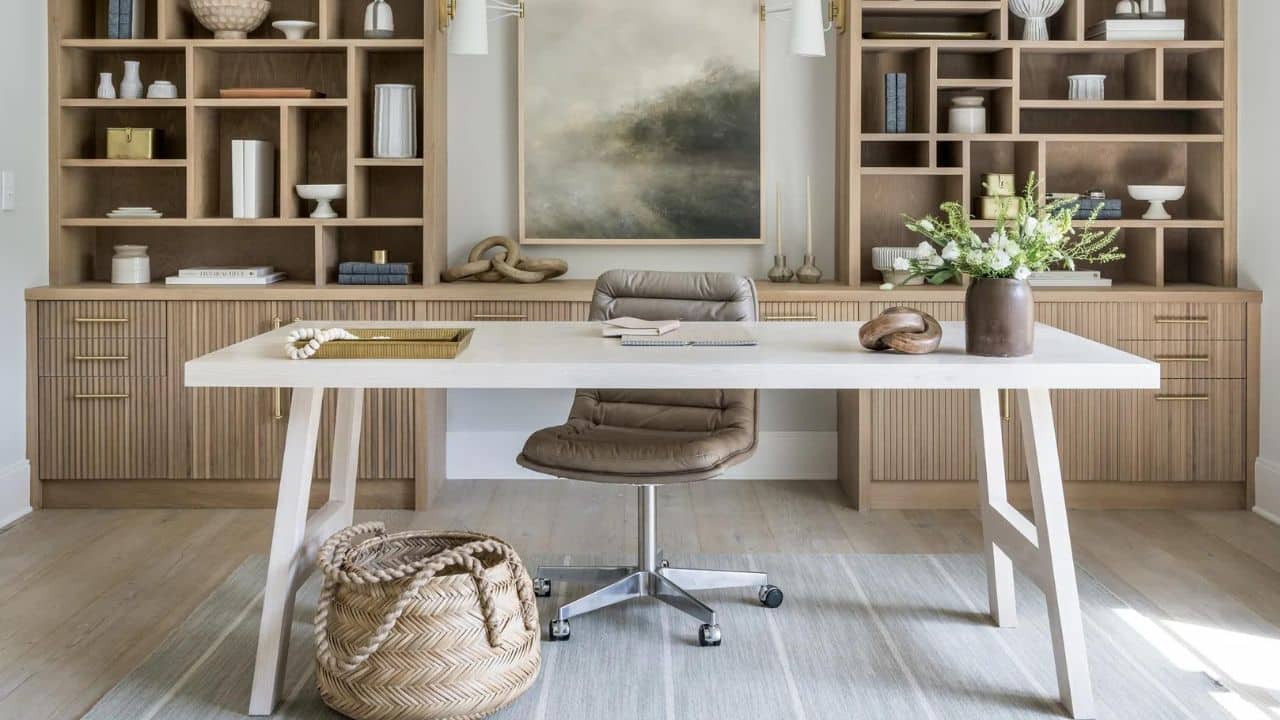
Credit: www.reliant.co.uk
Declutter Desk And Drawers
Your desk and drawers often become catch-alls for items you rarely use. This leads to clutter and wasted space. Decluttering these areas creates a cleaner workspace and helps you find things faster. It also frees up room for essentials and improves your focus.
Start by sorting through everything in your desk and drawers. Decide what to keep, toss, or recycle. Organizing these spaces boosts productivity and gives your home a tidier look.
Remove Unused Devices
Look inside your desk drawers for old gadgets and devices. Remove anything you no longer use or need. This includes old chargers, USB sticks, and outdated electronics. Keeping only useful devices saves space and prevents clutter buildup.
Recycle Broken Items
Broken items take up valuable drawer space. Gather any damaged tools or electronics and recycle them properly. Many communities offer electronic recycling programs. Recycling helps the environment and frees up more room for useful items.
Use Drawer Dividers
Drawer dividers help separate items and keep things tidy. Use them to organize stationery, cables, and small gadgets. Dividers prevent items from mixing and make it easier to find what you need. They maximize drawer space and reduce clutter.
Create Clutter-free Zones
Creating clutter-free zones helps keep your home tidy and organized. It breaks your space into manageable parts. Each area has a clear purpose and fewer unnecessary items. This method saves space and makes daily tasks easier. Let’s explore how to set up these zones effectively.
Define Room Functions
Start by deciding what each room is for. Assign one main function per room. For example, use the living room only for relaxing and socializing. Avoid mixing work or storage activities there. Clear room functions reduce scattered items and confusion. It helps everyone know where things belong.
Limit Items Per Zone
Keep only essential items in each zone. Remove anything that does not fit the room’s purpose. Use storage bins or shelves to group similar items. This keeps surfaces clear and easy to clean. Limiting items prevents clutter from building up over time.
Regular Maintenance
Check your zones often to keep them clutter-free. Put things back in their place after use. Toss or donate items you no longer need. Schedule quick clean-ups weekly to stay organized. Regular care stops clutter from returning and saves time later.
Four Box Method
The Four Box Method is a simple way to sort and declutter your home. It helps you decide what to keep, give away, throw out, or move elsewhere. Using four boxes makes the process clear and organized. This method saves space and creates a neat living area.
Keep
Put items you use often or love in the Keep box. These belong in your home and deserve a special place. Only keep what fits your space and lifestyle. This helps reduce clutter and keeps your home tidy.
Donate
Choose items still in good condition but no longer needed. These can help others through donation centers or charity shops. Donating clears space and supports a good cause. It feels good to give away things that may bring joy to others.
Trash
Throw away broken, old, or unusable items. Trash includes things that cannot be repaired or recycled. Removing trash stops clutter from building up again. Make sure to dispose of trash properly to keep your home clean and safe.
Relocate
Sometimes items belong in another room or place. Use the Relocate box for things that need a new home. Moving these items keeps your current space less crowded. This step helps organize your whole house more efficiently.
Packing Party Technique
The Packing Party Technique is a simple and effective way to declutter your home. It involves packing everything in a room into boxes. This method forces you to look at each item closely and decide what to keep. It helps create space quickly and clearly shows what you really need.
Pack Entire Room
Start by placing all items from the room into boxes. Pack everything, including decorations and furniture if possible. This step creates a blank slate and shows how much space you actually use. It also stops you from hiding clutter in corners or closets.
Unpack Essentials
Next, unpack only the items you use daily or weekly. These are your essentials. Put them back in the room and find proper storage for each. This step helps you focus on what is truly important and keeps the room functional.
Evaluate Each Item
Go through the packed boxes and look at each item carefully. Ask yourself if you have used it in the last six months. Decide if it brings value or joy to your life. Donate, sell, or recycle anything unnecessary. This process keeps your home tidy and saves valuable space.
Label Everything
Labeling everything in your home simplifies organization and saves space. Clear labels help you find items fast. They also keep storage areas neat and tidy. Labeling stops clutter from building up over time. It makes daily routines smoother and less stressful.
Consistent Labeling
Use the same style of labels throughout your home. This consistency helps you recognize categories quickly. Choose a simple font that is easy to read. Keep label size uniform on similar containers. Consistent labeling creates a clean and orderly look.
Color Coding
Assign colors to different types of items or rooms. For example, use blue for kitchen supplies and green for office materials. Color coding speeds up identification of boxes or bins. It also adds a visual system that everyone can follow. This method reduces time spent searching for things.
Use Durable Labels
Pick labels that last long and resist wear. Waterproof and tear-proof labels work best for various storage spots. Durable labels stay clear and readable over time. Avoid paper labels that fade or peel easily. This saves you from re-labeling and keeps your home organized.
Measure Before Buying Storage
Measuring before buying storage saves time and money. It helps you avoid clutter by choosing the right size. Taking exact measurements ensures your storage fits perfectly. This simple step makes organizing easier and more effective.
Avoid Overbuying
Buy storage that matches your space needs. Oversized units waste room and create clutter. Small spaces need compact solutions. Measure carefully to prevent buying too much. This stops unnecessary expenses and clutter buildup.
Fit For Space
Measure doorways, corners, and wall space first. Ensure the storage fits without blocking pathways. Proper fitting storage uses every inch well. It keeps your home tidy and spacious. Accurate sizing helps keep rooms functional and open.
Match Home Decor
Choose storage that complements your home style. Measure to find pieces that blend well. Matching decor creates a neat, unified look. Coordinated storage adds charm and order. Measuring helps pick items that suit your taste.
Declutter Nightstand
Your nightstand often becomes a catch-all for many small items. This clutter makes your space feel cramped and untidy. Decluttering the nightstand creates a calm and organized bedroom environment. It also frees up space for the items you truly need close by.
Limit Essentials
Keep only essential items on your nightstand. A lamp, a book, and a glass of water are enough. Remove anything that does not serve a daily purpose. This keeps the surface clean and easy to maintain.
Use Small Containers
Place small items in containers to avoid mess. Use trays, bowls, or small boxes to hold jewelry, keys, or chargers. Containers help keep items grouped and prevent them from spreading all over.
Nightly Reset
Make it a habit to tidy your nightstand each night. Put away items that do not belong there. This simple step prevents buildup and keeps your space neat every day.
:max_bytes(150000):strip_icc()/SPR-how-to-declutter-your-home-2648002-a0efad7c04954943afa24b5ff40ac50e.png)
Credit: www.thespruce.com
Frequently Asked Questions
What Is The 1/3/5 Decluttering Rule?
The 1/3/5 decluttering rule helps prioritize items: keep 1 essential, 3 useful, and 5 nice-to-have things per category.
What Is The 10 10 10 Rule For Decluttering?
The 10 10 10 rule for decluttering asks: keep items used in the last 10 months, will be used in the next 10 months, or hold sentimental value for 10 years. Discard or donate items that don’t meet these criteria to simplify your space effectively.
What Is The 50% Rule For Clutter?
The 50% rule for clutter means keeping only half the items you own. It helps simplify and organize your space effectively.
What Are The 4 C’s Of Decluttering?
The 4 C’s of decluttering are: Categorize items, Commit to decisions, Clear out clutter, and Create organized spaces.
Conclusion
Creating space in your home brings peace and ease. Use simple storage solutions to keep rooms tidy. Sort items often and only keep what you need. Vertical shelves and multi-use furniture save valuable floor space. Small changes make a big difference in clutter control.
Enjoy a clean, organized home that feels more open. Keep these ideas in mind to maintain order daily. A neat home helps you relax and focus better. Start today and watch your space transform step by step.


