Are you ready to take control when emergencies strike? The Emergency Preparedness Merit Badge Workbook is your essential guide to learning how to stay safe and help others in times of crisis.
Whether you’re a Scout or someone interested in emergency readiness, this workbook breaks down important skills into simple steps you can follow. By working through it, you’ll gain confidence and practical knowledge that could make all the difference when every second counts.
Dive in and discover how easy it is to be prepared for anything life throws your way. Your safety and the safety of those around you depend on it—let’s get started!

Credit: www.yumpu.com
Merit Badge Basics
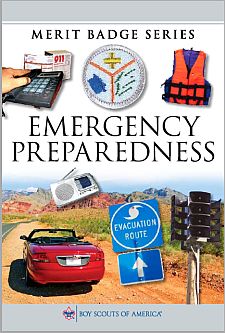
The Emergency Preparedness Merit Badge Workbook is designed to guide Scouts through essential safety skills. This badge teaches how to prepare for emergencies. It covers steps to protect yourself and others during disasters. Scouts gain knowledge about planning, safety tools, and response actions.
Understanding the basics of this merit badge is important. It helps Scouts focus on key areas. Below are the main parts every Scout should know before starting.
Badge Purpose
The purpose of the Emergency Preparedness Merit Badge is to teach Scouts how to handle emergencies. It encourages planning ahead and knowing what to do in a crisis. The badge builds confidence and skills for real-life situations. Scouts learn to help their families and communities stay safe.
Requirements Overview
Scouts must complete several tasks to earn this badge. They start by learning about different types of emergencies. Then, they create an emergency plan for their home. Scouts also practice first aid and safety skills. They study how to build an emergency kit with essential supplies. The badge requires both knowledge and hands-on activities.
Materials Needed
To work on this merit badge, Scouts need a few materials. The merit badge pamphlet is the main guide. A workbook helps keep track of answers and progress. Scouts should have basic first aid supplies for practice. It also helps to have a list of emergency contacts. Preparing an emergency kit with food, water, and tools is essential.

Credit: worksheets.clipart-library.com
Key Emergency Concepts
Understanding key emergency concepts is the first step in being prepared for any situation. These concepts help Scouts learn how to act wisely and stay safe during emergencies. The Emergency Preparedness Merit Badge Workbook focuses on three main ideas: the types of emergencies, risk assessment, and emergency plans. Each one plays a vital role in readiness.
Types Of Emergencies
Emergencies can happen suddenly and take many forms. They include natural disasters like floods, earthquakes, and storms. Other types include fires, power outages, and accidents. Knowing different emergencies helps Scouts recognize dangers fast. This knowledge allows them to respond properly and protect themselves and others.
Risk Assessment
Risk assessment means finding out what dangers exist around you. Scouts learn to look at their home, school, or community to spot risks. They think about how likely an emergency is and what harm it might cause. This step is important to prepare well. It helps to focus on the most serious threats first.
Emergency Plans
Emergency plans are detailed guides on what to do during a crisis. Scouts create plans for themselves and their families. These plans include how to communicate, where to meet, and what supplies to have ready. Good plans reduce confusion and fear. They give clear steps to follow for safety and quick action.
Preparing Your Emergency Kit
Preparing your emergency kit is a vital step in staying safe during unexpected situations. A well-packed kit gives you essential tools to handle emergencies effectively. It ensures you have basic needs covered until help arrives or conditions improve.
Creating your kit needs careful thought. You must include necessary items and tailor it to your specific needs. Regular checks keep your kit ready for use at any moment.
Essential Supplies
Start with water and non-perishable food. Include enough for at least three days. Add a flashlight with extra batteries. Pack a first aid kit with bandages and antiseptics. Carry a whistle to signal for help. Include a multi-tool or knife for various tasks. Add important documents in a waterproof bag. Pack warm clothing and blankets for cold weather. Don’t forget personal hygiene items and face masks.
Personalizing Your Kit
Think about your health needs. Add prescription medicines and glasses. Include supplies for babies or pets if needed. Consider your environment and local risks. Add items like insect repellent or sunscreen. Personalize communication tools such as a portable phone charger. Include comfort items like books or games for children. Tailor the kit to your family size and lifestyle.
Maintenance Tips
Check your kit every six months. Replace expired food, water, and medicines. Test batteries and replace if weak. Update important documents as needed. Keep the kit in an easy-to-reach place. Teach family members how to use the items. Practice using your kit during drills. Staying prepared means your kit is always ready.
Skills For Emergency Situations
Knowing the right skills can save lives during emergencies. The Emergency Preparedness Merit Badge Workbook teaches key abilities to handle urgent situations. Scouts learn to act quickly and safely with useful knowledge.
This section covers important skills for emergencies. It includes first aid basics, fire safety, and communication methods. These skills help Scouts stay calm and effective when facing danger.
First Aid Basics
First aid is the first help given to someone injured or sick. Scouts learn how to treat cuts, burns, and fractures. They practice bandaging wounds and performing CPR. Knowing first aid can prevent more serious injuries. It also helps keep victims comfortable until professional help arrives.
Fire Safety
Fire can spread quickly and cause great harm. Scouts study how to prevent fires at home and outside. They learn how to use fire extinguishers and stop small fires safely. Scouts also practice escape plans to leave buildings fast and without panic. Understanding fire safety lowers risks and protects lives.
Communication Methods
Clear communication is vital during emergencies. Scouts explore different ways to send messages when phones may not work. They learn to use radios, signals, and written notes. Good communication helps coordinate help and keep everyone informed. Scouts gain confidence to connect with others under stress.
Creating Family Emergency Plans
Creating a family emergency plan is a key step in staying safe during crises. It helps everyone know what to do and where to go. A good plan reduces confusion and fear in stressful times. Start by discussing possible emergencies and how to prepare for them.
Make sure each family member understands their role. Practice the plan regularly to keep it fresh in everyone’s mind. A clear plan builds confidence and teamwork.
Roles And Responsibilities
Assign specific tasks to each family member. One person can handle first aid, another can gather supplies. Someone should be in charge of contacting emergency services. Clear roles help prevent chaos and ensure important tasks get done fast.
Consider each person’s age and abilities when assigning roles. Make sure children know simple tasks like dialing emergency numbers. Adults should know how to turn off utilities if needed.
Meeting Points
Choose safe places to meet after an emergency. Pick one spot close to home and another outside the neighborhood. This helps if you cannot return home or if the area is unsafe. Everyone must know these locations well.
Write down addresses and landmarks to avoid confusion. Practice getting to these spots quickly. Meeting points keep families together and make it easier to check on everyone’s safety.
Evacuation Routes
Plan multiple routes out of your home and neighborhood. Roads may be blocked or unsafe during an emergency. Having backup routes ensures you can leave quickly and safely. Share these routes with all family members.
Mark routes on a map and keep it accessible. Walk or drive the routes to familiarize everyone. Knowing evacuation paths reduces panic and saves time when every second counts.
Completing The Workbook
Completing the Emergency Preparedness Merit Badge Workbook is a key step in earning the badge. The workbook guides Scouts through important skills and knowledge needed for emergencies. It helps organize answers and track progress clearly. Careful completion shows understanding and readiness.
Answer Organization
Keep your answers neat and clear. Write each response in the space provided. Use bullet points for lists to improve readability. Number your answers to match the workbook questions. This helps your counselor review your work quickly. Avoid long paragraphs; short sentences work best.
Using Supplemental Materials
Use the merit badge pamphlet for detailed information. It explains topics with examples and pictures. You may also use approved websites and videos to learn more. Write down where you found extra information. This shows your effort to learn beyond the workbook. Always check facts from trusted sources.
Counselor Tips
Talk to your counselor often during completion. They can clarify questions and offer advice. Show them your workbook regularly for feedback. Practice skills like first aid and emergency planning with your counselor. Be honest if you need help. Your counselor wants to see your progress and understanding.
Practical Exercises
Practical exercises form the core of the Emergency Preparedness Merit Badge Workbook. These activities help Scouts apply their knowledge in real-world scenarios. They build confidence and readiness for emergencies. Hands-on practice is vital to understand emergency responses fully. Scouts learn through action, not just theory. This section focuses on key practical exercises that make preparedness tangible.
Drills And Simulations
Drills and simulations mimic real emergencies. They train Scouts to react quickly and calmly. These exercises include fire drills, earthquake simulations, and first aid practice. Repeating drills improves muscle memory and decision-making skills. Simulations often involve role-playing to test problem-solving under pressure. Regular participation ensures Scouts are ready for actual emergencies.
Community Resources
Knowing local community resources is essential for emergency preparedness. Scouts learn to identify shelters, hospitals, and emergency services nearby. They also discover where to get supplies and information during a crisis. Building relationships with community responders strengthens preparedness. This knowledge helps Scouts assist others and navigate emergencies effectively.
Volunteer Opportunities
Volunteering offers real experience in emergency settings. Scouts can join local fire departments, Red Cross chapters, or disaster relief groups. These opportunities teach teamwork and responsibility. Volunteers often help with drills, community education, and actual emergency response. Active involvement deepens understanding and commitment to preparedness.
Credit: www.usscouts.org
Advanced Preparedness Tips
Advanced preparedness goes beyond basic first aid and emergency kits. It involves detailed planning and skill-building to face specific disasters. This section covers key areas to boost your readiness. Implementing these tips helps you stay safe and confident in emergencies.
Disaster-specific Strategies
Each disaster requires a unique approach. Learn how to respond to floods, earthquakes, fires, and storms. Prepare evacuation routes and safe spots for different scenarios. Know local hazards and warning signs. Practice drills tailored to likely emergencies in your area.
Long-term Survival Skills
Surviving after a disaster may take days or weeks. Develop skills like finding clean water and building shelter. Learn to grow food and preserve supplies. Practice fire-starting and basic hunting or fishing. These skills increase your chances of staying safe longer.
Technology Tools
Modern devices can improve your emergency response. Use apps for weather alerts and emergency communication. Carry portable chargers and solar-powered gadgets. Learn to operate radios and GPS units. Technology supports staying connected and informed during crises.
Frequently Asked Questions
What Is The Emergency Preparedness Merit Badge Workbook?
The workbook helps Scouts organize their knowledge while earning the Emergency Preparedness badge. It complements the merit badge pamphlet for better understanding.
How Does The Workbook Aid Emergency Preparedness Learning?
It provides structured exercises and questions to reinforce emergency planning skills. Scouts can track progress and prepare for real-life emergencies effectively.
What Topics Are Covered In The Emergency Preparedness Workbook?
The workbook covers disaster planning, first aid, communication, and safety measures. It guides Scouts through before, during, and after emergency actions.
Can The Workbook Be Used Without The Merit Badge Pamphlet?
No, the workbook is designed to be used alongside the official pamphlet. Both resources together ensure comprehensive learning and badge completion.
Conclusion
Earning the Emergency Preparedness Merit Badge builds strong safety skills. Scouts learn how to act in crises. This knowledge protects themselves and others. The workbook guides through important steps clearly. Practice and preparation make emergencies less frightening. Stay ready by reviewing your plans often.
Being prepared brings confidence in any situation. Start today to ensure safety tomorrow.