
Imagine facing an emergency without a clear plan—how would you protect yourself and your loved ones? Emergency and preparedness isn’t just about being cautious; it’s about taking control of your safety before disaster strikes.
By preparing now, you can reduce fear, avoid chaos, and respond quickly when it matters most. You’ll discover simple, practical steps to create your own emergency plan, build essential supply kits, and stay informed. Your readiness can make all the difference—so let’s dive into how you can be prepared and confident no matter what comes your way.
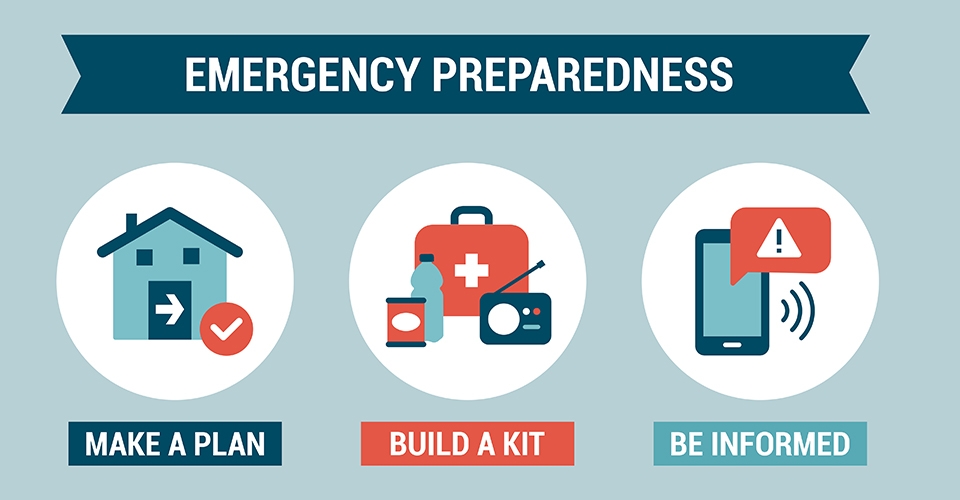
Credit: cityofirvine.org
Emergency Preparedness Basics
Emergency preparedness basics are vital for safety. Being ready reduces risks and helps manage crises smoothly. Understanding key steps ensures you act confidently during emergencies.
Planning Your Emergency
Start by identifying possible emergencies in your area. Create a clear plan that covers evacuation routes and safe meeting spots. Include ways to communicate with family or team members during a crisis. Keep the plan simple and easy to follow.
Organizing Roles And Responsibilities
Assign specific tasks to each person involved in emergency response. Clear roles prevent confusion and speed up actions. Make sure everyone knows their duties and whom to contact. This organization improves teamwork under pressure.
Training And Drills
Practice your emergency plan regularly through drills. Training helps people remember steps and react faster. Simulate different scenarios to cover various risks. Drills build confidence and reduce panic during real events.
Essential Emergency Supplies
Gather basic supplies to last at least three days. Include water, non-perishable food, a first-aid kit, and flashlight. Don’t forget important documents and medications. Keep the kit accessible and check it often to replace expired items.
Assessing Risks
Assessing risks is the first step in preparing for emergencies. It helps you understand what dangers exist around you. Knowing these risks allows you to plan better and stay safe. Risk assessment involves looking at both natural and man-made hazards.
This process is important for individuals and communities alike. It shapes how you prepare your home, workplace, and neighborhood. The goal is to reduce harm and protect lives. Let’s explore how to identify local hazards and evaluate risks.
Identifying Local Hazards
Start by researching common dangers in your area. These can include floods, hurricanes, earthquakes, or wildfires. Check local news and government websites for hazard maps. Talk to neighbors and community leaders about past emergencies.
Look at man-made risks too, such as industrial accidents or power outages. Knowing what hazards are likely helps you focus your preparation efforts. Make a list of these hazards to keep track of them.
Evaluating Personal And Community Risks
Think about how local hazards affect you and those around you. Consider your home’s location and building type. Identify if you live near rivers, fault lines, or factories. Assess your family’s health needs and mobility issues.
At the community level, check the availability of emergency services and shelters. Understand how quickly help can arrive in a crisis. This evaluation helps you plan resources and support networks better. It also guides community-wide preparedness strategies.
Communication Strategies
Effective communication plays a vital role in emergency preparedness. Clear and reliable communication helps families stay safe and informed. It also ensures smooth coordination with emergency responders. Preparing communication strategies ahead of time reduces confusion during crises.
Family Communication Plans
Create a simple family communication plan. List contact numbers for all family members. Choose an out-of-town contact person to relay information. Decide on meeting places both near and far from home. Practice the plan regularly so everyone remembers it. Keep printed copies of the plan in multiple places.
Staying Informed During Emergencies
Use multiple sources to get emergency updates. Sign up for local alerts via phone or email. Listen to weather radios or local news stations. Follow trusted government and emergency agency websites. Avoid sharing unverified information to prevent panic. Keep a battery-powered or hand-crank radio handy.
Coordinating With Authorities
Know which agencies handle emergencies in your area. Learn their communication channels, like phone numbers and social media. Follow their instructions carefully during emergencies. Report your status and needs if you can safely do so. Stay calm and clear when communicating with responders. Cooperation with authorities improves response effectiveness.

Credit: www.nys4-h.org
Emergency Management Phases
Emergency management involves a series of steps to handle disasters effectively. It focuses on reducing risks, preparing for crises, managing the immediate aftermath, and restoring normal life. These steps form the emergency management phases. Each phase plays a vital role in saving lives and protecting property.
Prevention And Mitigation
Prevention aims to stop emergencies before they start. Mitigation reduces the damage if an emergency occurs. Examples include building strong structures and enforcing safety codes. These actions lower the chance of disasters or limit their impact.
Preparedness Actions
Preparedness involves planning and training for emergencies. It includes making emergency kits and communication plans. Drills and education help people know what to do. Being ready speeds up response and saves lives.
Response Tactics
Response happens during and just after an emergency. It focuses on protecting people and property. Emergency services provide rescue, medical help, and shelter. Quick action reduces harm and controls the situation.
Recovery Processes
Recovery restores the community after an emergency. It involves repairing homes, businesses, and infrastructure. Support services help people return to daily life. Recovery can take weeks or years, depending on the damage.
Building An Emergency Kit
Building an emergency kit is a vital step in staying safe during unexpected events. A well-prepared kit can provide the essentials needed to survive and stay comfortable. It should cover basic needs like food, water, medical supplies, and important documents. Preparing this kit in advance helps reduce stress and ensures readiness.
Food And Water Essentials
Include enough non-perishable food to last at least three days. Choose items like canned goods, energy bars, and dried fruits. Pack a manual can opener if needed. Water is crucial. Store one gallon per person per day for drinking and hygiene. Keep water in clean, sealed containers. Replace supplies regularly to keep them fresh.
First Aid And Medical Supplies
A basic first aid kit is essential. Include bandages, antiseptic wipes, adhesive tape, and pain relievers. Add any prescription medications and extra glasses or contact lenses. Consider including gloves, scissors, and tweezers. This kit helps treat minor injuries and manage health conditions during emergencies.
Tools And Equipment
Gather tools that assist in emergency situations. A flashlight with extra batteries is a must. Include a multi-tool or pocket knife, whistle, and waterproof matches or a lighter. A battery-powered or hand-crank radio helps receive updates. Add sturdy gloves, duct tape, and a small fire extinguisher for safety.
Personal Documents And Valuables
Keep copies of important documents in a waterproof container. Include identification cards, insurance papers, and medical records. Store cash in small bills for emergencies. Add a list of emergency contacts and any essential keys. Protecting these items helps maintain order and access to services after a disaster.
Credit: www.snohd.org
Special Considerations
Special considerations are vital in emergency and preparedness planning. Different situations require unique approaches. Understanding these can improve safety and response. Planning ahead helps reduce risks and stress during emergencies.
Preparing For Natural Disasters
Natural disasters vary by region and season. Prepare for floods, hurricanes, earthquakes, or wildfires. Know the risks in your area. Create an emergency kit with food, water, and supplies. Keep important documents safe and accessible. Practice evacuation routes and safe spots at home. Stay informed through weather alerts and local news.
Planning For Health Emergencies
Health emergencies can happen anytime. Have a first aid kit ready with basic medical supplies. Keep a list of emergency contacts and medical information. Know the location of nearby hospitals and clinics. Learn basic first aid and CPR skills. Stock enough prescription medicines for several days. Follow hygiene practices to prevent illness spread.
Supporting Vulnerable Individuals
Some people need extra help during emergencies. Elderly, children, and disabled individuals require special plans. Identify their specific needs early. Arrange for medication, mobility aids, and communication devices. Include caregivers and neighbors in planning. Keep emergency contacts updated for these individuals. Ensure safe transportation and shelter options are available.
Community Involvement
Community involvement plays a vital role in emergency and preparedness efforts. A strong community can respond faster and recover more effectively from disasters. When neighbors work together, they share resources, skills, and support. This collective effort helps protect everyone and builds resilience.
Communities that engage in preparedness activities create safer environments. They reduce risks and improve overall readiness. Local groups and volunteers are essential to making emergency plans work. Public resources and training provide valuable knowledge and tools. Each part strengthens the community’s ability to face emergencies.
Neighborhood Preparedness Groups
Neighborhood preparedness groups bring residents together to plan for emergencies. These groups meet regularly to discuss risks and strategies. Members share information about supplies, evacuation routes, and communication plans. They often conduct drills to practice response skills. Being part of a group helps people feel connected and ready.
Volunteer Opportunities
Volunteering in emergency services offers a way to support the community. Volunteers assist with disaster response, shelter operations, and first aid. Many organizations welcome people with different skills and experience levels. Volunteering also builds personal confidence and knowledge. It strengthens community bonds and improves overall safety.
Public Resources And Training
Public resources provide important tools for emergency preparedness. Local agencies offer training sessions on CPR, first aid, and disaster response. These classes teach essential skills to protect yourself and others. Emergency kits, guides, and alerts are often available through public offices. Using these resources improves readiness and saves lives.
Technology And Emergency Preparedness
Technology plays a vital role in emergency preparedness. It helps people stay informed and ready for unexpected events. Using modern tools can improve safety and response times. Simple devices and apps offer practical support during crises.
Using Apps And Alerts
Emergency apps provide real-time alerts and important information. They send warnings about weather, fires, floods, or other dangers. Many apps offer checklists and reminders for emergency kits. Users can share their location and status with family or rescue teams. These tools keep you connected and aware during a disaster.
Backup Power Solutions
Power outages often happen during emergencies. Backup power sources like portable batteries and generators keep essential devices running. Solar chargers and power banks are useful for phones and radios. Having backup power ensures communication lines stay open. It also helps maintain light and heat when electricity is lost.
Online Resources And Tools
Websites and online platforms provide valuable emergency preparedness guides. They offer step-by-step plans and safety tips. Many resources include maps showing safe routes and shelters. Training videos and quizzes help users learn emergency skills. Accessing these tools before a crisis improves readiness and confidence.
Frequently Asked Questions
What Are The 5 Stages Of Emergency Preparedness?
The five stages of emergency preparedness are risk assessment, planning, organizing, training, and equipping. These steps ensure readiness and effective response during emergencies.
What Is Emergency Preparedness?
Emergency preparedness means planning, organizing, training, and equipping to handle disasters effectively. It ensures safety and minimizes damage.
What Are The 3 C’s Of Emergency Response?
The 3 C’s of emergency response are: Check, Call, and Care. Check the scene for safety, call for help, and provide care to victims.
What Are The 5 P’s Of Preparedness?
The 5 P’s of preparedness are: Proper Planning, Prevention, Preparation, Practice, and Protection. These steps ensure readiness for emergencies.
Conclusion
Being ready for emergencies saves lives and reduces stress. Simple plans and supplies make a big difference. Practice your emergency drills often to stay confident. Share your plan with family and friends to help everyone stay safe. Stay informed about local risks and updates from authorities.
Preparedness is not a one-time task but a continuous effort. Take small steps today to protect yourself and your loved ones. Safety starts with you—be prepared, stay calm, and act wisely.