
Fire can strike anywhere, anytime—at home or school—and the consequences can be devastating. But here’s the truth: many fires are preventable with simple, smart steps you can take right now.
Imagine knowing exactly how to protect your loved ones, your property, and your peace of mind from the threat of fire. You’ll discover clear, easy-to-follow ways to prevent fires both at home and school. By applying these practical tips, you’ll not only reduce risks but also gain confidence in handling emergencies.
Ready to become a fire safety hero for your family and community? Keep reading, because your safety starts here.
Smoke Alarm Maintenance
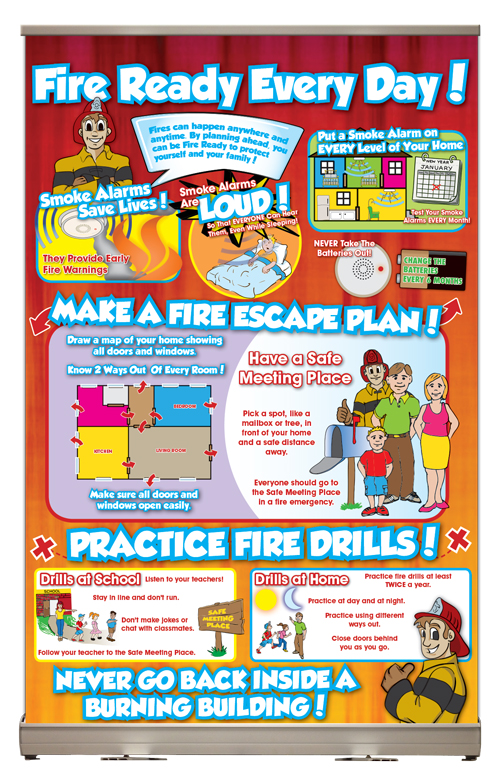
Smoke alarms play a vital role in fire prevention at home and school. Proper maintenance ensures these devices work effectively to alert occupants early. Early warnings can save lives and reduce damage. Regular upkeep of smoke alarms should never be overlooked. Simple steps keep alarms reliable and ready.
Choosing The Right Alarms
Select smoke alarms approved by safety authorities. Opt for models with both ionization and photoelectric sensors. This combination detects both fast and slow fires. Consider alarms with a loud, clear sound for better alerting. Battery-operated alarms offer flexibility but hardwired ones provide constant power. Some alarms include a 10-year sealed battery for less frequent changes. Choose alarms suitable for the specific environment, such as classrooms or bedrooms.
Regular Testing And Battery Replacement
Test smoke alarms monthly to confirm they work. Press the test button until the alarm sounds loudly. Replace batteries at least once a year or when the low battery warning beeps. Use fresh batteries from a reliable brand. Never skip battery changes or ignore chirping sounds. Clean alarms by gently vacuuming dust from vents yearly. Keep alarms free from paint and debris to avoid false alarms.
Placement Tips For Maximum Coverage
Install smoke alarms in every bedroom, outside sleeping areas, and on each floor. Place alarms high on walls or ceilings, as smoke rises. Avoid installing alarms near windows, doors, or vents where drafts may interfere. Keep alarms at least 10 feet from cooking appliances to reduce false alarms. In schools, install alarms in hallways and large rooms. Follow local fire codes for exact placement rules. Proper placement increases early fire detection and safety.
Fire Escape Planning
Fire escape planning is a critical step to ensure safety at home and school. It prepares everyone for quick and safe exits during a fire emergency. Having a clear plan reduces confusion and panic. It helps save lives by guiding people to safety efficiently.
Designing Multiple Exit Routes
Plan at least two exit routes from every room. This gives options if one path is blocked by fire or smoke. Mark these routes clearly on a floor plan. Make sure doors and windows used for escape open easily. Keep pathways free of obstacles and locked doors.
Setting A Safe Meeting Spot
Choose a safe place outside the building for everyone to gather. This spot should be easy to find and far from danger. A tree, mailbox, or street corner works well. The meeting spot helps account for all people quickly. It also lets firefighters know if someone is missing.
Conducting Practice Drills
Practice your fire escape plan regularly with all family members or students. Run drills at different times and scenarios. This builds confidence and familiarity with the routes. Teach children to stay low and move quickly. After drills, review what went well and what to improve.
Kitchen Fire Safety
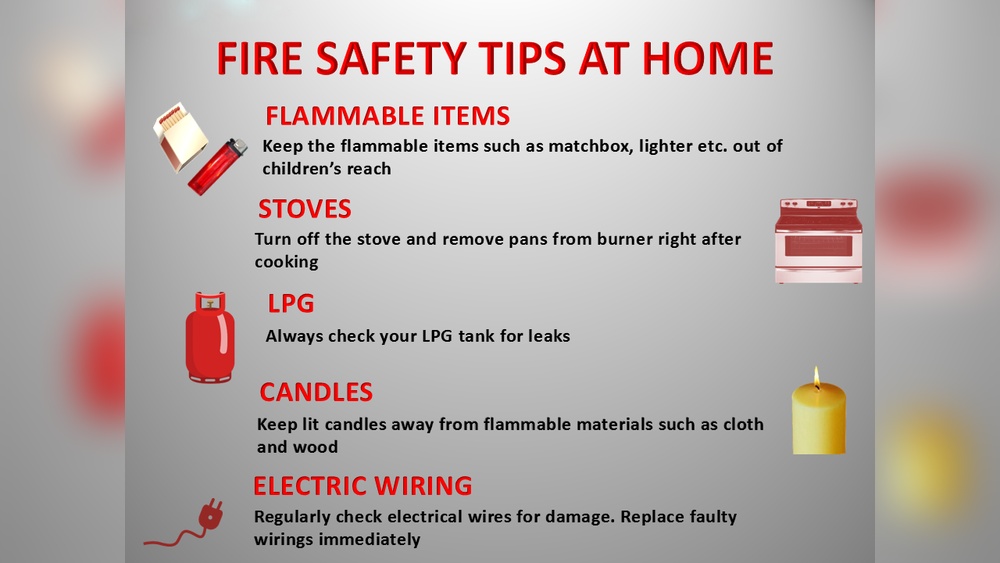
The kitchen is a common place for fires to start at home and school. It has many heat sources and flammable materials. Taking simple steps can stop fires before they begin. Kitchen fire safety protects lives and property.
Teaching children and adults safe kitchen habits builds strong fire prevention skills. Everyone should know how to cook safely and handle kitchen tools. This lowers the risk of accidents and fires.
Supervising Cooking Activities
Never leave cooking food unattended. Stay close to the stove or oven at all times. Children should always have adult supervision in the kitchen. Watch for signs of burning or smoke. Turn off heat if you must leave. This stops small problems from growing into fires.
Keeping Flammables Away
Keep towels, paper, and curtains far from heat sources. Store cooking oils and sprays away from the stove. Avoid placing plastic or cloth near burners. These items catch fire easily and spread flames fast. Clear the area around the cooking space to reduce fire risks.
Safe Use Of Appliances
Check kitchen appliances for damage before use. Use appliances according to their instructions. Avoid overloading electrical outlets with many devices. Unplug small appliances when not in use. Keep cords away from water and hot surfaces. Regularly clean appliances to prevent grease buildup. Safe appliance use lowers fire chances dramatically.
Managing Open Flames
Managing open flames is crucial to prevent fires at home and school. Open flames include candles, oil burners, matches, and lighters. Each can cause accidents if not handled carefully. Understanding safe practices reduces fire risks and keeps everyone safe. Let’s explore how to manage these flames properly.
Candle Safety Practices
Always place candles on a stable, heat-resistant surface. Keep candles away from curtains, papers, and other flammable items. Never leave a burning candle unattended. Extinguish candles before leaving the room or going to sleep. Use a snuffer or gently blow out candles to avoid hot wax splatter. Keep candles out of reach of children and pets. Choose flameless LED candles as a safer alternative.
Using Oil Burners Carefully
Oil burners produce open flames and need careful attention. Fill the burner only to the recommended level to avoid spills. Place oil burners on a flat, non-flammable surface. Keep them away from drafts that can tip the burner or spread flames. Never leave an oil burner burning unattended. Use heat-resistant mats underneath to protect surfaces. Store oils away from heat sources and open flames.
Proper Handling Of Matches And Lighters
Matches and lighters should always be stored safely out of children’s reach. Use matches one at a time and strike them away from the body. Light lighters only when needed and keep fingers clear of the flame. Never leave lighters in pockets or where they can be accidentally ignited. Teach children about the dangers of matches and lighters. Dispose of used matches and empty lighters properly to avoid fire hazards.
Electrical Safety Tips
Electrical safety plays a vital role in preventing fires at home and school. Faulty wiring or damaged cords can spark dangerous fires. Taking simple steps to manage electrical equipment reduces risks. Understanding basic safety tips helps protect everyone from harm.
Inspecting And Replacing Cords
Check electrical cords regularly for signs of wear and tear. Look for cracks, fraying, or exposed wires. Replace any damaged cords immediately to avoid fire hazards. Using cords in good condition ensures safe electricity flow.
Avoiding Outlet Overloads
Do not plug too many devices into one outlet. Overloading outlets causes overheating and sparks. Use power strips with built-in circuit breakers for extra devices. Spread out electrical appliances to reduce the chance of fires.
Safe Cord Placement
Keep cords away from high traffic areas to prevent damage. Do not run cords under rugs, carpets, or furniture. Heat buildup or pinched cords increase fire risk. Arrange cords neatly and avoid tangling for safety.
Space Heater Precautions
Space heaters provide warmth during cold days but can cause fires if not used correctly. Taking precautions with space heaters reduces fire risks at home and school. Proper use protects families, students, and buildings from accidents.
Maintaining Safe Distances
Keep space heaters at least three feet away from flammable objects. Items like curtains, papers, and furniture can catch fire easily. Clear the area around the heater to allow good airflow and avoid overheating. Do not place heaters near bedding or clothing.
Turning Off When Unattended
Always switch off space heaters when leaving the room or going to sleep. Unattended heaters can overheat or tip over, causing fires. Teach children and students never to touch or play near heaters. Using timers or automatic shut-off features adds extra safety.
Selecting Certified Devices
Choose space heaters with safety certifications from trusted organizations. Certified devices meet strict safety and quality standards. Avoid cheap or counterfeit heaters that may lack safety features. Look for heaters with tip-over switches and overheating protection.
Flammable Material Storage
Proper storage of flammable materials plays a key role in fire prevention at home and school. These materials can ignite quickly and cause serious fires. Safe storage reduces risks and protects everyone in the building. Understanding how to store these items correctly helps keep environments safe.
Using Appropriate Containers
Store flammable liquids in containers made for them. These containers are usually metal or special plastic. They have tight lids to prevent spills and vapors. Using correct containers lowers the chance of leaks and fires. Always label containers clearly with the contents inside.
Keeping Away From Heat Sources
Keep flammable materials far from heat sources like stoves, heaters, or direct sunlight. Heat can cause these materials to ignite or explode. Store them in cool, dry places with good ventilation. Avoid storing near electrical equipment that may spark.
Safe Handling Procedures
Handle flammable materials with care to avoid accidents. Use gloves and safety glasses if needed. Never smoke or use open flames near these materials. Always close containers tightly after use. Clean up spills immediately to prevent fire hazards.
Credit: cosumnescsd.gov
Smoking Safety
Smoking safety is crucial to prevent fires at home and school. Careless smoking habits can cause serious fire hazards. Simple actions can reduce these risks effectively. Every smoker should follow safety rules to keep everyone safe.
Smoking Outdoors
Always smoke outside the building. Smoking indoors increases fire risks. Use designated smoking areas far from flammable materials. Outdoor smoking reduces the chance of accidental fires.
Properly Extinguishing Materials
Never discard cigarette butts carelessly. Fully extinguish cigarettes before disposal. Use water or sand to put out smoking materials. Ensure no embers remain that can ignite fires later.
Avoiding Smoking In Bed
Smoking in bed is extremely dangerous. Falling asleep with a lit cigarette can cause fires. Always smoke in a safe, awake state. This habit protects your home and school from fire accidents.
Fire Extinguisher Use
Fire extinguishers are essential tools for stopping small fires quickly. Knowing how to use them correctly can save lives and reduce damage. Both homes and schools benefit from having the right fire extinguishers available and understanding their proper use. Learning about extinguishers helps everyone stay prepared in case of an emergency.
Choosing The Right Extinguisher
Different types of fire extinguishers work on different fires. Class A extinguishers put out fires with wood, paper, and cloth. Class B extinguishers are for flammable liquids like oil and gasoline. Class C extinguishers handle electrical fires. Some extinguishers cover multiple classes. Choose one that fits your environment and potential fire risks.
Learning The P.a.s.s. Method
The P.A.S.S. method is a simple way to remember how to use a fire extinguisher. Pull the pin to unlock the handle. Aim the nozzle at the fire’s base. Squeeze the handle to release the extinguishing agent. Sweep the nozzle side to side until the fire goes out. Practice this method to act quickly and confidently.
Regular Maintenance Checks
Fire extinguishers need regular checks to work properly. Inspect the pressure gauge monthly. Make sure the needle is in the green zone. Check for dents, rust, or leaks on the extinguisher body. Ensure the pin and tamper seal are intact. Replace or service any extinguisher that shows damage or low pressure.
Credit: firesafetyforlife.com
Fire Safety At School
Fire safety at school is essential to protect children, teachers, and staff. Schools must have clear rules and plans to handle fire emergencies. Everyone needs to know how to act quickly and safely. Teaching fire safety helps prevent accidents and saves lives.
Classroom Fire Drills
Fire drills help students practice leaving the building safely. Schools should schedule drills regularly. Teachers must guide students calmly and quickly to exits. Drills build confidence and reduce panic during real fires. Each classroom should know at least two exit routes.
Safe Use Of Electrical Devices
Electrical devices can cause fires if not used properly. Schools should check cords and plugs for damage. Avoid overloading power outlets with many devices. Turn off computers and projectors when not in use. Keep electrical equipment away from water and flammable materials.
Educating Students On Fire Hazards
Students must learn about common fire dangers around them. Lessons can include safe handling of matches and lighters. Teach students to never play with fire or electrical devices. Explain the importance of reporting hazards to adults. Knowledge helps children stay alert and safe every day.
Credit: www.mvfpd.org
Frequently Asked Questions
What Are The 10 Tips To Prevent House Fires?
Install and maintain smoke alarms. Create and practice a fire escape plan. Stay attentive while cooking. Keep flammable items away from heat. Replace damaged electrical cords. Avoid overloading outlets. Keep space heaters clear of combustibles. Store matches and lighters safely.
Extinguish smoking materials fully. Keep a fire extinguisher handy.
How Can You Prevent Fires At Home?
Install and maintain smoke alarms. Create and practice a fire escape plan. Stay attentive while cooking. Use electrical devices safely. Keep flammable items away from heat. Store matches out of children’s reach. Use space heaters carefully and keep fire extinguishers accessible.
What Are The 5 E’s Of Fire Prevention?
The 5 E’s of fire prevention are Education, Engineering, Enforcement, Emergency response, and Environmental management. These focus on awareness, safety design, laws, quick action, and reducing fire risks.
What Are 5 Rules For Preventing Fire?
Install and maintain smoke alarms regularly. Create and practice a fire escape plan. Stay attentive while cooking. Use electrical devices safely. Keep flammable items away from heat sources.
Conclusion
Preventing fires at home and school keeps everyone safe. Regularly check smoke alarms and replace batteries. Plan and practice fire escapes often with your family or classmates. Always watch cooking closely and keep flammable items away from heat. Use electrical cords carefully and avoid overloading outlets.
Store matches and lighters out of children’s reach. Keep space heaters clear of anything that can burn. Knowing these simple steps helps protect lives and property. Safety is a shared responsibility—stay alert and prepared every day.