When disaster strikes, being caught unprepared can turn a tough situation into a crisis. That’s why FEMA Emergency Preparedness is something you can’t afford to ignore.
Imagine having the right plan and supplies ready, so you and your loved ones stay safe no matter what happens. This guide will show you practical steps to prepare effectively, helping you feel confident and in control when emergencies arise.
Keep reading to discover how simple actions today can protect your tomorrow.
Fema Emergency Kit Essentials
Preparing a FEMA emergency kit is vital for safety during disasters. The kit should contain items that meet basic survival needs. It helps you stay prepared for unexpected events like storms or power outages.
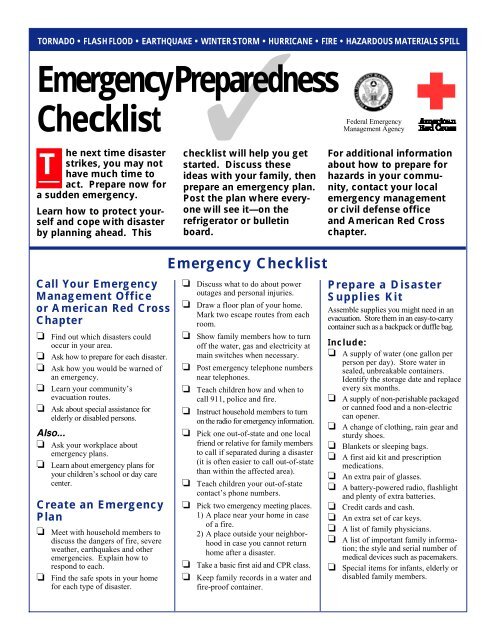
FEMA recommends including essential supplies to support you and your family for at least 72 hours. This section explains the key items to pack in your emergency kit. Follow these guidelines for a well-stocked and effective kit.
Basic Supplies To Include
Start with a sturdy container to hold all your supplies. Pack a flashlight with extra batteries for light. Include a battery-powered or hand-crank radio to receive emergency updates. Add a whistle to signal for help if needed. Carry important documents in a waterproof bag. Pack sturdy shoes, warm clothing, and blankets for protection from weather.
Food And Water Recommendations
Store at least one gallon of water per person each day. Keep a three-day supply of non-perishable food items. Choose canned goods, dry cereals, and energy bars. Avoid foods that require refrigeration or cooking. Rotate your food supplies regularly to keep them fresh. Remember to include a manual can opener in your kit.
Medical And First Aid Items
Include a well-stocked first aid kit with bandages, antiseptics, and gloves. Pack any prescription medications needed by family members. Add pain relievers and allergy medicine. Carry a thermometer and tweezers for minor injuries. Don’t forget personal hygiene items like soap, hand sanitizer, and feminine products. Regularly check and replace expired items in your medical kit.

Credit: www.researchgate.net
Applying For Fema Assistance
Applying for FEMA assistance is a key step after a disaster strikes. It helps survivors get financial support and resources quickly. Knowing how to apply can save time and reduce stress.
There are several ways to apply for FEMA assistance. Choose the method that fits your situation best. Each option is designed to make the process simple and accessible.
Online Application Methods
Applying online is fast and convenient. Visit the official FEMA website to start your application. You will need basic information like your Social Security number and address. The website guides you through each step with clear instructions. Save your application ID to check the status later. Online applications are available 24/7, so you can apply anytime.
Using The Fema Mobile App
The FEMA mobile app offers another easy way to apply. Download the app for free from your phone’s app store. The app lets you apply, upload documents, and track your application. It also provides alerts about storms and safety tips. The app works on most smartphones and tablets. Using the app can speed up your application process.
In-person Application Centers
FEMA has Disaster Recovery Centers (DRCs) in affected areas. You can visit these centers to apply in person. Staff members help you fill out forms and answer questions. They also provide information about other local aid programs. Find a center nearby by checking the FEMA website or local news. In-person help is useful if you do not have internet access or need extra support.
Creating A Family Disaster Plan
Creating a family disaster plan is a vital step to keep everyone safe during emergencies. It helps your family act quickly and calmly. Planning ahead reduces confusion and stress. It also ensures everyone knows what to do and where to go. A clear plan saves precious time in an emergency.
Communication Strategies
Decide how your family will contact each other. Choose a primary and backup method. Cell phones may not work, so include text messages or social media. Pick an out-of-town contact to share information. Make sure everyone knows phone numbers by heart. Practice using communication tools regularly.
Evacuation Routes And Meeting Points
Plan several routes out of your home and neighborhood. Roads may be blocked, so have alternatives ready. Choose safe meeting points near and far from your home. These spots help reunite family members. Share the routes and meeting points with everyone. Practice evacuation drills to build confidence.
Special Needs And Pets Preparation
Include plans for family members with disabilities or health issues. Keep necessary medications and supplies ready. Plan for pets by preparing food, water, and carriers. Know pet-friendly shelters or hotels. Teach children how to care for pets during emergencies. This preparation ensures no one is left behind.
Fema Training And Education Resources
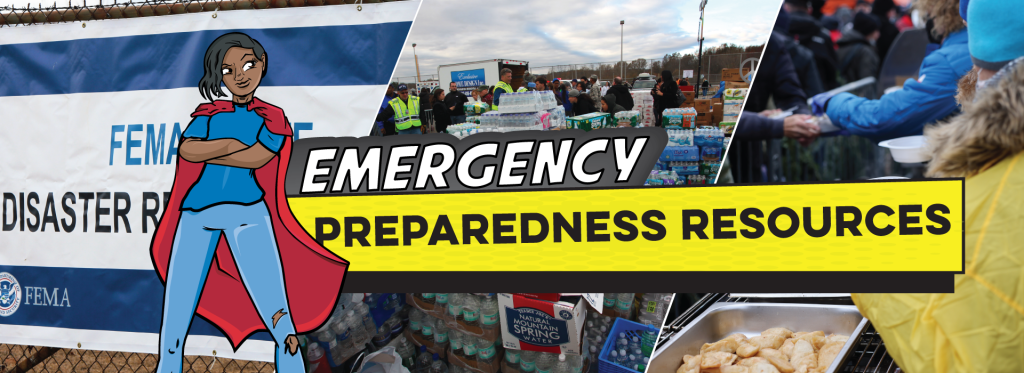
FEMA offers a variety of training and education resources. These resources help prepare individuals and communities for emergencies. They cover essential skills and knowledge to respond effectively during disasters. Both professionals and the public benefit from these programs.
Courses For First Responders
FEMA provides specialized courses for first responders. These courses focus on disaster response techniques and safety. Topics include search and rescue, medical aid, and incident management. Training helps responders act quickly and confidently during emergencies. The courses are available in-person and online to fit busy schedules.
Community Preparedness Programs
Community programs teach families and neighbors how to prepare together. They include workshops on creating emergency plans and building supply kits. These programs encourage teamwork and readiness at the local level. Participants learn to reduce risks and support each other in crises. FEMA supports these programs to strengthen community resilience.
Online Training Tools
FEMA offers free online tools for flexible learning. Users can access videos, quizzes, and interactive modules anytime. The tools cover a wide range of emergency topics suitable for all ages. Online training makes it easy to stay informed and ready. It also helps people practice skills without leaving home.
National Preparedness Initiatives
National Preparedness Initiatives are vital efforts led by FEMA to strengthen the country’s readiness for emergencies. These initiatives set clear frameworks to guide communities, agencies, and individuals in preparing for disasters. The focus lies on building resilience and ensuring swift, coordinated responses to crises.
Goals And Objectives
The main goal is to reduce risks from all hazards. FEMA aims to improve disaster response and recovery times. Objectives include enhancing communication, training, and resource management. Preparing citizens to act quickly and safely is also key. Strong plans help save lives and protect property.
Community Involvement
Communities play a central role in preparedness efforts. Local groups help spread knowledge about emergency plans. Volunteers support response teams during disasters. Public education programs teach simple safety steps anyone can follow. Engaged communities recover faster and face fewer losses.
Federal And Local Collaboration
FEMA works closely with state and local agencies. Sharing information improves readiness across all levels. Joint exercises test emergency plans and identify gaps. Partnerships ensure resources reach where they are needed most. This teamwork strengthens the entire nation’s ability to respond.
Credit: www.austintexas.gov
Emergency Food Storage Tips
Storing food for emergencies is a key part of FEMA emergency preparedness. Proper food storage ensures you have enough to eat during a disaster. It helps maintain health and energy in tough times.
Focus on foods that last long, offer good nutrition, and stay safe. Plan your storage to meet your family’s needs. This section guides you through essential tips for emergency food storage.
Long-lasting Food Options
Choose foods with long shelf lives. Canned goods like beans, vegetables, and meats last for years. Dry items such as rice, pasta, and lentils keep well too. Freeze-dried and dehydrated foods are lightweight and last long. Ready-to-eat meals (MREs) provide quick nutrition. Include nuts and seeds for healthy fats. Store a variety of foods to avoid diet boredom.
Nutritional Considerations
Select foods with balanced nutrients. Include carbohydrates for energy, proteins for muscle repair, and fats for endurance. Add dried fruits and vegetables for vitamins and minerals. Fiber helps digestion and keeps you full. Avoid foods high in sugar or salt. Drinkable supplements can help if water is scarce. Plan meals to support health during emergencies.
Safe Storage Practices
Store food in a cool, dry place away from sunlight. Use airtight containers to prevent moisture and pests. Label containers with purchase and expiration dates. Rotate your stock by using older items first. Check food regularly for signs of spoilage. Keep food off the floor and away from chemicals. Have a list of your stored items for easy tracking.
Using Fema Grants For Preparedness
FEMA grants play a vital role in helping communities prepare for emergencies. These funds support projects that reduce risks and improve response capabilities. Using FEMA grants wisely can strengthen local emergency plans and protect lives.
Understanding how to access and use these grants is important for organizations and governments. FEMA offers different types of grants tailored to various preparedness needs. Applying for these funds follows a clear process designed to ensure fair distribution. Some grants also help communities recover after disasters, speeding up the return to normal life.
Types Of Available Grants
FEMA offers several grants for emergency preparedness. The Homeland Security Grant Program supports state and local efforts. The Pre-Disaster Mitigation Grant helps reduce disaster risks before events occur. The Emergency Management Performance Grant funds planning and training activities. Each grant targets specific needs, from equipment to training.
Application Process
Applying for FEMA grants requires careful preparation. Applicants must submit detailed project plans and budgets. The process usually starts with registering on the FEMA portal. Timely submission and clear documentation increase chances of approval. Regular updates and reports may be required after funding is awarded.
Funding For Recovery Projects
FEMA grants also support recovery after emergencies. These funds help rebuild infrastructure and restore services. Recovery grants assist with debris removal and hazard mitigation. Communities can use this funding to reduce damage from future disasters. Quick access to these funds helps speed up recovery efforts.
Credit: www.yumpu.com
Technology For Disaster Preparedness
Technology plays a vital role in disaster preparedness today. It helps people get ready faster and stay safer during emergencies. Tools like apps, alert systems, and websites offer important information and support. These resources make it easier to plan, respond, and recover from disasters.
Fema App Features
The FEMA app provides key tools for emergency readiness. Users can receive real-time alerts about severe weather or disasters. It offers tips on how to prepare and what to do during emergencies. The app also helps locate nearby shelters and disaster recovery centers. It works offline, so important info is available anytime.
Alert And Notification Systems
Alert systems send fast warnings to keep people safe. Many use phone texts, emails, or sirens to reach communities. These systems notify about floods, hurricanes, or other threats. They guide people to take quick action and protect themselves. Local governments often partner with national agencies for alerts.
Useful Preparedness Websites
Several websites offer valuable disaster preparedness content. FEMA.gov provides guides, checklists, and updates on emergency plans. Ready.gov shares step-by-step advice for families and businesses. These sites also include training materials and recovery resources. They serve as trusted sources for clear and reliable information.
Community Response And Support
Community response and support form the backbone of effective emergency preparedness. When disasters strike, neighbors and local groups step up to help each other. This collective effort saves lives and reduces damage. Everyone plays a role, from volunteers to faith-based organizations. Building strong, resilient neighborhoods ensures better recovery and safety for all.
Volunteer Opportunities
Volunteers are essential during emergencies. They assist with evacuations, distribute supplies, and provide first aid. FEMA offers training programs to prepare volunteers. Joining local volunteer groups helps you learn skills and meet others. Your time and effort make a real difference in your community.
Faith-based And Local Groups
Faith-based and local groups often lead in disaster response. They offer shelter, food, and emotional support. These groups know the community well and can reach vulnerable people quickly. Partnering with them strengthens overall emergency plans. Their involvement builds trust and encourages more people to help.
Building Resilient Neighborhoods
Resilient neighborhoods recover faster from disasters. Residents share information and resources before, during, and after emergencies. Creating neighborhood plans helps everyone know what to do. Regular drills and meetings keep people prepared. Strong connections among neighbors improve safety and reduce panic.
Frequently Asked Questions
How To Get The $750 Fema Check?
Apply for FEMA disaster assistance online at DisasterAssistance. gov or via the FEMA app. Visit a local Disaster Recovery Center for help. Approval depends on eligibility and disaster impact. The $750 check is part of FEMA’s Individual Assistance program for qualifying disaster survivors.
What Should I Stock Up On Before War?
Stock up on non-perishable foods like rice, beans, canned goods, MREs, dried fruits, and vegetables. Include water, first aid, batteries, and essential medications.
What Is The 72 Hour Rule For Disaster?
The 72-hour rule advises individuals to be self-sufficient for three days after a disaster. Prepare emergency supplies for food, water, and essentials. This ensures safety until help arrives or services resume.
How Do I Get A Free Emergency Kit From Fema?
Apply for disaster assistance via DisasterAssistance. gov, FEMA app, or visit a local Disaster Recovery Center to get a free emergency kit.
Conclusion
Being ready for emergencies saves lives and reduces stress. FEMA offers helpful tools and clear guidance. Keep an emergency kit with essentials close by. Stay informed through FEMA’s app and local alerts. Practice your plan regularly with family or friends.
Small steps now prepare you for big challenges later. Everyone in Austin, Texas, can build safety together. Preparedness is a simple choice that protects your future. Take action today to stay safe tomorrow.