
Is your smoke detector chirping nonstop, driving you a little crazy? That tiny beep might seem harmless, but it’s your smoke detector’s way of telling you something needs attention.
Ignoring it isn’t a good idea—it’s trying to keep you safe. You’ll discover simple steps to stop that annoying chirp quickly and easily. By the end, you’ll know exactly what to do to silence your smoke detector and keep your home secure.
Keep reading—you’re just moments away from peace and quiet.

Credit: www.youtube.com
Reasons For Chirping
Smoke detectors chirp to catch your attention. The sound warns of an issue. Knowing why it chirps helps fix the problem fast. Different causes need different solutions. Understanding these reasons keeps your home safe.
Low Battery Alert
Most chirping smoke detectors signal a low battery. The device needs power to work well. When batteries run low, the alarm beeps softly. Changing batteries stops the noise. Always use fresh, high-quality batteries for best results.
Dust And Debris
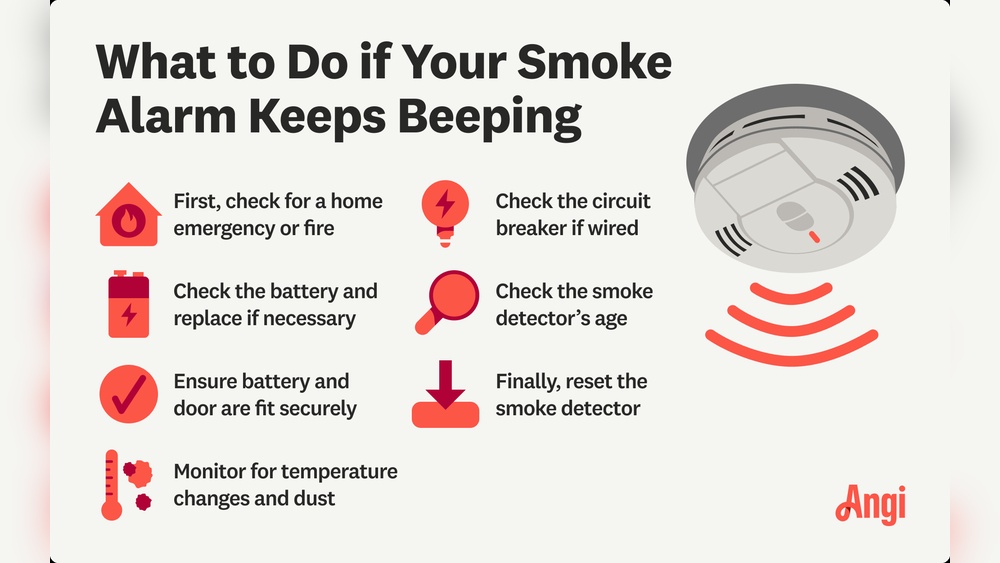
Dust can block the smoke detector’s sensor. The device may chirp to signal trouble. Dirt buildup harms its ability to detect smoke. Cleaning the detector regularly helps. Use a vacuum or soft brush to remove dust.
End Of Life Warning
Smoke detectors have a lifespan of about 8-10 years. After this, they may chirp to warn you. This sound means the unit must be replaced. Old detectors might not work properly in emergencies. Check the manufacture date to know its age.
Electrical Issues
Hardwired smoke detectors rely on electricity. Loose wiring or power problems cause chirping. The alarm may beep if the power cuts off. Inspect connections or call a professional electrician. Proper wiring keeps the detector running smoothly.

Credit: waynealarm.com
Quick Battery Replacement
Quick battery replacement is the fastest way to stop a chirping smoke detector. The chirp usually means the battery is low. Changing the battery can fix the problem immediately. This simple task does not take long. You can do it yourself without special tools.
Locating The Battery Compartment
Start by finding the battery compartment on your smoke detector. It is often on the back or side of the device. Look for a small door or panel. Some models twist open. Others may have a latch or clip. Make sure to turn off the alarm before opening it.
Choosing The Right Battery
Use the correct battery type for your smoke detector. Most devices use 9-volt or AA batteries. Check the label inside the battery compartment. Using the wrong battery can cause more chirping. Buy fresh batteries from a store you trust. Avoid old or used batteries.
Safe Battery Removal And Installation
Remove the old battery carefully. Press the clip or gently pull it out. Avoid touching the battery terminals. Insert the new battery in the same direction as the old one. Make sure it fits snugly and securely. Close the compartment door tightly. Test the smoke detector to ensure it works.
Cleaning The Smoke Detector
Cleaning the smoke detector is an important step to stop its chirping sound. Dust and dirt can block the sensor inside. This makes the alarm think there is a problem. Regular cleaning keeps the detector working well. It also stops false alarms and annoying chirps.
Tools Needed For Cleaning
- Soft brush or a small paintbrush
- Vacuum cleaner with a brush attachment
- Clean, dry cloth
- Compressed air can (optional)
Step-by-step Cleaning Process
- Turn off the power to the smoke detector at the circuit breaker.
- Remove the detector from the ceiling or wall.
- Use the soft brush to gently remove dust from vents and surfaces.
- Vacuum the detector using the brush attachment to clear out loose dirt.
- If available, blow compressed air into the vents to remove hidden dust.
- Wipe the outer cover with a clean, dry cloth.
- Reinstall the smoke detector and turn the power back on.
- Test the detector to ensure it works properly.
Preventing Future Dust Build-up
Keep the area around the smoke detector clean and dust-free. Avoid placing it near vents or windows. Clean the detector every six months for best results. Use a vacuum or brush to remove dust regularly. This prevents build-up and stops chirping sounds.
Resetting The Smoke Detector
Resetting the smoke detector can stop the annoying chirping sound. This step clears minor errors or alerts. It helps the device work properly again. Resetting is simple and often fixes common problems quickly.
Follow the instructions carefully to reset your smoke detector. Knowing the right time to reset is important. Sometimes, the detector needs more than just a reset. Troubleshooting helps if the reset does not work.
Manual Reset Instructions
First, locate the reset button on your smoke detector. It is usually small and round. Press and hold the button for 15 to 20 seconds. You may hear a beep or see the light flash. Release the button after the signal stops. This action resets the device and silences the chirp.
When To Reset
Reset your smoke detector after changing the battery. Also reset if the chirping continues without battery issues. Reset after cleaning dust or debris inside the device. If the detector sounds without smoke, a reset may help. Regular resets keep the smoke detector in good shape.
Troubleshooting Reset Issues
If reset does not stop the chirping, check the battery again. Replace the battery with a fresh one. Make sure the battery fits correctly. Clean the smoke detector with a soft brush. Remove dust and cobwebs inside and around it. If chirping continues, the unit might be faulty. Consider replacing the smoke detector if problems persist.
Replacing The Smoke Detector
Sometimes, a chirping smoke detector signals the need for replacement. Old detectors lose sensitivity and can beep frequently without cause. Replacing the smoke detector ensures your home stays safe and quiet.
Signs It’s Time To Replace
Smoke detectors last about 8 to 10 years. If your detector chirps even after changing batteries, it may be failing. Physical damage or discoloration is another warning. Frequent false alarms also mean it’s time to get a new one.
Choosing A New Smoke Detector
Select a smoke detector with a long battery life. Look for models with sealed batteries lasting 10 years. Opt for detectors that meet safety standards like UL certification. Consider photoelectric smoke alarms for slower, smoldering fires.
Installation Tips
Place new detectors on ceilings or high on walls. Avoid areas near windows or kitchens to reduce false alarms. Test the alarm after installation to check proper function. Replace all old detectors at once for uniform safety.
Preventive Tips
Stopping a smoke detector from chirping starts with good habits. Preventive tips help keep your detector working well. They stop the annoying chirps before they begin. Simple steps can make a big difference.
Regular Maintenance Schedule
Check your smoke detector every month. Clean dust and dirt from the sensor. Use a soft brush or vacuum. Dust can cause false alarms and chirping. Test the alarm by pressing the test button. This ensures the detector is working properly.
Battery Replacement Frequency
Change the battery at least once a year. Use fresh batteries for best results. Low batteries cause most chirping sounds. Keep spare batteries in your home. Replace the battery immediately if the detector chirps.
Placement Recommendations
Place detectors away from kitchens and bathrooms. Steam and cooking smoke can cause false alarms. Install detectors on ceilings or high on walls. Avoid placing near windows or vents. Good placement reduces false chirping and keeps you safe.

Credit: www.angi.com
Frequently Asked Questions
Why Is My Smoke Detector Chirping Nonstop?
Your smoke detector chirps when its battery is low or faulty. It can also chirp due to dust or wiring issues. Regularly check and replace batteries to stop the chirping and keep it functioning properly.
How Often Should I Replace Smoke Detector Batteries?
Replace smoke detector batteries at least once a year. Some models require battery changes every six months. Always test the detector after replacement to ensure it is working correctly.
Can A Dirty Smoke Detector Cause Chirping Sounds?
Yes, dust and debris can interfere with smoke detector sensors. Cleaning the detector with a vacuum or soft brush can stop false chirping and improve its sensitivity.
What If Replacing Batteries Doesn’t Stop Chirping?
If chirping continues after battery replacement, check for wiring problems or sensor faults. In some cases, the entire smoke detector may need replacement to ensure safety.
Conclusion
A chirping smoke detector needs quick attention to keep you safe. Change the battery or clean the unit to stop the noise. Test the alarm after fixing it to ensure it works well. Regular checks prevent unwanted chirps and keep your home secure.
Don’t ignore the sound; it’s a reminder to act. Simple steps bring peace and safety to your living space. Stay alert and maintain your smoke detectors for lasting protection.