Have you ever wondered what to do with your old First Alert smoke detector when it stops working? You can’t just toss it in the trash like regular garbage.
These devices contain materials that need special care to keep you and the environment safe. If you want to get rid of your smoke detector the right way, this guide is made for you. Keep reading to learn simple, clear steps to dispose of your First Alert smoke detector safely and responsibly.
Your home and the planet will thank you.
Credit: support.firstalert.com
Why Proper Disposal Matters
Proper disposal of First Alert smoke detectors matters for safety and the environment. These devices contain small amounts of radioactive material and electronic parts. Throwing them in the trash can cause harm to people and the planet. Understanding why disposal needs care helps protect health and nature.
Risks Of Improper Disposal
Smoke detectors have a tiny amount of americium-241, a radioactive element. If broken or crushed, it can release harmful dust. This dust is dangerous to breathe or touch. Landfills are not made to handle radioactive waste safely. Improper disposal can expose workers and nearby communities to radiation. Electronics inside can also leak toxic chemicals if not handled correctly.
Environmental Impact
Throwing smoke detectors in the trash adds hazardous waste to landfills. These harmful materials can seep into soil and water. Pollution affects plants, animals, and people. Recycling or special disposal stops these toxins from spreading. Proper disposal helps conserve resources by recovering valuable metals. It also reduces the need for mining new materials.
Types Of First Alert Smoke Detectors
First Alert offers different types of smoke detectors to protect your home. Each type works in a unique way to detect smoke and fire. Knowing the types helps you understand how to dispose of them safely. Here are the main kinds of First Alert smoke detectors.
Ionization Smoke Detectors
Ionization detectors use a small amount of radioactive material. This material helps detect fast, flaming fires quickly. These detectors respond well to small smoke particles. They are common in many homes. Proper disposal is important due to the radioactive element inside.
Photoelectric Smoke Detectors
Photoelectric detectors use a light beam to sense smoke. They detect larger smoke particles from slow, smoldering fires. These detectors often reduce false alarms. They are a good choice for bedrooms and living rooms. Disposal is simpler than ionization models but still requires care.
Combination Models
Combination smoke detectors include both ionization and photoelectric sensors. They provide broader fire detection coverage. These models offer better safety for different types of fires. Disposal needs attention to both sensor types inside. Check local rules for handling combination units.
Removing Your Smoke Detector Safely
Removing your First Alert smoke detector safely is important to avoid damage or injury. Smoke detectors contain batteries and sensitive parts. Handling them carefully protects you and your home.
Take time to prepare before removal. Follow clear steps for a smooth process. This ensures the device stays intact for proper disposal or replacement.
Tools Needed
- Step ladder or sturdy chair
- Flathead screwdriver
- Phillips screwdriver (if needed)
- Gloves for hand protection
- Flashlight for better visibility
Step-by-step Removal
- Turn off the power to the smoke detector circuit at the breaker box.
- Climb the ladder carefully to reach the detector.
- Press and twist the smoke detector counterclockwise to unlock it.
- Pull the detector away from the mounting plate gently.
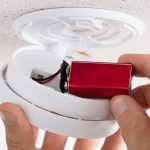
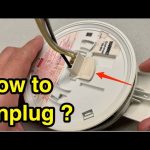
- Disconnect the battery or power connector from the back of the unit.
- Use a screwdriver to remove screws if the detector is hardwired.
- Place the smoke detector on a soft surface to avoid damage.
- Dispose or recycle according to local regulations.
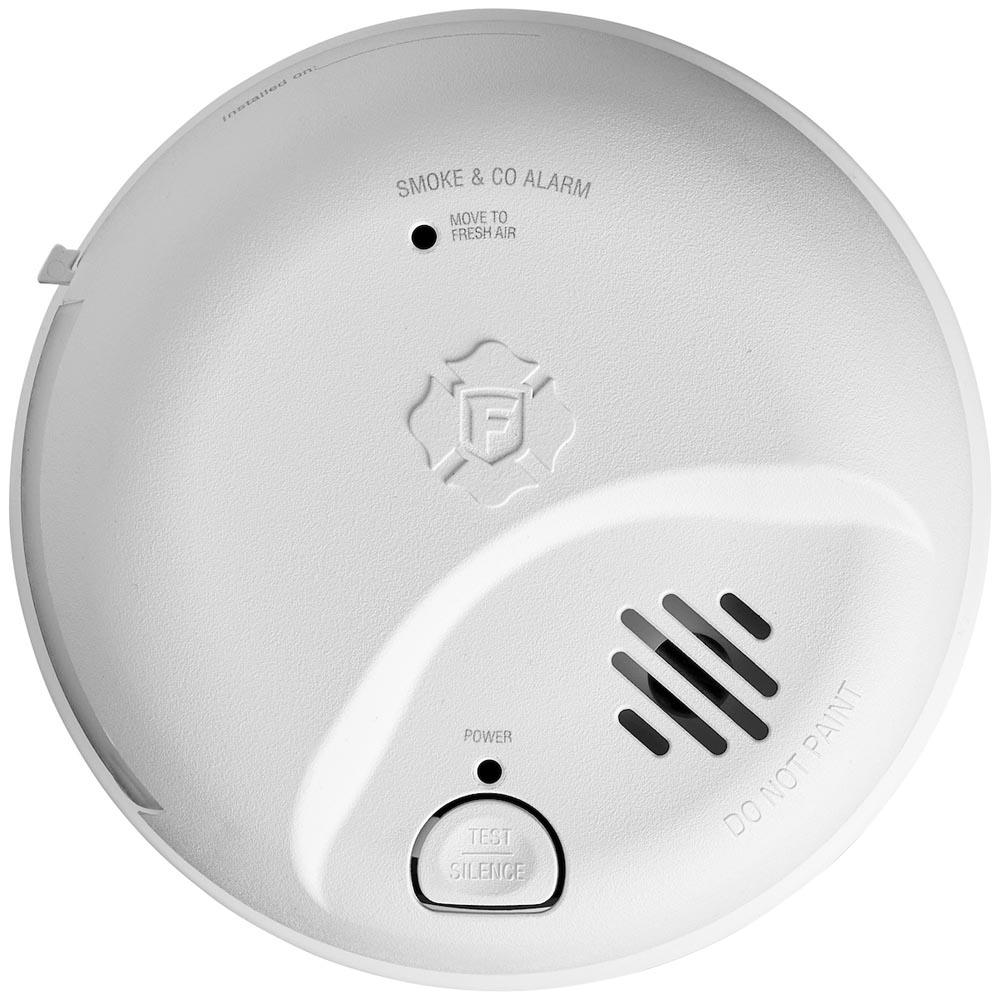
Credit: www.firstalertstore.com
Handling The Battery
Handling the battery of your First Alert smoke detector is important for safe disposal. Batteries contain chemicals that can harm the environment. Removing and disposing of them correctly keeps your home and planet safe.
Types Of Batteries Used
First Alert smoke detectors often use either 9-volt or AA batteries. Some models have lithium-ion batteries built inside. Knowing your battery type helps in choosing the right disposal method. Check your device’s manual or look at the battery label for details.
Battery Disposal Tips
Do not throw batteries in the regular trash. Many contain harmful metals like lead or mercury. Take used batteries to a local recycling center. Some stores offer battery drop-off bins for free recycling. Store old batteries in a safe, dry place before recycling. Tape the terminals to prevent sparks or short circuits. Proper disposal protects the environment and prevents fire hazards.
Disposal Options For Smoke Detectors
Disposing of First Alert smoke detectors properly keeps the environment safe. Smoke detectors contain small amounts of radioactive material. This means they need special handling during disposal. Several options exist to get rid of them safely and legally. Knowing these options helps protect your home and community.
Local Hazardous Waste Facilities
Many towns have hazardous waste centers. These places accept smoke detectors for safe disposal. Drop off your device during set hours. Staff at these centers follow rules to handle radioactive parts. This option keeps harmful materials out of regular trash.
Mail-back Programs
Some manufacturers offer mail-back programs. You send your smoke detector in a special package. They handle the disposal safely. Instructions and materials come with the device or online. This method suits those without nearby waste centers.
Retail Take-back Services
Certain stores take back old smoke detectors. Ask at the customer service desk. They collect devices and send them for proper disposal. This service is often free. It offers a simple way to recycle your detector responsibly.
Recycling First Alert Smoke Detectors
Recycling First Alert smoke detectors helps protect the environment. These devices contain materials that can be reused. Proper recycling reduces waste and keeps harmful parts from landfills. It also saves natural resources by recovering metals and plastics.
Materials That Can Be Recycled
First Alert smoke detectors have metals like aluminum and steel. These metals can be melted down and used again. The plastic outer casing is often recyclable too. Inside, some detectors have electronic components. These circuit boards contain valuable metals like copper and silver.
Recycling these parts prevents pollution. It also lowers the need for mining new materials. Batteries inside smoke detectors require special handling. They should be removed and recycled separately to avoid hazards.
Finding Recycling Centers
Many local recycling centers accept electronic waste. Some centers take smoke detectors for proper processing. Check with municipal waste programs about special collection days. Electronics stores sometimes offer take-back programs. They accept old smoke detectors for recycling.
Online search tools can help locate nearby recycling options. Always call ahead to confirm they accept smoke detectors. Proper disposal ensures harmful materials do not enter the environment. Recycling centers follow strict rules to handle these devices safely.
Legal Regulations To Follow
Disposing of First Alert smoke detectors requires following specific legal rules. These rules protect the environment and ensure safety. Understanding these regulations helps you dispose of old smoke detectors correctly. They vary by federal, state, and local laws. Knowing them keeps you compliant and avoids fines.
Federal Guidelines
The U.S. Environmental Protection Agency sets federal rules for disposing of smoke detectors. Many First Alert models contain a small amount of radioactive material. This material needs special handling to prevent harm. The EPA requires these detectors to be disposed of at approved facilities. You cannot throw them in regular trash. Some smoke detectors can be mailed back to the manufacturer for safe disposal.
State And Local Rules
States have their own rules that can be stricter than federal laws. Some states require smoke detectors to be taken to hazardous waste collection centers. Local governments may have special programs for disposal. Check your city or county website for details. Following state and local rules helps protect your community and environment. Always confirm disposal methods before discarding your smoke detector.
Tips To Remember When Disposing
Disposing of First Alert smoke detectors requires care. These devices contain small amounts of radioactive material. Proper disposal protects the environment and people around you. Follow these tips to dispose of your smoke detector safely and correctly.
Avoiding Common Mistakes
Do not throw smoke detectors in regular trash bins. They contain parts that need special handling. Avoid breaking or opening the device. This can release harmful substances. Check local rules for disposal. Some areas have specific drop-off points. Do not ignore the battery removal. Take out batteries before disposal. Batteries need separate recycling.
Safety Precautions
Wear gloves when handling old smoke detectors. Keep the device away from children and pets. Store it in a safe place until disposal. Avoid dropping or crushing the detector. Handle it gently to prevent damage. Follow instructions from First Alert or local waste services. This ensures safety and proper handling. Keep smoke detectors dry and clean before disposal.

Credit: www.firstalert.com
Frequently Asked Questions
How Do I Safely Dispose Of First Alert Smoke Detectors?
To dispose of First Alert smoke detectors safely, remove the battery first. Check local hazardous waste guidelines. Many areas require recycling or special disposal for smoke detectors due to radioactive components. Never throw them in regular trash to avoid environmental harm.
Can I Recycle First Alert Smoke Detectors?
Yes, you can recycle First Alert smoke detectors. Contact local recycling centers or hazardous waste facilities. Some manufacturers offer take-back programs. Proper recycling prevents environmental damage and complies with legal disposal requirements for smoke detectors containing radioactive materials.
Why Shouldn’t I Throw Smoke Detectors In The Trash?
Smoke detectors contain small amounts of radioactive material. Throwing them in the trash risks environmental contamination. Proper disposal ensures safety and legal compliance. Use designated recycling or hazardous waste facilities to protect health and the environment.
Where Can I Find Hazardous Waste Disposal Sites?
Hazardous waste disposal sites are listed on local government websites. Call your city or county waste management office for locations. Many communities hold special collection events for items like smoke detectors. Always use approved facilities for safe disposal.
Conclusion
Disposing of First Alert smoke detectors safely protects the environment. Many detectors contain batteries and chemicals that need special handling. Check local recycling centers for proper disposal options. Some stores accept old smoke detectors for recycling. Remove batteries before disposal to avoid hazards.
Following these steps helps keep your home and planet safe. Always handle smoke detectors with care to prevent damage. Dispose of them responsibly to support a cleaner world. Simple actions make a big difference. Keep safety and the environment in mind.