
Have you ever needed to unplug your hardwired smoke detector but didn’t know where to start? Maybe it’s beeping nonstop, or you’re replacing it with a newer model.
Whatever the reason, handling a hardwired smoke detector can feel tricky and even a bit risky if you’re not sure what to do. But don’t worry—you’re about to learn simple, clear steps that will make the process safe and easy.
Keep reading, and you’ll gain the confidence to unplug your smoke detector without stress or confusion.
Safety Precautions
Safety comes first when unplugging a hardwired smoke detector. Taking the right steps protects you from electric shocks and other risks. Follow these precautions to stay safe during the process.
Turn Off Power
Switch off the power at the main circuit breaker. This stops electricity from flowing to the smoke detector. Double-check by testing the unit to ensure it is off. Never work on live wires.
Gather Necessary Tools
Prepare all needed tools before starting. You may need a screwdriver, voltage tester, and ladder. Having tools ready saves time and reduces mistakes. Use tools that are in good condition only.
Wear Protective Gear
Wear rubber gloves to protect against shocks. Use safety goggles to shield your eyes from dust or debris. Dress in clothing that covers your skin well. Safety gear lowers the risk of injury during work.
Locate The Smoke Detector
Before unplugging a hardwired smoke detector, you must find it first. Smoke detectors usually blend into ceilings and walls. Knowing their exact location helps you work safely and quickly. This step is important to avoid mistakes and damage.
Identify Hardwired Units
Hardwired smoke detectors connect directly to your home’s electrical system. They do not run on batteries alone. Look for detectors with a small backup battery compartment. These units often have a visible power wire or a base plate that stays fixed to the ceiling. Unlike battery-only models, hardwired detectors cannot be removed without turning off the power.
Check Detector Placement
Smoke detectors are usually in hallways, kitchens, or bedrooms. Check all common areas where smoke can spread quickly. Often, detectors sit on the ceiling near room corners or in the center. Look for round or square devices with a test button on the face. Mark their locations before unplugging to avoid confusion.
Disconnect Power Supply
Disconnecting the power supply is the first step to safely unplug a hardwired smoke detector. This step stops electricity from flowing to the device. It helps avoid electric shock and damage to the smoke detector or your home’s wiring. Safety is the top priority when handling any electrical device.
Follow these simple steps to cut off power before removing the smoke detector.
Turn Off Circuit Breaker
Locate your home’s circuit breaker panel. Find the breaker that controls the smoke detector’s power. Switch it to the OFF position. This stops electricity from reaching the smoke detector. If unsure, turn off the main breaker to cut power to the whole house. This ensures complete safety.
Verify Power Is Off
Use a voltage tester or a non-contact tester near the smoke detector wires. Check if electricity is still present. No reading means power is off. If unsure, try turning the smoke detector’s test button. It should not beep or light up. Confirming power is off protects you from shocks.
Credit: support.firstalert.com
Remove The Detector
Removing the hardwired smoke detector is the next important step after turning off the power. This part needs care to avoid damage to the unit or wiring. The detector is usually easy to detach with the right technique. Follow simple steps to safely remove the device from the ceiling or wall.
Handle the wiring gently to keep everything safe for future use or replacement. Take your time and work patiently to prevent any problems.
Twist Or Unclip The Unit
Most smoke detectors connect to the base with a twist or clip. Hold the base firmly and turn the detector counterclockwise. Some models have clips that you press or squeeze to release the unit. Avoid pulling straight down, as this can damage the device or wiring.
Listen for a click or feel the unit loosen. Then, carefully lower the detector from its mounting bracket.
Handle Wiring Carefully
After removing the detector, you will see the wires connected to it. These wires carry the power and signals. Do not pull or tug on them. Gently disconnect the wiring harness or terminals.
Use a small tool if needed to press release tabs. Keep the wires separated and avoid touching the metal ends. This prevents shorts or shocks. Secure the wires safely until you install a new detector or complete your work.
Unplug The Connector
Unplugging the connector is a key step in safely removing a hardwired smoke detector. This step ensures the detector stops receiving power. It also helps avoid electrical shocks or damage during removal.
Locate The Connector Plug
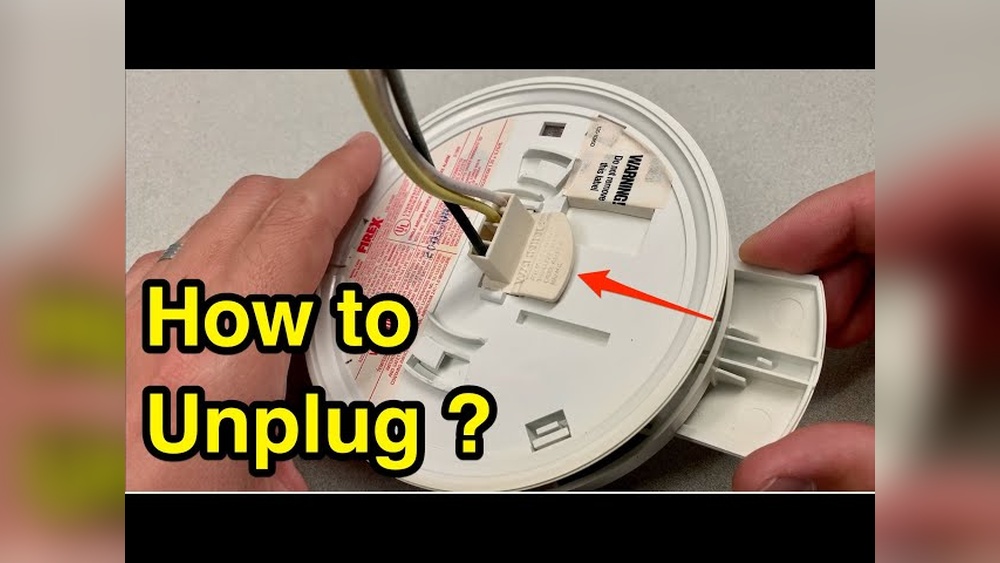
First, find the connector plug behind the smoke detector. It looks like a small plastic piece with wires attached. Usually, it sits between the detector and the ceiling wiring. Gently pull the detector down a little to see this plug clearly. Be careful not to pull too hard on the wires.
Disconnect Without Damage
Hold the connector firmly on both sides. Do not pull the wires directly. Gently pull the plug apart by separating the two halves. It should come apart with moderate force. Avoid twisting or bending the wires. This prevents damage to the connector or wiring. Once unplugged, the detector is safe to remove fully.
Test For Power
Testing for power is a critical step before unplugging a hardwired smoke detector. It ensures no electricity flows to the device, keeping you safe during removal. Never skip this step. It protects you from electric shock and prevents damage to your home’s wiring.
Use A Voltage Tester
Start by turning off the circuit breaker for the smoke detector. Use a voltage tester to check the wires. Place the tester’s probe on each wire connected to the detector. If the tester shows no voltage, the power is off. If it shows voltage, double-check the breaker switch.
Ensure Complete Disconnection
Even if the voltage tester shows no power, verify complete disconnection. Remove the detector from its mounting bracket carefully. Check all wire connectors to confirm they are not live. Keep the wires apart to avoid accidental contact. This step guarantees safety before handling the detector.
Reinstall Or Replace Detector
After unplugging a hardwired smoke detector, reinstalling or replacing it is important. This keeps your home safe and ensures the alarm works well. Follow simple steps to attach a new unit and secure wiring connections.
Attach New Unit
Start by aligning the new smoke detector with the mounting bracket. Push the unit gently until it clicks into place. Make sure the detector fits tightly and does not wobble. Check the manufacturer’s instructions for any special steps. A secure fit helps the detector stay in place during use.
Secure Wiring Connections
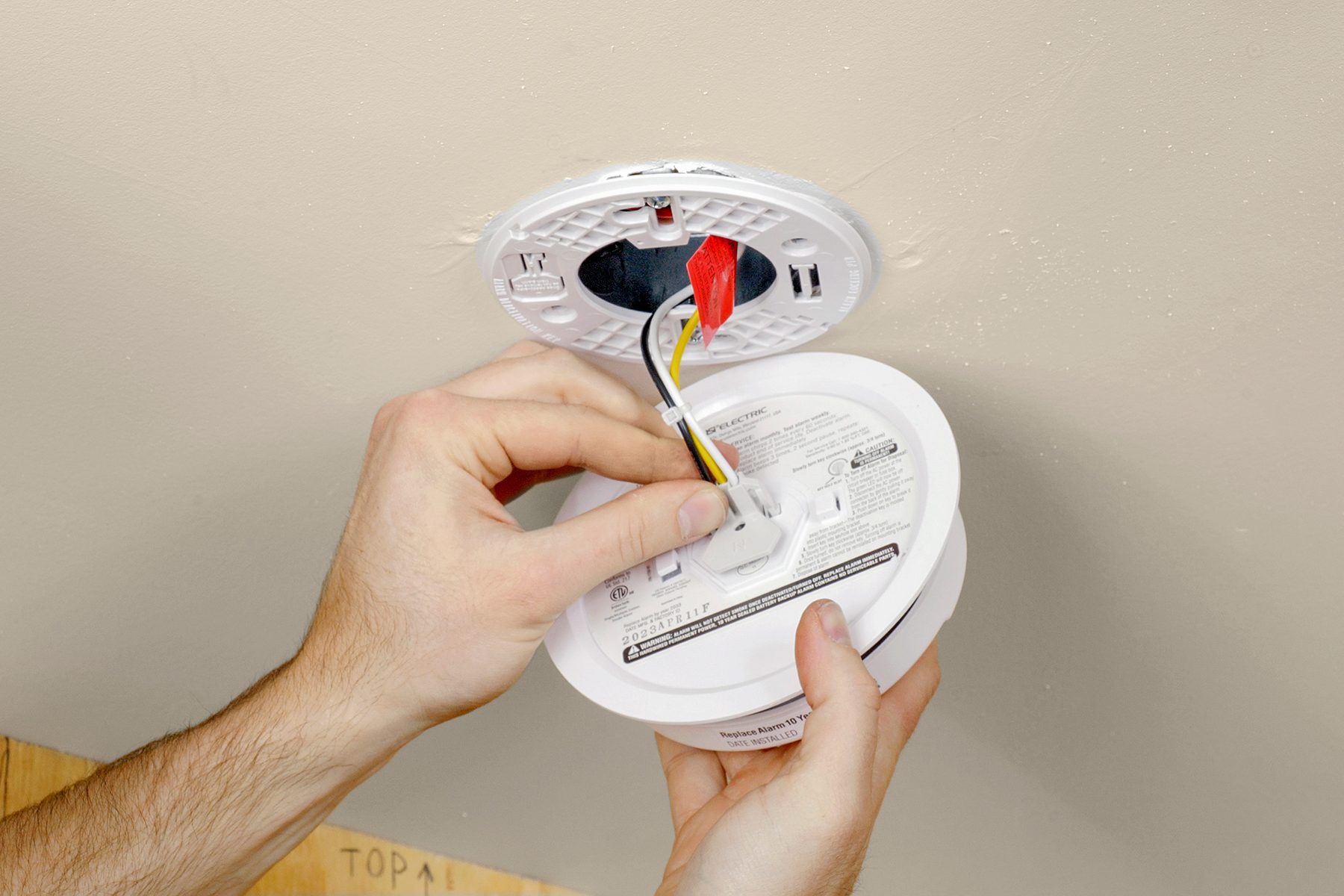
Connect the wires from your home to the new detector’s terminals. Match the wire colors carefully: black to black, white to white, and the red or yellow wire if present. Use wire nuts to twist wires together tightly. Wrap electrical tape around wire nuts for extra safety. Double-check connections to avoid loose wires that cause malfunctions.
Credit: www.familyhandyman.com
Restore Power And Test
After unplugging your hardwired smoke detector, restoring power is vital. This step ensures the device works correctly and keeps your home safe. Testing the smoke detector confirms it can alert you during emergencies. Follow these simple steps to restore power and test the unit properly.
Turn Circuit Breaker On
Locate the main electrical panel in your home. Find the circuit breaker linked to your smoke detector. Flip the breaker switch to the ON position. This action restores electricity to the detector. Wait a few seconds for the power to stabilize. Never skip this step to avoid false alarms or device failure.
Check Detector Functionality
Press the test button on the smoke detector. Hold it for a few seconds until you hear a loud beep. The sound means the detector is working properly. If no sound comes, check the power connection again. Consider replacing the detector if it still does not respond. Testing guarantees your safety and peace of mind.

Credit: www.youtube.com
Frequently Asked Questions
How Do I Safely Unplug A Hardwired Smoke Detector?
First, turn off the power at the circuit breaker. Remove the detector from its mounting bracket. Then, gently disconnect the wiring harness to unplug the detector safely.
Can I Remove A Hardwired Smoke Detector Without An Electrician?
Yes, if you turn off the power first. Carefully detach the detector from the bracket and unplug the wiring harness. If unsure, consult a professional for safety.
Why Is It Important To Turn Off Power Before Unplugging?
Turning off power prevents electrical shock and damage. It ensures safety while handling the wiring and smoke detector components.
What Tools Are Needed To Unplug A Hardwired Smoke Detector?
Typically, you need a screwdriver and possibly a ladder. A voltage tester is helpful to confirm power is off before unplugging.
Conclusion
Unplugging a hardwired smoke detector is simple with the right steps. Always turn off the power before starting. Gently remove the detector from its base. Disconnect the wiring carefully to avoid damage. Remember to test your system afterward. Safety matters most when handling electrical devices.
Following these tips helps keep your home safe and your detector working well. Stay cautious and take your time. This task is manageable for anyone with basic tools. Keep your home protected by maintaining your smoke detectors regularly.