
You rely on your smoke detector to keep you and your loved ones safe every day. But how can you be sure it’s actually working when it counts?
A smoke detector that doesn’t function properly can put your home and family at serious risk. You’ll discover simple and effective ways to check your smoke detector’s health. By the end, you’ll know exactly what to do to keep your home protected and your mind at ease.
Don’t leave safety to chance—read on to make sure your smoke detector is ready to alert you when you need it most.
Credit: www.jbsa.mil
Types Of Smoke Detectors
Smoke detectors are important for home safety. They warn you about fire early. Different types of smoke detectors work in different ways. Knowing these types helps you pick the right one. It also helps you understand if your detector is working properly.
Ionization Smoke Alarms
Ionization smoke alarms detect small smoke particles. They work well with fast, flaming fires. These alarms use a small amount of radioactive material. It helps sense smoke by changing an electric current. They beep loudly when smoke is near. Test them regularly to make sure they work.
Photoelectric Smoke Alarms
Photoelectric alarms detect larger smoke particles. They are good for slow, smoldering fires. These alarms use a light beam inside the sensor. Smoke blocks the light and triggers the alarm. They often have less false alarms from cooking. Check the battery and test the alarm once a month.
Dual-sensor Smoke Detectors
Dual-sensor detectors combine ionization and photoelectric technology. They detect both fast flames and slow smoke. This type offers better all-around protection. They can sense many kinds of fires early. Test these alarms often to keep your home safe.

Credit: www.wikihow.com
Signs Of A Working Smoke Detector
Knowing if a smoke detector works is very important for safety. Smoke detectors save lives by warning about fire early. Signs of a working smoke detector help you trust it is ready. These signs are easy to notice and check.
Regular Beeping Patterns
A working smoke detector beeps in clear patterns. It usually gives a short beep every minute or so. This beep shows the battery is okay. If the beeps stop, the detector might have a problem.
Some smoke detectors beep fast when the battery is low. These beeps are different from the normal ones. They warn you to change the battery soon.
Visual Indicator Lights
Most smoke detectors have a small light that blinks. This light shows the device is on and working. A steady or slow blinking light is a good sign. No light or a fast blinking one can mean trouble.
Check the light often to be sure the detector is active. This simple step helps keep your home safe.
Response To Test Buttons
Every smoke detector has a test button. Pressing this button makes the alarm sound loudly. This test checks the detector’s function and battery strength. If the alarm sounds, it means the detector works well.
No sound means the detector needs attention or replacement. Testing monthly is a smart habit for safety.
Testing Your Smoke Detector
Testing your smoke detector is key to keeping your home safe. It tells you if the device can alert you during a fire. Regular checks help find problems early and fix them fast. Below are simple ways to test your smoke detector.
Using The Test Button
Most smoke detectors have a test button. Press and hold it for a few seconds. The alarm should sound loud and clear. If you don’t hear the alarm, replace the batteries or the unit. This test ensures the electronics and sound are working well.
Using Smoke Simulation
Smoke simulation tests if the sensor detects real smoke. Light a match and blow it out near the detector. The smoke should trigger the alarm within seconds. Be careful not to burn anything or cause damage. This method checks if the sensor is still sensitive.
Frequency Of Testing
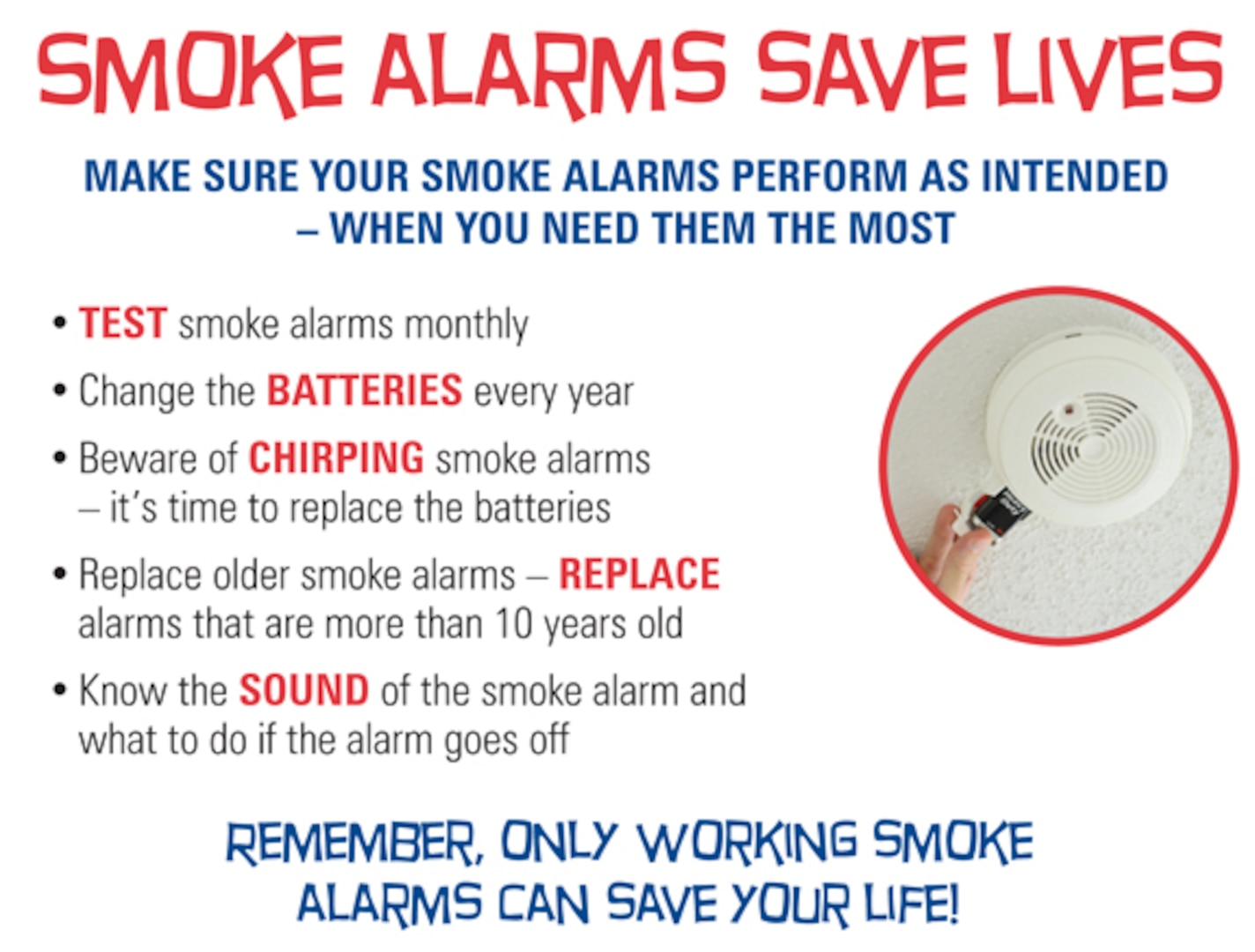
Test your smoke detector every month. Regular tests catch issues before they become dangerous. Change batteries at least once a year. Replace the whole smoke detector every 10 years for best safety. Staying consistent keeps your home protected.
Credit: support.firstalert.com
Maintaining Smoke Detectors
Maintaining smoke detectors is vital for home safety. Proper care ensures they work when needed. Regular checks prevent failures and false alarms. Simple steps keep your detectors ready to protect your family. This section covers essential maintenance tips to follow.
Battery Replacement Tips
Change batteries at least once a year. Use fresh batteries from a reliable brand. Test the detector after replacing the battery. Replace batteries immediately if the low-battery warning sounds. Keep spare batteries nearby for quick changes.
Cleaning And Dusting
Dust and dirt can block the sensor. Clean detectors every six months with a soft brush. Use a vacuum cleaner to remove dust gently. Avoid using water or cleaning sprays on the unit. Keep vents and openings clear for proper function.
When To Replace The Unit
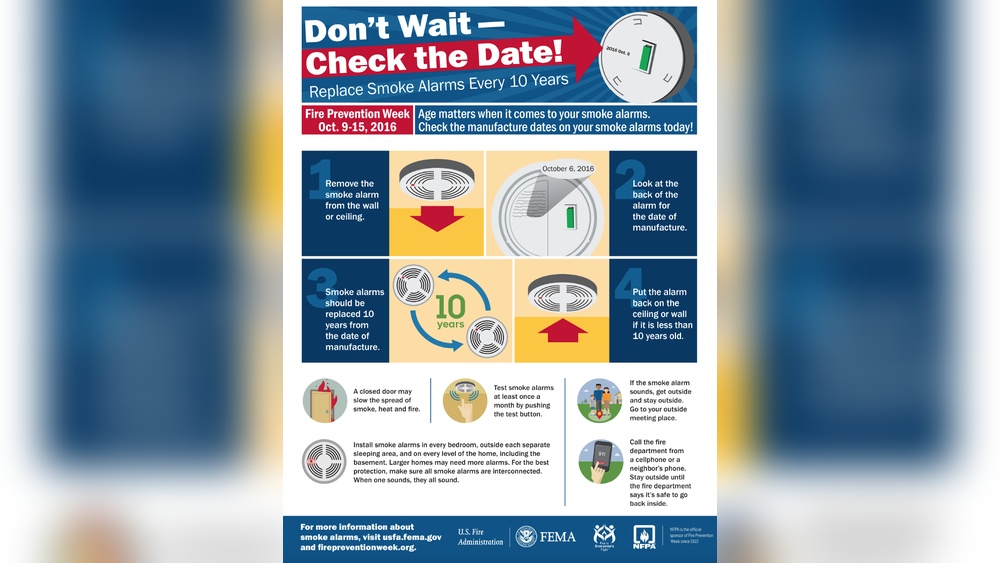
Smoke detectors do not last forever. Replace the entire unit every 10 years. Check the manufacturing date on the back of the detector. Replace immediately if the alarm fails tests repeatedly. New units ensure reliable smoke detection and safety.
Common Issues And Troubleshooting
Smoke detectors keep homes safe by alerting us to fire dangers. Sometimes, they show issues that need fixing. Knowing these common problems helps keep your detector working well.
Troubleshooting helps find the cause of problems fast. It saves time and ensures your detector alerts you properly. Let’s explore the frequent issues and how to solve them.
False Alarms Causes
Smoke detectors may sound without real smoke. Cooking steam often triggers false alarms. Dust inside the sensor also causes alerts. Strong chemicals or sprays nearby can set it off. Moving the detector away from kitchens helps reduce false alarms.
Intermittent Beeping Solutions
Beeping sounds can mean low batteries. Replace batteries every six months to avoid this. Sometimes, dirt blocks the sensor, causing beeps. Clean the detector gently with a soft brush. Check the battery contacts for rust or dirt. Reset the detector after battery change to stop the beeping.
Sensor Malfunctions
Sensors can wear out over time. Age over 10 years may cause failure. Dust build-up inside sensors stops them from working. Test detectors monthly to check sensor health. Replace the entire unit if it fails tests. Using quality detectors lowers the chance of sensor issues.
Safety Best Practices
Safety is the top priority when using smoke detectors. Proper use can save lives and reduce fire damage. Follow best practices to keep your home safe and your smoke detectors working well.
Proper Placement Of Detectors
Place smoke detectors on every level of your home. Install them inside bedrooms and outside sleeping areas. Avoid placing detectors near windows, doors, or vents. These spots may cause false alarms or prevent the alarm from sounding. Keep detectors at least 10 feet from cooking appliances to reduce false alarms.
Connecting Multiple Units
Interconnect smoke detectors for better safety. When one detector senses smoke, all connected alarms sound. This alerts everyone in the house quickly. Use wired or wireless models that support interconnection. Test all units regularly to confirm they work together.
Emergency Response Planning
Create a clear escape plan for your family. Practice it twice a year to ensure everyone knows what to do. Identify two ways out of every room. Choose a safe meeting spot outside the home. Teach children how to respond when alarms sound. Keep emergency numbers handy for quick calls.
Frequently Asked Questions
How Often Should I Test My Smoke Detector?
Test your smoke detector monthly to ensure it functions properly. Press the test button until you hear a loud alarm. Regular testing helps detect issues early and keeps your home safe from fire hazards.
What Are The Signs A Smoke Detector Is Working?
A working smoke detector emits a loud beep when tested. Its indicator light should flash periodically. If it responds quickly to smoke or the test button, it is functioning correctly.
How Do I Know If The Smoke Detector Battery Is Low?
A low battery causes the smoke detector to beep intermittently. The alarm usually chirps every minute or so. Replace the battery immediately to maintain effective fire protection.
Can I Trust Smoke Detectors Without A Test Button?
Smoke detectors without test buttons may be harder to verify. Use smoke sources like burnt toast or smoke aerosol sprays to check sensitivity. However, detectors with test buttons offer easier and safer testing options.
Conclusion
A working smoke detector keeps your home safe every day. Test it monthly to be sure it sounds loud and clear. Change batteries at least once a year or when it beeps. Clean dust and dirt from the detector to avoid false alarms.
Replace old units every 10 years for best protection. Simple checks save lives and give peace of mind. Don’t wait until it’s too late—stay alert and prepared. Your safety depends on a working smoke detector.