
Is your towel rack radiator not warming up properly? You might be dealing with trapped air inside it.
Learning how to bleed a towel rack radiator is easier than you think, and it can make a big difference in your comfort and energy bills. In this guide, you’ll discover simple steps to get your radiator working efficiently again.
Keep reading, and you’ll have warm, cozy towels in no time.
Credit: www.bestheating.com
Signs Your Radiator Needs Bleeding
Knowing when your towel rack radiator needs bleeding can save energy and improve heat. Air trapped inside stops hot water from flowing properly. This causes your radiator to work less efficiently. Watch for clear signs that bleeding is needed. These signs help you fix the problem fast and keep your home warm.
Cold Spots On The Radiator
Cold spots show where air blocks the heat. You may feel warm at the bottom but cold near the top. This uneven heat means air is trapped inside. Bleeding lets the air out and warms the whole radiator again.
Gurgling Noises
Strange gurgling sounds come from trapped air moving inside. This noise is a clear sign your radiator needs bleeding. Removing the air stops the noise and improves heating.
Uneven Heating
Uneven heating means some parts of the radiator stay cold. The warm water cannot flow freely because of air pockets. Bleeding helps spread heat evenly and makes the room cozy.

Credit: www.totalplumbingfl.com
Tools Required
Before starting to bleed a towel rack radiator, gather the right tools. Having these items ready makes the task easier and safer. Each tool has a specific role in the process. Prepare them to avoid interruptions and save time.
Bleed Key Or Flathead Screwdriver
A bleed key is the main tool used to open the radiator valve. It fits perfectly into the valve’s square or slot-shaped head. If you don’t have a bleed key, a flathead screwdriver will work. Choose the right size to avoid damaging the valve.
Cloth Or Small Container
Air and a little water come out during bleeding. Use a cloth to catch drips and protect the floor. A small container can also collect water. This keeps your space clean and prevents slipping.
Radiator Valve
The radiator valve controls the water flow and air release. Locate it at the top or side of the towel rack radiator. Understanding its position helps you open and close it correctly. This ensures safe and effective bleeding.
Safety Precautions
Safety is the first step before bleeding a towel rack radiator. It protects you and your home from damage. Follow these simple precautions to work safely and avoid accidents.
Taking time to prepare makes the process easier and safer. A careful approach prevents injuries and water damage.
Turn Off The Heating System
Always switch off your heating system before starting. This stops hot water from flowing inside the radiator. It also prevents the boiler from turning on while you work. Turning off the heating keeps the radiator safe to touch.
Let The Radiator Cool Down
Wait for the radiator to cool before bleeding it. Hot radiators can burn your hands and skin. Cooling down reduces the risk of accidents. A cool radiator also stops hot water from spraying out suddenly.
Protect Surrounding Areas
Place a cloth or bowl under the radiator valve. This catches any water that leaks during bleeding. Protect walls and floors from water damage. Cover nearby furniture to avoid stains or rust marks.
Steps To Bleed A Towel Rack Radiator
Bleeding a towel rack radiator is a simple task that helps improve heating efficiency. Air trapped inside stops the radiator from warming properly. This guide breaks the process into easy steps. Follow these to get warm towels and a cozy bathroom.
Locate The Bleed Valve
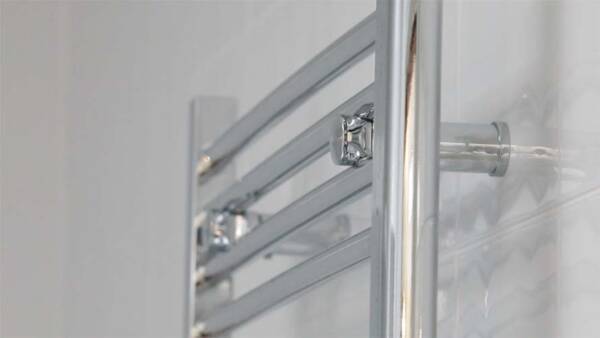
Find the bleed valve on the radiator. It usually sits at the top corner. The valve is small and square or round. Look for a tiny hole or a slot for a key.
Insert The Bleed Key
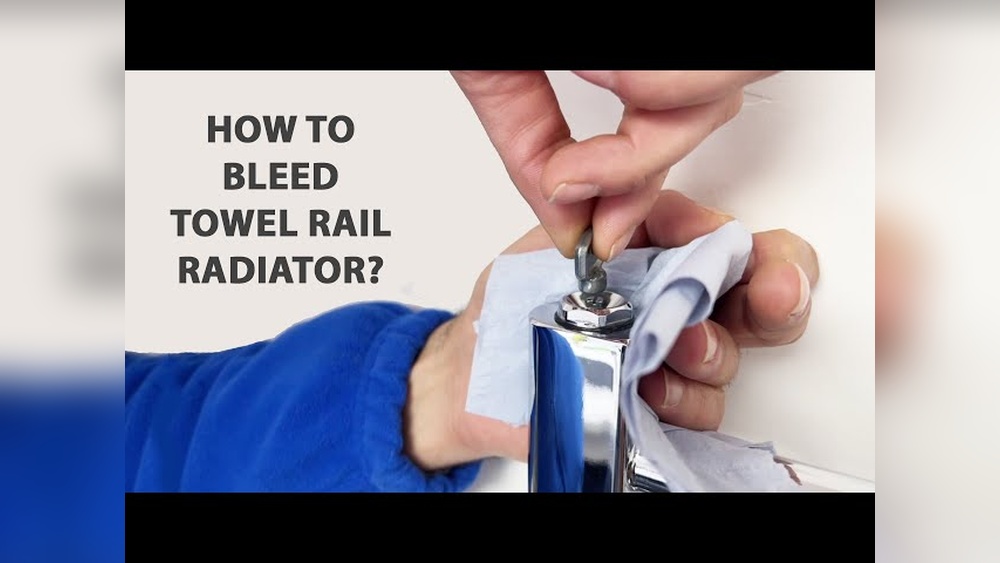
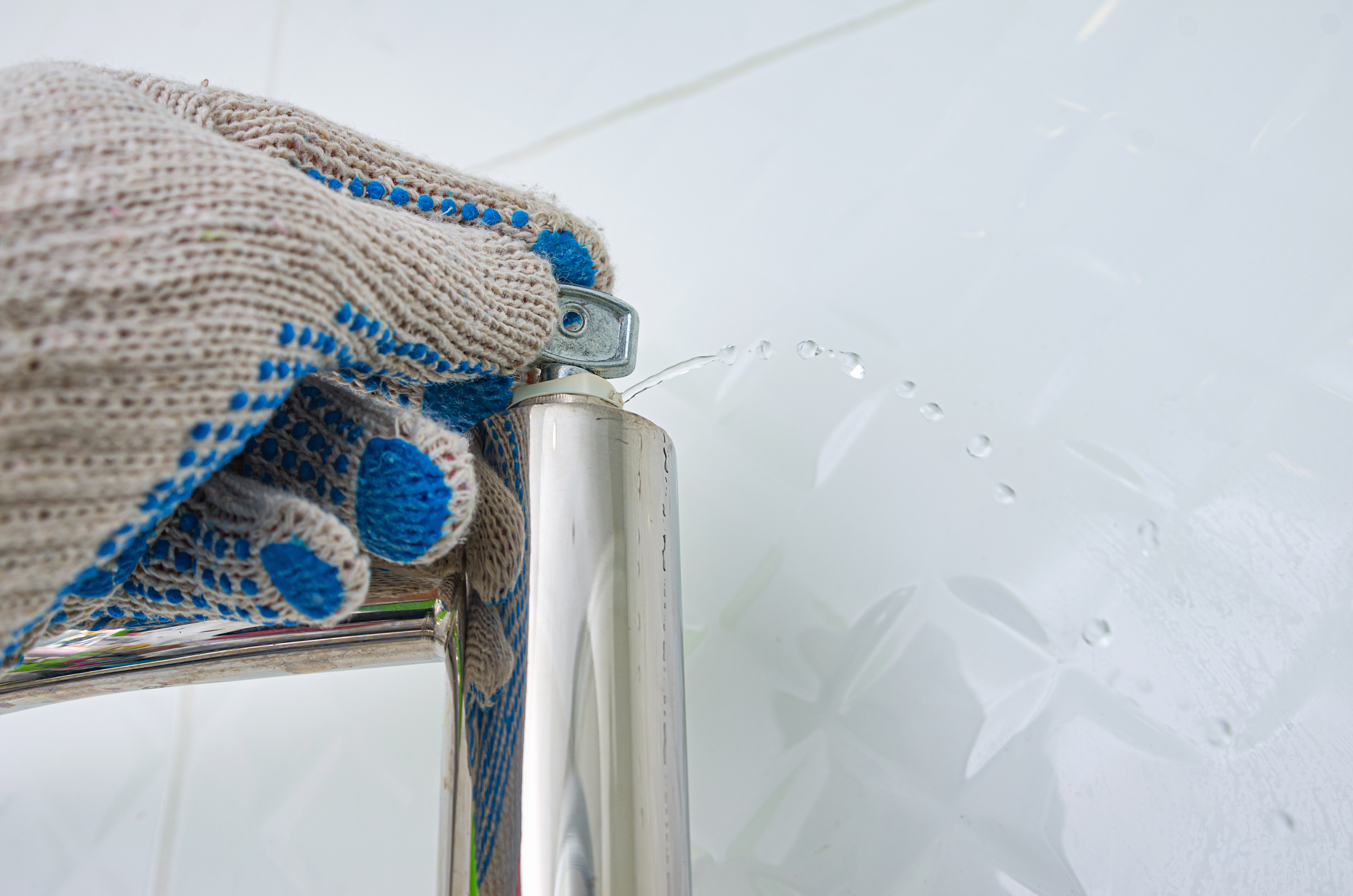
Use a bleed key or flat screwdriver. Insert it firmly into the valve. Hold a cloth or small container below. This catches any water that may drip out.
Open The Valve Slowly
Turn the key or screwdriver a quarter turn. Open the valve gently to avoid splashing. You will hear a hissing sound. This means the air is escaping.
Release Air Until Water Appears
Keep the valve open until water flows steadily. Air will stop escaping. Water marks the end of the bleeding process. Close the valve quickly to prevent leaks.
Close The Valve Securely
Turn the valve back to its original position. Make sure it is tight but do not over-tighten. Wipe away any spilled water. Your radiator will now heat evenly.
After Bleeding The Radiator
After bleeding your towel rack radiator, take a few important steps. These ensure the radiator works well and your heating system stays safe. Follow these simple checks to finish the job properly.
Check The Boiler Pressure
Look at the pressure gauge on your boiler. It should be between 1 and 2 bar. Low pressure can stop the heating from working right. If the pressure is too low, your boiler may not heat the water enough.
Top Up The System If Needed
Add water to the heating system if the pressure is low. Use the filling loop on your boiler to do this safely. Fill slowly and watch the pressure gauge. Stop when it reaches the right level.
Turn The Heating Back On
Switch your heating back on once you finish topping up. Let the system warm up fully. The radiator should heat evenly from top to bottom. This means the air is out and water flows well.
Monitor The Radiator’s Performance
Check your towel radiator over the next few days. Make sure it stays warm and there are no cold spots. Listen for strange noises like banging or gurgling. These can mean more air needs bleeding out.
Common Issues And Troubleshooting
Bleeding a towel rack radiator is usually simple. Sometimes, problems happen. Knowing common issues helps fix them fast. Troubleshooting saves time and keeps your home warm. Below are frequent problems and how to solve them.
Radiator Still Cold After Bleeding
The radiator may stay cold despite bleeding. Air might be trapped deep inside. Try bleeding the radiator again, slowly and carefully. Check if the valve is fully open. Sometimes, sludge blocks the water flow. Flushing the radiator can clear the blockage. If cold spots remain, call a professional.
Valve Stuck Or Difficult To Turn
A stuck valve stops bleeding. Use a pair of pliers gently to turn it. Avoid forcing the valve to prevent damage. Applying a little lubricant can help loosen it. If the valve is broken, it must be replaced. Use the right tools for safety and ease.
Continuous Loss Of Pressure
Pressure drops after bleeding signal leaks or system issues. Inspect all radiator connections for water leaks. Tighten loose fittings carefully. If leaks continue, seals or valves might need replacement. Check the boiler pressure and refill if low. Persistent pressure loss requires a heating engineer’s help.
Maintenance Tips For Radiators
Maintaining your towel rack radiator is key for its long life and good heating. Simple care steps help avoid problems and keep it working well. Regular checks and cleaning make a big difference in performance. Follow these tips to keep your radiator in top shape.
Regular Bleeding Schedule
Air can get trapped inside your radiator. This stops it from heating properly. Bleed your radiator every few months to remove air. Use a radiator key to open the valve slowly. Close it once water starts to flow. This keeps heat moving evenly through the towel rack.
Inspect For Leaks
Check your radiator for water leaks regularly. Look around valves and joints for wet spots or drips. Early leak detection prevents water damage and costly repairs. Tighten loose valves gently if you see a drip. Call a professional if the leak continues.
Keep Radiator Clean
Dust and dirt reduce your radiator’s efficiency. Clean the towel rack with a soft cloth weekly. Avoid harsh chemicals that can damage the paint. Vacuum behind the radiator to remove hidden dust. Clean radiators heat better and save energy.
Credit: www.esseg.eu
Frequently Asked Questions
How Do You Know When To Bleed A Towel Rack Radiator?
You should bleed your towel rack radiator if it feels cold at the top but warm at the bottom. This indicates trapped air inside, reducing heating efficiency. Regular bleeding ensures consistent heat distribution and optimal performance.
What Tools Are Needed To Bleed A Towel Rack Radiator?
To bleed a towel rack radiator, you need a radiator key, a cloth or small bowl to catch water, and possibly pliers. These tools help release trapped air safely without causing spills or damage.
How Often Should You Bleed A Towel Rack Radiator?
Bleed your towel rack radiator at least once a year, preferably before winter. Frequent bleeding ensures efficient heating and prevents cold spots caused by trapped air. More frequent bleeding may be necessary if you notice uneven heating.
Can Bleeding A Towel Rack Radiator Cause Leaks?
If done carefully, bleeding a towel rack radiator should not cause leaks. Use the correct key and gently open the valve to release air. Close the valve tightly after bleeding to prevent water from escaping.
Conclusion
Bleeding a towel rack radiator keeps it warm and working well. Air trapped inside stops heat from spreading evenly. Follow the steps carefully to avoid leaks or damage. Regular bleeding can save energy and lower bills. Don’t wait for cold spots to appear.
A quick bleed helps your home stay cozy. Keep your radiator in good shape with simple care. Easy to do, and worth the effort every time.