
Have you ever wondered what makes your ionization smoke detector start beeping when there’s smoke in your home? Understanding how this small device works can help you feel safer and more in control.
Your ionization smoke detector is a powerful guardian that can spot invisible threats before they turn into danger. You’ll discover the simple science behind its operation and learn why it’s so important for your safety. Keep reading to unlock the secrets of how your smoke detector keeps you protected every day.

Credit: www.x-sense.com
Basics Of Ionization Smoke Detectors
Ionization smoke detectors are a common type of fire alarm found in many homes. They work by sensing small particles that smoke produces. These detectors are very sensitive and can quickly alert you to a fire. Understanding how they work helps you appreciate their role in safety.
They use a special sensor that reacts to smoke in the air. This sensor relies on a tiny amount of radioactive material. This material helps detect smoke particles fast and accurately. Let’s explore how these parts work together.
How Ionization Sensors Detect Smoke
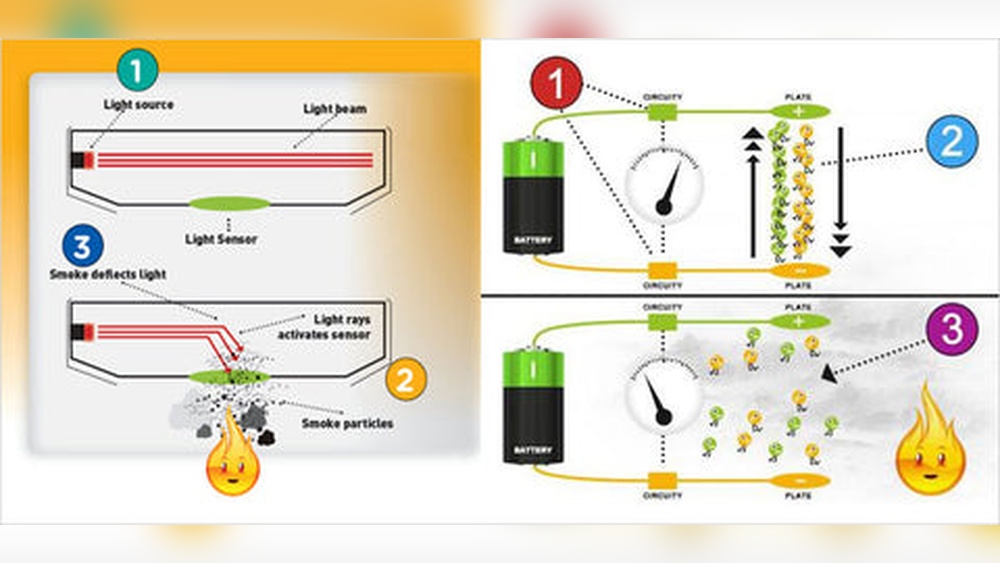
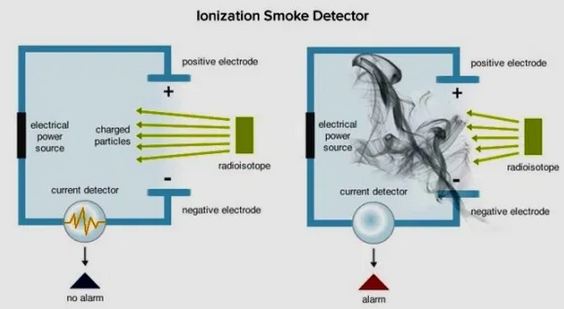
Inside the detector, there is a small chamber with two plates. These plates create an electric current using ionized air particles. When smoke enters this chamber, it disrupts the current. The detector senses this change and sounds the alarm.
Role Of Radioactive Material
The sensor contains a tiny amount of americium-241, a radioactive element. It releases charged particles that ionize air molecules. This ionization allows current to flow between the plates. Smoke particles block these ions and reduce the current. This drop triggers the alarm signal.
Comparison With Photoelectric Detectors
Ionization detectors respond quickly to small, fast-burning fires. Photoelectric detectors detect larger smoke particles from smoldering fires. Both types serve different fire detection needs. Many homes use both for better protection.
Key Components Inside The Detector
Understanding the key components inside an ionization smoke detector helps explain how it detects smoke. These parts work together to sense smoke particles quickly. Each component has a specific role in alerting you to danger.
Ionization Chamber
The ionization chamber is the heart of the smoke detector. It contains a small amount of radioactive material. This material ionizes the air, creating a small electric current. When smoke enters the chamber, it disrupts this current. The change triggers the alarm system to react.
Sensor Circuitry
Sensor circuitry monitors the electric current in the ionization chamber. It detects any drop in the current caused by smoke particles. The circuitry processes this signal and decides if it should activate the alarm. This part ensures the detector responds only to real smoke threats.
Alarm Mechanism
The alarm mechanism produces a loud sound to warn you. It activates once the sensor circuitry signals the presence of smoke. This sound alerts people to evacuate or check for fire. The alarm is designed to be loud and clear for safety.
Step-by-step Detection Process
The step-by-step detection process of an ionization smoke detector reveals how it senses danger quickly. This type of detector uses a small amount of radioactive material to detect smoke. The process happens inside the device, where electrical current changes signal the presence of smoke particles. Understanding this process helps you know how the alarm protects your home.
Ionization And Current Flow
Inside the detector, a tiny radioactive source ionizes the air. Ionization means the air molecules lose or gain electrons. This creates ions that carry electric current between two plates. The current flows steadily under normal conditions. This steady flow signals that the air is clear of smoke.
Smoke Particle Disruption
Smoke particles enter the ionization chamber when a fire starts. These particles attach to the ions. This stops the ions from moving freely. The electric current drops quickly as a result. The detector senses this change in current. This drop is the key sign of smoke presence.
Triggering The Alarm
The drop in current activates the detector’s alarm system. The device sends a loud sound to warn people nearby. This sound alerts everyone to evacuate or check for fire. The alarm keeps sounding until the air clears or the battery dies. This quick reaction can save lives by giving early warning.
Benefits And Limitations
Ionization smoke detectors offer key benefits but also have some limits. Knowing both helps you choose the right alarm for safety. These detectors work best in certain conditions but may struggle in others. Understanding their strengths and weaknesses is important for effective fire detection.
Advantages In Early Fire Detection
Ionization smoke detectors quickly sense fast-flaming fires. They detect small smoke particles from burning materials early. This early warning helps people escape dangerous situations. These alarms react faster to sudden fires than other types. They provide crucial seconds that save lives and property.
Sensitivity To Different Smoke Types
Ionization detectors respond well to smoke with tiny particles. They excel at spotting smoke from flaming fires. These alarms may miss slow, smoldering fires that produce larger particles. Smoke from burning plastics or foam might not trigger them quickly. Knowing this helps in placing the right detector in the right spot.
Common False Alarm Triggers
Ionization detectors can react to non-fire particles. Cooking smoke often sets them off falsely. Steam from showers or humid air may cause alarms too. Dust buildup inside the detector can trigger false alarms. Regular cleaning and proper placement reduce these unwanted alerts.
Maintenance Tips For Reliability
Keeping your ionization smoke detector working well is key for safety. Regular maintenance helps the device spot smoke early. It also stops false alarms and ensures long life.
Simple care steps keep your smoke detector ready to alert you. Follow these tips to maintain its reliability.
Regular Testing Procedures
Test your smoke detector at least once a month. Press the test button until you hear the alarm sound. This confirms the alarm and battery are working. If no sound comes, check the battery or replace the unit.
Battery Replacement Guidelines
Change the batteries every six months or as soon as you hear a low-battery beep. Use fresh batteries recommended by the manufacturer. Removing old batteries prevents corrosion and device failure.
Cleaning And Care
Dust and dirt can block the sensor and reduce sensitivity. Clean the detector with a soft brush or vacuum every few months. Avoid using water or cleaning sprays on the device. Keep the detector away from paint and steam sources.
Credit: robruark.com
Safety And Regulatory Standards
Safety and regulatory standards ensure ionization smoke detectors work reliably. These standards protect homes and businesses from fire risks. They also help manufacturers meet quality and safety rules. Understanding these rules helps users trust their smoke alarms.
Certification Requirements
Ionization smoke detectors must meet strict certification rules. Organizations like UL test these devices for safety. Certified detectors pass electrical and fire safety checks. Certification marks show the device is safe and effective. Always choose detectors with proper certification.
Proper Installation Practices
Correct installation is crucial for smoke detector performance. Install detectors on ceilings or high walls, away from drafts. Avoid placing them near kitchens or bathrooms to reduce false alarms. Follow manufacturer instructions for best results. Proper placement ensures quick smoke detection.
Disposal Of Radioactive Components
Ionization detectors contain a small amount of radioactive material. This material requires careful disposal to protect the environment. Many communities have special disposal programs for these devices. Never throw detectors in regular trash. Check local rules to dispose of them safely.
Choosing The Right Smoke Detector
Choosing the right smoke detector is important for home safety. Different types of smoke detectors work best in different situations. Knowing the differences helps you pick the right one. This guide explains key points to consider.
Ionization Vs. Photoelectric
Ionization smoke detectors sense fast, flaming fires. They detect tiny smoke particles from flames. Photoelectric detectors spot slow, smoldering fires. They react to larger smoke particles. Each type has strengths and weaknesses. Use ionization detectors near kitchens and bathrooms. Photoelectric models work well in living rooms and bedrooms. For better safety, consider both types.
Combination Models
Combination smoke detectors include both ionization and photoelectric sensors. They provide broader fire detection coverage. These models alert you to both flaming and smoldering fires. They reduce chances of missed alarms. Combination detectors often come with extra features. Many have built-in carbon monoxide sensors. They offer more protection in one device. This option suits most homes and families.
Placement Recommendations
Install smoke detectors on every level of your home. Place one inside and outside each bedroom. Avoid kitchens and bathrooms to reduce false alarms. Mount detectors on ceilings or high on walls. Keep them at least 10 feet from cooking appliances. Test detectors monthly to ensure they work well. Replace batteries yearly or as needed. Proper placement ensures early fire detection.

Credit: www.epa.gov
Frequently Asked Questions
How Does An Ionization Smoke Detector Detect Smoke?
An ionization smoke detector senses smoke by using a small amount of radioactive material. It ionizes air particles, creating a current. Smoke disrupts this current, triggering the alarm immediately, making it highly effective for fast-flaming fires.
What Makes Ionization Detectors Different From Photoelectric Ones?
Ionization detectors react quickly to fast, flaming fires by detecting smoke particles in the air. Photoelectric detectors are better for smoldering fires. Each type uses different technology, so ionization detectors are ideal for rapid fire detection in certain environments.
Are Ionization Smoke Detectors Safe To Use At Home?
Yes, ionization smoke detectors are safe for home use. The radioactive source inside is minimal and sealed. It poses no health risk when handled properly. Regular maintenance ensures they function correctly and provide reliable fire alerts.
Why Is Regular Testing Important For Ionization Detectors?
Regular testing ensures ionization detectors work properly and detect smoke early. It helps identify battery issues or malfunctions. Testing monthly keeps your home safe and your alarm ready to warn you during a fire emergency.
Conclusion
An ionization smoke detector senses smoke using a small electric current. It detects tiny particles from fast, flaming fires. The device quickly sounds an alarm to warn you. Regularly testing your detector keeps it working well. Replace batteries at least once a year.
Knowing how it works helps you stay safe. Smoke detectors save lives every day. Don’t ignore their importance in your home. Safety starts with simple tools like this. Stay alert and protect your family.