
How many smoke detectors do you really need to keep your home safe? It’s a question that might seem simple but has a big impact on your family’s safety.
Too few detectors can leave you vulnerable, while too many might feel overwhelming or costly. You’ll discover the right number of smoke detectors for your home, where to place them, and why it matters more than you think. Keep reading to make sure your home is protected the smart way.
Smoke Detector Basics
Smoke detectors save lives by warning you early about fire. Understanding their basics helps you choose the right number for your home. Knowing types and how they work makes a big difference in safety.
Types Of Smoke Detectors
There are mainly two types of smoke detectors: ionization and photoelectric. Ionization detectors sense small smoke particles from fast fires. Photoelectric detectors detect larger smoke particles from slow, smoldering fires. Some models combine both types for better protection. Choose detectors based on the fire risk in different areas of your home.
How Smoke Detectors Work
Smoke detectors use sensors to detect smoke particles in the air. Ionization detectors have a small amount of radioactive material that senses smoke by changes in electrical current. Photoelectric detectors use a light beam that changes when smoke enters the sensing chamber. Both types trigger an alarm to alert you quickly. Testing your detectors regularly ensures they work properly.
Recommended Number Of Smoke Detectors
Knowing the recommended number of smoke detectors helps keep your home safe. Smoke detectors save lives by warning you early about fires. Placing the right number in the right spots is very important. The number depends on your home’s size and layout. Follow basic rules to cover all key areas.
Guidelines By Room
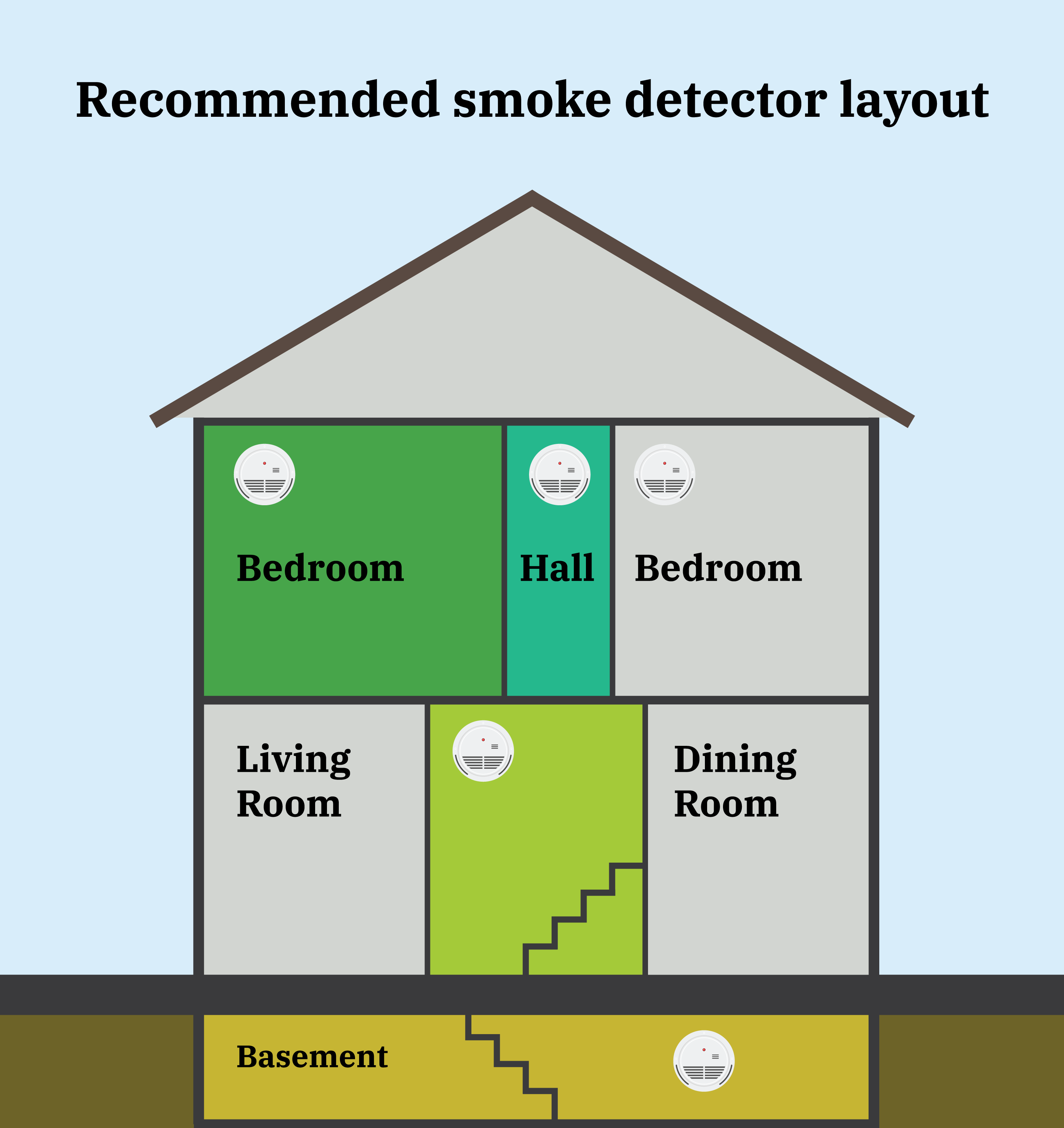
Install a smoke detector inside every bedroom. Put one outside each sleeping area. Place detectors in living rooms and dens. Kitchens need a smoke alarm, but not too close to avoid false alarms. Basements also require a smoke detector near the stairs. Hallways and large rooms benefit from extra units. This setup ensures early alerts no matter where a fire starts.
Smoke Detectors Per Floor
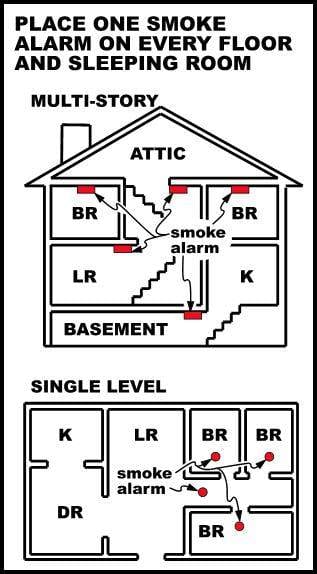
Every floor of your home needs smoke detectors. At least one smoke alarm should be on each level. This includes the basement and attic if you use them. Check that alarms are on the ceiling or high on walls. Multiple alarms per floor improve safety in bigger homes. This layered approach helps protect all living spaces clearly and quickly.
Placement Tips
Proper smoke detector placement is crucial for home safety. Correct spots help detect smoke early. Poor placement can cause missed alarms or false alerts. Follow these tips to place detectors effectively and keep your home secure.
Ideal Locations
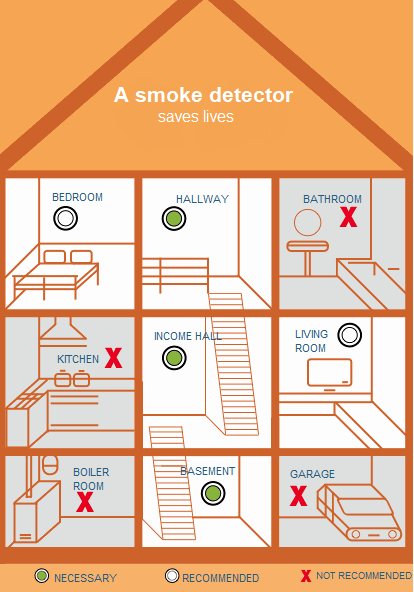
Install smoke detectors inside every bedroom. Place one outside each sleeping area. Install detectors on every level of the house. Include the basement and attic if used. Mount detectors on the ceiling or high on walls. Keep them at least 10 feet from cooking appliances. This ensures early smoke detection and quick alerts.
Avoiding False Alarms
Keep smoke detectors away from bathrooms. Steam can trigger false alarms often. Avoid placing detectors near windows or vents. Drafts may blow smoke away or cause false alerts. Do not install detectors too close to kitchens. Use special heat alarms in cooking areas instead. Clean detectors regularly to prevent dust buildup. This reduces unwanted alarms and keeps detectors working well.
Credit: support.firediscounter.be
Special Considerations
Smoke detectors save lives by giving early fire warnings. Some homes need special care when deciding how many smoke alarms to install. Size, building type, and age affect your smoke detector needs. These special cases need more thought and planning.
For Larger Homes
Larger homes need more smoke detectors than small houses. Every floor should have alarms. Place detectors in hallways and near bedrooms. Big rooms may need extra alarms for full coverage. This helps catch smoke anywhere in the house fast.
For Apartments And Condos
Apartments often have building-wide smoke alarms, but you still need your own. Install detectors inside your unit, near sleeping areas. Check if your building requires interconnected alarms. Interconnected alarms alert everyone in the home at once.
For Older Buildings
Older buildings might have wiring or layout challenges. Battery-powered smoke alarms are best for these homes. Check for places where smoke detectors can be installed safely. Update old alarms to meet current safety standards. This protects you despite the building’s age.
Maintenance And Testing
Maintaining smoke detectors is key to home safety. Testing and upkeep keep the devices ready to alert you. Regular care helps avoid false alarms and device failure. It also extends the life of your smoke detectors. Simple steps can make a big difference.
Routine Checks
Test each smoke detector every month. Press the test button until the alarm sounds. If no sound, replace the battery or unit. Clear dust and debris with a soft brush. Keep vents and sensors free from blockage. Check for any physical damage or corrosion.
Replacing Batteries And Units
Change batteries at least once a year. Use fresh batteries for reliable performance. Consider replacing units every 10 years. Old detectors may not work well. Mark replacement dates on the device. Stay proactive to ensure safety at all times.
Credit: money.com
Additional Safety Devices
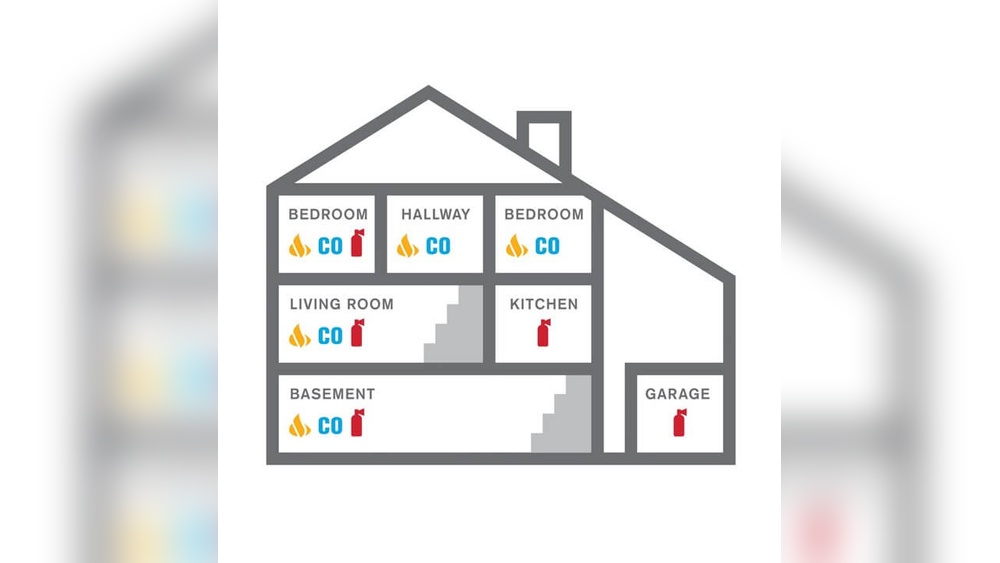
Smoke detectors are essential, but they are not the only safety devices needed at home. Other devices help protect your family from different dangers. These extra tools work alongside smoke detectors to keep your home safe.
Carbon Monoxide Detectors
Carbon monoxide is a deadly gas you cannot see or smell. It comes from gas heaters, stoves, or cars running in closed spaces. Carbon monoxide detectors warn you if this gas is in your home. Place them near bedrooms and fuel-burning appliances. These detectors save lives by alerting you before the gas reaches dangerous levels.
Combination Alarms
Combination alarms detect both smoke and carbon monoxide. They offer two protections in one device. These alarms reduce the number of devices you need. Place combination alarms in central areas of your home. They provide clear warnings for both fire and gas risks. Using combination alarms can simplify your home safety plan.
Credit: georgebrazilplumbingelectrical.com
Frequently Asked Questions
How Many Smoke Detectors Are Needed Per Floor?
At least one smoke detector is required on every floor, including basements and attics. This ensures early fire detection regardless of location. For larger floors, multiple detectors provide better coverage and safety.
Where Should Smoke Detectors Be Installed In A House?
Install smoke detectors inside each bedroom, outside sleeping areas, and on every level of the home. Avoid kitchens to prevent false alarms. Proper placement maximizes safety and early fire warnings.
How Often Should Smoke Detectors Be Replaced?
Smoke detectors should be replaced every 10 years. Over time, sensors lose sensitivity, reducing effectiveness. Regular replacement ensures reliable fire detection and compliance with safety standards.
Can One Smoke Detector Cover Multiple Rooms?
One smoke detector typically covers a single room or hallway. Multiple detectors are needed for adequate coverage in larger or multi-room areas. This approach enhances safety and early fire alerts.
Conclusion
Knowing how many smoke detectors you need keeps your home safe. Place one inside every bedroom and outside each sleeping area. Also, install detectors on every floor, including basements. Test them monthly and change batteries yearly. Remember, a few extra smoke detectors can save lives.
Safety starts with simple steps like these. Protect your family with the right number of detectors today. Easy and smart.