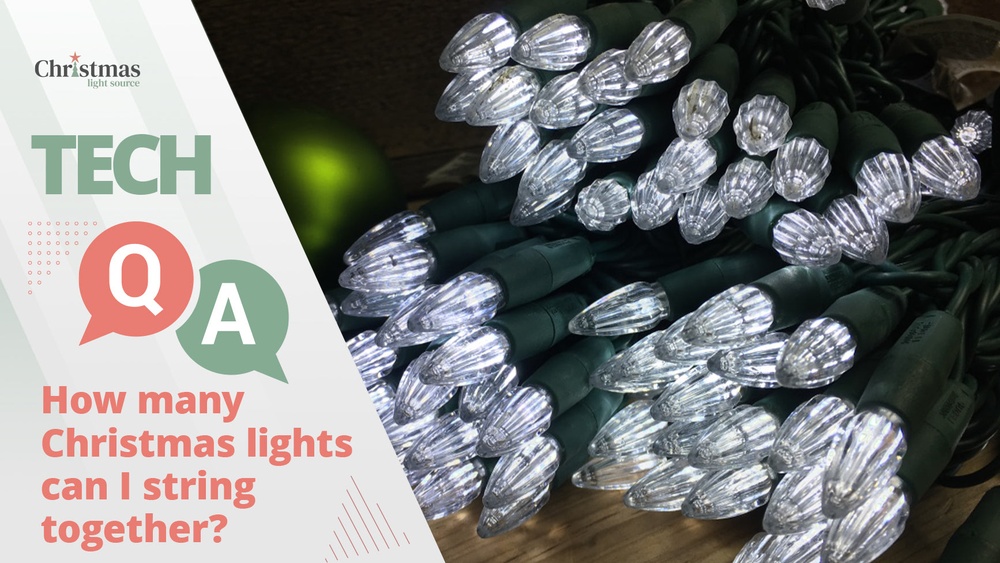

Are you planning to brighten up your space with LED string lights but unsure how many you can safely connect together? Knowing the right number to string is key to making your lights shine brightly without risking damage or power issues.
You’ll discover simple guidelines to help you link your LED light strings confidently. Keep reading to find out how to get the perfect glow while keeping everything safe and efficient. Your next lighting project is about to become much easier!

Credit: www.christmas-light-source.com
Types Of Led String Lights
LED string lights come in many types. Each type suits different needs and places. Knowing these types helps you choose the right lights. It also guides how many strings you can connect safely.
Different kinds have different power needs and wire sizes. These affect how long you can link them without problems. Understanding these details keeps your lights bright and safe.
Indoor Vs Outdoor Lights
Indoor LED string lights are made for dry places. They are lighter and often less protected. Outdoor lights have strong covers and waterproof design. They handle rain, wind, and cold weather. Using outdoor lights inside is safe, but indoor lights outside can break fast.
Battery Operated Vs Plug-in
Battery-operated lights work without cords. They are easy to move and place anywhere. But batteries run out, so they need frequent changes. Plug-in lights need a power socket. They stay on longer and shine brighter. Plug-in strings can connect more sets safely than battery ones.
Different Wire Gauges
Wire gauge means the thickness of the wire inside the lights. Thicker wires carry more power and connect longer strings. Thin wires are good for small sets and short use. Using thin wires for many strings can cause overheating. Always check wire gauge for safe string length.
Power Limits And Safety
Understanding power limits is key to safely stringing LED lights together. Exceeding these limits can cause damage or fire risks. Safety should always come first when connecting multiple LED strings.
Maximum Wattage Per String
Each LED string has a maximum wattage rating. This rating tells you the total power it can handle safely. Connecting too many strings can exceed this limit. Always check the wattage on the product label. Do not go beyond the recommended wattage.
Voltage And Current Considerations
LED strings run on specific voltage and current levels. Too much current can cause wires to heat up. Voltage drops occur if strings are too long. This can make lights dim or flicker. Use power supplies that match the LED string’s voltage needs. Avoid mixing different brands or types of strings.
Preventing Overheating
Overheating is a common risk with LED strings. It can happen if too many strings draw power from one outlet. Keep strings spaced properly to allow heat to escape. Turn off lights when not in use to reduce heat buildup. Use certified LED lights with safety features to prevent overheating.
Manufacturer Recommendations
Manufacturer recommendations guide how many LED string lights you can safely connect. These guidelines help avoid electrical issues and ensure the lights work properly. Following them keeps your decorations bright and safe.
Reading The Product Specs
Check the packaging or manual for the maximum number of strings to connect. This number depends on the wire thickness and power supply. Look for phrases like “maximum strings in series” or “max connect.” It tells you the safe limit.
Common Guidelines
Many LED strings allow 3 to 5 strings to be linked. Some high-quality brands support more, up to 10 or 20. Overconnecting can cause dim lights or blown bulbs. Stay within the recommended number to avoid problems.
When To Contact Support
If the product specs are unclear or missing, ask the manufacturer. Contact support for advice on your specific lights and setup. They can provide the safest number of strings to connect and other tips.
Connecting Multiple Strings
Connecting multiple LED string lights allows for larger displays and better coverage. It is important to do this safely and correctly. Overloading circuits or poor connections can cause lights to fail or create hazards. Understanding how to join strings and manage power helps ensure your setup works well.
Here are key points about connecting multiple LED strings together.
Series Vs Parallel Connections
LED strings can be connected in two ways: series or parallel. In series, lights share the same current, but voltage adds up. This can cause dimming or failure if too many strings connect. Parallel connections keep voltage steady but increase current. Most LED strings use parallel wiring to keep brightness consistent and reduce risk.
Using Connectors And Adapters
Connectors and adapters make linking strings easy and safe. Use connectors designed for your LED lights. They fit snugly and prevent loose contacts. Adapters help match different plug types or power sources. Avoid forcing connections or using makeshift adapters. Proper tools improve reliability and protect your lights.
Avoiding Voltage Drop
Voltage drop happens when power weakens over long wire runs. It causes lights at the end to dim or flicker. Use thicker wires or shorter strings to reduce drop. Power strings from both ends if possible. Check the maximum length recommended by the manufacturer. Proper planning keeps lights bright and stable.
Practical Tips For Installation
Installing LED string lights can brighten any space beautifully. Proper installation helps avoid problems and ensures the lights work well. Follow these practical tips for a smooth setup.
Planning Your Layout
Measure the area where you want to hang the lights. Draw a simple sketch to map the light strings. Decide how many strings fit without overloading the power source. Check the length of each string and the total distance to cover. Plan the location of power outlets and extension cords. Allow extra length for connecting strings safely.
Securing The Lights Safely
Use clips or hooks designed for string lights to avoid damage. Avoid nails or staples that can cut wires. Attach lights firmly but gently to prevent sagging. Keep lights away from sharp edges or heat sources. Use outdoor-rated cords and connectors for outside installations. Make sure all connections stay dry and protected from weather.
Testing Before Final Setup
Plug in the lights before hanging them completely. Check each string for any dead bulbs or loose wires. Replace or repair faulty parts right away. Test the entire setup to ensure all lights work together. Turn off the power and unplug before making adjustments. Testing saves time and prevents hazards later.
Credit: www.etsy.com
Troubleshooting Common Issues
Troubleshooting common issues with LED string lights helps keep your decorations bright and safe. Small problems can stop lights from working well. Fixing these issues quickly saves time and avoids bigger troubles. This guide covers simple fixes for common LED string light problems.
Lights Not Turning On
Check the power source first. Ensure the plug fits tightly in the outlet. Try a different outlet to see if power is the issue. Look for a blown fuse in the plug or power adapter. Replace the fuse if needed. Inspect the light string for damaged wires or loose bulbs. Replace any broken bulbs to restore the circuit.
Flickering Or Dim Lights
Flickering lights often mean a loose bulb or connection. Push each bulb gently to ensure it is secure. Clean dirty bulb contacts with a soft cloth. Dim lights may indicate too many strings connected together. Reduce the number of strings linked to avoid overload. Check the power source voltage matches the lights’ requirement.
Replacing Faulty Sections
Some LED strings come with replaceable sections. Identify which part of the string is not working. Detach the faulty section carefully from the rest. Attach a new section following the manufacturer’s instructions. Test the entire string after replacement. Proper replacement keeps your lights bright and safe.

Credit: www.christmaslightsetc.com
Frequently Asked Questions
How Many Led String Lights Can Be Safely Connected?
You can safely connect 3 to 5 LED string lights in series. This depends on the manufacturer’s recommendations and the total wattage. Overloading can cause power issues or damage the lights.
What Limits The Number Of Led Strings Connected?
The power supply capacity and wire gauge limit how many LED strings connect. Exceeding limits risks overheating or short circuits. Always check the maximum load specified by the manufacturer.
Can Led String Lights Be Connected End To End?
Yes, LED string lights can be connected end to end if designed for it. Many strings have connectors for seamless joining. Follow the maximum connection instructions on the product label.
Does Led Wattage Affect How Many Strings Connect?
Yes, higher wattage LEDs reduce the number of strings you can connect. Lower wattage strings allow for more connections. Always calculate total wattage before connecting multiple strings.
Conclusion
Knowing how many LED string lights to connect keeps your setup safe. Too many lights can cause wires to overheat and fail. Always check the manufacturer’s limit before adding more strings. Use proper plugs and avoid overloading outlets to prevent hazards.
Planning your light display carefully helps it shine bright and last long. Keep these tips in mind for a festive and safe decoration. Bright, beautiful lights made easy and worry-free.