
Have you ever heard that annoying beep from your smoke detector and wondered how long it would keep beeping without a battery? That constant sound can be frustrating, especially when you’re not sure what’s causing it or how long it will last.
Understanding why your smoke detector beeps and how long it can keep doing so without power can save you from sleepless nights and unnecessary stress. Keep reading, and you’ll discover exactly what’s happening inside your smoke detector and what steps you should take next.

Credit: inspiredhousewife.com
Smoke Detector Beeping Basics
Smoke detectors are vital for home safety. They alert you to fire or smoke danger. Understanding why smoke detectors beep helps you respond quickly. Beeping can mean different things depending on the cause. Knowing the basics can prevent confusion and keep your home safe.
Common Causes Of Beeping
Beeping often signals low battery power. Dust or dirt inside the detector can also cause beeps. Sometimes, a detector beeps due to a wiring problem. Older detectors may beep as they reach the end of life. Regular checks help find the exact cause of beeping.
Battery Role In Smoke Detectors
Batteries power the smoke detector to work properly. A weak battery triggers a low-battery beep. Without a battery, the detector stops beeping after a short time. Some models beep for a few minutes before going silent. Changing batteries on time ensures the alarm stays active.

Credit: waynealarm.com
Duration Of Beeping Without Battery
Smoke detectors alert you with beeping sounds to warn about battery issues. Understanding how long a smoke detector beeps without a battery helps in timely action. This knowledge ensures your home safety stays intact.
Typical Beeping Timeframe
Most smoke detectors beep for several minutes after the battery dies. Usually, the beeping lasts from 30 seconds to 10 minutes. Some models beep intermittently, pausing for a few seconds before beeping again. This pattern continues until the battery is replaced or the detector is reset.
In many cases, the detector stops beeping after the battery is removed completely. But some units keep beeping if old batteries remain inside. The alarm uses stored energy to sound the alert until power runs out.
Factors Influencing Beep Length
Battery type affects beep duration. Alkaline batteries last longer than zinc-carbon ones. The detector’s age also plays a role. Older models may beep longer due to battery capacity.
Environmental conditions impact beep length. Cold temperatures can reduce battery life, shortening beep time. Frequent testing or false alarms can drain power faster.
Different brands use various beep patterns and lengths. Some alarms beep continuously, while others beep in intervals. Check your smoke detector manual for specific details.
Types Of Smoke Detectors And Beeping Patterns
Smoke detectors come in different types. Each type has a unique way of sensing smoke. Their beeping patterns also vary. Knowing these types helps you understand their alerts better. It also explains how long they beep without a battery.
Ionization Smoke Detectors
Ionization smoke detectors use a small amount of radioactive material. This helps detect fast-flaming fires with small smoke particles. They beep with a loud, sharp sound. The beep repeats every 30 to 60 seconds if the battery is low or missing. This pattern warns you to replace the battery quickly.
Photoelectric Smoke Detectors
Photoelectric detectors work with a light beam inside the unit. Smoke blocks the light, triggering the alarm. These detectors are best for slow, smoldering fires. Their low battery beep is usually a short beep every 30 to 60 seconds. The sound is less sharp but still urgent.
Combination Models
Combination smoke detectors use both ionization and photoelectric sensors. They cover more fire types for better safety. Beeping patterns combine features of both types. The low battery warning is a repeating beep every 30 to 60 seconds. This helps ensure you notice the alert and act fast.
How To Stop The Beeping
The beeping sound from a smoke detector can be annoying and stressful. It often means the battery is low or missing. Stopping the beep is important for peace at home. Here are simple steps to fix the issue quickly.
Replacing The Battery
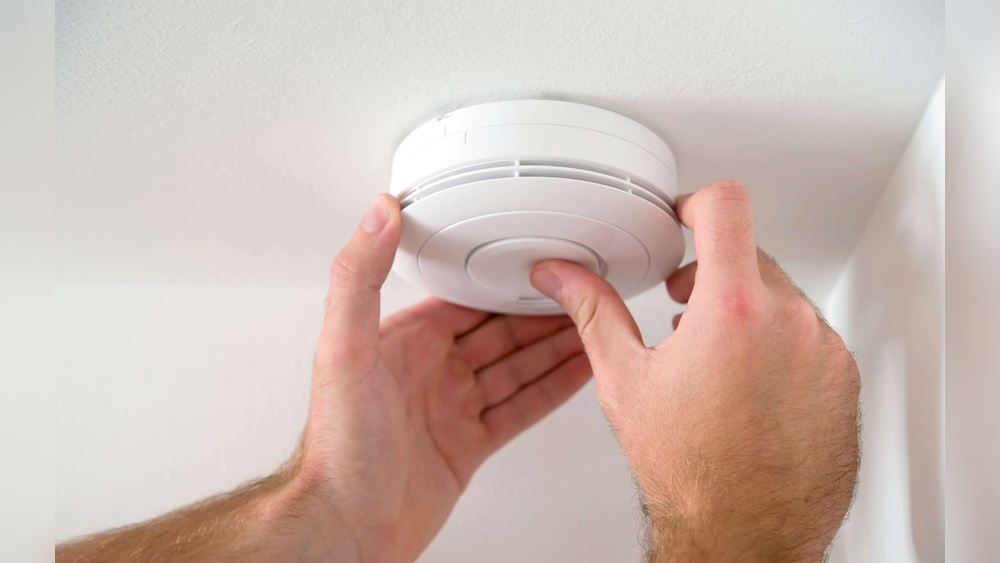
Open the smoke detector’s cover gently. Remove the old battery carefully. Insert a new battery in the right direction. Close the cover firmly. The beeping should stop after a few seconds. Always use the battery type the detector needs.
Resetting The Smoke Detector
Press and hold the test button for 15 seconds. This action resets the detector’s internal settings. It can stop false alarms or continuous beeping. If the beep continues, try removing the battery and pressing the test button again before reinserting it.
When To Replace The Unit
Smoke detectors do not last forever. Replace the unit every 8 to 10 years. If the beeping persists after changing batteries and resetting, the device might be faulty. A new smoke detector ensures your home stays safe and sound.
Safety Considerations
Smoke detectors are vital for home safety. They warn you about fire dangers early. A beeping smoke detector often means a low or missing battery. Knowing how long it beeps without a battery helps you stay alert. Safety should always be the top priority with these devices.
Ignoring a beeping smoke detector can put lives at risk. Understanding its function and maintenance keeps your home safe. Here are some key safety points to remember.
Importance Of Functional Detectors
Smoke detectors save lives by alerting you to smoke or fire. A working detector gives you time to escape. Without a battery, the detector cannot perform its job. Continuous beeping signals a problem you must fix quickly. Never ignore a beeping sound, as it means the device is not fully working.
Functional detectors reduce fire risks in homes and buildings. They are essential in bedrooms and hallways. Every home should have at least one smoke detector on each level. Test detectors monthly to ensure they work properly.
Regular Maintenance Tips
Change smoke detector batteries at least once a year. Replace batteries immediately when the detector starts beeping. Clean the detector regularly to remove dust and debris. Dust can block the sensor and cause false alarms or failure. Use a vacuum or soft brush for cleaning.
Replace smoke detectors every 10 years. Older models may not work well even with new batteries. Keep a schedule for testing and replacing your detectors. Proper maintenance prevents unexpected beeping and ensures safety.

Credit: www.youtube.com
Frequently Asked Questions
How Long Does A Smoke Detector Beep Without A Battery?
A smoke detector typically beeps for several minutes to a few hours without a battery. The exact duration varies by model but usually stops once the internal memory or residual power depletes.
Why Does My Smoke Detector Beep Without Batteries?
Smoke detectors beep without batteries due to residual power or internal capacitor charge. This alert warns users to replace missing or dead batteries promptly.
Can A Smoke Detector Beep Continuously Without A Battery?
Yes, some smoke detectors beep continuously for up to an hour without a battery. This persistent sound signals a critical battery removal or failure.
What Causes A Smoke Detector To Beep Intermittently Without Power?
Intermittent beeping without power often results from low residual charge or sensor faults. It’s a reminder to check and replace batteries immediately.
Conclusion
A smoke detector will beep for several minutes without a battery. This sound warns you that the battery needs replacing soon. Ignoring the beep can leave your home unsafe. Always check your smoke detector regularly. Change batteries at least once a year.
A working smoke detector keeps your family safe. Don’t wait for the beep to stop. Act quickly to ensure protection. Safety starts with a simple battery change. Stay alert and keep your home secure.


