
Teaching your cat to use a pet door can make life easier for both of you. Imagine never having to get up to let your furry friend in or out again.
But how do you get your cat to understand this new skill? You might think it’s tricky or that cats won’t cooperate. The good news is, with the right approach, your cat can learn quickly and confidently. In this guide, you’ll discover simple, effective steps to help your cat master the pet door.
Keep reading, and you’ll be amazed at how smoothly this change can happen for your home and your cat.

Credit: closerpets.co.uk
Choosing The Right Pet Door
Choosing the right pet door is key to teaching your cat how to use it. The right door fits your cat’s size and your home’s style. It also keeps your cat safe and comfortable. Picking a good pet door makes training easier. Here are important points to help you decide.
Types Of Pet Doors
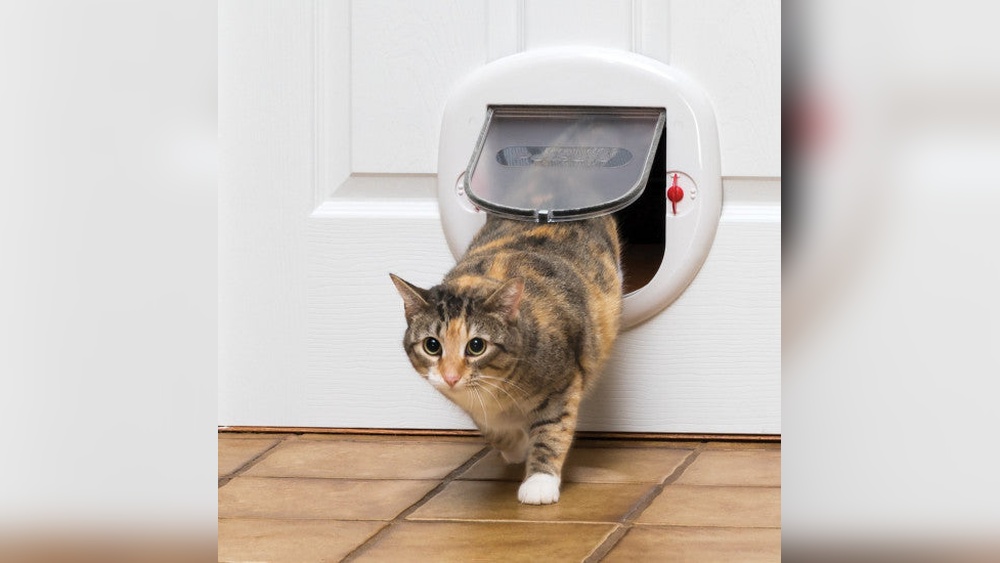
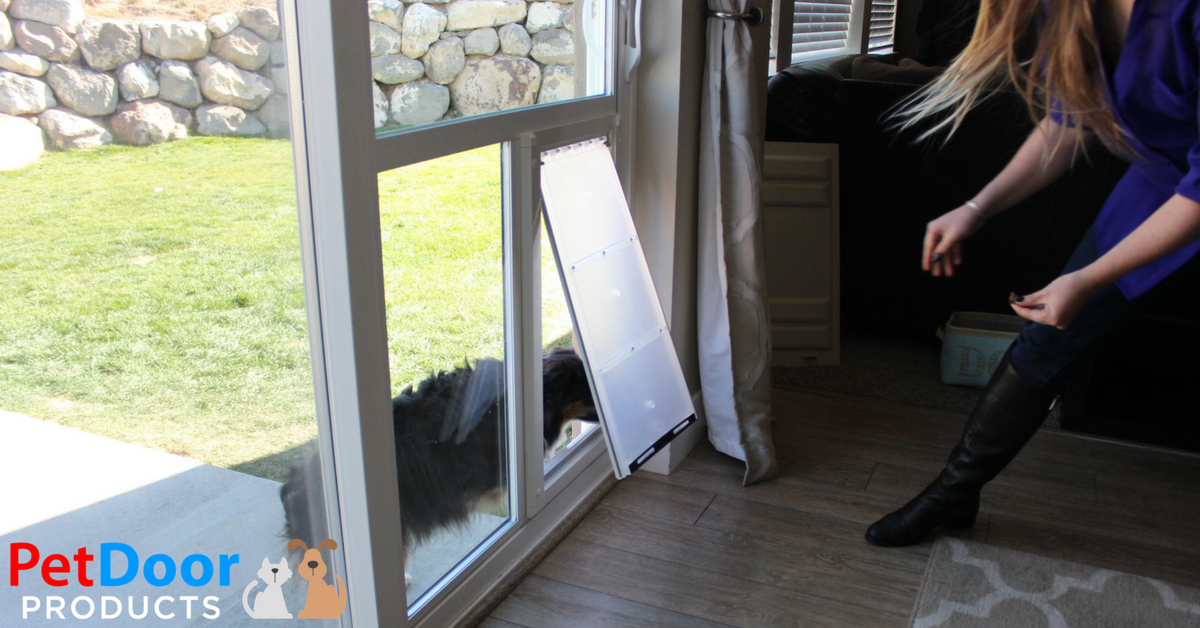
There are several types of pet doors. Manual doors open when your cat pushes them. Electronic doors open with a special collar or microchip. Some doors fit into walls, while others fit into doors or windows. Choose a type that suits your cat’s habits and your home setup.
Size And Placement Tips
Measure your cat before buying a door. The opening should be wide and tall enough for your cat to pass easily. Place the door where your cat feels comfortable. Avoid busy or noisy places. A quiet spot helps your cat learn faster.
Safety Features To Consider
Look for doors with secure locking options. This stops other animals from entering. Check that the door is strong and weatherproof. A good seal keeps out cold air and rain. Soft flaps prevent injury and make the door easy to use.
Credit: petdoorproducts.com
Preparing Your Cat
Preparing your cat to use a pet door is the first important step. Cats need time to understand what the door is and how it works. Patience and calmness help your cat feel safe and ready.
Start by making the pet door a familiar object in your cat’s daily space. This helps reduce confusion and builds curiosity.
Familiarizing With The Door
Let your cat explore the pet door without pressure. Leave it open so your cat can walk through easily. Watch your cat’s reactions closely.
Place the door in a quiet spot where your cat feels comfortable. Touch and play near the door to show it is safe. Cats learn well by watching and smelling.
Using Treats For Motivation
Treats encourage your cat to try the door. Hold a tasty treat on the other side to invite your cat to pass through. Use soft, gentle words to praise your cat.
Reward every small step, like sniffing or pawing the door. This builds confidence and makes learning fun. Treats help your cat connect the door with good things.
Handling Fear And Anxiety
Some cats feel scared or unsure about the new door. Watch for signs like hiding or avoiding the area. Give your cat space and time to adjust.
Speak softly and offer gentle pets to calm your cat. Never force your cat through the door. Patience helps your cat feel safe and ready to try again.
Training Techniques
Training a cat to use a pet door can be simple with the right techniques. Patience and consistency help cats learn new habits. Use gentle steps to guide your cat. Reward good behavior to encourage learning. Training builds trust and makes the process smooth.
Step-by-step Introduction
Start by showing the pet door to your cat. Let them sniff and touch it. Keep the door open at first. Place treats on both sides of the door. This encourages your cat to explore the space. Gradually close the door a little each day. Help your cat push through with gentle encouragement. Repeat these steps until your cat feels comfortable.
Encouraging Through Positive Reinforcement
Give treats when your cat uses the door correctly. Praise your cat with a soft voice. Avoid punishment if your cat is slow to learn. Rewarding good actions makes cats eager to try again. Use small, tasty treats for quick rewards. Positive reinforcement creates a happy learning experience. It strengthens your cat’s confidence and trust in you.
Using Toys And Clicker Training
Use toys to attract your cat to the pet door. Move a favorite toy through the door to spark interest. Clicker training can mark good behavior clearly. Click and give a treat when your cat passes the door. This helps cats understand what you want. Keep training sessions short to hold your cat’s attention. Toys and clicks make learning fun and effective.

Credit: www.petdoors.com
Troubleshooting Common Issues
Teaching a cat to use a pet door can sometimes bring challenges. Cats may show hesitation or face distractions. These issues can slow down training. Understanding common problems helps you guide your cat better. Patience and small adjustments often solve most difficulties.
Reluctance To Use The Door
Some cats may not want to push through the door. The flap might seem strange or scary at first. Try holding the door open and encouraging your cat to pass. Use treats or toys as motivation. Let your cat explore the door at its own pace. Never force your cat through the flap.
Door Noise And Distractions
Pet doors can make noise when swinging or closing. Loud sounds may frighten your cat. Check if the flap swings smoothly and quietly. Adding soft padding can reduce noise. Keep the training area calm and free from loud distractions. A quiet environment helps your cat focus on learning.
Adjusting Training For Older Cats
Older cats may take longer to learn new habits. They can be less curious or more cautious. Break training into short, easy sessions. Use gentle encouragement and soft voices. Repeat steps slowly, allowing time to build trust. Celebrate small successes to keep your cat motivated.
Maintaining The Pet Door
Keeping your cat’s pet door in good shape helps your cat use it easily. Regular care makes the door last longer. It also keeps your home safe and clean. Small efforts can prevent big problems later.
Cleaning And Inspection
Check the pet door often for dirt and debris. Clean the flap and frame with a damp cloth. Remove any mud or hair stuck in the door. Dirt can block the flap and stop it from moving.
Look for cracks or damage on the door. These can let cold air or bugs inside. Fix or replace broken parts quickly. A smooth door helps your cat pass through without trouble.
Ensuring Proper Functionality
Test the pet door regularly to see if it opens easily. The flap should swing freely without sticking. Make sure the locking mechanism works well. Keep the door properly aligned so it closes fully.
If the door is electronic, check batteries and sensors. Replace batteries when they run low. This keeps the door working all the time. A well-functioning door keeps your cat safe and happy.
Seasonal Adjustments
Change the pet door settings with the seasons. In winter, seal gaps to keep cold air out. Use weatherstripping to improve insulation around the door. In summer, open vents if your door has them.
Adjust locks to control your cat’s access during extreme weather. These changes protect your home and your pet. Seasonal care keeps the door comfortable and efficient year-round.
Frequently Asked Questions
How Long Does It Take To Train A Cat On A Pet Door?
Training usually takes one to two weeks. Consistency and positive reinforcement speed up learning. Patience is key for success.
What Treats Help Motivate Cats To Use Pet Doors?
Use your cat’s favorite treats as rewards. Small, tasty treats encourage them to try the door. Avoid overfeeding during training.
Can All Cats Learn To Use A Pet Door?
Most cats can learn, but some may resist. Older or anxious cats might need extra patience. Gradual introduction improves results.
Should The Pet Door Be Locked During Training?
Keep the pet door unlocked initially. This allows your cat to explore freely. Lock it only after confident use.
Conclusion
Teaching a cat to use a pet door takes patience and time. Start slow and encourage your cat with treats. Watch your cat’s progress and stay calm. Each cat learns at its own speed. With care, your cat will enjoy the freedom soon.
This small skill helps your pet feel more independent. Enjoy the quiet moments when your cat comes and goes. Keep practicing, and your cat will get it right. Little steps lead to great success.