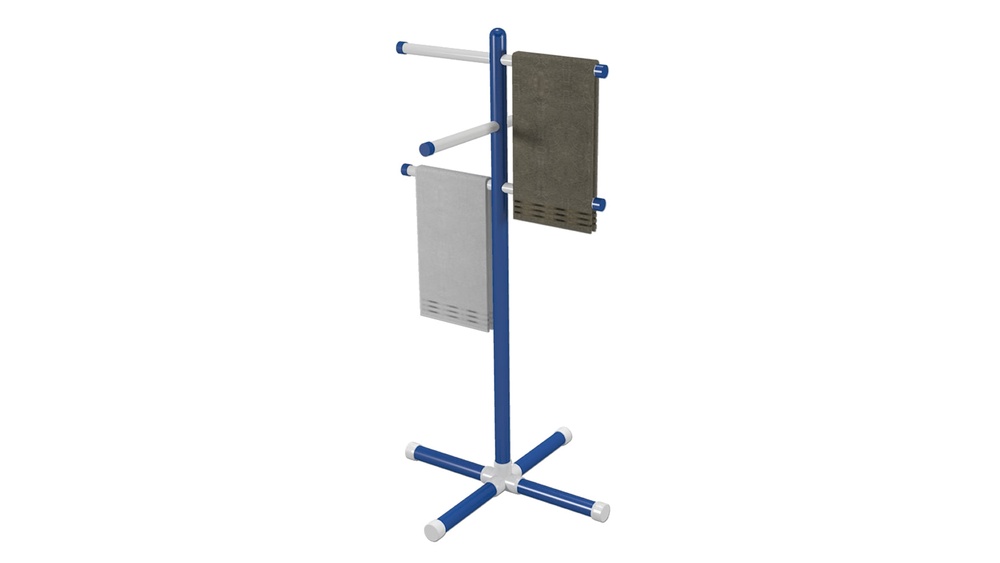

Are you tired of towels cluttering your bathroom or kitchen? Imagine having a simple, sturdy towel rack that you built yourself, tailored exactly to your space and style.
Building a PVC towel rack is easier than you think, and it saves you money while adding a personal touch to your home. In this guide, you’ll discover step-by-step how to create your own towel rack using affordable materials. By the end, you’ll have a practical, stylish solution that keeps your towels organized and within reach.
Ready to transform your space? Let’s get started!
Materials Needed
Building a PVC towel rack starts with gathering the right materials. Having everything ready makes the process smooth and fast. This section lists all essential items for your project. Each part plays a role in creating a strong, functional towel rack.
Pvc Pipes And Fittings
Choose PVC pipes that are sturdy and lightweight. Usually, 1/2 inch or 3/4 inch pipes work well. You will need straight pipes for the frame and curved or angled fittings. Common fittings include elbows, tees, and caps. These help connect pipes into the towel rack shape. Pick fittings that match pipe size for a tight fit.
Tools Required
Prepare tools for cutting and assembling the PVC parts. A handsaw or PVC pipe cutter will cut pipes cleanly. Sandpaper smooths rough edges after cutting. A measuring tape ensures accurate pipe lengths. Use a marker to mark cuts on pipes. A rubber mallet helps fit pieces together without damage.
Additional Supplies
Some extra items improve rack strength and finish. PVC cement bonds pipes firmly for a lasting hold. Cleaning wipes remove dust before gluing. You might want spray paint to color the rack. Towels slide on easily with a smooth surface. Rubber feet or wall mounts help keep the rack stable.
Choosing The Right Design
Choosing the right design for your PVC towel rack is an important step. The design affects how well the rack fits your space and meets your needs. Think about how many towels you want to hang and where you will place the rack. A good design makes your bathroom look neat and organized. It also helps your towels dry faster.
Single Bar Vs Multi-bar
A single bar towel rack is simple and holds one or two towels. It works well in small spaces or for light use. Multi-bar racks have several bars to hang many towels at once. This design is great for families or shared bathrooms. Multi-bar racks allow better air flow between towels, helping them dry quickly.
Wall-mounted Vs Free-standing
Wall-mounted racks save floor space and keep towels within easy reach. They look clean and modern on bathroom walls. Free-standing racks can move anywhere and do not need holes in the wall. They work well if you want to change the rack’s position or if you rent your home. Choose based on your bathroom layout and how permanent you want the rack.
Size And Space Considerations
Measure the space where you want to place the towel rack. Make sure it fits without blocking doors or cabinets. A rack too large can crowd the room. A small rack may not hold enough towels. Think about how many towels you usually use. Match the rack size to your daily needs and bathroom size for best results.
Cutting And Preparing Pvc
Cutting and preparing PVC pipes is a crucial step in building a sturdy towel rack. This process shapes the pipes to fit your design perfectly. Careful cutting ensures strong joints and a neat finish. Proper preparation helps avoid sharp edges and rough surfaces. Follow these simple steps to get ready for assembly.
Measuring And Marking
Measure the PVC pipes carefully with a tape measure. Mark the cutting points clearly using a pencil or marker. Double-check each measurement before cutting. Mark straight lines around the pipe for clean cuts. Accurate marks prevent mistakes and save material.
Safe Cutting Techniques
Use a fine-toothed saw or PVC cutter for best results. Cut slowly and steadily along the marked lines. Hold the pipe firmly to avoid slipping. Wear safety glasses to protect your eyes from debris. Work in a well-lit area to see the marks clearly.
Sanding Edges
After cutting, rough edges can cause injury or poor fit. Smooth all cut ends with fine-grit sandpaper. Sand both inside and outside edges lightly. This step removes burrs and sharp pieces. Smooth edges help pipes fit tightly and look neat.

Credit: www.pvcfittingsonline.com
Assembling The Rack
Assembling the PVC towel rack is the key step to bring your project to life. It requires careful handling and some patience. This part ensures your rack will hold towels firmly and last long. Follow each step closely for a perfect fit and strong joints.
Dry Fitting The Pieces
Start by laying out all the PVC parts on a flat surface. Connect the pipes and fittings without glue. Check each joint to see if parts fit well. This step helps you find any mistakes before gluing. Make adjustments if pieces feel loose or tight. Dry fitting saves time and frustration later.
Applying Pvc Cement
Use PVC cement to join the parts securely. Shake the cement bottle well before use. Apply a thin layer of cement to both the pipe end and inside the fitting. Work quickly but carefully to avoid mess. Avoid using too much cement to prevent weak joints. This glue bonds the PVC parts strongly.
Joining And Securing Parts
After applying cement, push the parts firmly together. Twist slightly to spread the cement evenly. Hold the pieces in place for about 30 seconds. This prevents the parts from moving apart. Repeat for all joints of the towel rack. Let the rack dry fully before use for best strength.
Finishing Touches
Finishing touches make your PVC towel rack both attractive and useful. These small details improve durability and style. They also help the rack fit well in your space. Focus on painting, adding safety features, and mounting.
Painting Options
Painting your PVC rack brightens its look. Use spray paint made for plastic. This paint sticks well and lasts longer. Choose colors that match your bathroom decor. Light colors hide dust better. Dark colors create a bold statement. Always clean the PVC before painting. Let the paint dry fully to avoid smudges.
Adding Non-slip Features
Non-slip features keep towels from sliding off. Wrap rubber bands around the bars. Use silicone grips for extra hold. These materials prevent slipping and protect towels. They also stop the rack from scratching surfaces. Choose simple, easy-to-clean materials. This helps maintain the rack’s neat look.
Mounting The Rack
Mount the towel rack securely for safety. Use wall anchors for heavy towels. Measure space carefully before drilling holes. Keep the rack level to avoid tilting. Screws and brackets provide strong support. Check the rack’s stability after installation. A well-mounted rack lasts longer and works better.
Maintenance Tips
Keeping your PVC towel rack in good shape is key to its long life. Regular care helps avoid damage and keeps it looking fresh. Small checks and quick fixes save time and money later.
Cleaning The Pvc
Use a soft cloth with mild soap and water. Avoid harsh chemicals that can weaken the PVC. Wipe down the rack weekly to remove dust and dirt. Dry it well to stop water spots and mold growth.
Checking For Damage
Look closely at the rack for cracks or breaks. Check the joints and connections for looseness. Catching damage early prevents bigger problems. Replace or fix broken parts quickly to keep the rack strong.
Reinforcing Joints
Apply PVC cement to loose joints to strengthen them. Tighten any screws or fasteners regularly. Adding extra glue or tape helps keep the rack stable. Reinforced joints stop wobbling and extend rack life.
Troubleshooting Common Issues
Troubleshooting is a key step in building a PVC towel rack. Small problems can stop your project. Fixing them early saves time and effort.
Below are common issues and easy ways to solve them. Follow these tips to make your towel rack strong and neat.
Leaks And Gaps
Leaks and gaps happen when PVC pipes do not fit tightly. Use PVC primer and cement to join pipes firmly. Apply glue evenly on pipe ends before connecting. Hold pipes together for 30 seconds to set.
Check each joint after drying. If gaps remain, remove the pipe and apply more cement. Avoid using too much glue. Excess glue can cause messy joints and weak bonds.
Unstable Structure
Unstable racks wobble or fall down easily. Make sure all parts fit well and pipes are cut straight. Use a level tool to keep the rack balanced. Add extra supports or braces at corners if needed.
Secure the rack to the wall with screws or hooks. This stops it from tipping over. Tighten all joints and check stability before use. A strong rack holds towels safely.
Paint Peeling
Paint may peel off if the surface is dirty or wet. Clean PVC pipes with rubbing alcohol before painting. Let pipes dry completely to help paint stick better.
Use spray paint made for plastic. Apply thin, even coats and wait 15 minutes between coats. Avoid painting in cold or humid weather. This helps paint last longer without peeling.

Credit: www.przewozcm.eu

Credit: www.youtube.com
Frequently Asked Questions
What Materials Are Needed To Build A Pvc Towel Rack?
To build a PVC towel rack, you need PVC pipes, connectors, a saw, sandpaper, measuring tape, and adhesive. These materials are affordable and easy to find at hardware stores. Using the right supplies ensures your rack is sturdy and lasts long.
How Do You Cut Pvc Pipes Accurately For Towel Racks?
Measure the desired length and mark the PVC pipe clearly. Use a fine-toothed saw or pipe cutter for straight cuts. Sand the edges smoothly after cutting to prevent roughness. Accurate cutting ensures the rack fits perfectly and looks neat.
Can A Pvc Towel Rack Hold Heavy Towels?
Yes, a well-constructed PVC towel rack can hold heavy towels. Use thicker pipes and strong connectors for added durability. Proper assembly and wall mounting also improve its weight capacity, making it reliable for everyday use.
How Do You Mount A Pvc Towel Rack On The Wall?
Use wall anchors and screws suitable for your wall type. Drill holes through the rack’s mounting points, then secure it firmly. Make sure the rack is level before tightening screws. Proper mounting prevents wobbling and ensures safety.
Conclusion
Building a PVC towel rack is simple and cost-effective. You can customize the size to fit any space. The materials are easy to find and work with. This project saves money compared to store-bought racks. Plus, it adds a personal touch to your bathroom.
Try assembling it step by step, following the guide carefully. Enjoy a neat and organized space with your new rack. DIY projects like this bring satisfaction and practicality together. Give it a try and see how easy it can be!