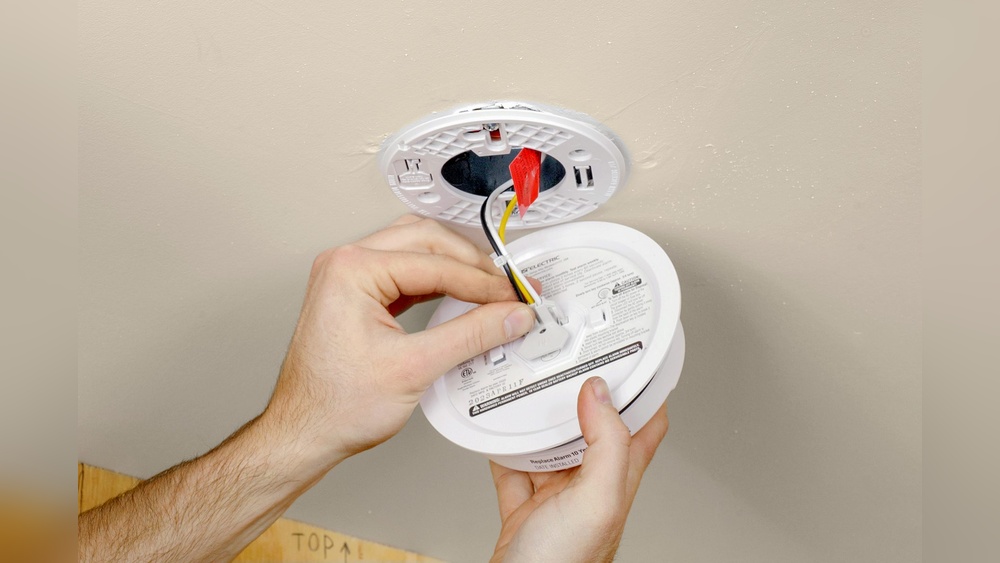

Your smoke detectors are your first line of defense against fire hazards, but are they working properly? If your alarms are old or malfunctioning, replacing them is crucial to keep your home and loved ones safe.
You might think it’s complicated or expensive, but swapping out smoke detectors can be quick, simple, and affordable—if you know the right steps. Keep reading, and you’ll learn exactly how to replace your smoke detectors with confidence, ensuring your home stays protected without any hassle.
Signs To Replace Smoke Detectors
Smoke detectors keep your home safe by alerting you to fire. Knowing when to replace them is very important. Old or faulty detectors may not work properly. This section helps you spot signs that mean it’s time for a new smoke detector.
Age And Expiry
Smoke detectors do not last forever. Most models expire after 10 years. Check the date printed on the back. If it’s older than 10 years, replace it. Using an expired detector puts your safety at risk.
Frequent False Alarms
False alarms happen sometimes. But if your detector sounds off often without reason, it may be faulty. Dust, insects, or low batteries can cause false alarms. Persistent false alarms mean the detector needs replacing.
Physical Damage
Look closely at your smoke detector. Cracks, dents, or broken parts affect its function. Water damage or corrosion also harms it. A damaged smoke detector will not work well. Replace it immediately to stay safe.
Choosing The Right Smoke Detector
Choosing the right smoke detector is important for home safety. The right detector can save lives by warning you early. Different types of smoke detectors suit different needs. Understanding their features helps you pick the best one for your home.
Battery-powered Vs. Hardwired
Battery-powered smoke detectors are easy to install. They work without wiring and can be placed anywhere. Batteries need regular checking and replacement to stay active.
Hardwired smoke detectors connect to your home’s electrical system. They often have a battery backup for power outages. These detectors require professional installation but offer constant power and reliability.
Photoelectric Vs. Ionization
Photoelectric detectors sense smoke from slow, smoldering fires. They respond well to smoky fires and reduce false alarms from cooking.
Ionization detectors react faster to fast, flaming fires. They detect small particles from flames quickly. Both types protect against different fire risks.
Combination Alarms
Combination alarms include both photoelectric and ionization sensors. They provide broad protection against all fire types. These alarms offer the best safety by covering multiple fire scenarios.
Tools Needed For Replacement
Replacing a smoke detector requires a few simple tools. Having the right items makes the job faster and safer. This section covers the essential tools you need for smoke detector replacement.
Basic Tools
Start with a screwdriver, usually a Phillips head. It helps remove the old detector from its base. A ladder or step stool is important for reaching ceiling-mounted detectors. A new smoke detector is, of course, necessary to replace the old one. A small flashlight can help if the area is dark. Keep a pencil or marker handy to note battery expiration dates.
Safety Equipment
Safety is key during replacement. Wear safety goggles to protect your eyes from dust. Use a dust mask if the ceiling is dirty or dusty. Gloves help keep your hands clean and safe from debris. Ensure the ladder is stable and on a flat surface before climbing. Turn off power to hardwired detectors to avoid electric shock.
Credit: www.homedepot.com
Step-by-step Replacement Process
Replacing a smoke detector is important for home safety. Old detectors may not work well. Follow these steps to replace your smoke detector safely and easily. Each step is simple and clear.
Turning Off Power
Start by turning off the power to the smoke detector. Go to your home’s circuit breaker panel. Find the switch that controls the smoke detector’s power. Flip it off. This stops electricity flow and keeps you safe during the replacement.
Removing The Old Detector
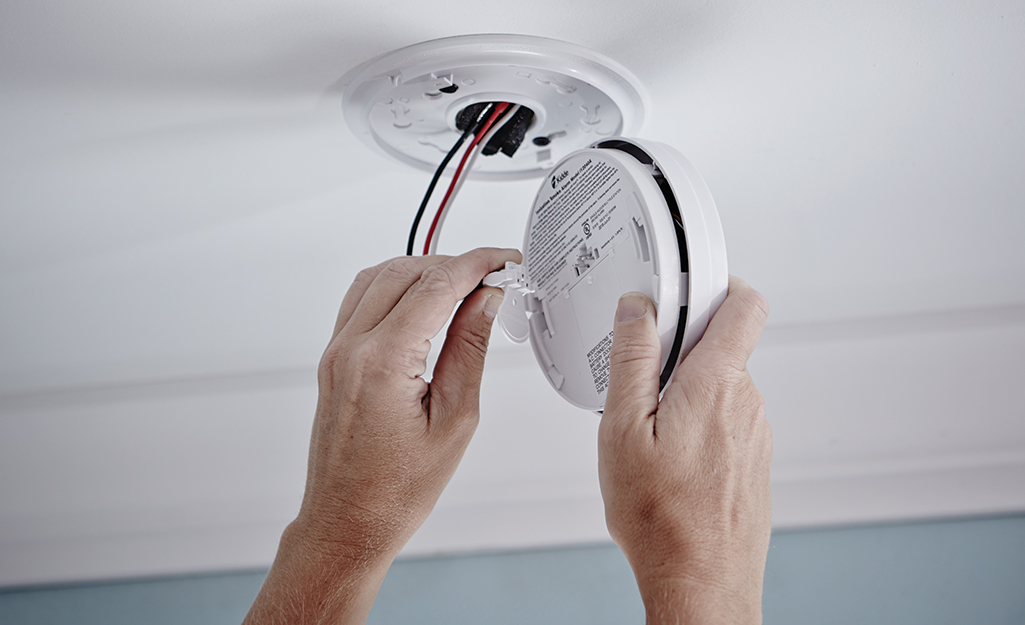
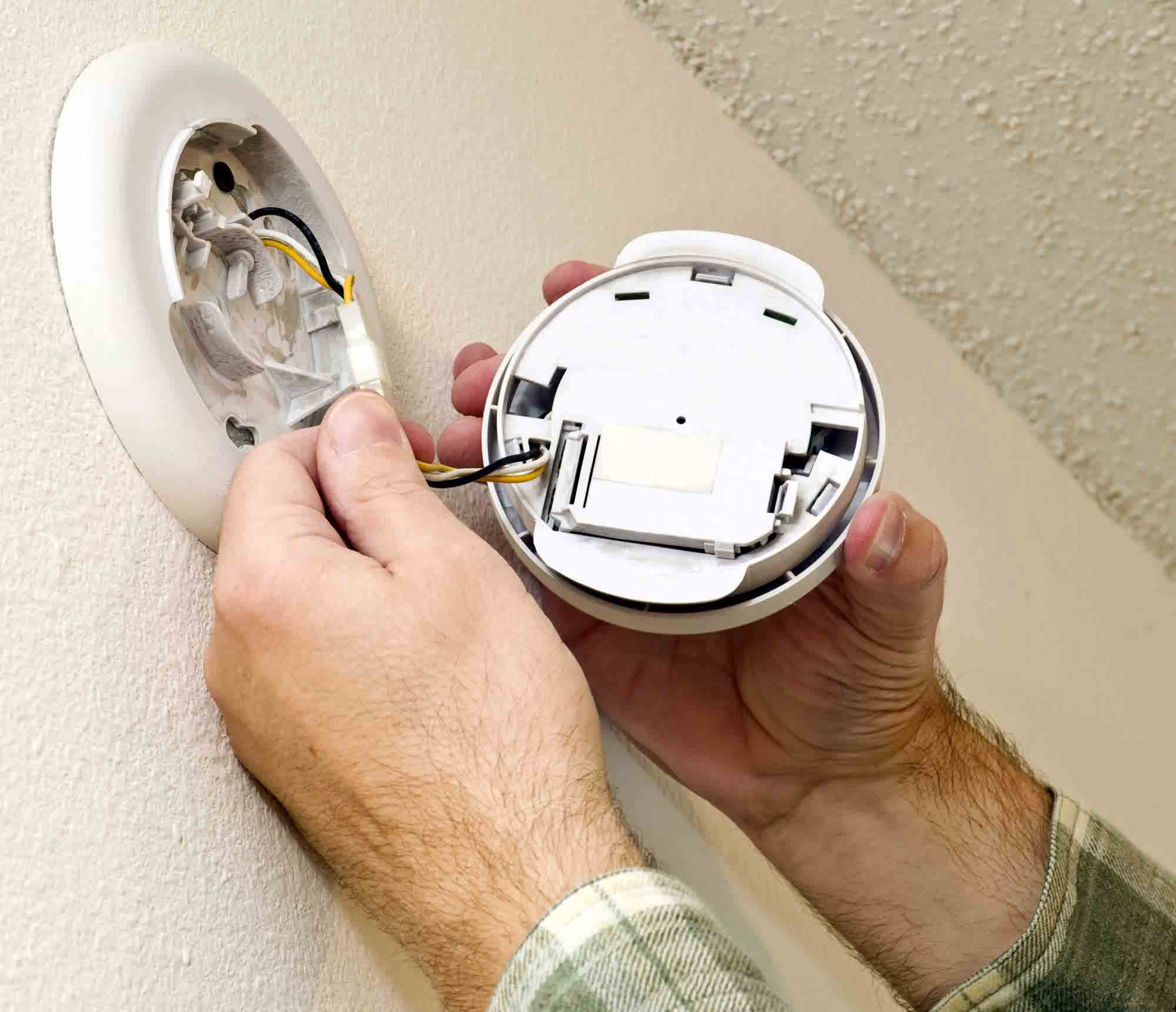
Next, gently remove the old smoke detector. Twist the detector counterclockwise to unlock it from the mounting bracket. If it is hard to turn, check for screws. Remove screws if needed. Carefully disconnect the wires from the back of the detector. Remember how the wires are connected for the new installation.
Installing The New Detector
Take your new smoke detector and connect the wires. Match the wire colors with the old detector. Attach the wires securely using wire nuts. Fix the mounting bracket to the ceiling or wall if it is new. Then, twist the new detector onto the bracket until it locks into place.
Testing The New Alarm
Turn the power back on at the circuit breaker. Press the test button on the new detector. Listen for a loud alarm sound. This confirms the detector works properly. If there is no sound, check the connections or batteries. Replace batteries if needed. Test the alarm regularly to ensure safety.
Maintenance Tips For Longevity
Smoke detectors keep your home safe by warning you of fire early. To ensure they work well for years, proper maintenance is key. Simple steps can help your smoke detectors last longer and stay reliable.
Regular Testing
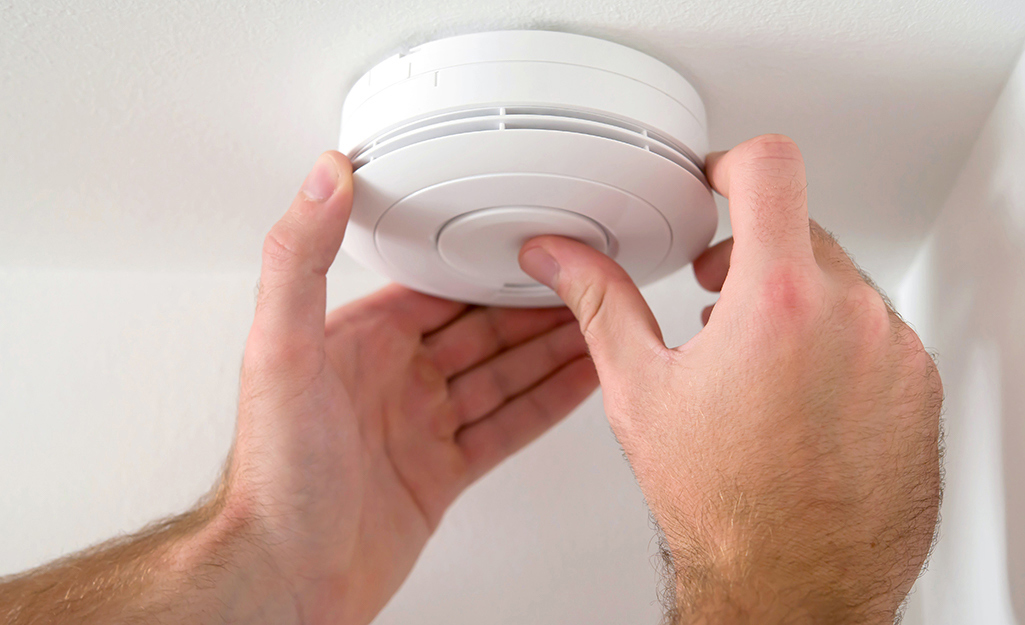
Test your smoke detectors once a month. Press the test button until the alarm sounds loud. This check confirms the device works. If no sound, replace batteries or the unit immediately.
Cleaning Techniques
Dust and dirt can block smoke sensors. Clean your smoke detectors every six months. Use a vacuum cleaner with a soft brush or a dry cloth. Avoid water or cleaning sprays, as they can damage the unit.
Battery Replacement Schedule
Change batteries at least once a year. Some detectors beep when batteries are low. Replace batteries even if the alarm sounds fine. Use fresh, high-quality batteries for best performance.
Credit: www.homedepot.com
Common Mistakes To Avoid
Replacing smoke detectors is simple but mistakes can cause problems. Avoiding these common errors keeps your home safe. Pay close attention to each step.
Ignoring Manufacturer Instructions
Every smoke detector has unique instructions. Follow them carefully for proper installation. Ignoring these can cause the alarm to fail or false alarms to occur. Read the manual before starting.
Skipping Power Shutoff
Turn off the power before replacing the detector. This prevents electric shock and device damage. Never remove the old detector without cutting power first. Safety comes first.
Neglecting Regular Checks
Check smoke detectors regularly even after replacement. Test alarms monthly to ensure they work. Replace batteries yearly or as recommended. Neglecting checks reduces your home’s safety.
Credit: www.swflelectric.com
Frequently Asked Questions
How Often Should Smoke Detectors Be Replaced?
Smoke detectors should be replaced every 10 years. Over time, sensors degrade and may fail to detect smoke. Regular replacement ensures your safety and compliance with fire safety standards.
What Tools Are Needed To Replace Smoke Detectors?
You need a screwdriver, new smoke detector, and possibly a ladder. A voltage tester may be helpful for hardwired units. Always follow manufacturer instructions for safe replacement.
Can I Replace Smoke Detectors Myself Safely?
Yes, replacing smoke detectors is simple and safe for most homeowners. Turn off power for hardwired units before removal. Follow instructions carefully and test the new unit after installation.
How Do I Dispose Of Old Smoke Detectors Properly?
Old smoke detectors should be recycled if possible. Check local regulations or manufacturer guidelines for disposal options. Avoid throwing them in regular trash due to electronic components.
Conclusion
Replacing smoke detectors keeps your home safe and secure. Test each new detector to ensure it works well. Change batteries regularly to avoid false alarms. Follow safety steps carefully during installation. Regular checks help detect problems early. Stay alert and protect your family every day.
Simple actions make a big difference in fire safety. Trust your new smoke detectors to warn you on time. Safety starts with you.