Are you tired of towels cluttering your bathroom or slipping off hooks? Installing a towel rack on your wall is a simple way to keep your space neat and organized.
But if you’re not sure where to start, don’t worry—you’re in the right place. In this guide, you’ll discover easy steps to mount a towel rack securely, even if you’ve never done it before. By the end, you’ll have a stylish and functional addition to your bathroom that saves space and adds convenience.
Keep reading to make your bathroom look better and work smarter!
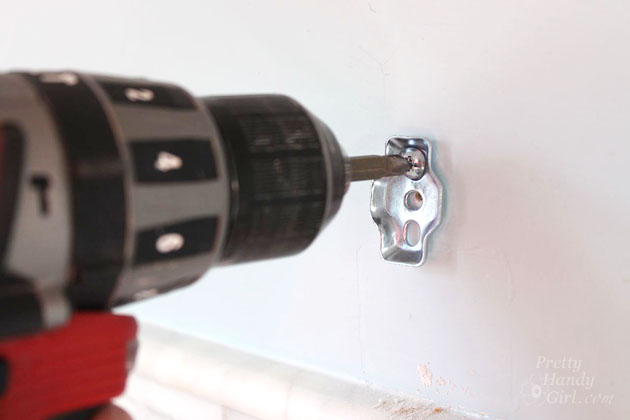
Credit: prettyhandygirl.com
Choose The Right Towel Rack
Choosing the right towel rack is important for your bathroom’s look and function. A good towel rack keeps towels dry and easy to reach. It also fits well in your space and matches your style. Consider the type, material, size, and how many towels it can hold. This helps you pick the best rack for your needs.
Types Of Towel Racks
Towel racks come in many styles. Wall-mounted racks save floor space. Freestanding racks can move easily. Over-the-door racks hang on doors without drilling. Bar racks hold towels on horizontal bars. Ring racks loop towels in a circle. Choose the type that fits your bathroom size and use.
Materials And Finishes
Materials affect durability and style. Stainless steel racks resist rust and last long. Aluminum racks are lightweight and affordable. Wood racks add warmth but need care. Plastic racks are cheap and simple. Finishes like chrome, brushed nickel, or matte black change the look and match your fixtures.
Size And Capacity
Size matters for space and towel storage. Measure the wall space before buying. Small racks suit tiny bathrooms. Large racks hold more towels for families. Consider how many towels you use daily. Pick a rack that fits your space and holds enough towels.
Gather Necessary Tools
Gathering the right tools is the first step to install a towel rack on the wall. This step makes the process smooth and safe. Having everything ready saves time and avoids mistakes.
Basic Tools Checklist
Start with a drill to make holes in the wall. Use a screwdriver to fix screws tightly. A level helps to keep the rack straight. A measuring tape ensures correct placement. Pencil marks where holes will be drilled. Anchors and screws come with the towel rack or buy them separately. A stud finder is useful for finding strong wall spots.
Safety Equipment
Wear safety glasses to protect your eyes from dust. Use gloves to keep your hands safe from sharp tools. Ear protection is good when using loud power tools. Have a sturdy ladder or step stool if the rack is high on the wall. Clear the work area to avoid trips and falls.
Select The Best Location
Selecting the best location for your towel rack is key for convenience and safety. The right spot keeps towels within easy reach and avoids damage to your walls. Think about how you use your bathroom and where a towel rack fits best.
Height And Accessibility
Place the towel rack at a height that suits all users. Usually, 48 inches from the floor works well. This height is easy to reach for most people. Keep it close to the shower or sink for quick access. Avoid placing it too high or low to prevent discomfort.
Wall Material Considerations
Check your wall type before installation. Drywall needs anchors for a strong hold. Tile walls require special drill bits to avoid cracks. Stud walls are best for heavy racks, as screws grip firmly. Choose the right tools based on your wall material.
Avoiding Obstacles
Keep the towel rack clear of doors and cabinets. Avoid spots where towels might block light switches or outlets. Make sure the rack does not interfere with bathroom fixtures. This prevents accidents and keeps your space tidy.
Mark Mounting Points
Marking the mounting points is a key step in installing a towel rack on the wall. This step ensures the rack will be secure and straight. Taking time here helps avoid mistakes later. Proper marks guide where to drill holes. Follow these simple tips to mark points accurately.
Measuring And Leveling
Start by measuring the desired height of the towel rack. Use a tape measure for accuracy. Check the space between mounting holes on the rack. Mark these points lightly with a pencil on the wall.
Next, use a level to make sure marks are even. Hold the level against the marks. Adjust until the bubble is centered. Straight marks mean your rack will hang properly.
Using Templates
Many towel racks come with a paper or cardboard template. This template shows exactly where to drill. Tape the template to the wall at the chosen height.
Double-check that the template is level. Mark the drill holes through the template’s guide. Remove the template carefully. Your drill marks are now precise and ready.
Prepare The Wall
Preparing the wall is an important step before installing a towel rack. It ensures the rack stays secure and holds towels safely. Proper preparation helps avoid damage to the wall and keeps everything aligned. This step involves marking the right spots, drilling holes, and placing anchors.
Drilling Holes
Start by marking the spots where you will drill holes. Use a pencil and a level to make sure the marks are straight. Choose a drill bit that matches the size of the towel rack screws. Hold the drill steady and drill holes at the marked spots. Drill slowly to avoid cracking the wall.
Installing Anchors
Insert wall anchors into the drilled holes. Anchors hold screws tightly in place. Push the anchors gently until they are flush with the wall surface. Use a hammer if needed to tap them in. Anchors provide strong support, especially on drywall or plaster walls. They prevent the towel rack from pulling out over time.
Attach The Towel Rack
Attaching the towel rack to the wall is the key step in your project. This part needs care to make sure the rack stays firm and holds your towels well. Take your time to align it right and secure it tightly.
Aligning And Securing
Start by placing the towel rack against the wall. Match the holes on the rack with the holes in the wall anchors. Use a level tool to check if the rack is straight. Adjust it until it looks even. Hold the rack steady before moving to the next step.
Tightening Screws
Take the screws provided with your towel rack. Insert them into the holes and turn them slowly. Use a screwdriver to tighten each screw firmly. Do not over-tighten, as this can damage the wall or rack. Check that the rack does not move after tightening all screws.
Check Stability And Finish
After installing your towel rack, checking its stability and finish is crucial. A secure rack holds towels safely and lasts longer. A neat finish keeps your wall looking clean and fresh. This step ensures your work is both strong and attractive.
Testing The Rack
Start by gently pulling the rack. Move it from side to side. It should not wobble or feel loose. Hang a few towels on it. Check if it holds the weight without bending. If it feels weak, tighten screws or anchors. Stability means safety and durability.
Touching Up
Look closely at the wall around the rack. Fill any holes or scratches with wall filler. Smooth the surface with fine sandpaper. Use paint that matches your wall color. Apply it carefully to hide marks. This step makes your installation look clean and polished.
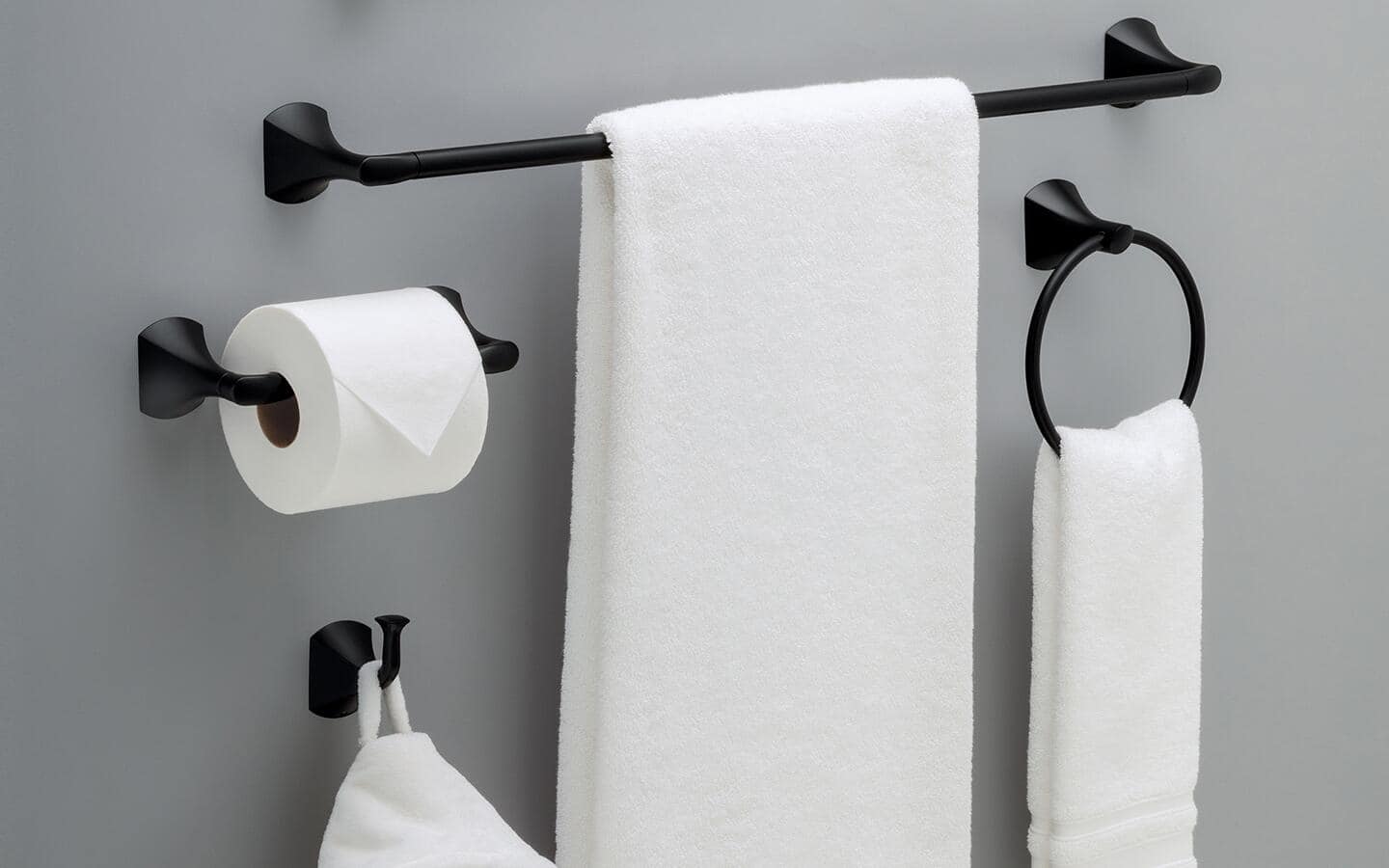
Credit: www.homedepot.com
Maintenance Tips
Maintaining your towel rack keeps it looking good and working well. Small care steps protect your investment. Regular attention stops damage and extends its life.
Cleaning
Clean the towel rack often to avoid dust and grime build-up. Use a soft cloth and mild soap. Avoid harsh chemicals that may harm the finish. Dry the rack after cleaning to stop rust or water spots.
Regular Checks
Check screws and brackets every few months. Tighten loose parts to keep the rack stable. Look for signs of rust or damage early. Fix or replace broken pieces to prevent accidents. A secure rack holds towels safely and lasts longer.

Credit: www.youtube.com
Frequently Asked Questions
How Do I Choose The Right Wall For A Towel Rack?
Select a sturdy wall near the shower or sink. Avoid drywall without studs. Use a stud finder for secure mounting. This ensures your towel rack holds weight without damage.
What Tools Are Needed To Install A Towel Rack?
You need a drill, screws, anchors, a level, a measuring tape, and a screwdriver. These tools help you mount the towel rack accurately and securely.
How Do I Find The Right Height For A Towel Rack?
Place the towel rack 48 to 52 inches from the floor. This height is comfortable for most users and allows towels to hang freely without touching the floor.
Can I Install A Towel Rack On Tile Walls?
Yes, use a masonry drill bit to avoid cracking tiles. Insert wall anchors for extra support. Be careful and drill slowly to protect the tile surface.
Conclusion
Installing a towel rack on your wall is simple and quick. Follow the steps carefully for a strong hold. Use the right tools and anchors for your wall type. Check the level to keep the rack straight. Secure it tightly to avoid it falling.
A properly installed towel rack keeps towels neat and dry. This small project can improve your bathroom’s look. Enjoy the convenience and order it brings every day. Now, you have a handy place for your towels. Give your bathroom a neat, organized feel today.