

Have you ever wondered why the direction your pet door swings matters? It might seem like a small detail, but choosing the right swing direction can make a big difference for your furry friend’s comfort and safety.
Whether you want to keep drafts out or make it easier for your pet to come and go, understanding how a pet door swings can help you make the best choice. Keep reading to discover simple tips that will improve your pet’s daily routine and keep your home cozy.
Pet Door Swing Types
Pet doors come in different swing types. Each type suits different needs and spaces. Choosing the right swing helps pets move easily and safely.
Inward Swing Doors
Inward swing doors open towards the inside of your home. They protect pets from harsh weather outside. These doors are easy to install on walls or doors. Pets push the flap inside to enter. This type keeps cold wind and rain from coming in.
Outward Swing Doors
Outward swing doors open towards the outside. They are good for pets that like to go outside often. These doors allow pets to push the flap out to exit. Outward doors keep your home secure from wind and noise. They work well in areas with less wind.
Double Swing Doors
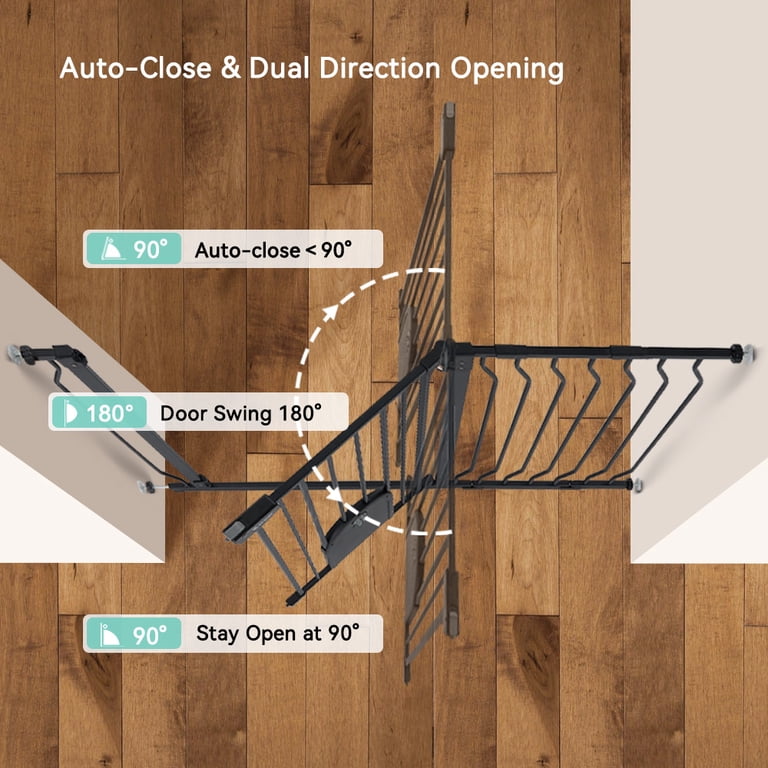
Double swing doors open both inward and outward. They give pets freedom to move in and out easily. These doors are simple for pets to use. Double swing doors suit busy homes and active pets. They offer the best flexibility for pet movement.

Credit: www.amazon.com
Safety Concerns With Swing Direction
Choosing the right swing direction for your pet door matters a lot for safety. The way the door swings can affect your pet’s health and security. It can also impact your home environment. Understanding these safety concerns helps keep your pet safe and your home protected.
Risk Of Injury
A pet door that swings the wrong way can cause injury. Pets may hit the door frame or get caught in the flap. This risk is higher for small or elderly pets. Proper swing direction reduces the chance of accidents. Always check how your pet moves before installation.
Escape Hazards
Wrong swing direction can lead to escape problems. Pets might push the door open too easily or get stuck inside. This can cause anxiety or stress for both pets and owners. Setting the door to swing inward or outward affects control. Choose a direction that suits your pet’s habits and safety.
Weather And Environmental Impact
The door’s swing affects how well it blocks weather. A door swinging outward may let in wind or rain. This can make your home cold or wet. Swinging inward often provides better protection from elements. Consider your climate and location when deciding the swing direction.
Choosing The Right Swing For Your Pet
Choosing the right swing direction for your pet door is important for your pet’s comfort and safety. The door should fit your pet’s size, habits, and your home’s setup. A good choice helps your pet move easily in and out. This section guides you on how to pick the best swing for your pet.
Pet Size And Behavior
Think about your pet’s size first. Small pets need a lighter flap that swings easily. Large pets need a stronger door that can hold their weight. Watch how your pet moves. Some pets push doors with their heads. Others use their paws. Choose a swing that matches your pet’s style. This makes going outside easier and safer.
Home Layout Considerations
Look at where you will place the pet door. Does it open to a busy room or a quiet yard? A door that swings inward works well if the outdoor space is safe. If space inside is tight, an outward swing saves room. Make sure the door does not block paths or hit furniture. Think about where your pet prefers to go out.
Climate Factors
Consider the weather where you live. In windy areas, a door that swings inward is better. It stays closed against the wind. In cold places, a door with a tight seal helps keep the cold out. For hot climates, choose a door that lets air flow but keeps bugs out. The right swing helps keep your home comfortable year-round.
Credit: www.walmart.com
Installation Tips For Safety
Installing a pet door requires care to keep your pet safe and comfortable. Proper installation helps prevent injuries and keeps your home secure. Follow these tips to ensure your pet door swings correctly and safely.
Proper Height Placement
Set the pet door at your pet’s shoulder height. This allows easy entry and exit. Too high or too low can cause tripping or discomfort. Measure your pet before installation for best results. The door should be centered for smooth passage.
Swing Tension Adjustment
Adjust the door’s swing tension to control how fast it opens and closes. Too loose may let cold air in. Too tight can hurt your pet or block them. Find a balance that lets your pet pass freely but keeps the door secure.
Maintenance And Inspection
Check the pet door regularly for damage or wear. Clean the flap to avoid dirt buildup. Inspect hinges and seals to keep the door working well. Fix small problems early to avoid bigger safety issues later.
Alternative Safety Features
Choosing the right pet door swing direction is important. Safety matters too. Alternative safety features help keep pets safe. These features work alongside the door swing. They prevent unwanted entry and keep pets secure. Let’s explore some helpful options.
Locking Mechanisms
Locking mechanisms add control. You can lock the pet door at night. It stops pets from going outside alone. Locks also keep other animals out. Some doors have manual locks. Others use electronic locks for convenience.
Sensors And Alarms
Sensors detect when pets use the door. Some sensors read a pet’s collar tag. This lets only your pet enter or exit. Alarms alert you if the door opens unexpectedly. They help you watch your pet’s movements. These features increase security around your home.
Training Your Pet
Training helps pets use doors safely. Teach your pet to push or pull the door. Reward good behavior to build trust. Training reduces accidents and confusion. It ensures pets use the door correctly. This adds a layer of safety beyond technology.
Credit: www.petdoors.com
Frequently Asked Questions
How Do I Choose The Right Pet Door Swing Direction?
Choose the swing direction based on your pet’s usual entry and exit path. Consider door placement and home layout. This ensures ease of use and prevents confusion for your pet.
Can Pet Door Swing Direction Affect Pet Safety?
Yes, correct swing direction reduces injury risks. It prevents pets from pushing into walls or obstacles. Proper direction enhances smooth, safe passage for your pet.
Does Weather Impact Pet Door Swing Direction Choice?
Weather influences door placement but less the swing direction. Choose a direction that minimizes wind or rain exposure. This protects your pet and prolongs door durability.
How Does Pet Size Influence Door Swing Direction?
Pet size affects door flap size but not swing direction. Swing direction depends on your home’s layout and pet’s movement habits. Ensure the door suits your pet’s comfort and accessibility.
Conclusion
Choosing the right pet door swing direction helps your pet move with ease. It keeps your home comfortable and safe. Think about where your pet spends most time. Also, consider door placement and weather conditions. A well-chosen swing direction reduces noise and drafts.
Your pet feels happier and more independent too. Small details make a big difference in daily life. Take time to observe your pet’s habits. This way, you can make the best choice for them. Simple steps lead to smooth pet door use every day.

