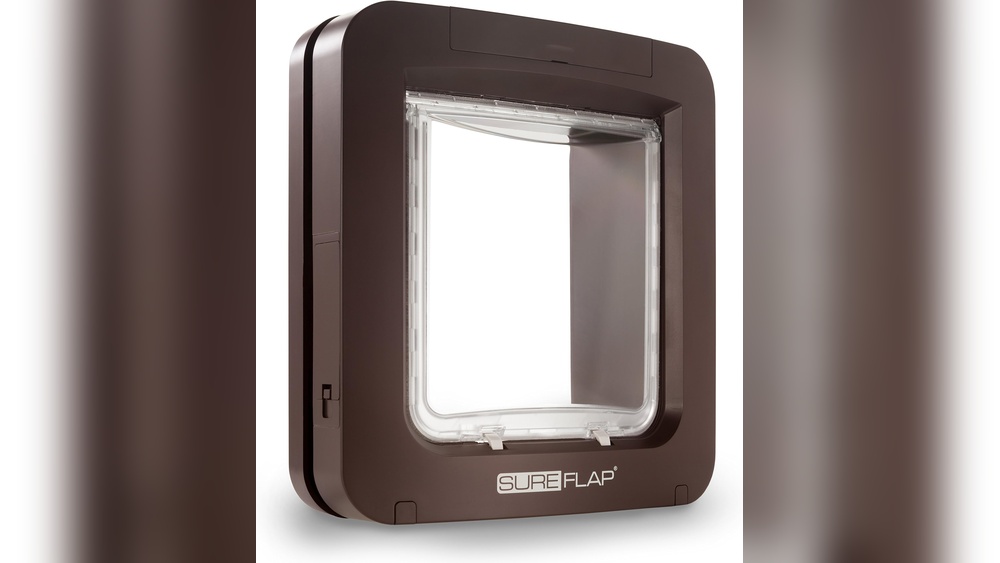

Are you tired of stray animals sneaking into your home through the pet door? You want to keep your furry friend safe and your space secure, but traditional pet doors just don’t cut it.
What if there was a smarter way to control who comes in and out? A smart pet door can do exactly that. It uses clever technology to recognize your pet and keep unwanted visitors out. Curious how it works and how it can protect your home?
Keep reading to discover the secrets behind smart pet doors and why they might be the perfect solution for you.

Credit: www.countryblossomfarm.com
Smart Pet Door Basics
Smart pet doors offer a simple way to let pets enter and exit without letting strays in. They use technology to recognize your pet only. This helps keep unwanted animals outside your home.
These doors work with sensors or electronic signals. They open only for your pet, giving you peace of mind and control. Your pet stays safe, and your home stays secure.
Key Features
Smart pet doors have several important features. They include sensors that detect your pet’s collar or microchip. This ensures only your pet can open the door.
Many models have timers to lock the door during certain hours. This stops stray animals from sneaking in at night. Some doors also have manual locks for extra security.
Energy efficiency is common. These doors seal tightly to keep cold or hot air out. The materials used are often durable and weather-resistant.
Types Of Smart Pet Doors
There are different types of smart pet doors. Some use radio frequency identification (RFID) tags on your pet’s collar. The door opens only when it detects this signal.
Other doors use magnetic or infrared sensors. These detect your pet’s unique tag or chip. Some models connect to your smartphone, allowing remote control.
Some doors are built into walls or windows, while others fit into existing doors. Choose one that fits your home and pet’s needs best.
Stray Animal Challenges
Stray animals often cause problems for pet owners. They try to enter homes through pet doors. This creates safety and health risks for pets and people. Understanding these challenges helps explain why smart pet doors are useful.
Common Entry Methods
Strays use different ways to get inside. They push open loose flaps or squeeze through small gaps. Some learn to trigger simple pet doors. Others wait for pets to leave the door open. These easy entry points invite unwanted visitors.
Risks Of Stray Intrusion
Strays can bring diseases and parasites. They might fight with pets, causing injuries. Strays can also damage property inside the house. Noise and mess from strays upset the home environment. These risks make it important to control stray access.
Tech Behind Smart Pet Doors
The technology behind smart pet doors helps keep stray animals outside. It lets only your pets enter and exit freely. This tech uses sensors and microchips to identify your pets. It also connects to mobile apps for easy control.
Sensor Technology
Sensors detect your pet near the door. They trigger the door to open only for recognized pets. This stops strays from getting inside. The sensors work quickly and quietly. They use motion or proximity to spot your pet.
Microchip Recognition
Many smart pet doors read your pet’s microchip or collar tag. The door opens only when it detects a specific chip. Stray animals without this chip cannot enter. This system is very accurate. It provides a secure way to control access.
Mobile App Integration
Smart pet doors connect to apps on your phone. You can check if your pet used the door. The app lets you lock or unlock the door remotely. You get alerts if someone tries to enter. This feature adds convenience and extra security.
Installation Tips For Maximum Security
Installing a smart pet door correctly is key for keeping strays out. Proper setup improves security and ensures only your pet can enter. Follow simple steps for a safe and secure installation.
Optimal Placement
Choose a door location with low stray traffic. Avoid busy areas near streets or alleys. Place the door where your pet feels safe and comfortable. Keep the door at your pet’s height for easy access. Position the door away from windows or other entry points.
Sealing And Weatherproofing
Seal gaps around the door to prevent drafts and pests. Use weather stripping to keep rain and wind out. Check the door frame for cracks and fill them with sealant. Proper sealing also stops small animals from squeezing in. A well-sealed door lasts longer and protects your home better.
Training Pets To Use Smart Doors
Training pets to use smart doors is an important step. It helps pets learn how to go in and out safely. The door only opens for your pet, keeping stray animals outside. Teaching your pet to use the door makes life easier and safer.
Step-by-step Training
Start by showing your pet the smart door. Let them sniff and explore it calmly. Use treats to guide your pet near the door. Press the button or activate the sensor to open it. Encourage your pet to pass through the open door. Repeat this several times to build confidence. Slowly reduce treats as your pet learns the process.
Encouraging Consistent Use
Use the smart door every day at the same times. Praise your pet when they use the door correctly. Avoid forcing your pet through the door. Make the door area comfortable and clean. Keep training sessions short and positive. Consistent use helps your pet understand the door’s purpose. This keeps strays out while your pet moves freely.
Maintenance And Troubleshooting
Smart pet doors keep strays out by using technology. They recognize your pet’s unique tag or collar sensor. This stops other animals from entering your home. To keep the door working well, regular maintenance and quick fixes are needed. This section explains how to care for your smart pet door and solve common problems.
Regular Checks
Check the door often for dirt and debris. Clean the sensor area with a soft cloth. Make sure the sensor’s battery has enough power. Inspect the door flap for cracks or damage. Tighten any loose screws to keep the door sturdy. Test the door by letting your pet use it. Confirm it opens only for your pet’s tag.
Common Issues And Fixes
The door may not open if the sensor battery is low. Replace the battery with a new one. Sometimes the door flap sticks. Clean the hinges and add a small amount of lubricant. The sensor might fail to read the tag. Check if the tag is damaged or dirty. Reset the system by switching it off and on. If problems continue, consult the product manual or support service.
Additional Protection Strategies
Smart pet doors offer great control over which pets enter your home. To keep out stray animals, extra steps help increase security. These additional protection strategies work well with smart pet doors.
Surveillance Integration
Cameras near the pet door monitor activity. They alert you if an unknown animal approaches. Video footage helps identify and prevent unwanted visitors. Some systems allow live viewing from your phone. This adds a layer of security beyond the smart door.
Physical Barriers
Barriers like fences or gates limit stray access to the door. Small enclosures create a safe entry zone for your pet. These barriers keep larger strays from reaching the door. They work well alongside smart pet doors for extra defense.
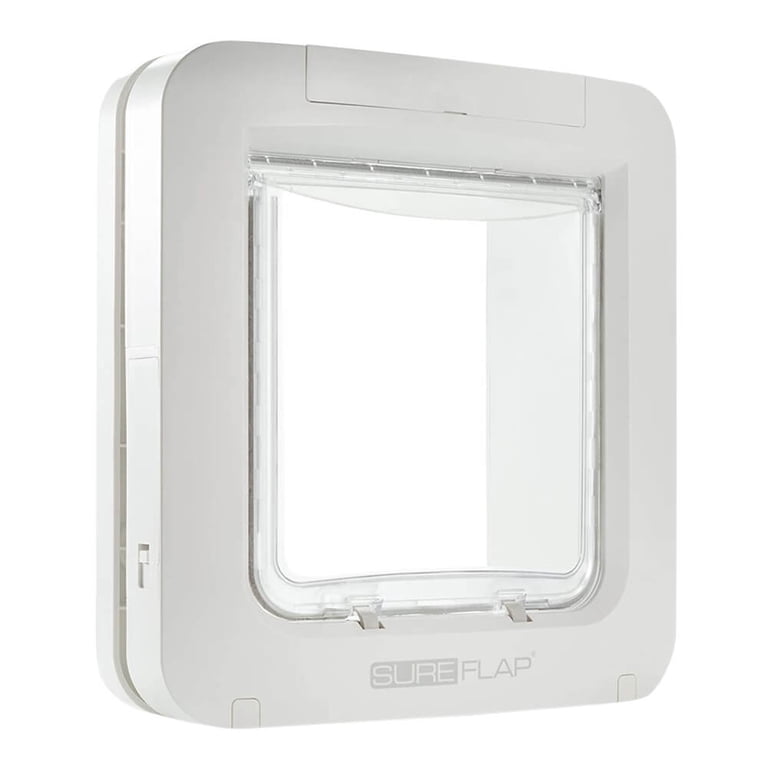
Credit: www.walmart.com

Credit: www.triangleophthalmology.com
Frequently Asked Questions
How Does A Smart Pet Door Recognize My Pet?
A smart pet door uses microchip or RFID technology to identify your pet. It only unlocks for registered pets, blocking strays from entering. This ensures your pet’s safety and prevents unwanted animals from accessing your home.
Can Smart Pet Doors Keep Out Stray Animals Effectively?
Yes, smart pet doors effectively keep strays out by using selective entry systems. Only pets with programmed microchips or tags can open the door, preventing random animals from gaining access and enhancing your home’s security.
What Technology Helps Smart Pet Doors Exclude Strays?
Smart pet doors use RFID or microchip sensors to identify pets. These sensors scan the pet’s unique tag before unlocking the door, ensuring only your pet can enter, while strays remain outside.
Are Smart Pet Doors Safe For My Pet And Home?
Smart pet doors are safe as they only open for recognized pets. This prevents strays and potential intruders from entering, offering protection to both your pet and your home environment.
Conclusion
Smart pet doors use technology to keep strays outside. They allow only your pet to enter and exit. Sensors or microchips identify your pet quickly. This stops unwanted animals from coming in. Your pet stays safe and comfortable inside. You get peace of mind knowing your home is secure.
Smart pet doors combine convenience with security well. They help protect both your pet and your house. A simple solution for a common problem. Keeping strays out has never been easier.


