
If you have a blind cat, you want to keep them safe, especially around your pet door. But how do you stop your furry friend from wandering outside where they could get hurt?
You might think it’s impossible, but there are simple ways to keep your blind cat away from the pet door without causing stress. You’ll discover easy, practical tips that protect your cat and give you peace of mind. Keep reading to find out how to create a safer home for your special companion.

Credit: www.lowes.com
Risks For Blind Cats Near Pet Doors
Blind cats face special challenges around pet doors. These doors are designed for sighted pets to move freely. For blind cats, pet doors can create confusion and danger. Understanding these risks helps protect your cat.
Common Dangers Blind Cats Face
Blind cats rely on other senses to explore. They use smell, hearing, and touch. Pet doors may confuse their senses. Cats can get stuck or hurt trying to pass through. Some blind cats may panic near moving flaps. This stress can lead to injury or escape.
Why Pet Doors Can Be Hazardous
Pet doors often move quickly and make noise. Blind cats may not sense the door opening. They can walk into the door or flap. This causes pain or injury. Outdoor pet doors expose cats to traffic and predators. Blind cats cannot see these dangers. They may wander outside and get lost or hurt.
Choosing The Right Pet Door
Choosing the right pet door is very important for keeping a blind cat safe. A pet door that fits your cat’s needs can stop accidents and make life easier. It must be easy to use and secure. The right door helps your cat move freely without danger.
Features To Look For
Pick a pet door with clear, large flaps. This helps a blind cat find the door easily. Look for doors that close softly to avoid noise. A magnetic or weighted flap can stop drafts and keep the door shut. Choose a door with good insulation to keep your home warm.
Make sure the door is the right size for your cat. Too small can hurt your cat; too big lets other animals enter. Rounded edges on the door make it safer for your cat to pass through. Bright colors or textures around the door help your blind cat notice it better.
Smart Pet Doors With Sensors
Smart pet doors use sensors to open only for your cat. These sensors can detect a special collar tag or microchip. This keeps other animals out. Sensors make it easier for your blind cat to use the door safely.
Some smart doors have timers to control when your cat can go out. This adds extra safety during night or bad weather. Sensors also reduce noise by opening only when your cat is near. Smart pet doors add security and comfort for your blind cat.
Training Tips To Keep Cats Safe
Training a blind cat to stay safe around a pet door takes patience and care. The goal is to help your cat learn the door’s location and how to use it safely. This section shares simple training tips to keep your cat protected and comfortable.
Introducing The Pet Door Gradually
Start by placing your cat near the pet door without forcing it. Let your cat explore the door at its own pace. Show the door several times a day for short periods. Use gentle touch and calm voice to reduce fear. This slow introduction helps your cat feel safe and curious, not scared.
Using Positive Reinforcement
Reward your cat with treats or petting when it approaches the door. Praise your cat every time it shows interest in the pet door. Avoid punishment or loud noises near the door. Positive reinforcement builds trust and encourages your cat to learn. Repeat rewards often to create a good habit around the pet door.

Credit: www.petsafe.com
Physical Barriers And Modifications
Physical barriers and modifications offer simple ways to keep a blind cat away from a pet door. These methods help control where the cat can go without causing stress or harm. They also guide the cat safely around the home. Using physical blocks or changing door placement creates clear boundaries for your pet.
Installing Gates Or Covers
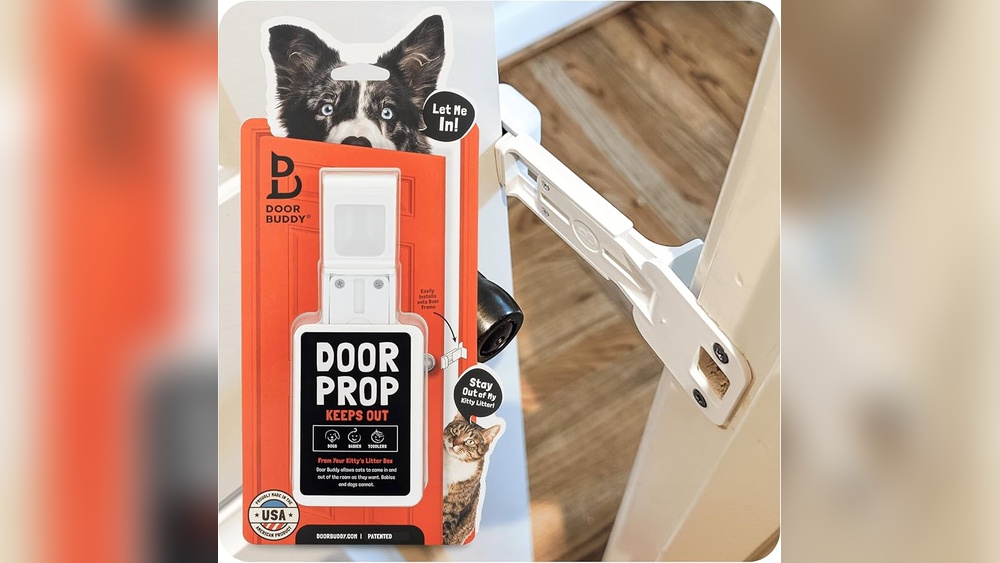
Install gates to block access to the pet door. Choose gates with small openings so your cat cannot slip through. Place the gate securely to avoid gaps. Covers over the pet door can also work. A solid cover stops the cat from entering or exiting. These barriers protect your blind cat from unsafe areas.
Adjusting Door Placement
Move the pet door to a spot less accessible to your blind cat. Place it where the cat does not often wander. This reduces accidental use and keeps the cat safe. You can also raise the door height if your cat cannot reach it easily. Adjusting the location limits the cat’s interaction with the door.
Alternative Exit Options
Blind cats need safe ways to go outside. Pet doors can be risky for them. Alternative exit options help keep your cat secure. These options give your cat freedom without danger.
Using Windows Or Other Doors
Windows can be a good exit for blind cats. Install cat-safe screens to prevent falls. Make sure windows open wide enough. Other doors in the house can also work. Keep a door slightly open with a barrier. This lets your cat pass safely. Always check that the path is clear.
Creating Safe Outdoor Spaces
Build a secure outdoor area for your cat. Use fencing or netting to enclose the space. This keeps your cat inside and away from harm. Add hiding spots and shade for comfort. A safe space lets your cat explore freely. It reduces the need for risky exits. Regular checks ensure the area stays secure.

Credit: www.amazon.com
Monitoring And Supervision
Keeping a blind cat away from the pet door needs careful monitoring and supervision. This helps protect your cat from danger. Watching your cat closely can stop accidents and keep them safe inside.
Use tools and habits to improve your cat’s safety. They help you see what your cat does near the door. You can act quickly if your cat tries to go outside.
Using Cameras Or Sensors
Cameras let you watch the pet door from any room. You see your cat’s movements in real time. This helps you know if your cat is near the door.
Sensors can alert you when your cat approaches the door. Some sensors send a sound or light signal. This warns you to check on your cat immediately.
These devices give extra eyes for your blind cat. They work day and night without stopping.
Regular Safety Checks
Check the pet door every day. Look for any damage or problems. Broken parts can make the door unsafe for your cat.
Make sure the door opens and closes smoothly. Check if any objects block the door’s path. Clear the area around the door for easy movement.
Regular checks help keep the door safe and secure. They reduce the chance of your cat getting hurt or lost.
Frequently Asked Questions
How Can I Prevent A Blind Cat From Using The Pet Door?
Install a pet door with selective entry features like microchip or collar sensors. This ensures only sighted pets enter safely, keeping your blind cat away effectively.
What Alternatives Exist To Keep Blind Cats Safe Indoors?
Use physical barriers or baby gates to restrict access. Provide ample indoor enrichment and safe spaces to ensure your blind cat feels secure inside.
Why Is A Regular Pet Door Unsafe For Blind Cats?
Blind cats can’t judge door position or traffic outside. Regular pet doors increase risks of injury or escape, making them unsafe for visually impaired pets.
How Do Sensor-activated Pet Doors Help With Blind Cats?
Sensor-activated doors open only for authorized pets, preventing blind cats from wandering outside. This technology ensures safety and controlled access based on pet identity.
Conclusion
Keeping a blind cat away from a pet door takes care and attention. Use barriers or covers to block access safely. Train your cat gently with treats and praise. Monitor your pet’s behavior to ensure safety. Small changes can protect your blind cat well.
Stay patient and consistent with your efforts. Your cat will feel secure and happy at home. This simple approach helps avoid accidents and stress. Caring for a blind cat means extra love and caution. Keep your home safe for every furry friend.