
Have you ever been startled by a smoke detector going off when there’s no real danger? It can be loud, annoying, and stressful.
Knowing how to deactivate your smoke detector safely can save you from unnecessary panic and noise. You’ll discover simple steps to turn off your smoke detector quickly and correctly. Keep reading to learn how to handle it without risking your safety or damaging your device.

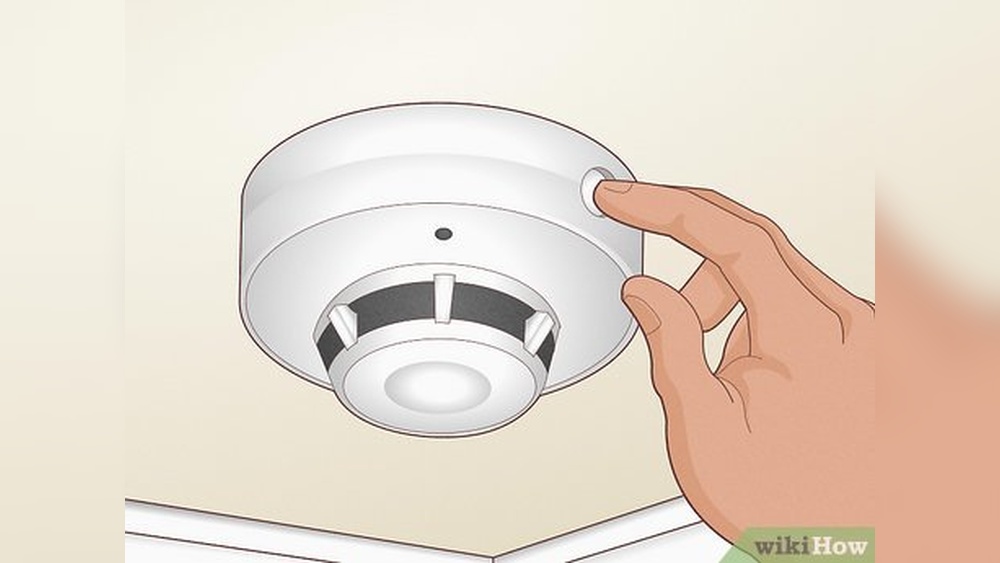
Credit: www.wikihow.com
Why Deactivate A Smoke Detector
Smoke detectors save lives by alerting people to fire. Yet, there are times to turn them off. Knowing why to deactivate a smoke detector helps keep safety balanced with convenience. Some situations need a quick pause. Others require a full removal. Understanding these reasons can prevent false alarms and avoid damage.
Temporary Deactivation Reasons
Smoke detectors can beep during cooking or cleaning. Steam or smoke from burnt food often triggers false alarms. Turning off the detector for a short time stops this noise. Construction or painting can also release dust or fumes. These particles confuse the detector. Temporary deactivation avoids constant alerts. It helps workers focus and reduces stress. Just remember to reactivate the detector after the work ends.
Permanent Removal Scenarios
Old smoke detectors lose effectiveness over time. Some models expire after ten years. Removing a broken or outdated unit keeps the system reliable. Remodeling a home might require moving detectors. Sometimes, new detectors replace old ones in different spots. If a detector is damaged, it should be removed safely. Permanent removal happens when a detector no longer serves its purpose.
Safety Precautions Before Deactivation
Deactivating a smoke detector needs careful steps to keep everyone safe. Smoke detectors protect your home from fire dangers. Turning one off can raise risks if not done right. Take safety steps before you start. These help avoid accidents and keep your family aware.
Informing Household Members
Tell everyone in your home before you deactivate the smoke detector. Everyone should know the alarm is off. This stops confusion and panic if the alarm does not sound. Make sure kids and guests understand why the alarm is silent. Communication helps everyone stay alert and ready for any danger.
Having Fire Safety Alternatives
Have other safety plans ready before you turn off the smoke detector. Keep a fire extinguisher nearby and check it works. Know the emergency exit routes from your home. Use a battery-powered smoke alarm as a backup if possible. These steps help keep protection active while one alarm is off.
Tools Needed For Deactivation
Knowing the right tools helps in safely deactivating a smoke detector. Proper equipment makes the process easier and quicker. Preparing tools before starting prevents mistakes and frustration.
Basic Tools Checklist
- Screwdriver (usually Phillips or flathead)
- Step ladder or sturdy stool for reaching the detector
- Battery tester or fresh batteries
- Protective gloves to avoid dirt and dust
- Flashlight to see inside the detector clearly
Optional Equipment
- Multimeter for checking electrical connections
- Compressed air can to clean dust from the detector
- Small brush for gentle cleaning
- Replacement smoke detector in case of permanent removal
Step-by-step Deactivation Process
Deactivating a smoke detector is a task that needs care and attention. This step-by-step process guides you safely through turning off your device. Follow each step carefully to avoid any issues.
Turning Off The Power Source
Start by cutting the power supply to the smoke detector. Find the circuit breaker that controls the alarm. Switch it off to stop electricity from reaching the unit. This step prevents any shocks or false alarms during the process.
Removing The Detector From Mount
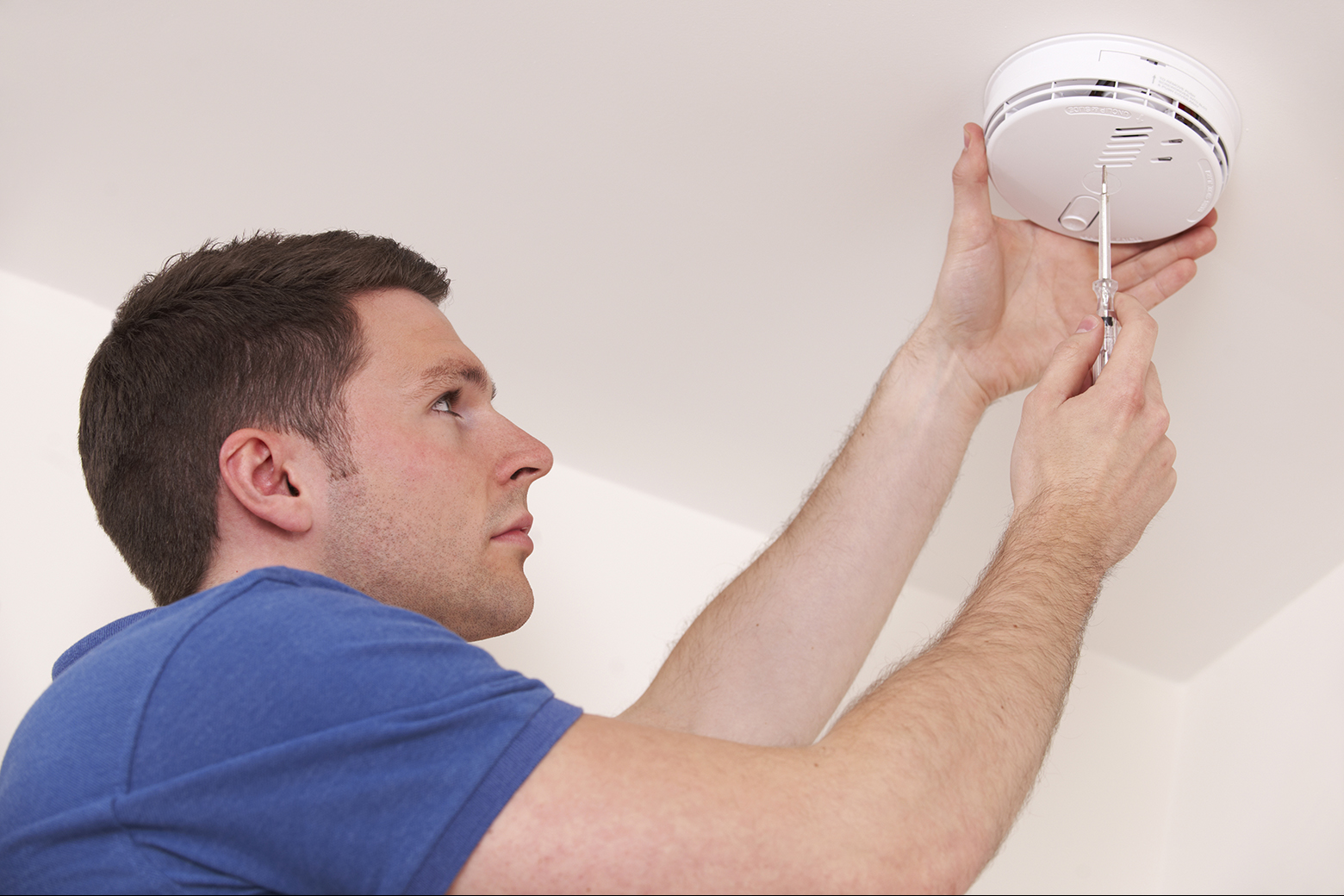
Next, gently twist or slide the smoke detector off its mounting bracket. Most models are designed for easy removal. Hold the base steady while turning the device. Keep the detector close to avoid dropping it.
Disconnecting The Battery
Open the battery compartment on the back or side of the detector. Carefully take out the battery to cut power completely. Some alarms have a sealed battery, which means you must follow specific instructions. Removing the battery stops the alarm from sounding.
Disabling The Sensor
Locate the sensor inside the smoke detector. Use a soft brush or compressed air to clean the sensor gently. This action stops it from detecting smoke temporarily. Be careful not to damage the sensor or internal parts during cleaning.
Common Issues During Deactivation
Deactivating a smoke detector can sometimes be tricky. Many people face problems that stop them from turning it off. These issues can cause frustration and confusion. Understanding common problems helps fix them quickly. This section covers two frequent issues during deactivation.
Detector Won’t Turn Off
Some smoke detectors stay on even after pressing the button. This can happen if the battery is dead or low. The detector needs power to reset. Try replacing the battery first. Another cause is a stuck button. Dirt or dust may block it. Clean the button gently with a soft cloth. If the problem continues, the detector might be faulty. Replacing it is often the best choice.
Alarms Continue Sounding
Sometimes alarms keep ringing after deactivation attempts. Smoke or dust inside the detector can trigger false alarms. Open the detector and clean it using a vacuum or air blower. Check for real smoke or fire before turning off the alarm. Another reason is a weak battery. Even if the detector turns off, a weak battery can cause noises. Change the battery to stop the alarm sounds. Persistent alarms may need a professional check.
Credit: www.netatmo.com
Reactivating Your Smoke Detector
Reactivating your smoke detector is crucial for home safety. After deactivation, restoring its function ensures protection. This process involves restoring power and testing the device to confirm it works properly.
Restoring Power And Battery
First, reconnect the smoke detector to its power source. For battery-operated models, insert fresh batteries carefully. Make sure the batteries fit snugly and contact points are clean. For hardwired detectors, turn the circuit breaker back on. Check for any loose wires or connections before powering up.
Testing The Detector Functionality
Press the test button on the smoke detector. The alarm should sound loudly and clearly. If it does not, replace the batteries and try again. If it still fails, consider replacing the detector. Regular testing helps keep your home safe from fire hazards.
When To Replace Instead Of Deactivate
Knowing when to replace a smoke detector is very important. Deactivating a smoke detector can stop it from working. This can put you and your home at risk. Some signs show that replacing the detector is better than just turning it off. These signs help keep your home safe and your family protected.
End Of Detector Lifespan
Smoke detectors do not last forever. Most have a life span of 8 to 10 years. After this time, they may not work well. The sensors can wear out or become less sensitive. A detector past its lifespan may fail to alert you. Replacing it ensures your home stays protected.
Malfunctioning Units
Smoke detectors sometimes stop working correctly. They may beep constantly or fail to sound alarms. Malfunctions can happen due to dust, battery issues, or internal damage. Turning off the alarm only hides the problem. A broken smoke detector should be replaced to keep safety first.

Credit: waynealarm.com
Frequently Asked Questions
How Do I Safely Deactivate A Smoke Detector?
To safely deactivate a smoke detector, first turn off the power at the circuit breaker. Remove the detector from its mounting bracket. Disconnect the battery if it has one. Never damage or remove detectors permanently, as they protect your home from fire hazards.
Can I Deactivate A Smoke Detector Temporarily?
Yes, you can temporarily deactivate a smoke detector by removing the battery or switching off the power. This is useful during cooking or renovation. Remember to reactivate it immediately to maintain safety and comply with fire regulations.
Why Should I Deactivate My Smoke Detector?
You might deactivate a smoke detector during false alarms caused by dust or steam. It helps avoid unnecessary noise and panic. Always reactivate it promptly to ensure your home remains protected against real fire threats.
What Tools Are Needed To Deactivate A Smoke Detector?
You typically need a screwdriver to remove the detector from the ceiling or wall. For battery-powered detectors, just removing the battery is enough. Always have a ladder for safe access to ceiling-mounted units.
Conclusion
Deactivating a smoke detector safely is important for your home. Always follow the steps carefully to avoid accidents. Remember to turn off the power before handling the device. Use a ladder or a safe way to reach the detector. Test the alarm after deactivation to ensure it works properly.
Keep your home safe by reinstalling or replacing the smoke detector soon. Taking these simple actions helps protect your family and property. Stay cautious and aware to avoid false alarms or danger. Safety always comes first.