
Have you ever wondered how a small device like a smoke detector can save your life? It might surprise you to learn that radiation plays a key role in how these lifesaving gadgets work.
Understanding how smoke detectors use radiation will not only help you appreciate their importance but also empower you to keep your home safer. Keep reading, and you’ll discover the fascinating science behind this everyday device—and why it’s essential for your peace of mind.
Basics Of Smoke Detectors
Smoke detectors help keep homes and buildings safe. They sense smoke early. This early warning can save lives and property. Smoke detectors work by detecting tiny particles in the air. These devices use different methods to spot smoke. One common way is through radiation. This method uses a small amount of radioactive material to find smoke. Understanding how smoke detectors work helps appreciate their importance.
Types Of Smoke Detectors
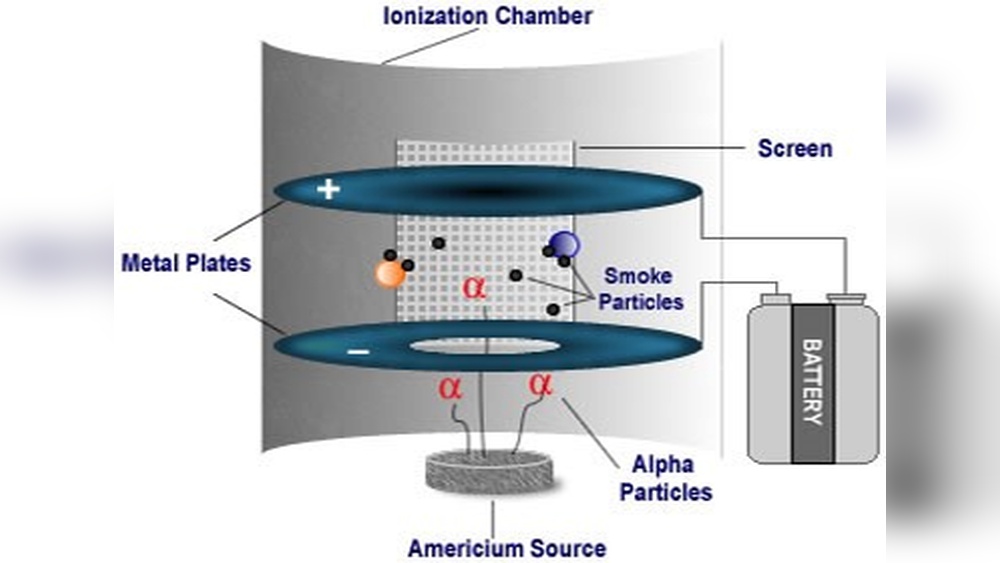
There are two main types of smoke detectors. The first is ionization detectors. They use radiation to detect smoke particles. Inside, a small radioactive source ionizes air. When smoke enters, it changes the electrical current. This triggers the alarm. The second type is photoelectric detectors. They use light to find smoke. A light beam inside the detector changes when smoke blocks it. Both types work well but detect different fires better.
Role In Fire Safety
Smoke detectors are vital for fire safety. They alert people before fires grow large. Early alarms give more time to escape. Many fire deaths happen when people sleep. Smoke detectors can wake them up. They reduce injuries and property damage. Building codes often require smoke detectors in homes. Regular testing and battery changes keep them working. Smoke detectors save lives every day.
Credit: www.nrc.gov
Radiation In Smoke Detectors
Smoke detectors save lives by alerting people early during fires. Many use a small amount of radiation inside to spot smoke quickly. This method is reliable and fast. Understanding how radiation works in smoke detectors helps appreciate their design and safety.
What Kind Of Radiation Is Used
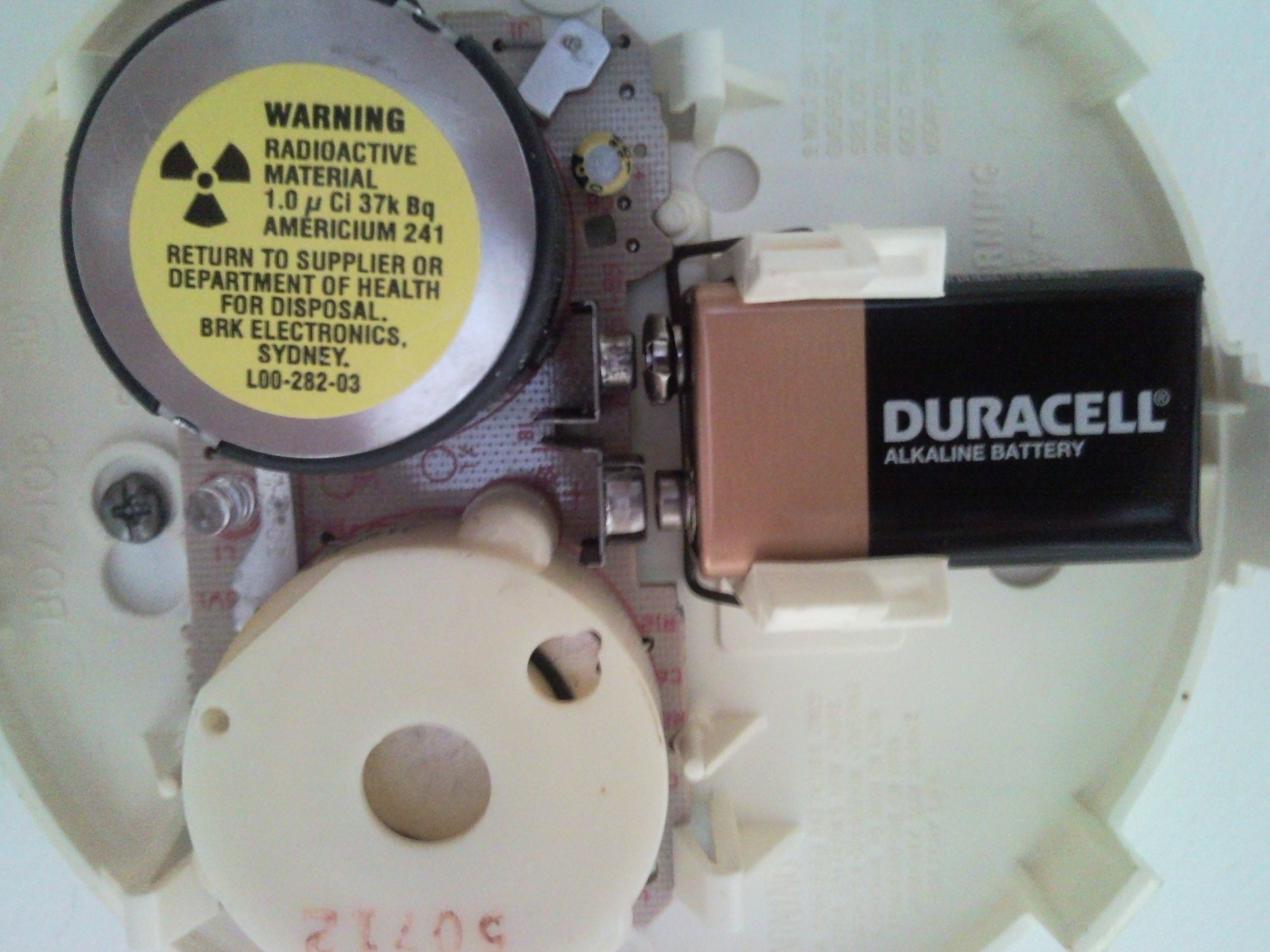
Smoke detectors use a type of radiation called alpha particles. These particles come from a tiny amount of americium-241. It is a safe source sealed inside the detector. Alpha particles cannot travel far and cannot pass through plastic or skin. This makes the detector safe for home use.
Why Radiation Is Effective
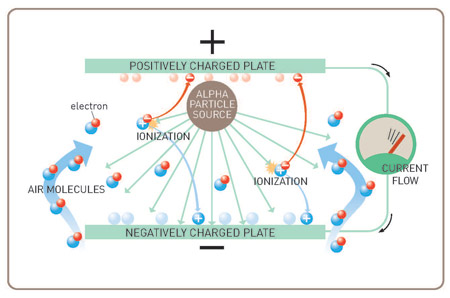
Alpha particles ionize the air inside the detector. This means they create charged particles that allow electricity to flow. When smoke enters, it blocks the alpha particles. This reduces the electrical flow and triggers the alarm. Radiation helps detect smoke faster than some other methods.
How Ionization Smoke Detectors Work
Ionization smoke detectors use a small amount of radiation to detect smoke. They are very sensitive and can detect fast-burning fires quickly. These detectors work by sensing changes in electrical current inside the device. The radiation helps create ions, which are charged particles. This process is key to how the detector knows smoke is present.
The Ionization Chamber
The ionization chamber is the heart of this smoke detector. It contains a tiny amount of radioactive material. This material releases alpha particles. These particles ionize the air inside the chamber. Ionizing means the air molecules gain or lose electrons, creating ions. The ions allow a small electrical current to flow between two electrodes. This current is steady when the air is clean.
Interaction With Smoke Particles
When smoke enters the ionization chamber, it disrupts the flow of ions. Smoke particles attach to the ions and neutralize them. This reduces the number of charged particles. The electrical current drops quickly. The detector senses this change and triggers the alarm. This way, the device warns people about smoke early.
Advantages Of Radiation-based Detectors
Radiation-based smoke detectors offer key benefits that make them a popular choice for fire safety. They use a small amount of radiation to sense smoke particles in the air. This technology provides fast and reliable detection, especially in certain fire scenarios. The advantages help protect homes and buildings efficiently.
Sensitivity To Fast-flaming Fires
Radiation-based detectors respond quickly to fast-flaming fires. These fires produce small smoke particles that the radiation sensor detects easily. The detector senses changes in the radiation beam caused by smoke. This sensitivity helps alert people early before the fire spreads.
Reliability And Response Time
These detectors are known for their reliable operation. They work well in different environments, including dusty or humid areas. The response time is very fast, giving people more time to react. This reliability makes radiation-based smoke detectors a trusted choice for safety.
Safety Measures And Regulations
Smoke detectors use a small amount of radiation to sense smoke and protect homes. Safety measures and regulations control how much radiation these devices can emit. Rules ensure the radiation levels are safe for people and the environment. Handling and disposal of smoke detectors follow strict guidelines to prevent harm.
Radiation Levels And Safety
Smoke detectors use a tiny amount of radioactive material called Americium-241. The radiation inside is very low and safe for daily use. It cannot pass through the plastic casing of the detector. People near a working smoke detector are not exposed to harmful radiation. Safety standards limit the amount of Americium-241 inside each device. These limits keep radiation levels far below any health risk.
Disposal And Handling Guidelines
Used smoke detectors require careful disposal. The radioactive material inside must not enter regular trash. Many areas have special collection points for old detectors. Proper handling avoids radiation release into the environment. Users should follow local rules for disposal. Some manufacturers offer take-back programs to recycle devices safely.

Credit: www.youtube.com
Comparing With Other Technologies
Smoke detectors use different methods to spot fires early. Comparing these methods helps us understand how radiation-based detectors work. Other technologies detect smoke in unique ways. Each has its strengths and weaknesses. Knowing these can guide the choice of the best smoke alarm for safety.
Photoelectric Smoke Detectors
Photoelectric detectors use light to find smoke. A light beam inside the detector shines across a chamber. Smoke particles scatter this light. The detector senses the scattered light and sounds the alarm. This method works well for slow, smoldering fires. It does not use radiation but optical sensors. These detectors react slower to fast flames than radiation-based types.
Combining Technologies For Better Safety
Some smoke alarms use both radiation and photoelectric methods. This combination improves detection speed and accuracy. Ionization sensors detect fast, flaming fires quickly. Photoelectric sensors catch slow, smoky fires early. Together, they cover more fire types. This reduces false alarms and increases safety. Many homes use these dual-sensor alarms for better protection.
Future Trends In Smoke Detection
Smoke detection technology is evolving fast. New methods are improving safety in homes and buildings. The future will bring smarter and more reliable smoke detectors. These devices will better protect people from fire risks.
Innovations In Radiation Use
Radiation in smoke detectors will become safer and more efficient. New materials will reduce the amount of radiation needed. This makes detectors less harmful to the environment and people. Advances will allow detectors to sense smoke more quickly. They will also detect smaller particles in the air. This leads to faster alarms and better protection.
Smart Smoke Detectors
Smart smoke detectors will connect to home networks and phones. They will send alerts instantly to homeowners and emergency services. These devices will learn from their environment to reduce false alarms. Some will combine radiation with other sensors for accuracy. They can also test themselves and report problems automatically. This saves time and ensures the detector always works well.
Credit: large.stanford.edu
Frequently Asked Questions
How Do Smoke Detectors Use Radiation To Detect Smoke?
Smoke detectors use a small amount of radioactive material to ionize air. When smoke enters, it disrupts ion flow, triggering the alarm.
What Type Of Radiation Is Used In Smoke Detectors?
Smoke detectors commonly use alpha radiation from Americium-241. This radiation ionizes air molecules to help detect smoke particles effectively.
Are Radiation Levels In Smoke Detectors Safe For Humans?
Yes, radiation in smoke detectors is extremely low and contained. It poses no health risk under normal use and handling.
How Does Radiation Improve Smoke Detection Sensitivity?
Radiation ionizes air inside the detector, creating a stable current. Smoke particles disrupt this current, allowing the detector to sense even small smoke amounts.
Conclusion
Smoke detectors use a small amount of radiation to sense smoke quickly. This helps save lives by warning people early. The radiation inside is safe and controlled. It reacts when smoke blocks its path, triggering the alarm. Understanding this simple science shows how detectors protect homes.
Always keep smoke detectors working well and replace batteries often. A working detector means you can act fast in fire emergencies. Safety starts with knowing how these devices work. Stay safe, stay informed.