
Have you ever wished your pet could come and go freely, without you constantly opening the door? A microchip pet door makes that possible—and it’s smarter than you might think.
Imagine a door that recognizes your pet instantly and keeps unwanted animals out. Curious how this clever technology works and how it can make your life easier? Keep reading, because understanding the magic behind microchip pet doors could change the way you care for your furry friend forever.
Credit: www.surepetcare.com
How Microchip Pet Doors Operate
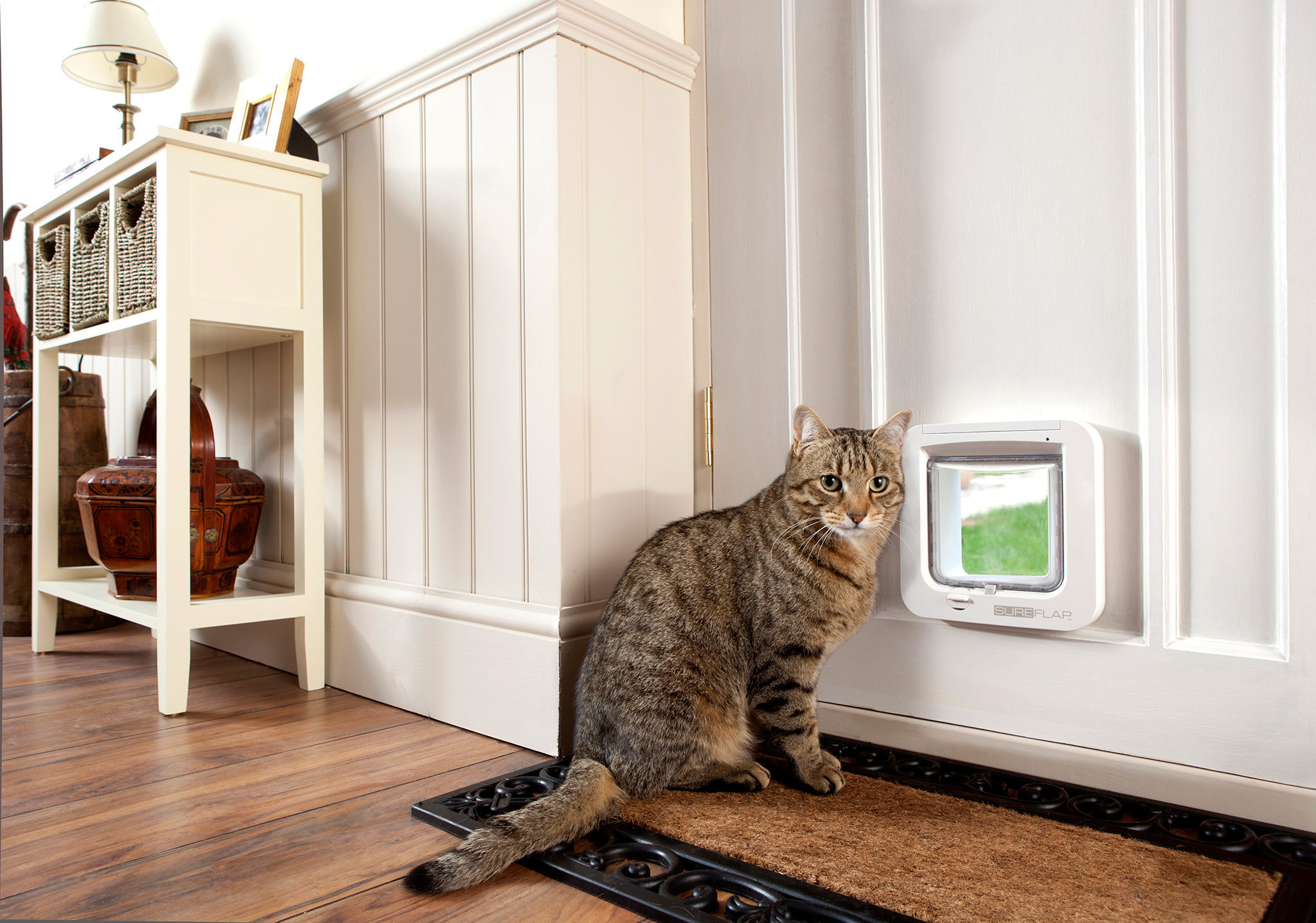
Microchip pet doors provide a smart way to control your pet’s access. They use technology to allow only your pet to enter or exit. This system keeps other animals out, giving you peace of mind. Understanding how these doors operate helps you see their value.
Microchip Technology Basics
Microchips are small devices implanted under your pet’s skin. Each chip has a unique ID number. A scanner reads this ID when your pet approaches the door. The chip sends a signal to the pet door system. This signal tells the door who is outside.
Signal Recognition Process
The pet door has a built-in scanner. It constantly searches for microchip signals nearby. When your pet comes close, the scanner detects the chip’s ID. The door compares this ID to its allowed list. If the ID matches, the door prepares to open.
Door Activation Mechanism
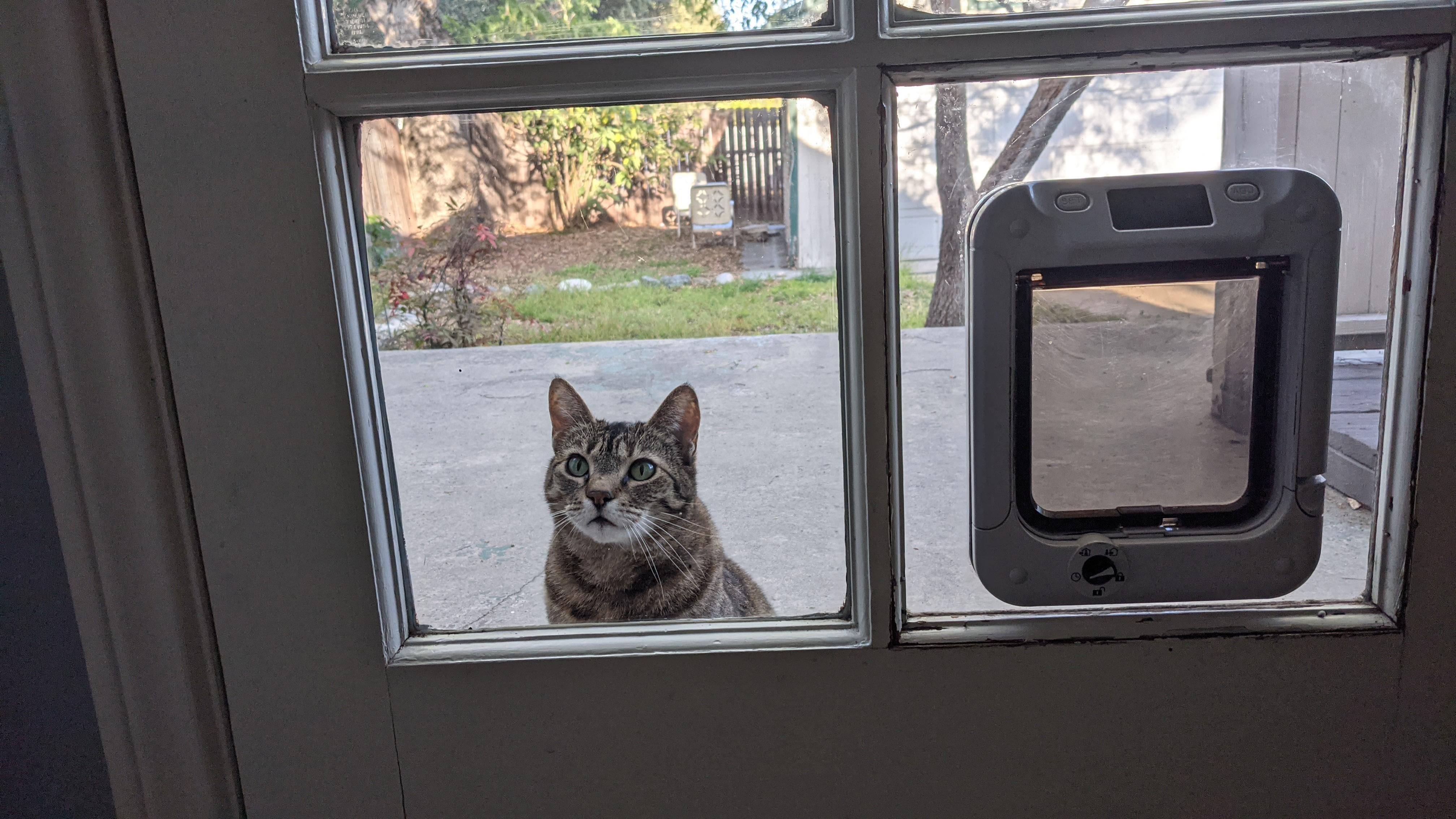
Once the ID is confirmed, the door unlocks. The door flap moves open smoothly. Your pet can enter or leave without help. After your pet passes, the door closes automatically. This prevents other animals from entering.
Credit: www.petdoors.com
Types Of Microchip Pet Doors
Microchip pet doors come in different types. Each type uses unique technology to recognize your pet’s microchip. Choosing the right type helps keep your pet safe and secure. Understanding these types makes picking easier and smarter.
Some pet doors use magnetic signals, while others rely on radio waves. Also, power options vary; some doors run on batteries, others need wiring. Each option has its pros and cons for your home and pet.
Magnetic Vs. Radio Frequency Identification
Magnetic pet doors detect a small magnet inside your pet’s collar. The door unlocks only when the magnet is close. This method is simple and effective. It does not require a microchip implant.
Radio Frequency Identification (RFID) doors read the microchip inside your pet. The door opens only for pets with the correct microchip. It offers better security by avoiding false openings.
RFID doors are more common for pets with implanted microchips. Magnetic doors work well for pets without implants. Both types help keep unwanted animals out.
Battery-powered Vs. Wired Models
Battery-powered pet doors are easy to install anywhere. They do not need a power outlet. Batteries usually last several months before needing a change.
Wired pet doors connect directly to your home’s electricity. They work continuously without battery changes. These doors often have stronger motors and more features.
Battery models offer flexibility in placement. Wired models provide steady power and reliability. Your choice depends on your home setup and preferences.
Installation Tips
Installing a microchip pet door is simple with the right steps. Proper installation ensures your pet’s safety and convenience. Follow these tips to make the process smooth and effective.
Choosing The Right Location
Select a spot your pet uses often. Near a common door or wall works well. Avoid places with heavy wind or rain. Ensure the area is easy to access for your pet. The door should be at your pet’s height for comfort.
Step-by-step Setup Guide
Start by measuring your pet’s size. Cut an opening that fits the door snugly. Attach the frame securely to avoid gaps. Connect the electronic parts to power or batteries. Test the door’s movement to ensure smooth operation. Follow the manufacturer’s instructions carefully for best results.
Programming Your Pet’s Microchip
Activate the door’s sensor to recognize your pet’s microchip. Hold your pet near the door during programming. The door will learn your pet’s unique chip signal. Test the door by letting your pet approach. Make adjustments if the door does not open easily. This step prevents unwanted animals from entering.
Benefits For Pet Owners
Microchip pet doors offer many advantages to pet owners. These doors use technology to make life easier and safer for both pets and their owners. They provide control, security, and help save energy.
Pets can come and go without owners needing to open the door each time. Owners feel peace of mind knowing their pet is protected. The door works with your pet’s microchip, allowing only your pet to enter or leave.
Enhanced Security
Only pets with the registered microchip can use the door. This stops stray animals from entering your home. It reduces the risk of unwanted guests or wild animals coming inside. You can trust your home stays safe.
Controlled Pet Access
You decide when your pet can go outside or inside. The door recognizes your pet’s chip and opens only for them. It prevents other animals from disturbing your pet or home. You keep control without constant supervision.
Energy Efficiency
The door opens only for your pet, keeping the house temperature stable. It prevents cold or hot air from entering your home. This lowers heating and cooling costs. Your home stays comfortable and energy use stays low.
Potential Challenges
Microchip pet doors offer great convenience and security. Still, some challenges can affect their performance. Knowing these issues helps you use the door better and avoid problems. Here are the main challenges you might face with microchip pet doors.
Compatibility Issues
Not all microchip pet doors work with every pet’s microchip. Some doors read specific chip types only. Older or non-standard chips might not trigger the door. This means your pet may not get access if the chip is incompatible. Check the door’s chip compatibility before buying. Matching your pet’s chip with the door is crucial.
Signal Interference
Microchip pet doors use radio signals to detect your pet. Other devices may cause signal interference. Wireless routers, metal objects, or thick walls can block signals. This may stop the door from opening or cause it to open too often. Placing the door away from electronics helps reduce interference. Test the area to ensure a clear signal path.
Maintenance Needs
Microchip pet doors require regular maintenance to work well. Dirt, dust, and pet hair can block sensors or locks. Batteries in the door must be checked and replaced on time. Failing to clean or maintain the door can cause it to malfunction. Regular checks keep the door safe and reliable for your pet.
Credit: kdfoundation.org
Training Your Pet
Training your pet to use a microchip pet door takes patience and clear steps. Pets need time to understand how the door works. You can help them feel safe and confident. This section guides you through simple ways to teach your pet.
Introducing The Door
Start by showing the door to your pet. Let them sniff and explore it while it is open. Keep the microchip sensor off at first. Allow your pet to pass through freely. This builds trust and reduces fear of the new object.
Encouraging Use
Turn on the microchip sensor after your pet is calm. Use treats or toys near the door to invite your pet to pass through. Praise your pet each time they use the door correctly. Repeat this often until your pet feels comfortable.
Troubleshooting Behavior
Some pets may hesitate or avoid the door. Check if the door sensor reads your pet’s chip correctly. Make sure the door swings easily and quietly. Try using more treats or short training sessions. Stay patient and consistent to help your pet adjust.
Comparing To Traditional Pet Doors
Microchip pet doors offer a modern solution compared to traditional pet doors. They use technology to allow only your pet to enter or exit. This adds layers of control and safety. Traditional pet doors are simple flaps that anyone or any animal can use. Let’s explore how these two types differ in key areas.
Security Differences
Traditional pet doors do not control who enters your home. Any animal or even a person can use them. Microchip pet doors read your pet’s unique chip. They unlock only for your pet. This stops stray animals and unwanted visitors. It keeps your home safer and your pet secure.
Cost Considerations
Traditional pet doors are usually cheaper. They have no electronic parts or chips. Microchip pet doors cost more because of technology inside. The price covers sensors and programming. Think of it as an investment in safety. The higher cost can save money on pet care or home repairs.
Convenience Factors
Traditional doors let pets go in and out anytime. They work without batteries or electricity. Microchip doors need power to read chips and open. They prevent other animals from bothering your pet. You can control your pet’s outdoor time better. Some models allow you to set schedules for door access.
Popular Brands And Models
Microchip pet doors offer smart entry for pets using their unique microchips. Several brands design these doors with special features for safety and convenience. Choosing the right model depends on your pet’s needs and your home setup.
Top-rated Options
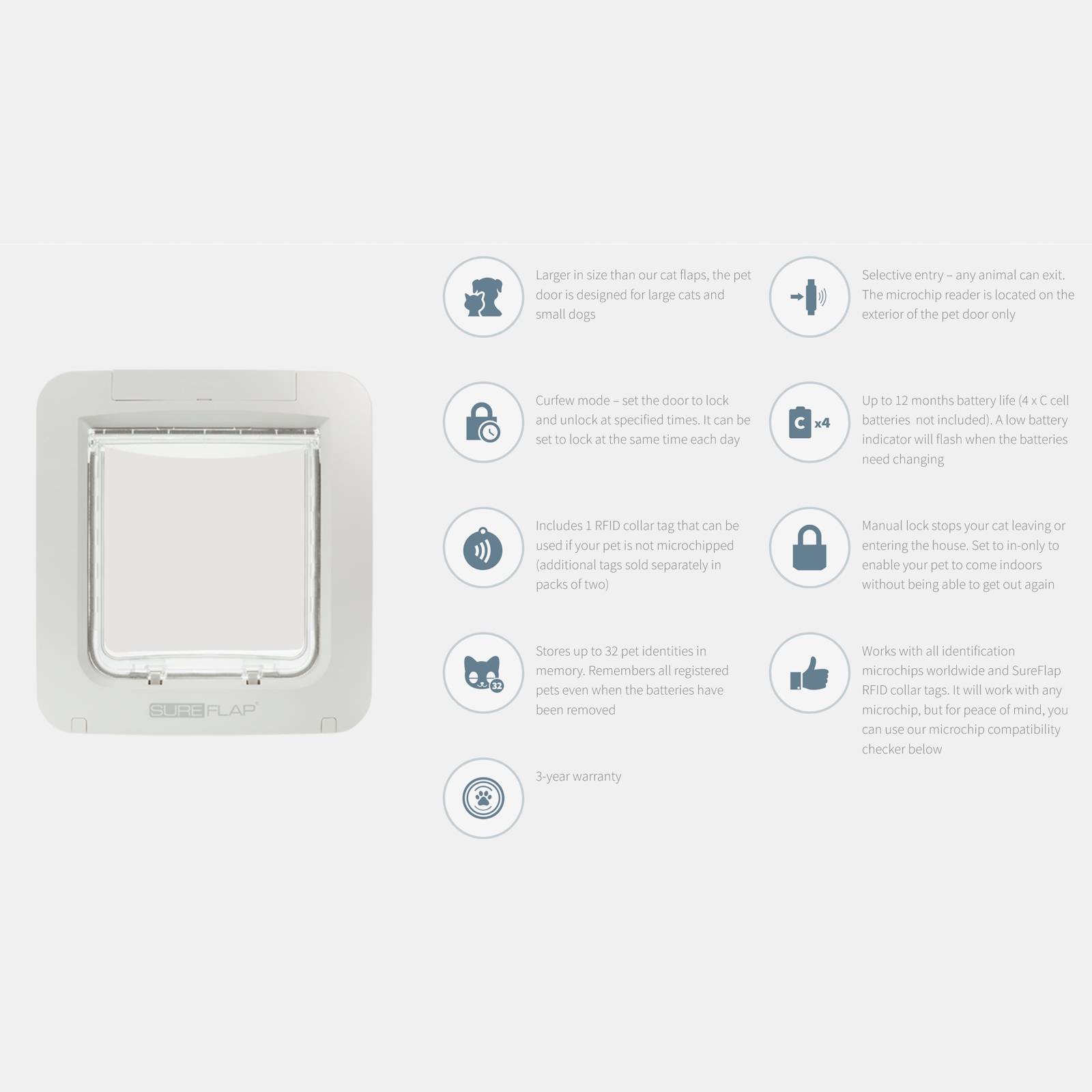
The PetSafe Microchip Pet Door is popular for its reliability and ease of use. It works with most pet microchips and can store multiple chip IDs. SureFlap Microchip Pet Door is known for its secure flap and energy-saving mode. It also fits pets of various sizes. High-tech models like the Cat Mate Elite use infrared sensors to detect your pet’s chip. These doors offer extra control but at a higher price.
Feature Comparison
PetSafe doors often include a locking mechanism for added security. SureFlap models focus on battery life and flap durability. Cat Mate Elite adds a timer function to limit pet access at certain hours. Weight and size limits vary across brands. Some doors support both cats and small dogs, while others are best for cats only. Many models allow manual locking, giving you control over when pets can enter or exit.
Frequently Asked Questions
How Does A Microchip Pet Door Detect Pets?
A microchip pet door reads your pet’s unique microchip ID. When your pet approaches, the door scans and unlocks only for recognized microchips. This ensures only your pets can enter, enhancing safety and preventing unwanted animals from accessing your home.
Can A Microchip Pet Door Keep Stray Animals Out?
Yes, it keeps stray animals out by recognizing only registered microchips. The door remains locked for pets without the programmed microchip ID. This selective entry system provides security by allowing access exclusively to your pets.
What Pets Are Compatible With Microchip Pet Doors?
Microchip pet doors work with dogs and cats implanted with standard microchips. Most microchips used by veterinarians are compatible. Ensure your pet’s microchip matches the door’s scanning system before purchase for seamless operation.
How Reliable Is A Microchip Pet Door’s Sensor?
Microchip pet door sensors are highly reliable, using RFID technology to detect microchips accurately. They respond quickly to your pet’s approach and rarely produce false positives. Regular maintenance and correct installation improve sensor performance and longevity.
Conclusion
A microchip pet door lets your pet come and go freely. It reads your pet’s unique microchip to unlock only for them. This keeps other animals out and your pet safe inside. The door uses simple technology that works quietly and fast.
Installing one can help your pet stay happy and healthy. It’s a smart choice for pet owners who want control and convenience. Understanding how it works helps you decide if it fits your home. Small but useful. Safe and easy.