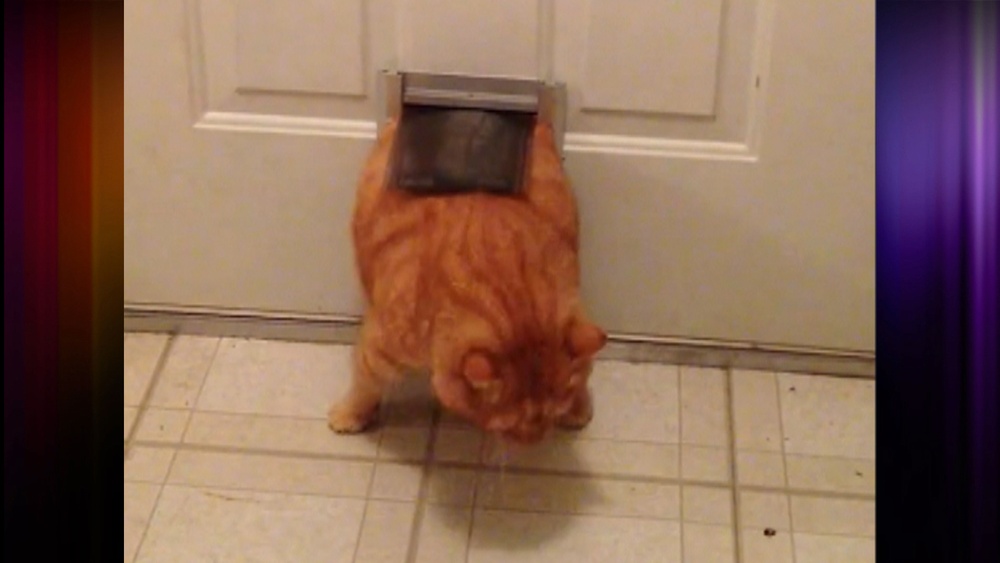

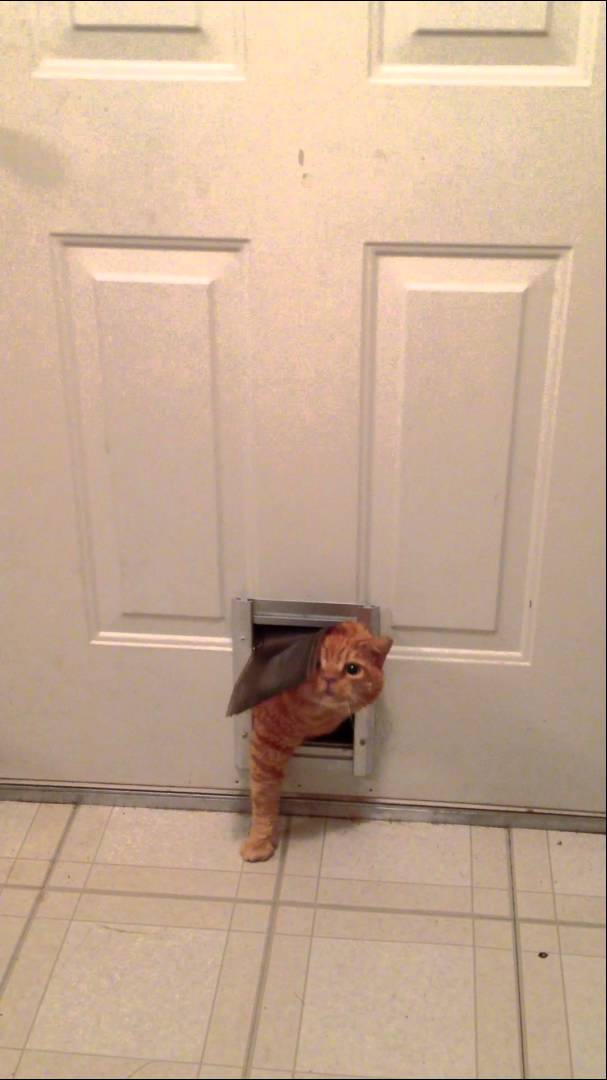
If you have a chubby cat, you know how tricky it can be to find the right pet door. Too small, and your furry friend gets stuck or frustrated.
Too big, and it might let in unwanted visitors or lose heat. So, how do you choose the perfect size? You’ll discover exactly how big a pet door should be for your fat cat. By the end, you’ll feel confident that your cat can come and go comfortably—and you’ll avoid common mistakes that many pet owners make.
Keep reading to make life easier for both you and your feline friend!

Credit: www.arloren.com
Choosing The Right Pet Door Size
Choosing the right pet door size is key for a fat cat’s comfort and safety. The door should fit your cat well. Too small, and your cat may get stuck. Too big, and your home might lose heat or let other animals in. Measure carefully and think about your cat’s shape and fur. This helps pick the best size for your furry friend.
Measuring Your Cat Accurately
Start by measuring your cat’s width at the widest part. Usually, this is the chest or belly area. Use a soft tape measure to get the exact number. Also, measure your cat’s height from the floor to the top of the shoulders. Write down these numbers. They help find a door your cat can easily pass through.
Considering Weight And Body Shape
Weight gives an idea of your cat’s size but not the full picture. Some fat cats have round bodies, others have long ones. Look at your cat’s body shape closely. A round cat needs a wider door. A longer cat may need a taller door. Choose a door size that fits your cat’s unique body shape well.
Accounting For Seasonal Fur Changes
Fur gets thicker in cold months and thinner in warm months. Thick fur makes your cat look bigger. Measure your cat’s size during winter for a better fit. This prevents the door from feeling tight. Also, a slightly larger door makes passing easier all year. Remember, a good pet door should be comfy in every season.
Standard Pet Door Sizes
Choosing the right pet door size is important for your fat cat’s comfort. Standard pet door sizes fit most cats, but bigger cats need more space. These sizes help your cat move freely without struggle. Understanding these options makes choosing easier. Let’s explore the common sizes available for pet doors.
Small And Medium Options
Small pet doors usually measure about 5 by 7 inches. They fit tiny cats or kittens well. Medium sizes are around 7 by 10 inches. These work for most average-sized cats. Both sizes may feel tight for a fat cat. Your cat might have trouble squeezing through.
Large Sizes For Bigger Cats
Large pet doors typically measure 10 by 15 inches or more. These sizes suit bigger or overweight cats better. They allow easy passage without bending or squeezing. Large doors reduce stress and prevent injury. Measure your cat’s width before choosing a large size.
Customizable Pet Doors
Custom pet doors offer flexible size options. You can get a door made to your cat’s exact measurements. These doors provide the best fit and comfort. Custom options also come with extra features like insulation. This choice suits owners with very large or unique cats.
Materials And Designs For Fat Cats
Choosing the right materials and designs for a fat cat’s pet door is very important. The door must be strong and comfortable. It should last long and protect your home from weather. The size must fit your cat well, but the materials also need to handle extra weight. Good design keeps your cat safe and happy.
Durable Frames And Flaps
Strong frames prevent damage from heavy cats pushing through. Look for frames made of metal or thick plastic. These materials hold up better than thin plastic or wood. The flap should be flexible but tough. Vinyl or rubber flaps work well because they do not tear easily. A sturdy frame and flap help the door last longer.
Insulation And Weatherproofing
Insulated doors keep cold air out and warm air in. This is important in colder climates. Weatherproof seals around the edges stop rain and wind from entering. Look for doors with foam or rubber seals. These seals fit tight around the flap. This keeps your home warm and dry while letting your cat come and go.
Safety Features To Consider
Safety is key for pets using doors. Choose doors with clear flaps so your cat can see outside. Rounded edges prevent cuts or scrapes. Some doors have locking options to keep your cat inside or outside as needed. Make sure the door is wide enough so your cat does not get stuck. Safe designs protect your cat and give you peace of mind.
Installation Tips For Bigger Pet Doors
Installing a bigger pet door for a fat cat needs some careful planning. The door must fit your cat comfortably and work well in your home. Proper installation makes sure your cat uses the door easily and safely. Here are some tips to help with installing a larger pet door.
Choosing The Best Location
Pick a spot your cat visits often. The door should be low enough for your cat to reach. Avoid places with lots of noise or heavy traffic. A calm area helps your cat feel safe. Also, check that the wall or door is strong enough for the pet door.
Adjusting Door Height And Width
Measure your cat carefully before cutting the door. The height must allow your cat to pass without bending too much. The width should be wide enough for your cat’s body. Leave some extra space for comfort. Make sure the flap swings freely without sticking.
Ensuring Easy Access For Your Cat
Clear any obstacles near the door. Keep the area tidy so your cat can see the door easily. Add a small ramp or step if needed. This helps older or heavy cats enter with less effort. Check the door often to fix any issues quickly.
Common Challenges And Solutions
Choosing the right size pet door for a fat cat brings some challenges. These issues can affect your cat’s comfort and the door’s durability. Understanding common problems helps you find simple solutions. This section covers three main challenges and easy ways to fix them.
Dealing With Stubborn Cats
Some cats refuse to use a new door at first. They may feel scared or unsure. Try placing treats and toys near the door to encourage use. Let your cat watch you open and close it. Patience and gentle training help build trust and habit.
Preventing Door Damage
Fat cats can push hard and cause scratches or cracks. Choose a door made from strong materials like heavy plastic or metal. Adding a protective flap or guard reduces wear. Regular checks catch damage early before it gets worse.
Maintaining Door Functionality
Dirt and fur can block the door’s moving parts. Clean the door often with a soft cloth and mild soap. Check hinges and locks to keep them working smoothly. Lubricate parts if they start to stick or squeak.

Credit: www.reddit.com
Alternative Solutions For Overweight Cats
Finding the right pet door size for an overweight cat can be tricky. Some cats struggle with standard doors. Alternative solutions help make pet doors easier and safer for heavy cats. These ideas focus on comfort, training, and health. They also keep your cat active and happy.
Training To Use Larger Doors
Introduce your cat slowly to a bigger pet door. Let your cat explore the door area without pressure. Use treats or toys near the door to encourage use. Practice daily with short sessions. Praise your cat for each successful pass. This builds confidence and reduces fear of the door.
Health And Weight Management Tips
Helping your cat lose weight improves door use and health. Feed smaller, balanced meals on a schedule. Avoid free feeding or too many treats. Increase playtime to boost activity and burn calories. Consult your vet for a safe weight plan. A healthy cat moves easier and fits through doors better.
Using Electronic Pet Doors
Electronic pet doors open only for your cat. These doors use a collar sensor or microchip. This stops other animals from entering. The door size can be larger without risk. Electronic doors offer convenience and safety. They help heavy cats pass through with less effort.
Credit: kdfoundation.org
Frequently Asked Questions
What Size Pet Door Fits A Fat Cat Best?
Measure your cat’s width and height first. Add extra inches for comfort. A door around 10-12 inches wide and 15-18 inches tall suits most fat cats well, ensuring easy access without strain.
How To Measure My Fat Cat For A Pet Door?
Use a soft tape measure around the widest part of your cat’s body. Measure height from shoulder to floor. These dimensions help choose a door that fits comfortably and prevents your cat from getting stuck.
Can A Larger Pet Door Help Overweight Cats?
Yes, a larger door reduces stress and injury risk. It allows your overweight cat to move through easily. Make sure the door isn’t too big to avoid drafts or security issues.
Are Adjustable Pet Doors Good For Fat Cats?
Adjustable pet doors offer flexibility as your cat’s size changes. They allow you to modify the opening size. This feature is useful for growing or weight-fluctuating fat cats.
Conclusion
Choosing the right pet door size helps your fat cat move freely. Measure your cat’s width and height carefully before buying. A door too small causes frustration and limits your cat’s freedom. A door too big might let in cold air or other animals.
Balance size with safety and comfort. Your cat will enjoy easy access to both indoors and outdoors. This simple step makes life better for you and your pet. Keep your cat happy and healthy with a well-sized pet door.