Have you ever wondered how long your smoke detector will keep you safe? You rely on it to alert you in an emergency, but do you know when it’s time to replace it?
Understanding the lifespan of your smoke detector is crucial for your safety and peace of mind. Keep reading to discover how long these lifesaving devices last and what signs tell you it’s time for a new one. Your safety depends on it.

Credit: forbel.com
Smoke Detector Lifespan Basics
Smoke detectors are essential for home safety. They warn you early about fires. Knowing how long they last helps keep your home safe. Smoke detectors do not work forever. They wear out over time and need replacing. Understanding their lifespan basics is key to protecting your family.
Average Duration Of Smoke Detectors
Most smoke detectors last between 8 and 10 years. After this period, their sensors become less reliable. The battery may still work, but the detector might not detect smoke well. Manufacturers usually recommend replacing the entire unit after 10 years. This ensures the detector works properly and keeps you safe.
Factors Affecting Detector Longevity
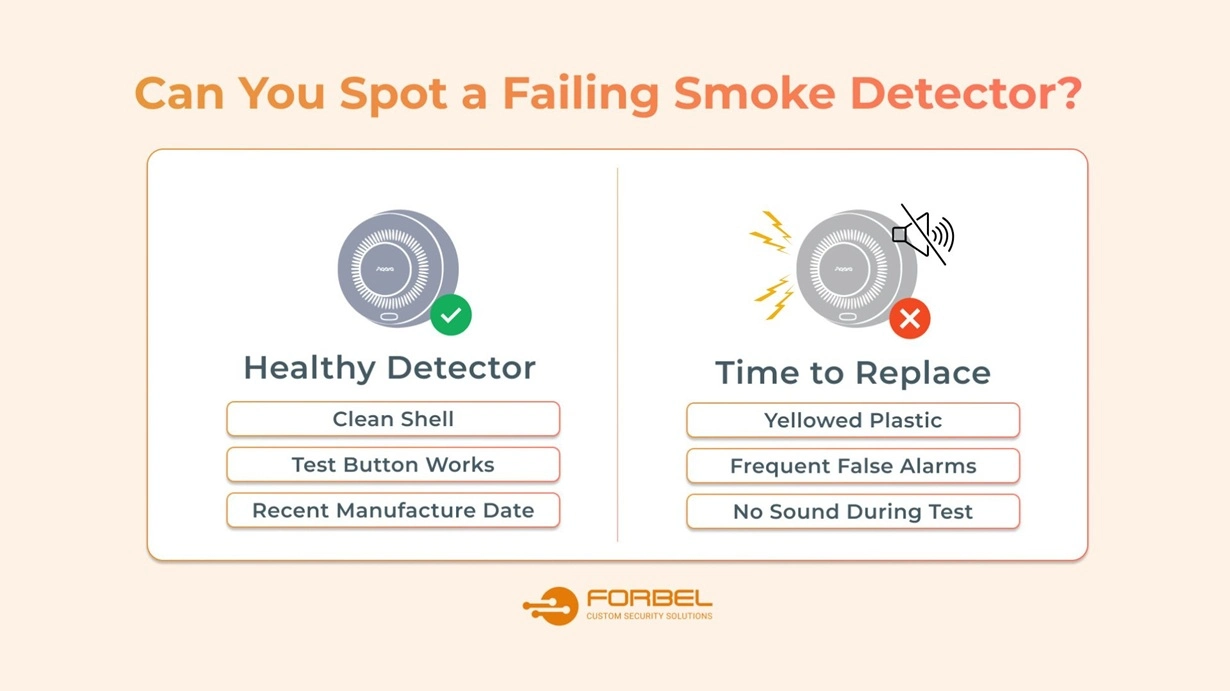
Several factors can change how long a smoke detector lasts. Dust and dirt buildup can block the sensors. High humidity or extreme temperatures can damage the unit. Frequent false alarms and constant testing may wear out the detector faster. Proper maintenance, like regular cleaning, helps extend its life. Always follow the manufacturer’s guidelines for best results.
Credit: forbel.com
Types Of Smoke Detectors
Smoke detectors are vital for home safety. Different types detect smoke in different ways. Understanding these types helps you choose the right alarm for your home. Each type has unique features and lifespans. Knowing this can improve your fire protection.
Ionization Smoke Detectors
Ionization smoke detectors detect fast-flaming fires. They use a small amount of radioactive material. This material ionizes the air inside a sensing chamber. When smoke enters, it disrupts the ion flow. This triggers the alarm quickly. These detectors work well for detecting small smoke particles.
Photoelectric Smoke Detectors
Photoelectric smoke detectors respond to slow, smoldering fires. They use a light source and sensor inside the unit. Smoke scatters the light beam, which triggers the alarm. These detectors are better at sensing larger smoke particles. Homes with lots of fabrics or furniture benefit from photoelectric detectors.
Combination Alarms
Combination alarms include both ionization and photoelectric sensors. They offer broad fire detection coverage. These alarms detect both fast and slow fires effectively. Combination alarms provide extra safety in one device. Many fire experts recommend these for homes.
Signs It’s Time To Replace
Smoke detectors do not last forever. They lose their ability to detect smoke effectively over time. Knowing the signs of an old or faulty smoke detector can keep your home safe. Watch for changes in how your smoke detector works or looks. These signs tell you when it is time to replace it.
Frequent False Alarms
False alarms that happen often may mean your smoke detector is failing. Dust, dirt, or aging sensors can cause this problem. A smoke detector that goes off without smoke is not reliable. Replace it if false alarms happen regularly to avoid ignoring real danger.
Physical Wear And Tear
Check your smoke detector for cracks, discoloration, or other damage. Yellowing plastic or broken parts show it is old and worn out. Damage can affect the detector’s ability to sense smoke. Physical wear and tear is a clear sign you need a new unit.
Battery Issues
Constant low battery warnings or rapid battery drain are warning signs. Sometimes, the battery light blinks even after replacing the battery. This means the detector’s internal parts may be failing. Replace the smoke detector if battery issues continue despite new batteries.
Credit: support.firstalert.com
Maintenance Tips To Extend Life
Proper care helps your smoke detector work longer and better. Following simple steps can keep it reliable. Regular checks and cleaning stop false alarms and failures. Change batteries on time to avoid surprises. These tips save lives and money.
Regular Testing
Test your smoke detector every month. Press the test button until you hear a loud beep. This confirms the alarm works correctly. If no sound, replace the battery or the unit. Do not ignore test signals. This small step prevents big problems.
Cleaning Procedures
Dust and dirt block smoke sensors. Clean your detector every six months. Use a soft brush or vacuum cleaner on low power. Avoid water or sprays on the device. Keep vents clear to ensure fast smoke detection. Clean detectors last longer and stay sensitive.
Battery Replacement Guidelines
Replace batteries at least once a year. Use fresh, high-quality batteries only. Some detectors use long-life lithium batteries. Check the user manual for battery type. Remove old batteries safely and insert new ones firmly. Low battery signals need quick attention to stay safe.
Disposal And Replacement
Smoke detectors do not last forever. After several years, they need proper disposal and replacement. Doing this right keeps your home safe and your detector working well. Old units may fail to detect smoke, so timely action is important.
Safe Disposal Methods
Smoke detectors contain small amounts of radioactive material. This means you cannot throw them in the regular trash. Check local rules for hazardous waste disposal. Many areas have special drop-off points or recycling centers. Remove the battery before disposal to prevent damage.
Choosing A New Detector
Pick a smoke detector that fits your home and needs. Look for models with a long lifespan and good reviews. Consider detectors with both smoke and carbon monoxide sensors. Choose battery-powered or hardwired types based on your house wiring. Always check the manufacture date on the box.
Installation Best Practices
Install new smoke detectors on every floor of your home. Place them near bedrooms and living areas for best coverage. Mount detectors on ceilings or high on walls. Avoid placing them near kitchens or bathrooms to reduce false alarms. Test each unit after installation to ensure it works properly.
Frequently Asked Questions
How Often Should You Replace A Smoke Detector?
Smoke detectors should be replaced every 10 years for optimal safety. Over time, sensors degrade and may fail to detect smoke accurately. Regular replacement ensures your home remains protected from fire hazards effectively.
Can A Smoke Detector Last Longer Than 10 Years?
While some detectors may function beyond 10 years, manufacturers recommend replacement at this mark. Aging sensors and batteries reduce reliability. For safety, follow the 10-year guideline to maintain proper smoke detection performance.
What Are Signs A Smoke Detector Needs Replacement?
Frequent false alarms, failure to sound during tests, or visible damage indicate replacement. Also, check the manufacture date inside the detector. If it’s over 10 years old, replace it immediately to ensure safety.
Does Battery Type Affect Smoke Detector Lifespan?
Yes, battery type impacts lifespan. Detectors with sealed lithium batteries can last up to 10 years without replacement. Others using standard batteries require annual changes. Choose models with long-life batteries for less maintenance.
Conclusion
Smoke detectors keep your home safe every day. They usually last about 8 to 10 years. After that, they may not work well. Test them monthly to ensure they still function. Replace batteries once a year or when low. Don’t wait for the detector to fail.
A working smoke alarm can save lives. Stay safe by checking your smoke detectors regularly. Simple steps can protect your family and property. Remember, safety starts with a working smoke detector.