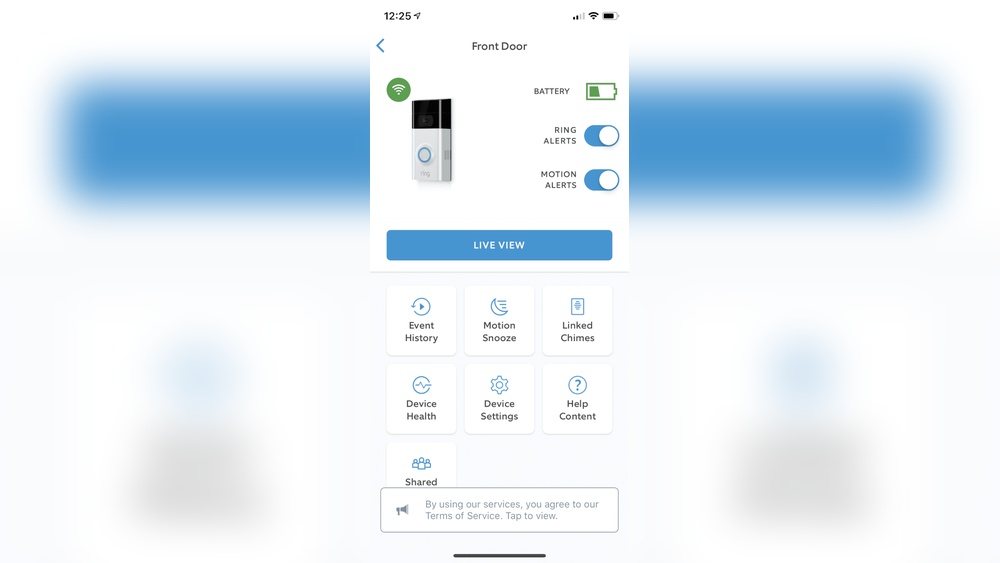

You rely on your video doorbell to keep your home safe and stay connected with visitors. But have you ever wondered how long its battery actually lasts?
Knowing this can save you from unexpected power drops and ensure your doorbell is always ready when you need it most. You’ll discover the key factors that affect battery life and simple tips to make your video doorbell run longer.
Keep reading to make sure your doorbell never leaves you in the dark.
Battery Life Factors
The battery life of a video doorbell depends on several key factors. These factors affect how long the device runs before needing a recharge. Understanding them helps users get the best performance from their doorbell.
Video Doorbell Models
Different doorbell models use different battery sizes and technologies. Some models have larger batteries that last longer. Others use energy-saving features to extend battery life. Higher-end models may include advanced sensors that use more power. Budget models might have simpler functions and lower battery consumption.
Usage Patterns
How often the doorbell is used affects battery life. Frequent visitors or delivery alerts drain the battery faster. Continuous video recording or live streaming uses more power than motion alerts alone. Adjusting how often you check video feeds can save battery. Less usage means longer time between charges.
Environmental Impact
Weather and temperature influence battery performance. Cold weather reduces battery capacity and shortens life. Hot temperatures can also wear the battery faster. Outdoor placement in direct sunlight may heat the device. Rain and humidity can affect the battery if the doorbell is not well sealed.
Power Settings
Many video doorbells let users customize power settings. Lowering video quality or frame rate saves battery. Setting motion sensitivity to avoid false alerts reduces power use. Disabling unnecessary features like continuous recording extends battery life. Proper settings balance performance and battery duration effectively.
Battery Types Used
Video doorbells need power to work properly. The battery type affects how long the doorbell lasts. Different batteries give different power levels and run times. Some batteries recharge, while others need to be replaced. Understanding the battery types helps you choose the right video doorbell.
Rechargeable Lithium-ion
Rechargeable lithium-ion batteries are common in video doorbells. They hold a lot of power in a small space. These batteries recharge quickly with a charger. They last longer than many other battery types. Lithium-ion batteries perform well in cold and hot weather. They keep your doorbell running for weeks on a single charge.
Alkaline Batteries
Alkaline batteries are less common but still used. They are easy to find in stores. These batteries are not rechargeable. When drained, you must replace them with new ones. Alkaline batteries usually last a shorter time than lithium-ion. They work well for devices with low power needs.
Battery Capacity Ratings
Battery capacity shows how much energy a battery holds. It is measured in milliamp-hours (mAh). Higher mAh means longer battery life. Video doorbells with larger capacity batteries need fewer charges. Battery capacity helps predict how long your doorbell will run. Choose a battery with enough capacity for your needs.
Average Battery Duration
Understanding the average battery duration of a video doorbell helps set clear expectations. Battery life varies based on usage, settings, and environment. Knowing these details can help you plan for recharging or replacing batteries on time.
Standby Time
Standby time is how long the battery lasts when the doorbell is not actively used. During standby, the doorbell consumes very little power. Most video doorbells can last several months in standby mode. This long standby time helps conserve battery when there are no visitors or alerts.
Active Use Time
Active use time refers to battery life during live video recording or motion alerts. This use drains the battery faster than standby. On average, active use can reduce battery life to a few weeks. Frequent motion detection or video calls will shorten how long the battery lasts. Adjusting sensitivity and video quality can help extend active use time.
Seasonal Variations
Battery performance can change with weather and temperature. Cold weather often reduces battery life. Batteries drain faster in winter compared to summer. Warm temperatures support better battery performance. Keep this in mind if you live in areas with extreme weather. Seasonal changes affect how often you need to recharge your video doorbell.
Credit: www.onithome.com
Extending Battery Life
Extending the battery life of your video doorbell helps you avoid frequent recharging. It also ensures your doorbell works smoothly for longer periods. Small changes in how you use and maintain your device can make a big difference.
Focus on simple steps like adjusting settings and keeping the device updated. These actions help save energy and keep the battery in good shape. Let’s explore some practical ways to extend your video doorbell’s battery life.
Optimizing Settings
Lower the video quality to reduce power use. Set motion detection to only trigger for important events. Turn off continuous video recording if not needed. Adjust the night vision to activate only in very low light. These tweaks reduce battery drain effectively.
Regular Maintenance
Clean the camera lens and sensors regularly. Dirt and dust can cause the device to work harder. Check for any loose wires or damage. Replace worn-out parts quickly to prevent energy waste. Good maintenance keeps the battery running longer.
Firmware Updates
Install firmware updates as soon as they are available. Updates often improve battery management and device efficiency. They fix bugs that might cause extra battery drain. Keeping the software current helps your doorbell last longer.
Energy-saving Tips
Turn off the device during long absences. Use schedules to power down at certain times. Limit alerts to reduce unnecessary activity. Place the doorbell in a shaded spot to avoid heat damage. These habits help conserve battery power daily.
Signs Of Battery Wear
Recognizing signs of battery wear helps keep your video doorbell working well. Batteries lose power over time. This affects how long your device lasts between charges. Spotting early signs can save you from sudden power loss. It also helps plan for battery replacement on time.
Reduced Performance
Your video doorbell may slow down or freeze more. Video quality might drop or delay notifications. The device could miss some alerts or respond late. These problems often mean the battery can’t supply enough power.
Frequent Recharging
Needing to recharge the battery more often is a clear sign. Your doorbell used to last weeks but now only days. Short battery life means the battery capacity is shrinking. This forces you to plug in the device more frequently.
Device Alerts
Many video doorbells notify you about battery issues. You may see warnings on the app or hear sounds from the device. These alerts signal low battery health or charge problems. Ignoring alerts can lead to sudden shutdowns and missed visitors.
Credit: www.esseg.eu
Charging And Replacement
Battery life is a key factor for video doorbells. Knowing how to charge and replace the battery helps keep your doorbell working well. Proper care extends the battery’s life and ensures your doorbell stays active.
Charging Methods
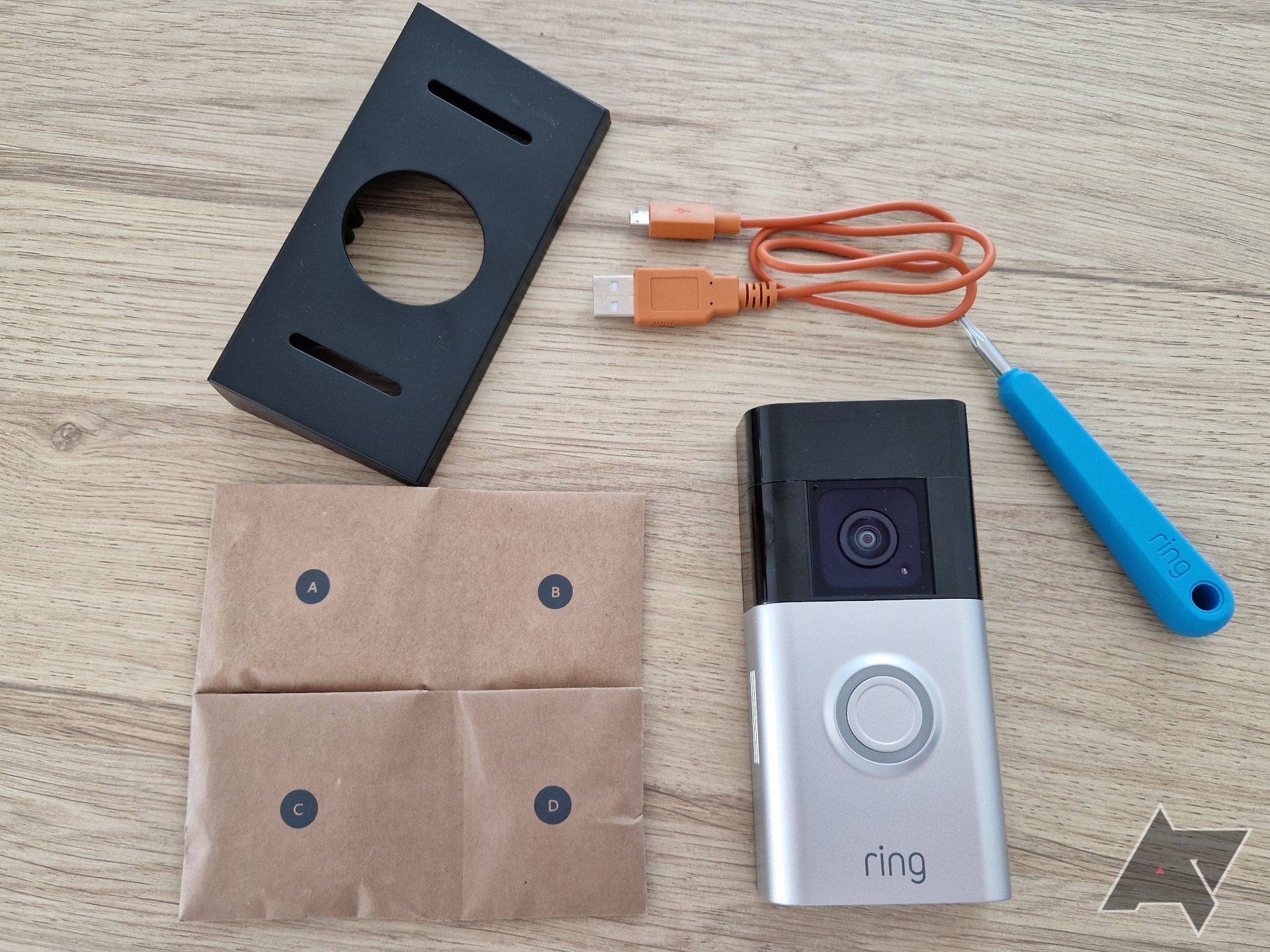
Most video doorbells use rechargeable batteries. You can charge them using a USB cable or a charging dock. Some models allow charging without removing the battery. Plug the charger into a power source, then connect it to the doorbell or battery. Charging times vary but usually take a few hours.
Replacement Guidelines
Over time, batteries lose their ability to hold a charge. Replace the battery if it drains quickly or stops working. Use only batteries recommended by the doorbell manufacturer. Turn off the doorbell before removing the old battery. Insert the new battery carefully to avoid damage.
Safety Precautions
Handle batteries with care to avoid damage or injury. Avoid exposure to water or extreme temperatures. Do not puncture or crush the battery. Charge batteries in a safe area away from flammable materials. Dispose of old batteries following local regulations to protect the environment.
Comparing Wired Vs. Battery Models
Choosing between wired and battery-powered video doorbells affects how long the device lasts and performs. Both types have pros and cons related to power supply and usage. Understanding these differences helps pick the right model for your needs. Below, we compare their installation, power reliability, and costs.
Installation Differences
Wired video doorbells connect directly to your home’s electrical system. Installation needs some wiring skills or professional help. Battery models are easier to install. They only need mounting on the wall. No wiring or electrical work is required. This makes battery models ideal for renters or homes without doorbell wiring.
Power Reliability
Wired doorbells have constant power from your home’s electricity. This means they never run out of battery. Battery models rely on rechargeable batteries. Battery life varies from a few weeks to months, depending on usage. Frequent alerts or video recording drain batteries faster. You must recharge or replace batteries for these models.
Cost Implications
Wired doorbells may cost more upfront due to installation fees. They often save money in the long run with no battery replacements. Battery models usually cost less initially but need battery maintenance. Buying replacement batteries adds to overall costs. Consider both purchase and upkeep costs before deciding.
Credit: kdfoundation.org
Future Battery Technologies
Battery life remains a key concern for video doorbells. As technology evolves, so do the solutions to extend battery performance. Future battery technologies promise longer-lasting power and better energy use. These innovations could reduce the need for frequent recharging. They also aim to make video doorbells more reliable and convenient.
Advances In Battery Chemistry
New battery materials improve energy storage and safety. Solid-state batteries offer higher capacity and faster charging. They use solid electrolytes instead of liquid ones. This change reduces risks of leaks and fires. Lithium-sulfur batteries provide lighter weight and longer life. These advances can double or triple battery runtime for video doorbells.
Solar-powered Options
Solar panels help recharge batteries using sunlight. Small solar cells can be built into doorbell units. This setup allows continuous trickle charging outdoors. It reduces the need to remove batteries for charging. Solar power works well in sunny areas. It extends battery life and lowers maintenance efforts.
Smart Energy Management
Smart systems monitor battery use and adjust power needs. They turn off non-essential functions during low battery. Motion detection and video recording become more efficient. These systems learn user habits and optimize energy use. This technology stretches battery life without sacrificing performance.
Frequently Asked Questions
How Long Does A Video Doorbell Battery Typically Last?
Video doorbell batteries usually last between 3 to 12 months. Battery life depends on usage, model, and settings like motion detection frequency.
What Factors Affect Video Doorbell Battery Life?
Battery life varies due to usage frequency, video quality settings, Wi-Fi strength, and temperature. Frequent alerts and live streaming consume more power.
Can I Extend My Video Doorbell Battery Life?
Yes, you can extend battery life by lowering video resolution, reducing motion alerts, and scheduling active hours. Regular firmware updates also help optimize battery use.
How Do Weather Conditions Impact Battery Performance?
Extreme cold or heat can reduce battery efficiency and runtime. It’s best to keep the doorbell sheltered or use models designed for harsh climates.
Conclusion
Battery life on a video doorbell depends on many things. Usage, settings, and weather all play a role. Most batteries last several months before needing a charge. Keeping the device in good condition helps the battery last longer. Regular checks and timely charging prevent surprises.
Choose a model that fits your needs and lifestyle. Good battery life means your home stays safe and connected. Small efforts keep your video doorbell working well for a long time.


