

Have you ever wondered how much a smart mirror could cost you? If you’re thinking about upgrading your home or bathroom with this high-tech gadget, knowing the price is key.
Smart mirrors promise convenience and style, but are they worth the investment? You’ll discover the real costs behind smart mirrors and what you can expect when shopping for one. By the end, you’ll have a clear idea of how expensive these mirrors really are—and whether they fit your budget.
Keep reading to find out!
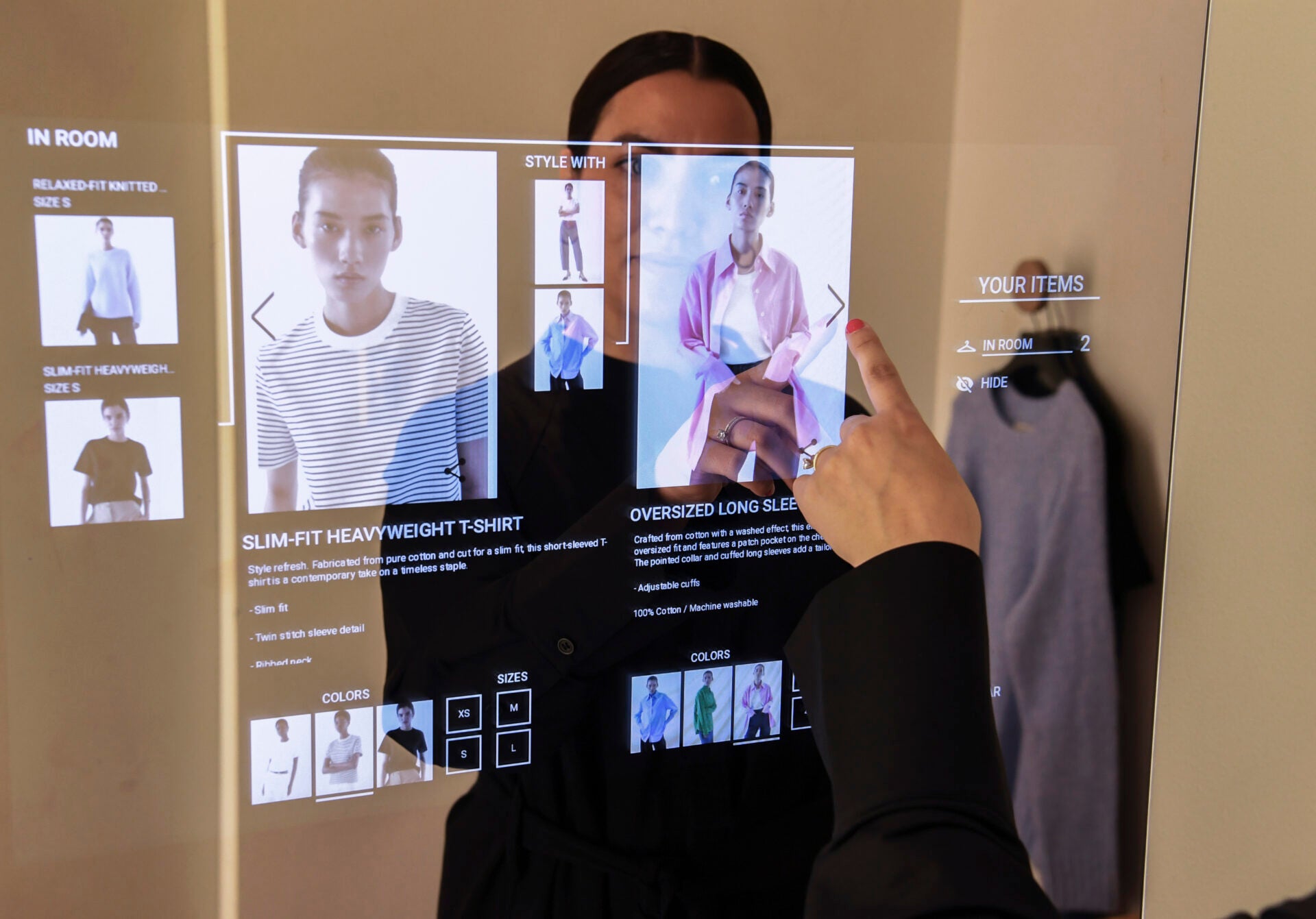
Credit: www.just-style.com
Price Range Of Smart Mirrors
Smart mirrors vary widely in price. This range depends on features, size, and technology. Understanding the price groups helps you choose the right smart mirror for your needs and budget.
Entry-level Options
Entry-level smart mirrors usually cost between $100 and $300. These models offer basic features like touch control and simple displays. They often include time, date, and weather updates. They suit users who want smart functionality without high costs.
Mid-tier Models
Mid-tier smart mirrors range from $300 to $700. These mirrors add more advanced features like voice control and app integration. Some offer fitness tracking or customizable displays. They balance features and price for everyday users.
Premium Smart Mirrors
Premium smart mirrors can cost $700 and above. These mirrors include high-resolution displays and powerful processors. They may offer full voice assistants, HD cameras, and smart home controls. These are ideal for tech enthusiasts and luxury homes.
Key Features Affecting Cost
Smart mirrors vary widely in price. Several key features affect how expensive they are. Understanding these features helps you choose the best smart mirror for your budget.
Display Technology
The type of display impacts the price significantly. LED and LCD screens are common and affordable. OLED displays offer better colors but cost more. Screen size also matters. Larger screens usually increase the cost. High resolution screens provide clearer images but add to the price.
Connectivity And Integration
Smart mirrors connect to devices through Wi-Fi or Bluetooth. Better connectivity options raise the price. Integration with smart home systems like Alexa or Google Home also adds cost. More compatible devices make the mirror more useful but more expensive.
Additional Functionalities
Extra features influence the cost heavily. Touchscreen controls and voice commands add convenience and price. Built-in cameras for fitness or makeup tutorials increase cost. Sensors that track health or environment raise the price too. Each added feature makes the mirror smarter and costlier.
Installation And Maintenance Expenses
Smart mirrors are a modern addition to many homes. Understanding installation and maintenance costs helps plan your budget. These costs vary depending on how you install and care for the mirror. Knowing these expenses ensures no surprises after purchase.
Professional Vs Diy Installation
Professional installation costs can be high. Experts charge for time and skill. This service ensures correct setup and safety. A poor installation might cause damage or poor performance.
DIY installation saves money but needs effort. You must follow instructions carefully. Mistakes can lead to extra costs later. Tools and some technical skill are required. Choose what fits your comfort and budget.
Ongoing Maintenance Costs
Smart mirrors need regular maintenance to work well. Cleaning the screen and frame is simple and low-cost. Software updates may require internet access but are usually free.
Repairs or part replacements can be expensive. Touchscreens and sensors may fail over time. Warranty coverage can reduce repair costs. Budget for occasional maintenance to keep the mirror functional.
Comparing Brands And Models
Smart mirrors vary widely in price and features. Comparing brands and models helps find the best fit for your needs. Different brands focus on various features and designs. Some prioritize style, others focus on technology. Understanding these differences makes choosing easier.
Top Brands In The Market
Several brands lead the smart mirror market. Simplehuman offers sleek designs with bright lighting. HiMirror features skin analysis and beauty tips. Kohler blends smart mirrors with bathroom fixtures. Some brands target fitness, like Mirror, which shows workout videos. Each brand offers unique features and price ranges.
Value For Money Considerations
Price does not always mean better quality. Basic models start around $200 and offer essential features. High-end smart mirrors can cost over $1,000 with advanced tech. Consider what features matter most to you. Check reviews for reliability and user experience. Balance cost with the features that improve daily routines.
Smart Mirrors Vs Traditional Mirrors
Smart mirrors blend technology with everyday use. They show weather updates, news, and even health data. Traditional mirrors only reflect your image. The two types serve different purposes but share the same core function. Cost and benefits vary greatly between them.
Smart mirrors come with advanced features. These features increase their price. Traditional mirrors stay simple and affordable. Understanding these differences helps decide which mirror fits your needs and budget.
Cost Differences
Traditional mirrors cost between $20 and $200. Prices depend on size and frame style. Smart mirrors start around $200 and can exceed $1,000. They include screens, speakers, and sensors. Installation for smart mirrors may add to the price. Traditional mirrors usually require no special installation. The price gap reflects the extra technology in smart mirrors.
Long-term Benefits
Smart mirrors offer more than just reflection. They can save time by showing information quickly. Some models track fitness progress and skin health. This helps users stay motivated and informed. Traditional mirrors do not offer these features. Over time, smart mirrors can enhance daily routines. They may reduce the need for other devices. Traditional mirrors remain useful and require no power. The choice depends on what benefits matter most.

Credit: www.smartymirrors.com
Where To Buy Smart Mirrors
Smart mirrors combine technology with everyday use. Choosing where to buy one affects price and quality. Several options exist for purchasing smart mirrors. Each offers different benefits. Understanding these helps you make a smart choice.
Online Retailers
Online stores have many smart mirror options. They offer competitive prices and reviews. Shopping online saves time and effort. Many retailers provide detailed product info. Delivery usually happens right to your door.
Specialty Stores
Specialty stores focus on tech or home goods. Staff can answer questions and give advice. You can see mirrors in person before buying. These stores may offer installation services too. Prices might be higher but include service.
Custom Orders
Custom orders let you design your mirror. Choose size, features, and style that fit you. This option is pricier than ready-made mirrors. Perfect for those wanting a unique look. Delivery time can be longer due to customization.
Future Trends Impacting Prices
Smart mirrors are becoming more popular every year. This popularity will change their prices. Several future trends will affect how much smart mirrors cost. These trends include new technology and how many people want them. Understanding these trends helps predict price changes.
Technological Advancements
New technology makes smart mirrors better and more useful. Features like voice control, touch screens, and health tracking are improving. These new features cost money to develop. As technology grows, prices may rise at first. Over time, technology becomes cheaper. This will lower prices for basic models.
Manufacturers add more sensors and AI to smart mirrors. This increases their value and price. Some smart mirrors will stay expensive because of advanced tech. Others will become affordable as costs drop. The balance depends on technology progress.
Market Demand Influence
More people want smart mirrors today. This growing demand affects prices. When many buyers want a product, prices often increase. Companies invest more in making smart mirrors. This can raise costs.
At the same time, competition grows. More brands sell smart mirrors. This competition can lower prices. Shops offer discounts to attract buyers. Prices change based on supply and demand.
Demand also depends on trends in home design and wellness. If smart mirrors become a must-have, prices may go up. If interest fades, prices may fall. Buyers should watch market trends before buying.

Credit: marquettemessenger.com
Frequently Asked Questions
How Much Does A Smart Mirror Typically Cost?
Smart mirrors usually range from $200 to $2,000. Prices vary based on size, features, and brand quality. High-end models with advanced tech cost more. Budget-friendly options offer basic functionalities. Choose based on your needs and budget for best value.
What Factors Affect Smart Mirror Prices?
Prices depend on size, display quality, technology, and brand. Additional features like voice control or fitness tracking increase cost. Installation complexity and smart home integration also influence price. Understanding these helps pick the best smart mirror for your budget.
Are Smart Mirrors Worth The Investment?
Smart mirrors offer convenience, style, and tech integration, enhancing daily routines. They provide useful features like weather updates, lighting, and health tracking. Consider your lifestyle and budget to determine if benefits outweigh the cost for you.
Can Smart Mirrors Fit Any Budget?
Yes, smart mirrors come in various price ranges. Basic models are affordable, while premium ones are costly. Look for features you need to find a mirror within your budget. Affordable options still offer useful smart functionalities.
Conclusion
Smart mirrors vary in price depending on features and quality. Basic models cost less, while advanced ones are pricier. Think about what you need before buying. Some offer more than just reflections, like apps or lighting. Choose a mirror that fits your budget and lifestyle.
Smart mirrors add convenience but require a higher investment. Weigh the benefits against the cost carefully. Your final choice should feel right and practical.


