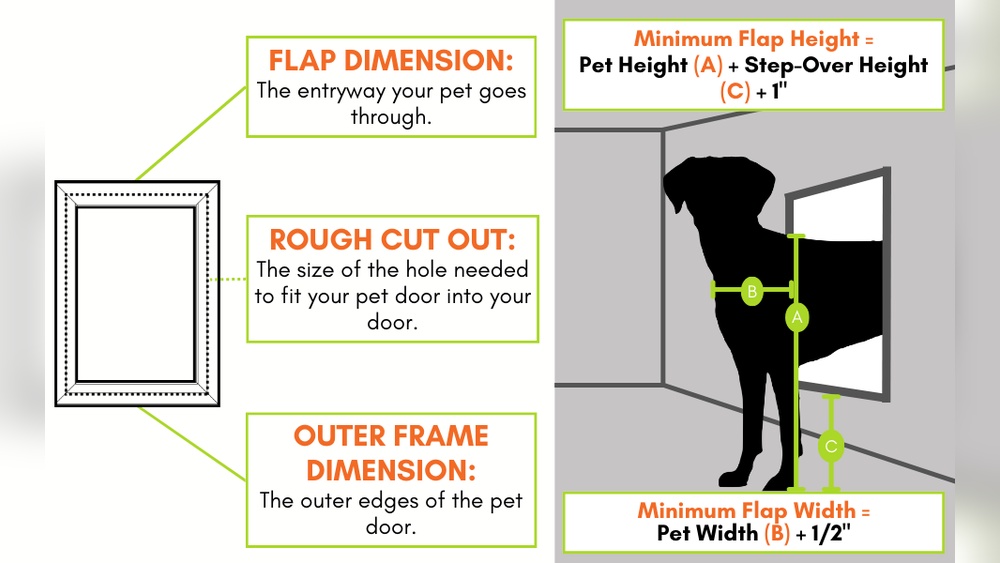

If you want to give your dog the freedom to come and go as they please, choosing the right pet door is key. But how do you make sure the door fits your furry friend perfectly?
Measuring your dog the right way is the first step to avoid a door that’s too small or too big. In this guide, you’ll learn simple and accurate steps to measure your dog for a pet door, so you can make the best choice for your pet’s comfort and safety.
Keep reading to find out how easy it can be to get this just right!
Choosing The Right Pet Door
Choosing the right pet door is important for your dog’s comfort and safety. It ensures your pet can go in and out easily without any trouble. The right door fits your dog’s size and matches your home style. There are many options to consider before buying.
Think about your dog’s habits and where the door will be installed. Some doors are better for certain types of walls or doors. You also want a door that keeps your home secure and protects against weather. Understanding the different types, materials, and security features helps you make the best choice.
Types Of Pet Doors
Pet doors come in several styles. Wall-mounted doors fit through an outside wall. Door-mounted doors attach to your regular door. Sliding glass pet doors slide into the track of a glass door. Each type suits different home setups and pet needs. Choose one that fits your home and your dog’s routine.
Material Options
Pet doors are made from plastic, metal, or wood. Plastic doors are light and easy to install. Metal doors are strong and last longer. Wooden doors look nice but need more care. Choose a material that matches your home and can handle your dog’s activity.
Security Features
Security is key for pet doors. Some doors have locking panels to stop unwanted animals. Electronic doors open only when your dog wears a special collar. This stops other animals from entering your home. Pick a door with security that fits your neighborhood and needs.

Credit: kdfoundation.org
Measuring Your Dog’s Height
Measuring your dog’s height is an important step before buying a pet door. The right size door helps your dog enter and exit comfortably. This process is simple and quick. Follow the steps to get accurate results.
Tools Needed
Gather a measuring tape or a ruler. A flat surface for your dog to stand on helps. Have a notepad or phone ready to record measurements. These tools make the process easier.
Measuring From Floor To Shoulder
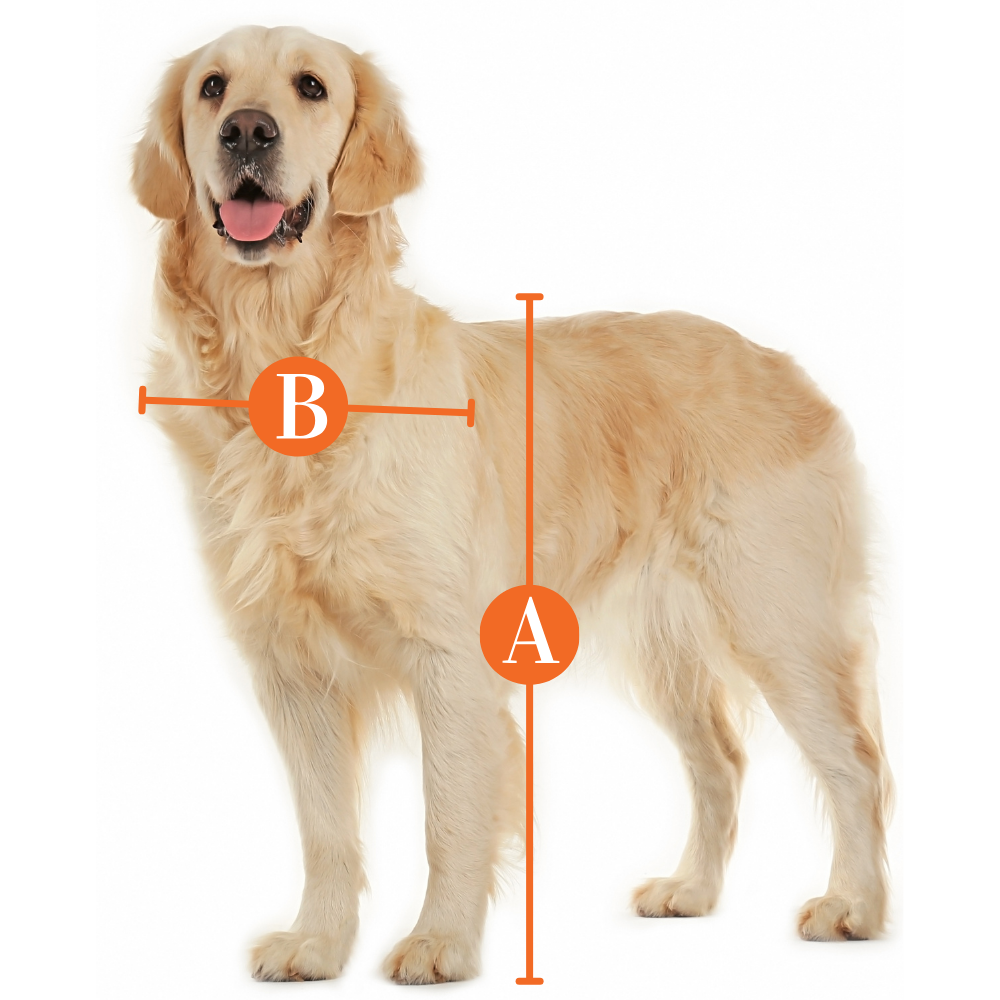
Make your dog stand straight on the flat surface. Measure from the floor to the highest point of the shoulder. Avoid measuring the head or tail. This height shows the right door size.
Recording Accurate Measurements
Write down the measurement immediately. Measure twice to ensure the number is correct. Use the larger number if the two differ. Accurate recording helps pick the right pet door size.
Measuring Your Dog’s Width
Measuring your dog’s width helps pick the right pet door size. A door too small can hurt your dog. Too big lets in cold air or bugs. Getting the width right makes your dog safe and happy. This part focuses on how to measure your dog’s width carefully.
Measuring Across The Chest
Use a soft tape measure for best results. Place it around the widest part of your dog’s chest. This is usually just behind the front legs. Make sure the tape is snug but not tight. Note the number in inches or centimeters. This number shows how wide your dog is.
Ensuring Comfort And Mobility
Allow extra space beyond your dog’s chest width. This space helps your dog move through the door easily. Add about two to four inches for comfort. Check if your dog wears a harness or clothes. Measure with these on if your dog uses them often. A well-fitted door keeps your dog comfortable and safe.
Measuring The Door Opening
Measuring the door opening is a key step in choosing the right pet door. It ensures your dog can move in and out without trouble. Accurate measurements help avoid gaps or tight fits. Let’s explore how to measure the door opening properly.
Checking Door Frame Size
First, measure the width of the door frame. Use a tape measure for accuracy. Measure from one side to the other at the bottom, middle, and top. Note the smallest width. Next, measure the height from the floor to the top of the frame. Write down these numbers for reference.
Allowing Extra Space For Movement
Dogs need enough room to pass through comfortably. Add 2 to 4 inches to the height and width measurements. This extra space prevents your dog from scraping the edges. It also helps if your dog grows or wears a collar. A roomy pet door keeps your dog happy and safe.
Common Mistakes To Avoid
Measuring your dog for a pet door may seem simple. Yet, many pet owners make mistakes that lead to poor fitting doors. These errors can cause your dog discomfort or keep them from using the door at all. Avoid these common mistakes to ensure a perfect fit and easy access for your furry friend.
Ignoring Dog’s Growth
Many forget that dogs grow. Puppies and young dogs change size quickly. Measuring only once can cause problems later. A door that fits today might be too small soon. Always consider your dog’s future size. Measure regularly until your dog stops growing. This saves time and money on replacements.
Choosing Incorrect Door Size
Choosing the wrong door size is a common problem. Some pick doors too small or too large. A small door makes it hard for your dog to pass. A door too big lets in cold air or bugs. Measure your dog’s width and height carefully. Add a little extra space for comfort. This makes the door easy to use and safe.
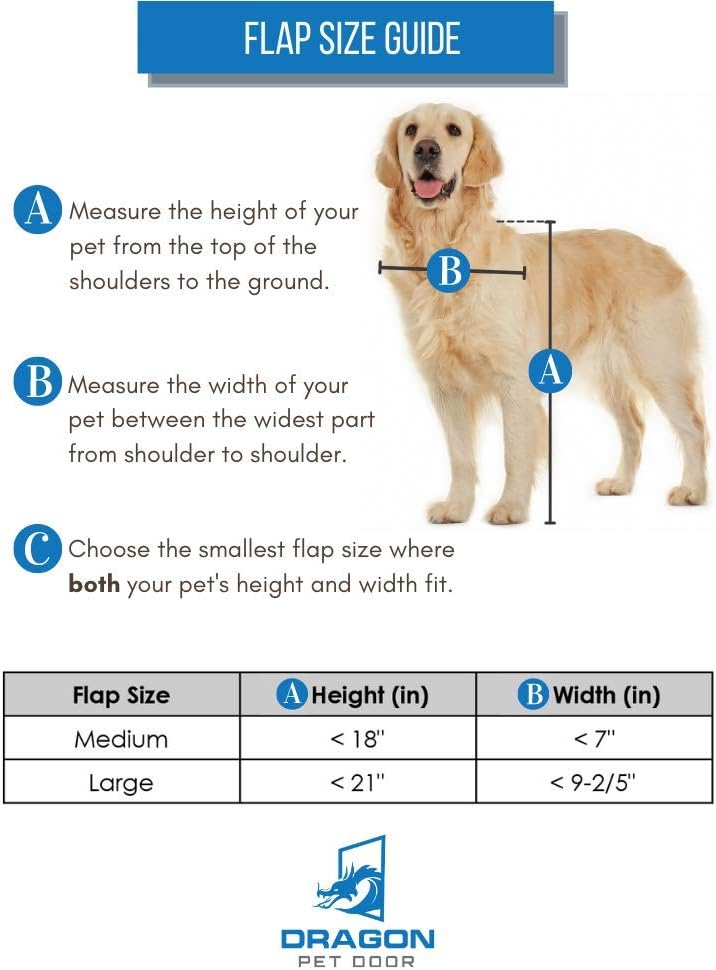
Credit: dragonpetdoor.com
Installation Tips For Pet Doors
Installing a pet door requires careful planning. The right steps help your dog use the door easily. It also keeps your home safe and comfortable. Follow simple tips for a smooth installation process. These tips help avoid common mistakes and protect your home.
Placement Considerations
Choose a spot your dog visits often. The door should be at your dog’s shoulder height. This makes it easy to enter and exit. Avoid places with heavy foot traffic inside your home. Also, keep the door away from sharp corners or obstacles. Check both inside and outside areas for safety. Make sure the door is not too close to windows. This prevents drafts and security problems.
Weatherproofing And Insulation
Seal all edges around the pet door tightly. Use weather stripping or caulk to block air leaks. This keeps cold air and rain outside. Add insulation around the frame for extra protection. Choose a door with a flap made of durable, weatherproof material. A magnetic or weighted flap helps keep it closed. This stops wind and pests from entering your home.
Credit: www.petdoors.com
Frequently Asked Questions
How Do I Measure My Dog For A Pet Door?
Measure your dog’s height from the ground to their shoulder. Next, measure their width across the widest part of their body. Use these dimensions to choose a pet door size that allows comfortable entry and exit.
What Tools Are Needed To Measure A Dog For A Pet Door?
You need a tape measure or ruler to measure your dog. A notepad helps record measurements. Optionally, use a helper to keep your dog still during measuring for accuracy.
Should I Measure My Dog Standing Or Sitting?
Measure your dog while standing on all fours. This position gives accurate height and width measurements for the pet door. Sitting measurements may underestimate the size needed.
How Much Extra Space Should A Pet Door Have?
Add 1 to 2 inches to your dog’s width and height measurements. This extra space ensures your dog can enter and exit comfortably without squeezing.
Conclusion
Measuring your dog for a pet door is simple and important. Take your dog’s height and width carefully. Use these numbers to pick the right door size. A well-fitted door keeps your pet safe and comfortable. Double-check measurements before buying to avoid mistakes.
This small step helps your dog enjoy freedom without trouble. Easy and quick, it makes life better for both of you. Keep these tips in mind for a perfect pet door fit.