

If your dog struggles to climb onto the couch or bed, pet stairs can be a lifesaver. But simply placing the stairs won’t make your furry friend use them right away.
You need to teach your dog how to feel comfortable and confident with the steps. Imagine your dog happily climbing up and down without hesitation—that’s what you’ll learn here. In this guide, you’ll discover simple, effective ways to train your dog to use pet stairs, making daily life easier and safer for both of you.
Ready to help your dog master those stairs? Let’s get started!
Choosing The Right Pet Stairs
Choosing the right pet stairs is important for your dog’s comfort and safety. The stairs should fit your pet’s size and match your home setup. A well-chosen stair set helps your dog climb easily and feel secure. Consider size, material, and safety features before buying.
Size And Height Considerations
Measure your dog’s height and weight first. The stairs must be tall enough to reach the furniture or bed. Steps should not be too high or too deep. Small dogs need shorter steps. Large dogs need wide and strong steps. Proper size helps your dog climb without strain.
Material And Durability
Choose sturdy materials like wood, plastic, or foam. Wood is strong but heavier. Plastic is lighter and easy to clean. Foam is soft and gentle on paws. Check if the material can hold your dog’s weight. Durable stairs last longer and stay safe over time.
Safety Features To Look For
Non-slip surfaces prevent your dog from slipping. Look for stairs with rubber grips or textured steps. Stairs should have a stable base to avoid wobbling. Rounded edges reduce the risk of injury. Safety features help your dog feel confident while climbing.

Credit: www.youtube.com
Preparing Your Dog For Training
Preparing your dog for training is the first step to success. It helps your dog feel safe and ready. Taking time to prepare makes the training easier and more fun for both of you. Start slow and be patient. Your dog will learn better in a calm and comfortable setting.
Familiarizing Your Dog With The Stairs
Let your dog see and smell the pet stairs before using them. Place the stairs near your dog’s favorite spot. Allow your dog to explore the stairs at their own pace. Praise your dog for showing interest. This builds positive feelings about the stairs.
Creating A Comfortable Environment
Choose a quiet area for the training sessions. Avoid loud noises or distractions nearby. Use soft lighting to keep the place calm. Make sure the stairs are stable and safe. Offer treats and gentle words to encourage your dog. A calm place helps your dog focus and learn faster.
Step-by-step Training Process
Training your dog to use pet stairs takes patience and clear steps. This process helps your dog feel safe and confident. Follow simple stages to make training smooth and enjoyable. Each step builds your dog’s comfort and skill with the stairs.
Introducing The Stairs Slowly
Place the stairs in a quiet, familiar spot. Let your dog explore the stairs at its own pace. Do not rush or force your dog onto the stairs. Allow sniffing and touching with paws. This builds curiosity without fear.
Using Treats And Positive Reinforcement
Use small treats to encourage your dog near the stairs. Praise your dog softly for any interest shown. Reward each small step closer or on the stairs. Positive feelings make your dog want to try more.
Guiding Your Dog Up And Down
Stand beside your dog and gently guide it onto the first step. Use a calm voice to direct and encourage. Slowly move up the steps together. Then guide your dog down the stairs in the same way. Keep movements slow and steady.
Practicing Regularly
Practice a few times each day in short sessions. Consistency helps your dog remember and feel safe. Watch for signs of stress and stop if needed. Gradually increase the time your dog uses the stairs. Regular practice builds skill and confidence.
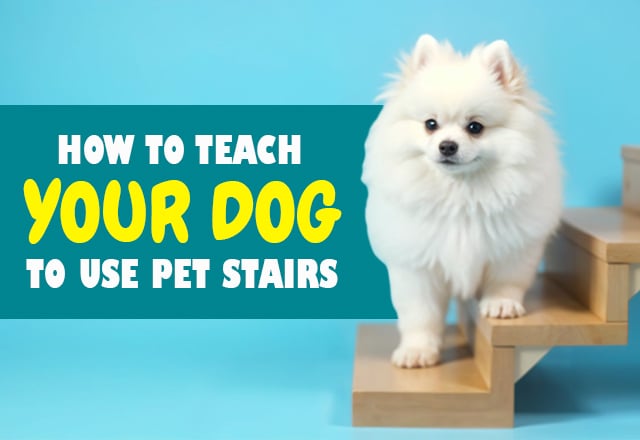
Credit: www.pawsandpaws.com
Common Challenges And Solutions
Training your dog to use pet stairs can be tricky. Many dogs face common challenges. These issues can slow down the learning process. Understanding these challenges helps you find the right solutions. Patience and simple steps make training easier.
Fear Or Hesitation
Dogs may feel scared of new stairs. The height or texture can cause worry. Start by letting your dog explore the stairs slowly. Use treats to encourage each small step. Praise your dog for any progress. Never force them to climb. Patience helps build confidence over time.
Lack Of Interest
Some dogs ignore pet stairs. They may not see the benefit of using them. Make the stairs more fun with toys or treats. Place favorite items on the stairs to attract attention. Keep training sessions short and positive. Reward any effort to use the stairs. This keeps your dog motivated.
Physical Limitations
Older dogs or those with health issues may struggle. Joint pain or weakness can make stairs hard. Choose stairs with gentle steps and good grip. Help your dog by supporting their weight if needed. Consult a vet for advice on safe training. Adjust training speed to your dog’s comfort level.
Maintaining Good Habits
Maintaining good habits is key to helping your dog use pet stairs confidently. Training does not stop once your dog learns the steps. Consistent care keeps your dog safe and comfortable. It also builds trust between you and your pet. Follow these tips to keep the progress steady.
Consistent Training Sessions
Set a regular time each day for training. Short sessions, about 5 to 10 minutes, work best. Repeat the steps your dog learned before. Praise your dog often to encourage good behavior. Consistency helps your dog remember and feel secure.
Monitoring Your Dog’s Comfort
Watch your dog’s body language closely. Signs of stress include hesitation or shaking. Stop training if your dog looks scared. Use gentle encouragement, not force. Your dog should feel safe and happy on the stairs.
Adjusting Stairs As Needed
Check the stairs for stability and fit. Make sure the steps are not too steep or slippery. Adjust the height or add non-slip covers if needed. Proper stairs prevent injuries and boost confidence. Your dog will move with ease and trust the stairs more.

Credit: jetpetresort.com
Frequently Asked Questions
How Long Does It Take To Train A Dog With Pet Stairs?
Training usually takes one to two weeks with consistent daily practice. Each dog learns at its own pace. Patience and positive reinforcement speed up the process. Short, frequent sessions work best for building confidence and skills.
What Are The Best Pet Stairs For Small Dogs?
Choose lightweight, non-slip stairs with low, wide steps for small dogs. Foam or carpeted stairs offer better grip. Ensure the stairs match your dog’s size and weight for safety and comfort.
How To Encourage A Dog To Use Pet Stairs?
Use treats and praise to motivate your dog. Start by placing treats on each step. Guide your dog slowly up and down. Make training fun to build positive associations with the stairs.
Can Pet Stairs Prevent Joint Injuries In Dogs?
Yes, pet stairs reduce strain on joints by avoiding jumps. They help older or injured dogs move safely. Using stairs promotes joint health and eases mobility challenges.
Conclusion
Training your dog to use pet stairs takes time and patience. Start slow and use treats for encouragement. Keep sessions short and fun to hold your dog’s interest. Praise your dog often to build confidence. Watch your dog’s comfort and adjust the pace if needed.
Soon, your dog will enjoy using the stairs safely. Consistency and kindness help your pet learn best. Keep practicing, and your dog will thank you with happy steps.