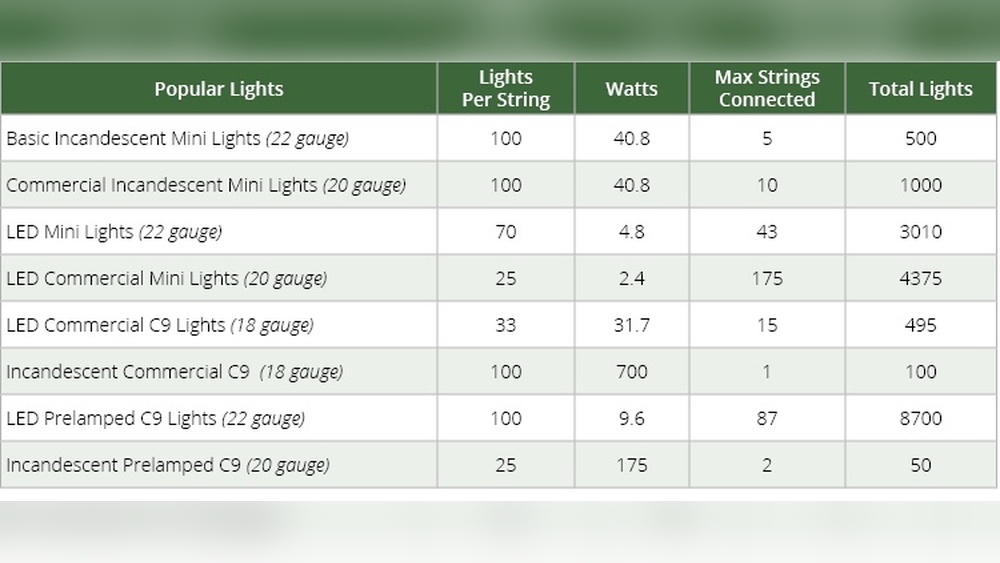

Are you wondering how many amps a string of LED lights uses? Whether you’re decorating your home or setting up a display, knowing the power your lights consume is important.
It helps you avoid overloads, save energy, and keep your setup safe. You’ll discover simple ways to calculate the amps for your LED string and learn tips to manage your electrical load better. Keep reading to find out exactly what you need to know to light up your space without any surprises.
Basics Of Led Light Current
Understanding how much current a string of LED lights uses starts with knowing the basics. Current is a key part of how electricity flows through LEDs. It affects brightness and power use.
LEDs use less current than many other types of lights. This makes them energy efficient and cost-effective. Learning about current helps you choose the right LED string for your needs.
What Is An Ampere?
An ampere, or amp, measures electric current. It shows how many electrons pass a point in a circuit each second. Think of it like water flowing through a pipe. More amps mean more electricity flow.
Electric devices, including LED lights, need a certain number of amps to work. Knowing amps helps you avoid using too much electricity. It also protects your devices from damage.
How Led Lights Use Electricity
LED lights use electricity by allowing current to flow through tiny chips. These chips convert electricity into light. The amount of current controls the brightness of the LEDs.
LEDs need less current than traditional bulbs for the same brightness. This efficiency lowers energy bills and extends bulb life. Each LED string has a set amp rating to match its power needs.

Credit: www.christmaslightsetc.com
Factors Affecting Led String Amps
Several factors influence how many amps a string of LED lights uses. Knowing these helps you choose the right setup for your needs. This section breaks down the main aspects that affect LED string current.
Length Of The String
The length of the LED string directly impacts the amps used. Longer strings have more LEDs, which need more power. Each extra light adds to the total current draw. Short strings use less power and draw fewer amps. Always check the total length before estimating amps.
Type Of Led Lights
Different LED types consume different amounts of current. Mini LEDs typically use less power than high-brightness or color-changing LEDs. Some LEDs have built-in resistors or drivers that change current needs. The LED color also affects power use. Choose the type based on your power capacity.
Voltage And Power Ratings
LED strings come with specific voltage and power ratings. Voltage affects how much current flows through the string. Higher voltage strings may draw less current for the same brightness. Power ratings, usually in watts, help calculate amps by dividing watts by volts. Always match your power supply to the string’s ratings.
Calculating Amps For Led Strings
Calculating the amps for LED strings helps you understand how much electricity they use. This is important for safety and to avoid overloading your circuit. Knowing the amps also helps in choosing the right power supply and wiring.
Using Power And Voltage
To find the amps, you need the power (watts) and voltage (volts) of the LED string. Use the formula: Amps = Power ÷ Voltage. For example, if your LED string uses 12 watts and runs on 12 volts, the amps are 1 amp. This simple formula works for most LED strings.
Example Calculations
Imagine a string of LED lights that uses 24 watts and runs on 24 volts. Divide 24 watts by 24 volts. The answer is 1 amp. Another example: A 60-watt LED string on 12 volts. Divide 60 by 12. You get 5 amps. These examples show how to calculate amps for different LED strings.
Tools For Measurement
Use a multimeter to measure amps directly. Set the multimeter to the correct amp range. Connect it in series with the LED string. This gives a real-time current reading. Clamp meters also measure current without disconnecting wires. These tools help verify your calculations and check if the LED string uses the expected amps.

Credit: www.amazon.com
Common Led String Configurations
LED string lights come in different wiring setups. These setups affect how much power the string uses. Understanding these common configurations helps in choosing the right lights for your needs.
Two main wiring methods exist: series and parallel. Each changes how the current flows through the LED bulbs. This difference also changes the total current the string draws from the power source.
Series Vs Parallel Wiring
In series wiring, LEDs connect one after another. The same current flows through every bulb. Voltage adds up across each LED in the string. If one bulb fails, the entire string often goes out.
Parallel wiring connects each LED directly to the power source. Each bulb gets the full voltage. Current divides among the bulbs. If one bulb fails, the rest keep glowing.
Impact On Current Draw
Series wiring uses less current overall. The current is the same through all LEDs. Total current equals the current of one LED.
Parallel wiring increases total current draw. Each LED pulls its own current from the source. Total current is the sum of all LEDs’ currents.
Knowing this helps to calculate how many amps your LED string uses. It also guides in picking the right power supply for safe operation.
Safety Tips For Led String Usage
Using LED string lights safely is very important. These lights use electricity, and improper use can cause problems. Follow simple safety tips to protect your home and family. These tips help prevent electrical hazards and keep your lights working well.
Avoiding Overload
Do not plug too many LED strings into one outlet. Each string uses some amps, and too many can cause an overload. Overloads may lead to a blown fuse or fire risk. Check the total amps your strings use before connecting them. Use power strips with built-in circuit breakers for extra safety.
Proper Wiring Practices
Use wires and plugs that match your LED lights. Avoid damaged or frayed wires. Secure all connections tightly to prevent sparks. Keep wires away from water and heat sources. Use outdoor-rated wires for outside lights. Proper wiring stops shorts and reduces fire risk.

Credit: ultrabrightlightz.com
Energy Efficiency Of Led Strings
LED string lights use much less energy than many other light types. This makes them a smart choice for decorating homes and outdoor spaces. They save power and help lower electricity bills. Understanding their energy efficiency helps you use them wisely.
LED strings also last longer, which means fewer replacements. They give bright light without using a lot of amps. This balance of brightness and low power is what makes LED strings popular.
Comparing To Other Lighting
LED strings use about 75% less energy than traditional incandescent lights. Incandescent bulbs waste energy as heat. LED lights turn almost all energy into light. This makes them more efficient and cheaper to run.
Fluorescent lights use more power and contain harmful chemicals. LED strings are safer and better for the environment. They also work well in cold weather, unlike some other bulbs.
Reducing Power Consumption
Choose LED strings with lower wattage to save more energy. Use timers or smart plugs to limit how long lights stay on. This cuts unnecessary power use and extends bulb life.
String lights with more LEDs do not always use more power. Many modern LED strings use small, efficient bulbs. Dimming options also help reduce power without losing brightness.
Troubleshooting Current Issues
LED string lights are popular for decoration and ambiance. They use less power than many other lights. Still, current issues can happen. These problems may cause the lights to flicker, dim, or stop working. Understanding how to spot and fix current problems helps keep your lights bright and safe.
Signs Of Overcurrent
Overcurrent happens when too much electricity flows through the lights. It can cause damage or safety risks. Watch for these signs:
- Lights flicker or blink rapidly.
- LEDs become unusually warm or hot.
- Some bulbs are dimmer than others.
- Fuse or circuit breaker trips often.
- Wire insulation feels melted or soft.
Noticing these signs early helps prevent bigger issues. Overcurrent can shorten the life of your LED lights.
Fixing Common Problems
Start by checking the power source. Make sure the voltage matches the LED string’s requirements. Use a multimeter to measure the current flow.
Inspect the wiring for damage. Replace any frayed or broken wires. Loose connections can cause flickering or dim lights.
Limit the number of LED strings on one power supply. Too many strings increase current load and cause overcurrent.
Use fuses or circuit breakers rated for your LED setup. They protect against electrical overload.
Replace faulty bulbs or LED modules. Sometimes, a single bad bulb affects the entire string.
Frequently Asked Questions
How Many Amps Does One Led Light Use?
A single LED light typically uses about 0. 02 to 0. 05 amps. This depends on the LED’s wattage and voltage.
What Amps Does A 100 Led String Consume?
A 100 LED string usually consumes around 0. 4 to 1 amp. The exact value varies with LED specifications and power supply.
How To Calculate Amps For Led Light Strings?
Divide total wattage by voltage to find amps. For example, 12 watts divided by 12 volts equals 1 amp.
Do Led Light Strings Use Less Amps Than Incandescent?
Yes, LED strings use significantly fewer amps than incandescent lights. They are more energy-efficient and cost-effective.
Conclusion
Knowing how many amps a string of LED lights uses helps you plan safely. It saves energy and prevents electrical problems. Always check the label for exact amp ratings. Use this info to avoid overloading circuits at home. LED lights offer bright, efficient lighting with low power use.
Small amps mean you can run many strings together. Keep these tips in mind for safe and smart lighting choices. Simple steps lead to better energy use and fewer risks.