
Your home’s safety depends a lot on smoke detectors, especially the hard-wired ones that keep you connected to power all the time. But what happens when these detectors stop working or need an upgrade?
You might feel unsure about how to replace them without causing damage or risking your safety. Don’t worry—this guide will walk you through every step, making the process simple and stress-free. By the end, you’ll have the confidence to replace your hard-wired smoke detectors quickly and correctly, protecting your home and loved ones.
Keep reading to learn how easy it can be!
Tools And Materials Needed
Replacing a hard-wired smoke detector requires specific tools and materials. Having the right items ready makes the job safer and easier. Prepare everything before starting the work to avoid interruptions.
Safety is key. Turn off the power at the breaker box before handling any wiring. Use tools that fit well and work properly to avoid damage or injury. Gather all materials to complete the replacement smoothly.
Essential Tools For Replacing Hard-wired Smoke Detectors
You need a screwdriver set, usually Phillips and flathead types. A voltage tester is crucial to check if power is off. Wire strippers help prepare the wires for connection. Needle-nose pliers assist in bending or pulling wires.
Materials Required For The Replacement
Buy a new hard-wired smoke detector that matches your existing system. Electrical tape secures wire connections. Wire nuts fasten wires safely together. A small ladder or step stool may be necessary to reach the detector.
Optional Items To Make The Job Easier
A flashlight helps if lighting is poor. A multimeter can verify electrical connections thoroughly. Gloves protect your hands from sharp edges or dust. A dust mask keeps you safe from debris during removal.

Credit: www.youtube.com
Safety Precautions
Safety is the top priority when replacing hard-wired smoke detectors. Working with electrical wiring can be risky. Taking the right precautions protects you and your home.
Always prepare before starting. This helps avoid accidents and damage. Follow each step carefully for a safe replacement process.
Turn Off Power At The Circuit Breaker
Find the circuit breaker that controls the smoke detector. Switch it off to cut power to the device. Do not rely on just removing the detector from the ceiling. Confirm power is off using a voltage tester before touching wires.
Use Proper Tools And Safety Gear
Wear safety goggles and gloves to protect your eyes and hands. Use insulated tools designed for electrical work. Avoid metal tools that are not insulated. Proper gear lowers the risk of electric shock or injury.
Check For Live Wires Carefully
Before disconnecting wires, test them again with a voltage tester. Wires may still carry electricity even if the breaker is off. Handle wires with care to avoid shocks. Keep one hand behind your back while working for extra safety.
Follow Manufacturer Instructions
Read the smoke detector’s manual before starting. Different models may have special steps or warnings. Following instructions ensures correct installation and proper function. It also reduces risk of damage or injury.
Work In A Well-lit And Stable Area
Use a sturdy ladder or step stool to reach the detector. Make sure the area is well lit to see wires clearly. Avoid working in wet or slippery conditions. A safe work space prevents falls and mistakes.
Turning Off Power
Turning off the power is the first and most important step when replacing hard-wired smoke detectors. This step keeps you safe from electric shocks. It also protects the home’s electrical system from damage during the replacement process.
Always treat electrical work with care. Even a small mistake can cause serious injury or fire. Power must be completely off before you touch any wiring or connections.
Locate The Circuit Breaker
Find the main electrical panel in your home. It is often in the basement, garage, or a utility room. Look for the breaker labeled for smoke detectors or alarms. If no label exists, look for the breaker connected to the room where the detector is installed.
Switch Off The Correct Breaker
Flip the breaker switch to the off position. This stops the flow of electricity to the smoke detector. Double-check by trying to turn on the smoke detector’s test button. If it does not beep or light up, the power is off.
Use A Voltage Tester
Before removing the old smoke detector, use a voltage tester on the wires. This confirms no electricity is present. Touch the tester to each wire carefully. If the tester shows no current, it is safe to proceed.
Warn Others In The Home
Inform family members or roommates about the power shutdown. This prevents them from turning the breaker back on accidentally. Place a note on the electrical panel as a reminder during the work.
Removing The Old Smoke Detector
Begin by turning off the power to the smoke detector at the circuit breaker. Carefully remove the old detector from the ceiling and disconnect the wiring.
Turn Off The Power
Start by cutting the power to the smoke detector from the main breaker. This step is crucial to avoid electric shock. Use a voltage tester to confirm no electricity flows to the device. Safety first.
Remove The Smoke Detector Cover
Most hard-wired smoke detectors have a cover that twists off or snaps open. Gently twist or pull the cover. Be careful not to force it, as this may damage the device or wiring.
Disconnect The Wiring
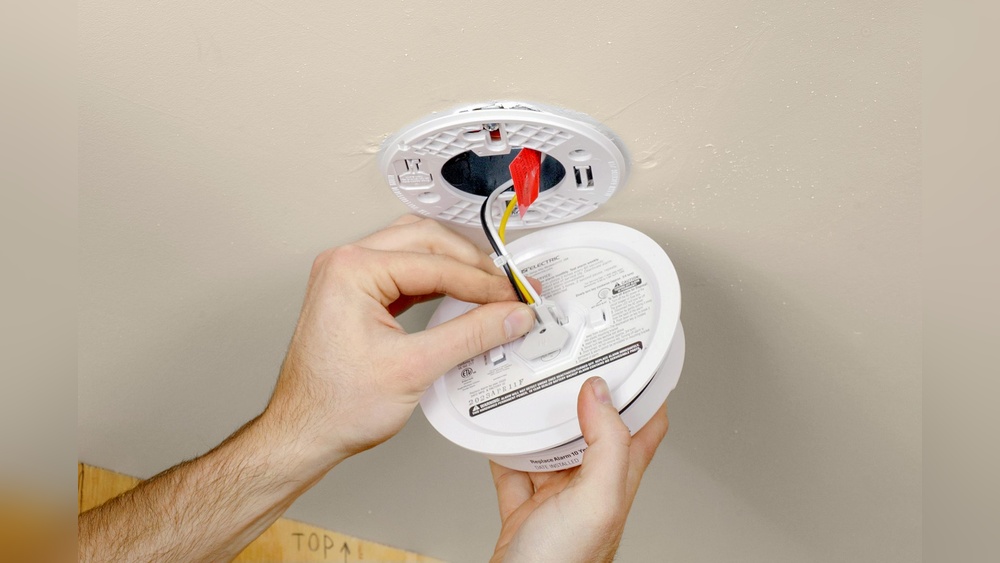
Locate the wiring connector inside the detector base. Press the release tab or gently pull the connector to disconnect wires. Do not pull the wires themselves to avoid damage.
Unscrew The Mounting Plate
Use a screwdriver to remove screws holding the mounting plate to the ceiling or wall. Keep the screws safe; you may need them for the new detector. Take the old detector off the mounting plate carefully.
Checking The Wiring
Checking the wiring is a key step in replacing hard-wired smoke detectors. It ensures the new unit will work correctly and safely. Faulty wiring can cause problems or stop the alarm from working.
Take your time to carefully inspect the wires. Look for any damage, loose connections, or signs of wear. Safety comes first, so make sure the power is off before handling wires.
Turn Off The Power
Switch off the circuit breaker for the smoke detector’s circuit. Confirm there is no power with a voltage tester. This step protects you from electric shock.
Identify The Wires
Locate the wires coming from the ceiling or wall. Usually, you will see a black (hot), white (neutral), and a red or yellow (interconnect) wire. Knowing which wire is which helps with proper connection.
Inspect Wire Conditions
Check for frayed or damaged insulation on the wires. Look for any signs of corrosion or burn marks. Damaged wires need repair or replacement before installing a new detector.
Test Wire Connections
Make sure wires are tightly connected to the mounting bracket or junction box. Loose wires can cause the detector to fail or give false alarms. Use wire nuts or connectors to secure connections.
Match Wiring To New Detector
Compare the wires with the new smoke detector’s instructions. Match each wire to its correct terminal. Correct wiring ensures the detector functions properly and communicates with other alarms.
Connecting The New Smoke Detector
Connecting the new smoke detector is a key step in replacing hard-wired units. It ensures the alarm works correctly and keeps your home safe. This process involves matching wires, securing connections, and testing the device.
Taking time to connect wires properly prevents malfunctions. Each wire has a specific role, so understanding their colors and functions helps. Follow safety tips to avoid electrical hazards.
Identify The Wires
Start by identifying the wires coming from your ceiling or wall. Usually, there are three wires: black, white, and red or yellow. The black wire carries power, the white is neutral, and the red or yellow links to other alarms. Use a voltage tester to confirm no electricity flows before handling wires.
Match And Connect Wires
Match each wire from the smoke detector to the corresponding house wire. Connect black to black, white to white, and red or yellow to the interconnect wire. Twist wire ends together clockwise. Use wire nuts to secure connections firmly. Tug each wire lightly to check if they are tight.
Attach The Smoke Detector To The Base
After wiring, attach the smoke detector to its mounting base. Align the device and twist it clockwise until it locks. Ensure it fits snugly without gaps. This step keeps the detector stable on the ceiling or wall.
Restore Power And Test The Alarm
Turn the power back on at the circuit breaker. Press the test button on the smoke detector to check its function. A loud beep means it works. If no sound occurs, recheck the wire connections. Testing confirms your safety system is active and ready.
Mounting The New Detector
Mounting the new smoke detector is a key step in replacing hard-wired units. It ensures the device works correctly and stays secure on the ceiling or wall. Proper mounting helps the detector sense smoke early and keep your home safe.
Follow each step carefully for a safe and strong installation.
Remove The Old Mounting Bracket
Start by taking off the old detector from the mounting bracket. Twist it counterclockwise or press the release tab. Then, unscrew the old bracket from the ceiling or wall. Keep the screws for the new bracket if they are still in good condition.
Attach The New Mounting Bracket
Align the new bracket with the existing holes in the ceiling or wall. Use a screwdriver to fasten the screws tightly. Make sure the bracket sits flat and does not wobble. This step keeps the smoke detector steady and ready for wiring.
Connect The Wiring Harness
Push the wiring harness from the ceiling into the new detector base. Match the connector types; they only fit one way. Press firmly until you hear a click. This connection powers the new smoke detector safely from the house wiring.
Secure The Smoke Detector
Place the smoke detector onto the mounted bracket. Twist it clockwise until it locks in place. Do not force the device. It should fit snugly and not move. Test the detector by pressing the test button before finishing.
:max_bytes(150000):strip_icc()/install-hardwired-smoke-detectors-1152329_FINAL-5233cb01c4f34ee1bae5860132624788.png)
Credit: www.thespruce.com
Restoring Power And Testing
Restoring power and testing are the final steps in replacing hard-wired smoke detectors. These steps ensure the new detector works properly and keeps your home safe. Power must be carefully restored to avoid electrical issues. Testing confirms the device responds correctly to smoke.
Follow these steps to complete your installation safely and effectively. Checking the power and testing the unit is simple but crucial. This process guarantees your smoke detector functions as intended.
Turning The Circuit Breaker Back On
Find the circuit breaker that controls the smoke detector’s power. Flip the switch back to the “On” position. This restores electricity to the detector. Double-check that the breaker stays in place. If it trips again, turn it off and review your wiring.
Checking The Smoke Detector’s Indicator Lights
Look at the smoke detector’s LED light. A steady or blinking green light usually means it has power. A red light may indicate a problem or that the alarm is testing. Refer to the detector manual for specific light signals. This step confirms the device is powered and ready.
Performing The Smoke Test
Press the test button on the smoke detector. Hold it for a few seconds until the alarm sounds. This sound means the detector is working properly. If no sound occurs, check the wiring and power again. Never skip this test; it verifies your safety device.
Troubleshooting Common Issues
Replacing hard wired smoke detectors can sometimes lead to common issues. These problems often stop the new unit from working properly. Knowing how to troubleshoot helps fix them quickly. It saves time and keeps your home safe.
Check Power Supply And Connections
Make sure the circuit breaker is on. The smoke detector needs power to work. Double-check the wiring connections. Loose wires cause the detector to fail. Use a voltage tester to confirm power at the unit.
Reset The Smoke Detector
Some detectors need a reset after installation. Press and hold the test button for 15 seconds. This resets the internal electronics. The light should flash, showing it is ready. If not, try disconnecting and reconnecting the power.
Replace The Backup Battery
Hard wired detectors have backup batteries. These batteries keep the alarm working during power cuts. Old or dead batteries cause constant beeping. Swap the battery with a fresh one to stop false alarms.
Test The Alarm Function
Press the test button to check the alarm sound. It should be loud and clear. If the sound is weak or silent, the unit might be faulty. Consider replacing it with a new detector.
Inspect For Dust And Debris
Dust can block the sensor inside the detector. Use a vacuum or soft brush to clean it. Keep the detector free from dust to ensure proper function. Regular cleaning prevents false alarms and missed alerts.
Maintenance Tips For Longevity
Maintaining hard-wired smoke detectors ensures they work properly for years. Regular care helps detect smoke early and keep your home safe. Follow simple steps to extend their life and avoid costly replacements.
Cleaning Smoke Detectors Regularly
Dust and dirt can block sensors. Use a soft brush or vacuum to clean detectors every month. Keep vents and nearby areas free of debris. Clean detectors work better and last longer.
Testing Smoke Detectors Often
Press the test button on each detector monthly. It checks the battery and alarm sound. A loud beep means the detector is working well. Replace batteries if the sound is weak or missing.
Replacing Batteries On Time
Even hard-wired detectors need backup batteries. Change batteries at least once a year. Use fresh, high-quality batteries for best results. This keeps alarms working during power outages.
Checking For Wiring Issues
Inspect wiring connections yearly for damage or wear. Loose wires can stop detectors from working. Turn off power before checking. Tighten or replace wires if needed.
Updating Smoke Detector Models
Older detectors may not meet current safety standards. Replace units every 10 years to ensure protection. New models have better sensors and features. Stay up to date for maximum safety.
Credit: www.reddit.com
Frequently Asked Questions
How Do I Safely Replace Hard Wired Smoke Detectors?
Turn off power at the circuit breaker before starting. Disconnect the old detector from the mounting bracket and wiring. Connect the new detector’s wires using wire nuts. Attach it to the bracket, then restore power and test the unit for proper function.
Can I Replace Hard Wired Smoke Detectors Myself?
Yes, with basic electrical knowledge, you can replace hard wired smoke detectors safely. Always switch off power first. Follow manufacturer instructions carefully. If unsure, consult a professional electrician to avoid risks and ensure proper installation.
How Long Do Hard Wired Smoke Detectors Last?
Hard wired smoke detectors typically last 8 to 10 years. Replace them after this period or if they malfunction. Regular testing and maintenance prolongs their efficiency and ensures reliable smoke detection in your home.
What Tools Are Needed To Replace Smoke Detectors?
You will need a screwdriver, wire strippers, and wire nuts. A voltage tester is also recommended to ensure power is off. These tools help you safely remove and install hard wired smoke detectors.
Conclusion
Replacing hard-wired smoke detectors keeps your home safe. Follow safety steps carefully to avoid risks. Turn off power before starting any work. Use the right tools and match wires correctly. Test the new detector to ensure it works well. Regular checks help maintain your safety over time.
A working smoke detector can save lives. Stay cautious, and don’t rush the process. Safety first, always.