
Your smoke detector is one of the most important devices in your home. It can save your life by alerting you to dangerous smoke or fire.
But how do you know if it’s working properly? Checking your smoke detector regularly is simple, yet many people overlook it. You’ll learn exactly how to test your smoke detector quickly and easily. Keep reading to make sure your home and loved ones stay safe.
Why Smoke Detectors Matter
Smoke detectors save lives by warning you early about fires. Testing them regularly ensures they work properly and keep your home safe. A quick monthly check can prevent dangerous surprises.
Smoke detectors save lives by warning people about fires early. Fires can start quickly and spread fast. A working smoke detector gives you time to escape safely.
Many fire deaths happen at night. Smoke detectors wake you up if smoke fills your home. Without one, you might not notice the danger.
Smoke detectors also protect your property. Early warnings help firefighters arrive sooner. This can reduce damage and loss.
Protecting Your Family
Smoke detectors keep families safe. They alert everyone, including children and older adults. This is important for homes with young or elderly people.
Regular testing ensures detectors work when needed. A silent alarm is useless if it fails during a fire.
Legal Requirements And Safety Standards
Many areas require smoke detectors by law. This rule helps reduce fire injuries and deaths. Check local laws to meet safety rules.
Smoke detectors must meet safety standards. Certified devices are tested for reliability. Using approved detectors increases home safety.
Peace Of Mind At Home
Smoke detectors bring peace of mind. Knowing your home has working alarms reduces worry. You can focus on daily life without fear of unseen dangers.
Regular checks keep alarms ready to protect. This small effort can save lives and property.
Types Of Smoke Detectors
Smoke detectors save lives by warning of fire early. Different types detect smoke in unique ways. Knowing these types helps you choose and check your smoke alarm properly.
Ionization Smoke Alarms
Ionization alarms detect small smoke particles from fast fires. They use a small amount of radioactive material to sense smoke. These alarms respond quickly to flaming fires. They are common and usually less expensive.
Photoelectric Smoke Alarms
Photoelectric alarms sense larger smoke particles from slow, smoldering fires. They use a light beam and sensor to detect smoke. These alarms are less prone to false alarms from cooking. They work well in living areas and bedrooms.
Combination Smoke Alarms
Combination alarms have both ionization and photoelectric sensors. They offer the best protection against all fire types. These alarms detect both fast and slow fires quickly. They are a smart choice for whole-home safety.
Tools You Need
Checking a smoke detector is simple with the right tools. Having these tools ready makes the process fast and safe. Each tool serves a clear purpose during the check.
Battery Tester Or Spare Batteries
Smoke detectors need fresh batteries to work well. A battery tester helps check if the battery still has power. Carry spare batteries to replace old or weak ones quickly.
Screwdriver
Many smoke detectors are fixed with screws. A screwdriver helps you remove or secure the detector’s cover. Choose the right size to avoid damaging screws.
Step Ladder
Smoke detectors are often on ceilings. A step ladder helps reach them safely. Pick a stable ladder that fits your height for easy access.
Soft Cloth Or Brush
Dust can block the smoke detector’s sensors. Use a soft cloth or brush to clean the device gently. Keep it free from dust to ensure good performance.
Flashlight
Sometimes, smoke detectors are in dark corners. A flashlight helps you see clearly inside the detector. It makes the inspection easier and safer.
Visual Inspection Steps
Visual inspection is the first step in checking a smoke detector. It helps find obvious problems fast. This step keeps your home safe by making sure the detector looks and works right.
Check For Dust And Debris
Dust and dirt can block the smoke sensor. Look closely at the outside and inside vents. Use a soft brush or vacuum to clean any dust. Clean detectors respond better in emergencies.
Inspect Battery And Power Source
Check the battery compartment for leaks or corrosion. Replace old batteries with fresh ones regularly. For wired detectors, make sure the power cable is secure and not damaged. A good power source keeps the detector active.
Look For Physical Damage
Inspect the smoke detector’s body for cracks or dents. Damage can stop it from working properly. Make sure the test button is not stuck or broken. Replace the detector if it shows any serious damage.
Testing The Alarm
Testing the alarm in your smoke detector is key to making sure it works. A working alarm can save lives by warning you early. Regular checks help spot problems before they become serious. This section explains two easy ways to test your smoke detector.
Using The Test Button
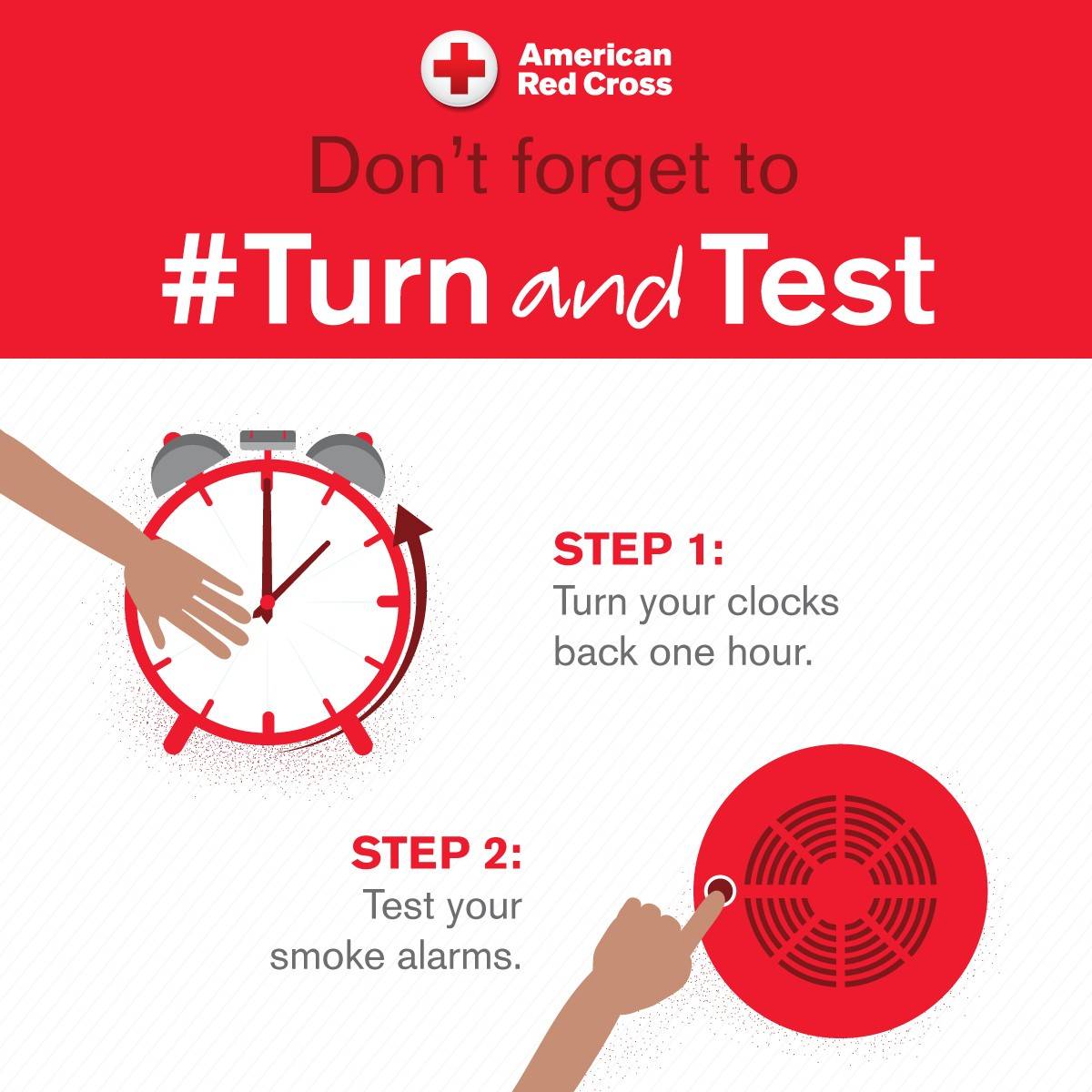
Most smoke detectors have a test button on the front or side. Press and hold this button for a few seconds. The alarm should sound loud and clear. If the sound is weak or silent, replace the batteries or the unit. Test your alarm once a month to keep it reliable.
Using Smoke Simulation
Smoke simulation tests the sensor more fully than the test button. Light a match or candle, then blow it out near the detector. The smoke should trigger the alarm within seconds. Keep the smoke small and controlled for safety. This method confirms the detector senses real smoke, not just the test button.
Credit: support.firstalert.com
Battery Replacement Tips
Replacing the battery in your smoke detector is essential for safety. A fresh battery keeps the alarm working well. Here are tips to help you replace the battery correctly and safely.
Choosing The Right Battery
Use the battery type recommended by the smoke detector’s manufacturer. Most devices use 9-volt batteries or AA batteries. Check the label on your smoke detector before buying. Avoid mixing old and new batteries. Always use fresh batteries for the best performance.
Safe Battery Disposal
Do not throw old batteries in the trash. Batteries contain chemicals that can harm the environment. Take used batteries to a recycling center or a battery drop-off point. Some stores also accept old batteries for safe disposal. Handle old batteries carefully to avoid leaks or damage.
Maintenance Best Practices
Maintaining your smoke detector is key to keeping your home safe. Regular care helps the device work properly. It also extends the life of the detector. Follow simple steps to keep your smoke detector in top shape.
Regular Cleaning
Dust and dirt can block the smoke sensor. Clean the detector every month. Use a soft brush or a vacuum cleaner. Gently remove dust from the vents and surface. Avoid using water or cleaning sprays. Keep the detector dry to prevent damage.
Scheduled Testing
Test your smoke detector once a month. Press the test button on the device. Listen for a loud beep or alarm sound. This confirms the detector is working. Replace batteries if the sound is weak or missing. Testing ensures your device will alert you in time.
When To Replace The Detector
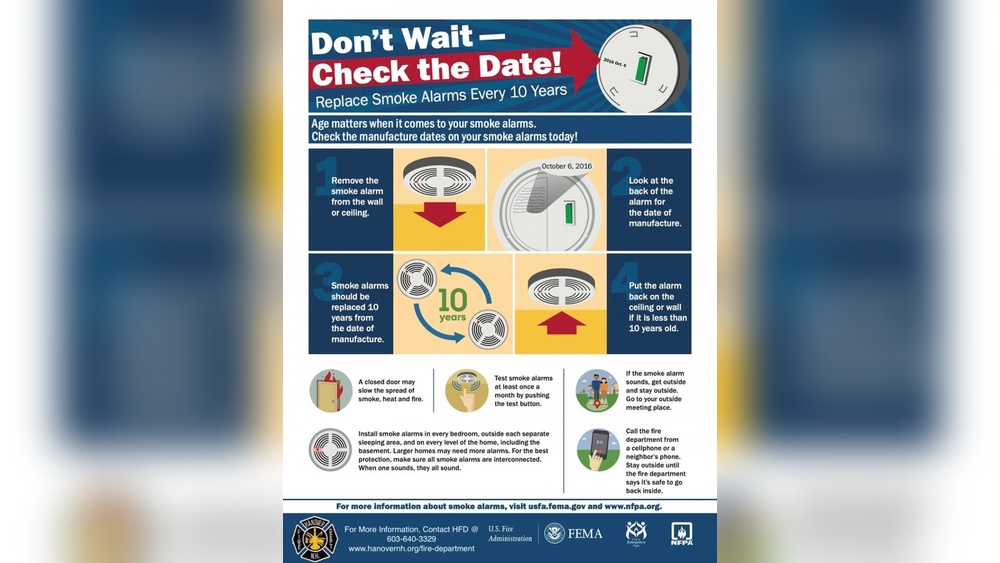
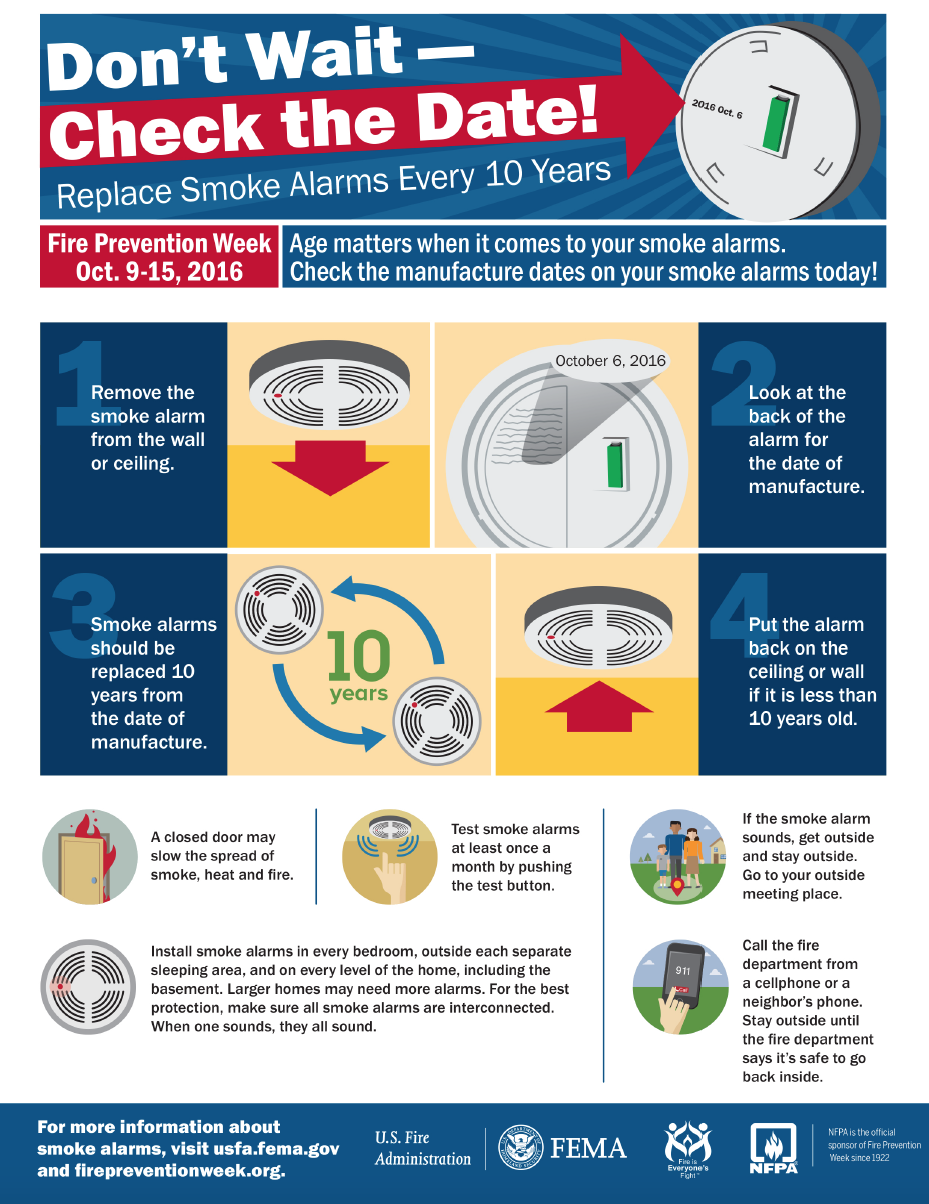
Smoke detectors do not last forever. Replace your device every 10 years. Check the manufacture date on the back of the detector. Older detectors may not work well. New detectors have better technology for fire detection. Don’t delay replacing old units to stay safe.
Common Issues And Fixes
Smoke detectors are crucial for home safety. They must work properly to protect your family. Sometimes, detectors have common problems. Knowing these issues helps you fix them fast. This keeps your home safe and sound.
False Alarms
False alarms happen when the detector sounds without fire. Dust or insects inside the detector can cause this. Clean the detector gently with a vacuum or soft brush. Smoke from cooking or steam can also trigger false alarms. Try moving the detector away from kitchens or bathrooms.
No Sound During Test
If the detector makes no sound during a test, check the battery. Replace old batteries with fresh ones. Press the test button again to hear a beep. If no beep comes, the detector might be faulty. Replace the detector if it still does not work.
Detector Beeping
Continuous beeping means a problem needs fixing. Usually, the battery is low or loose. Remove the detector and replace the battery. Make sure it fits tightly. If beeping continues, dust inside could be the cause. Clean the detector carefully. Persistent beeping may mean the detector is old and needs replacement.
Additional Safety Measures
Checking your smoke detector is important for safety. Taking extra steps can help protect your home better. These additional measures make sure you and your family stay safe in emergencies.
Installing Multiple Detectors
Place smoke detectors in every bedroom and outside sleeping areas. Add one on each floor, including the basement. This ensures early warning no matter where a fire starts. More detectors mean better coverage and faster alerts.
Interconnected Systems
Choose smoke detectors that connect to each other. If one alarm sounds, all alarms will ring. This helps alert everyone in the house at the same time. It is especially useful in larger homes or multi-story buildings.
Emergency Preparedness
Plan and practice a fire escape route with your family. Know two ways out of every room. Teach children how to respond to the alarm. Keep a flashlight and phone near your bed. Stay calm and leave quickly if an alarm sounds.
Credit: www.redcross.org
Credit: info.childcareaware.org
Frequently Asked Questions
How Often Should I Test My Smoke Detector?
You should test your smoke detector once a month. Regular testing ensures it works correctly and can alert you in emergencies. Replace batteries annually or as needed to maintain optimal function.
What Is The Best Way To Test A Smoke Detector?
Press and hold the test button until the alarm sounds. This confirms the detector’s battery and circuitry are working properly. If no sound, replace batteries or the unit.
How Can I Tell If My Smoke Detector Needs Replacement?
Replace smoke detectors every 10 years. Check the manufacturing date on the back. If it’s over a decade old or malfunctions during tests, it’s time for a new device.
Why Is Regular Smoke Detector Maintenance Important?
Regular maintenance ensures early fire detection, saving lives and property. It prevents false alarms and ensures the device operates reliably when needed most.
Conclusion
Checking your smoke detector is simple and important. Test it monthly to keep your home safe. Replace batteries once a year or when it beeps. Clean dust from the detector to ensure it works well. Never ignore a warning sound.
Staying alert helps prevent fires and protects your family. Make this a regular habit. Safety starts with small steps like these. Your peace of mind depends on a working smoke detector.