
Have you ever wondered if your smoke detectors are truly keeping you safe? You might think they work fine, but without regular checks, you could be risking your home and loved ones.
Knowing how often to test your smoke detectors can make all the difference between a close call and a disaster. You’ll discover simple steps to ensure your smoke alarms are always ready to protect you when it matters most. Keep reading—your safety depends on it.
Importance Of Smoke Detectors
Smoke detectors save lives by giving early warnings of fire. They alert people quickly, helping them escape in time. Without these devices, fires can spread unnoticed and cause serious harm.
Homes with working smoke detectors have a much lower risk of injury or death from fires. These small devices provide peace of mind for families everywhere. Checking them often ensures they work when you need them most.
Role In Home Safety
Smoke detectors act as an early warning system in your home. They detect smoke particles and sound an alarm to alert everyone inside. This early alert helps people leave safely and call for help.
Many fires start at night when people sleep. Smoke detectors wake you up, giving crucial extra time to escape. They protect children, elderly, and anyone who might not notice fire quickly.
Common Causes Of Fire
Fires can start from many everyday sources. Cooking accidents are one of the top causes. Leaving stoves unattended or grease fires can quickly get out of control.
Electrical problems also cause fires. Faulty wiring, overloaded outlets, and broken appliances can spark flames. Candles and heaters left too close to flammable items add risk.
Knowing these causes helps you prevent fires and understand why smoke detectors are vital. Smoke detectors alert you before these risks turn into disaster.
Credit: cottlevillefpd.org
Recommended Checking Frequency
Smoke detectors save lives by alerting you to fire early. Regular checks keep them working well. Knowing how often to test and maintain them is key. Follow a simple schedule to ensure safety at home or work.
Monthly Testing
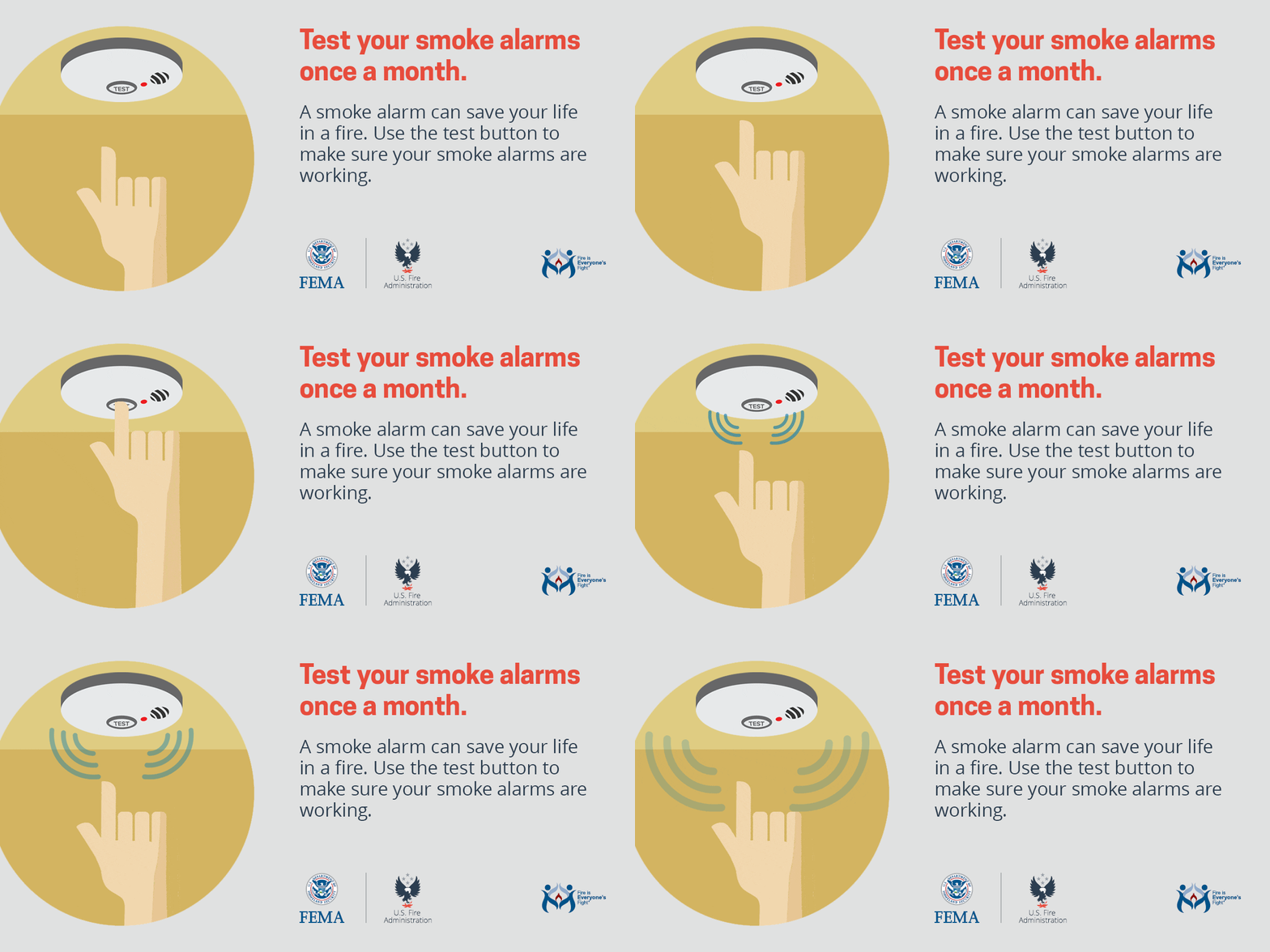
Test your smoke detectors every month. Press the test button until the alarm sounds. This quick check confirms the battery and alarm work. Replace batteries if the sound is weak or absent. Monthly tests catch problems early before they become serious.
Annual Maintenance
Perform a thorough check once a year. Clean dust and debris from the detector with a soft brush. Replace the smoke detector if it is over 10 years old. Check the manufacturer’s instructions for specific guidelines. Annual maintenance extends the device’s life and reliability.
How To Test Smoke Detectors
Testing smoke detectors keeps your home safe. It shows if the alarm works well. Testing takes only a few minutes. Doing it often helps spot problems early. Here is how to test your smoke detectors properly.
Using The Test Button
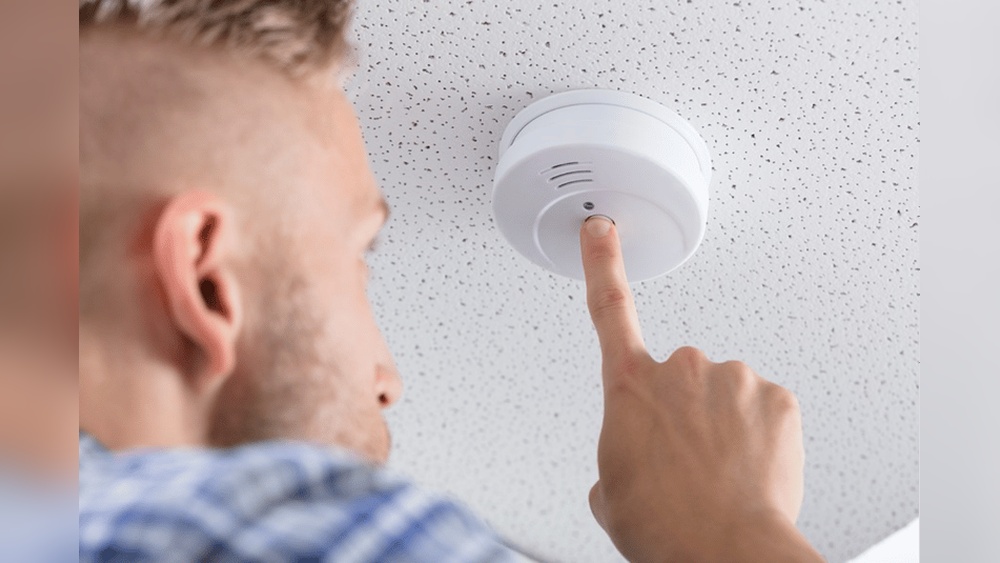
Find the test button on the smoke detector. Press and hold it for a few seconds. The alarm should sound loud and clear. If the sound is weak or silent, check the batteries. Do this test once a month to ensure safety.
Battery Replacement Tips
Change smoke detector batteries at least once a year. Use fresh, high-quality batteries for best results. Replace batteries immediately if the alarm beeps softly. Keep spare batteries in your home for quick changes. Always test the detector after replacing batteries.
Credit: www.usfa.fema.gov
Signs Your Smoke Detector Needs Replacement
Smoke detectors save lives by warning you about fire early. Knowing when to replace them keeps your home safe. Some signs mean your smoke detector is no longer reliable. Watch for these signs to protect your family and property.
Age Of The Device
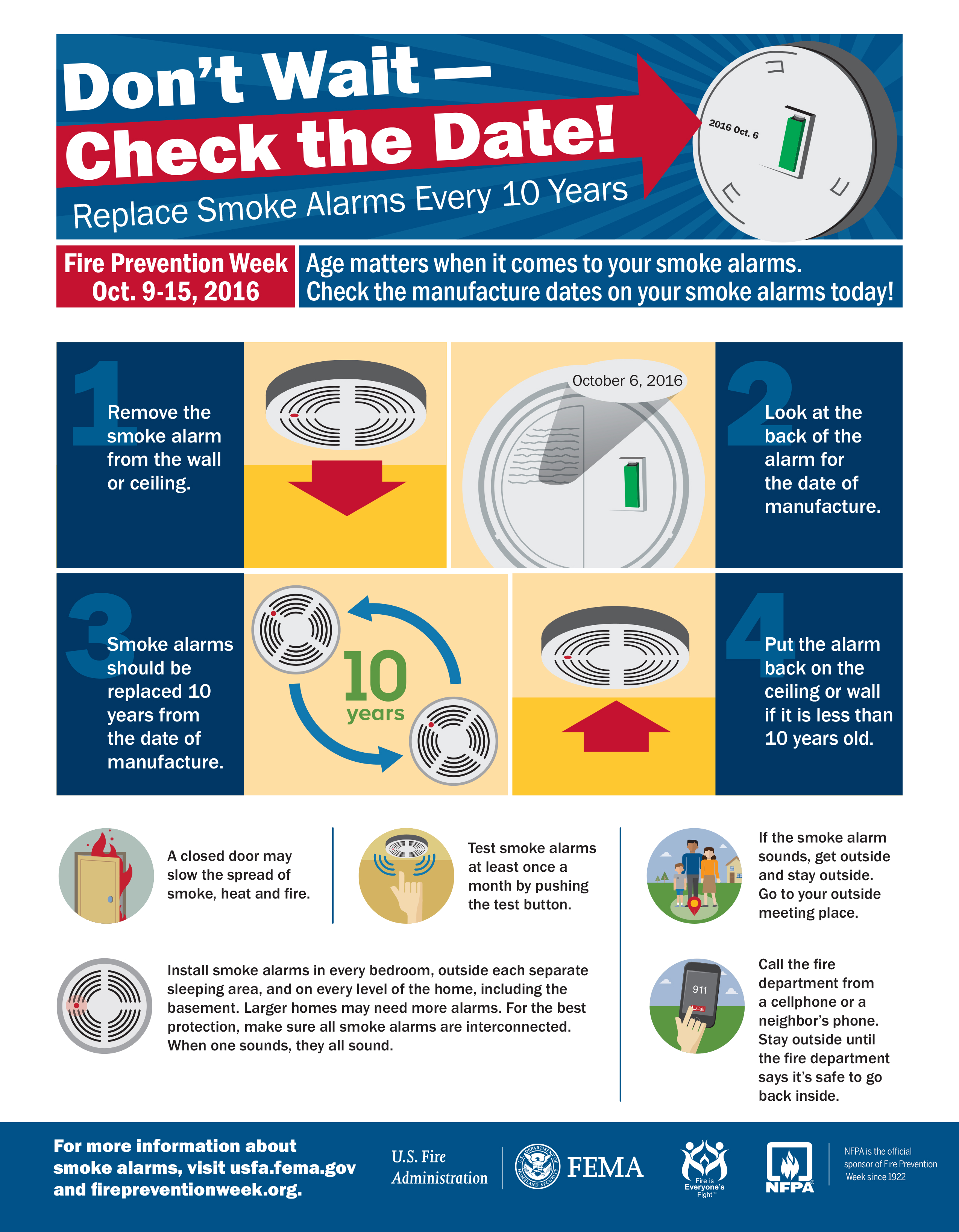
Most smoke detectors last about 10 years. After this, sensors lose sensitivity and may fail. Check the manufacture date on the back of the device. Replace smoke detectors older than 10 years for safety.
Frequent False Alarms
False alarms happen sometimes. But frequent false alarms may signal a problem. Dust, insects, or sensor wear can cause this. If cleaning does not help, it is time to replace the unit.
Additional Safety Tips
Checking smoke detectors regularly is essential, but there are other safety steps to consider. These tips help protect your home better and keep your family safe. Simple actions can reduce risks and increase your peace of mind.
Proper Placement Of Detectors
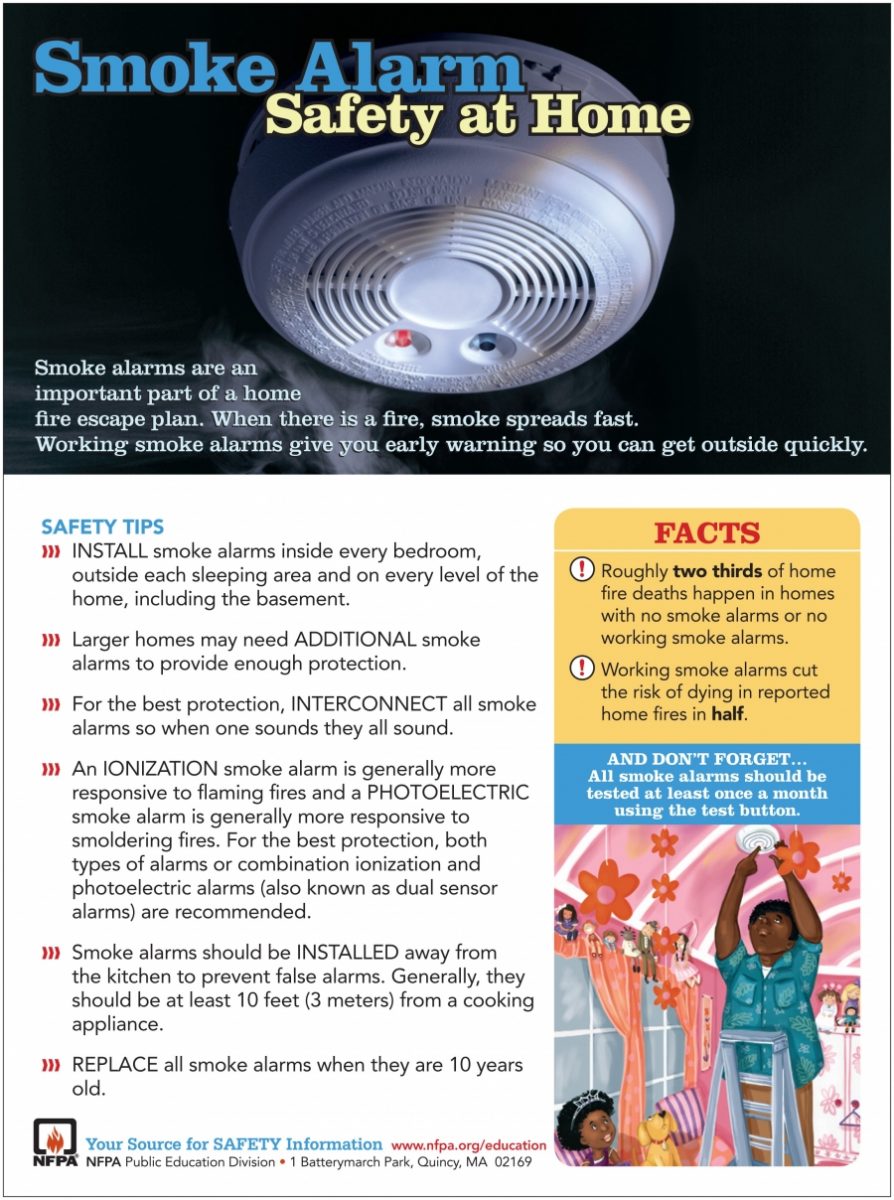
Place smoke detectors in every bedroom and outside sleeping areas. Install one on each floor, including the basement. Avoid placing detectors near windows, doors, or vents. These spots can cause false alarms or delay detection. Keep detectors at least 10 feet from cooking appliances. This reduces false alarms from normal cooking smoke.
Interconnected Systems
Use interconnected smoke detectors for the best protection. When one detector senses smoke, all alarms sound. This alerts everyone, even in far rooms. Interconnected systems increase the chance of early warning. Wireless models are easy to install and connect. Check compatibility before buying new detectors for your home.
Credit: yubanet.com
Frequently Asked Questions
How Often Should Smoke Detectors Be Tested?
Smoke detectors should be tested once a month to ensure they work properly. Regular testing helps detect smoke early and keeps your home safe.
When Is The Best Time To Replace Smoke Detectors?
Replace smoke detectors every 10 years. Over time, sensors lose sensitivity and may fail to detect smoke accurately.
How Often Should Smoke Detector Batteries Be Changed?
Change smoke detector batteries at least once a year. For optimal safety, replace batteries immediately if the alarm chirps.
What Are Signs Smoke Detectors Need Maintenance?
Frequent false alarms, chirping sounds, or failure during tests indicate maintenance is needed. Clean or replace the unit if problems persist.
Conclusion
Checking smoke detectors regularly keeps your home safe. Test them once a month to ensure they work well. Replace batteries at least once a year or when low. Clean dust from detectors to avoid false alarms. Old smoke detectors need replacing every 10 years.
Simple steps save lives and protect your family. Don’t wait until it’s too late. Stay safe by making checks a habit today.