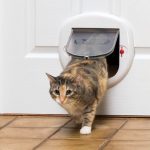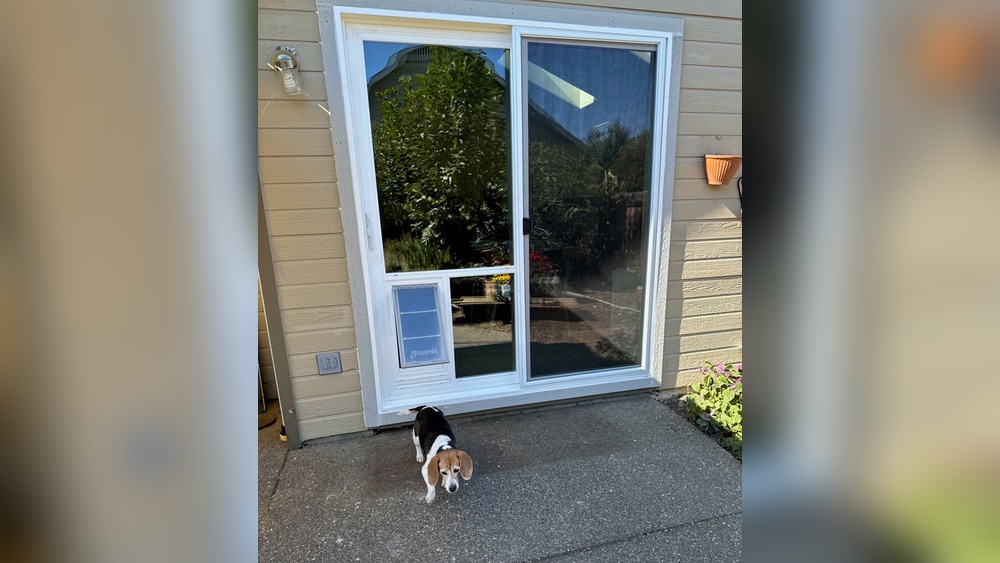

Have you ever thought about how a simple pet door could affect your home? It seems like a great idea—giving your furry friend the freedom to come and go as they please.
But what if that convenience comes with hidden risks? You might not realize it, but installing a pet door can sometimes lead to unexpected damage in your walls, doors, or floors. If you care about protecting your home while keeping your pet happy, you need to know what to watch out for.
Keep reading to discover why a pet door might cause damage and how you can prevent it before it’s too late.
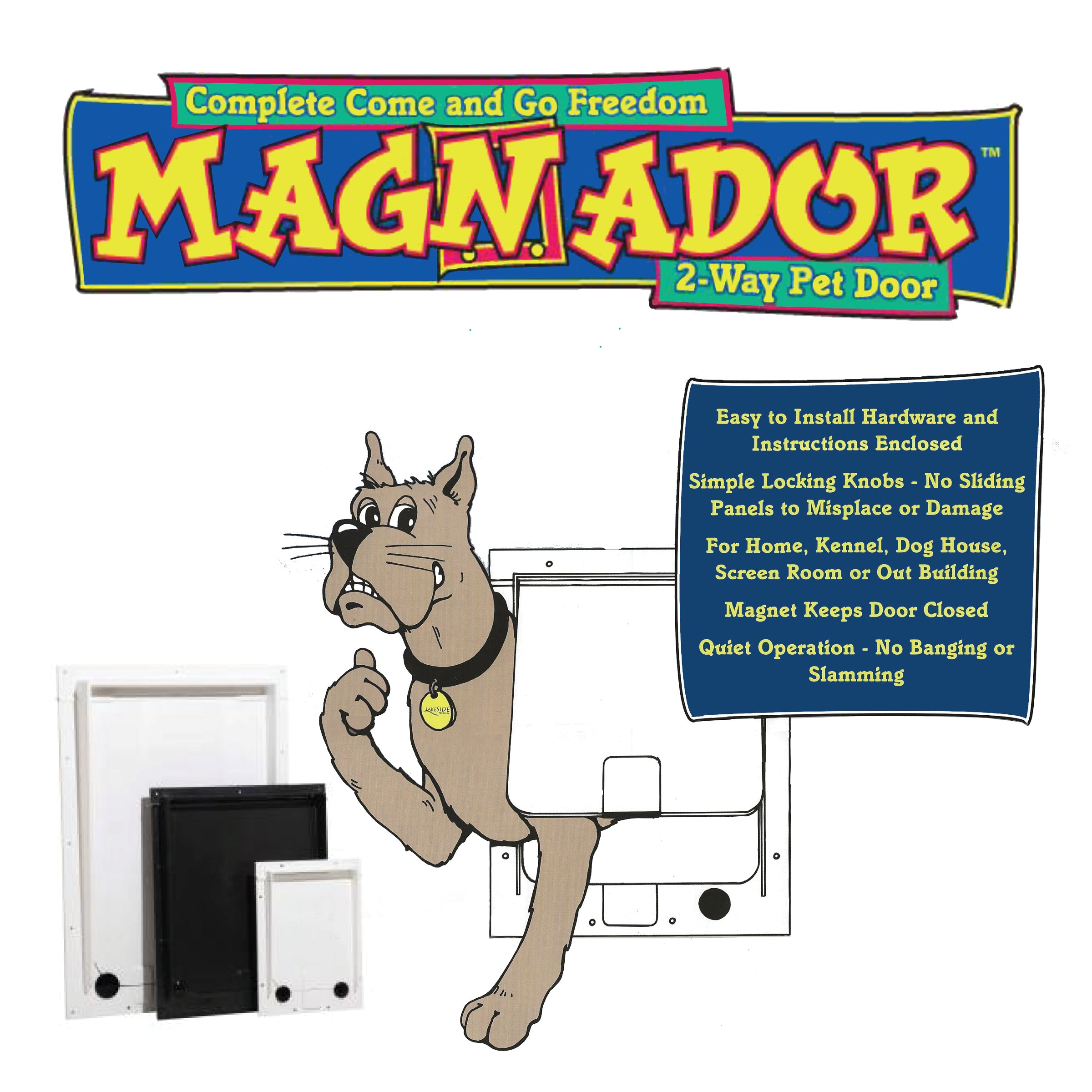
Credit: myubi.net
Common Damage From Pet Doors
Pet doors offer great convenience but may cause some damage to your home. Understanding common types of damage helps you avoid costly repairs. The most frequent problems relate to structure, weatherproofing, and security.
Structural Weakness
Installing a pet door involves cutting a hole in your wall or door. This can weaken the structure around the opening. If the cut is too large or poorly done, it reduces the strength of the frame. Over time, this can cause cracks or warping near the pet door.
Improper support may also lead to sagging doors or misaligned frames. The damage can spread, affecting nearby walls or floors. Careful installation and reinforcement are key to preventing structural issues.
Weatherproofing Issues
Pet doors often disrupt your home’s seal against weather. Gaps around the door let cold air, rain, and wind enter easily. This makes rooms colder in winter and hotter in summer.
Water can leak through these gaps, leading to mold or wood rot. Poor weatherproofing increases energy bills by making heating and cooling less effective. Sealing pet doors properly is essential to keep your home comfortable and dry.
Security Vulnerabilities
Pet doors can create openings for intruders to enter your home. Large or unlocked pet doors may allow strangers or wild animals inside. This risks theft or harm to your family and pets.
Some pet doors lack strong locks or sensors. This makes it easier for burglars to use the door. Choosing secure pet door models and adding extra locks helps protect your home from unwanted access.
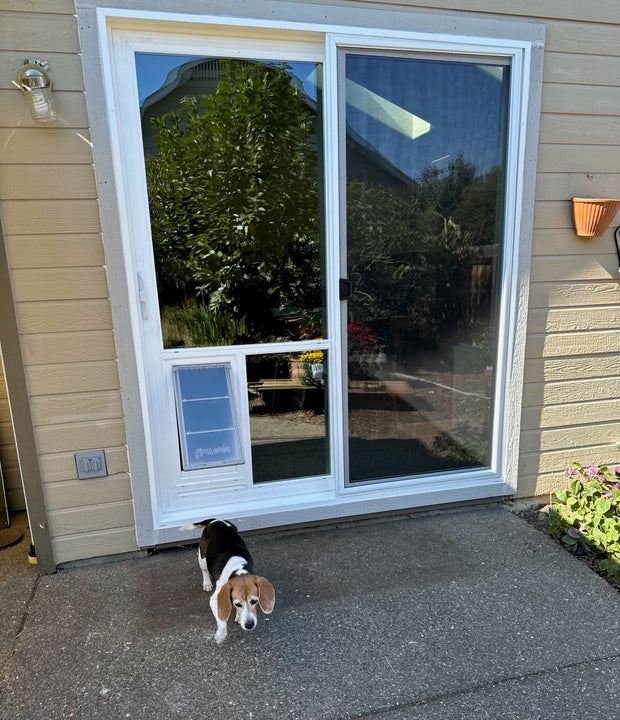
Credit: www.petdoors.com
Installation Mistakes
Installing a pet door might seem simple, but mistakes can cause serious damage to your home. Poor installation can lead to leaks, drafts, and structural issues. Taking time to install the door correctly helps protect your home and keeps your pet safe.
Incorrect Placement
Choosing the wrong spot for a pet door can weaken walls or doors. Avoid placing it near electrical wires or plumbing pipes. Wrong placement can let water or air inside, causing damage over time. Always check the area carefully before cutting.
Poor Sealing Techniques
Failing to seal around the pet door allows water and air to enter. This can lead to mold, rot, and higher energy bills. Use proper weatherproof seals and check for gaps. A tight seal keeps your home dry and energy-efficient.
Using Low-quality Materials
Cheap materials may not hold up to weather or pet use. They can crack, warp, or break easily. Low-quality doors might let in drafts and water. Choosing durable materials protects your home and lasts longer.
Pests And Intruders
Pet doors bring ease and freedom to pets. But they can also invite pests and intruders. This creates risks for your home and family. Small openings can become a pathway for unwanted guests. Understanding these dangers helps you protect your space better.
Attracting Unwanted Animals
Pet doors often attract wild animals. Raccoons, squirrels, and stray cats may enter through them. These animals look for food, shelter, or a warm place. Once inside, they can cause mess and damage. Scratches, droppings, and chewed wires are common problems. Pests can also spread germs and parasites. This makes your home unsafe for pets and people.
Easy Access For Burglars
Burglars can use pet doors to enter homes. These doors offer a small but easy entry point. They are easier to open or break than regular doors. Intruders can sneak in without making much noise. This increases the chance of theft or harm. A pet door without strong locks or sensors is a weak spot. Protect your home by choosing secure pet door options.
Wear And Tear Over Time
Pet doors offer convenience but can cause damage over time. Constant use leads to wear and tear. This slow damage affects the door and nearby parts of your home. Understanding these issues helps in preventing costly repairs.
Door Frame Damage
Repeated opening and closing weakens the door frame. Scratches and dents appear from your pet’s claws. The frame may loosen or crack after years of use. Poor installation can make this damage worse. Regular checks keep the frame strong and secure.
Flap Degradation
The flap faces constant movement and weather exposure. Sunlight can make the flap brittle and faded. Pets pushing hard can cause tears or holes. A worn flap loses its seal, letting drafts inside. Replacing the flap helps maintain comfort and energy savings.
Impact On Surrounding Walls
Walls near the pet door suffer from scuffs and marks. Pets rubbing or scratching leave visible damage. Moisture from rain or snow may seep in and cause stains. Over time, paint can peel or wallpaper may bubble. Protective measures reduce damage to your walls.
Preventive Measures
Preventing damage from a pet door starts with smart choices and regular care. Taking steps early helps protect your home from costly repairs. Small efforts lead to big benefits for your walls and floors.
Choosing The Right Door
Select a pet door made from durable materials. It should fit your wall or door perfectly. A good seal stops drafts and water from coming inside. Pick a size that suits your pet to avoid extra wear.
Professional Installation Tips
Hire a skilled installer for precise fitting. Proper installation prevents gaps that cause damage. They know how to protect your wall structure and avoid leaks. A well-installed door lasts longer and stays secure.
Regular Maintenance Practices
Check the pet door often for signs of wear or damage. Clean the flap and frame to keep it working well. Fix small problems quickly to stop bigger damage. Regular care keeps your home safe and your pet happy.

Credit: ocupatucalle.com
Frequently Asked Questions
Can Pet Doors Cause Structural Damage To Walls?
Pet doors may weaken walls if improperly installed. Cutting through walls can affect structural integrity and insulation, leading to potential damage over time.
Do Pet Doors Increase Risk Of Water Damage?
Yes, poorly sealed pet doors can allow water seepage. Moisture intrusion may cause mold, rot, and damage to walls or flooring near the door.
How Do Pet Doors Affect Home Security?
Pet doors can create security risks by allowing intruders easy access. Unsecured or large pet doors may compromise home safety and increase burglary chances.
Can Pet Doors Cause Damage To Flooring?
Pet doors often lead to scratched or worn flooring near the entrance. Pets tracking dirt or water inside can also contribute to floor damage.
Conclusion
Pet doors offer pets freedom and comfort at home. Still, they can cause damage if not installed correctly. Poor installation may lead to drafts, water leaks, or wall damage. Pets might scratch or chew around the door, causing wear. Choosing the right size and material helps prevent issues.
Regular checks and maintenance keep the door in good shape. A well-installed pet door protects both your home and pets. Think twice before adding one to avoid costly repairs. Simple care makes all the difference.