
Are you wondering what WiFi speed you need for your Ring Doorbell and video to work smoothly? Slow or unstable internet can turn your smart doorbell into a frustrating experience.
Imagine missing important visitors or having choppy video feeds just because your connection isn’t up to the task. You’ll discover the exact WiFi speeds that keep your Ring devices running perfectly, so you never miss a moment. Keep reading to make sure your home stays secure and your video calls stay crystal clear.

Credit: www.blizanovy.cz
Wifi Requirements For Ring Doorbell
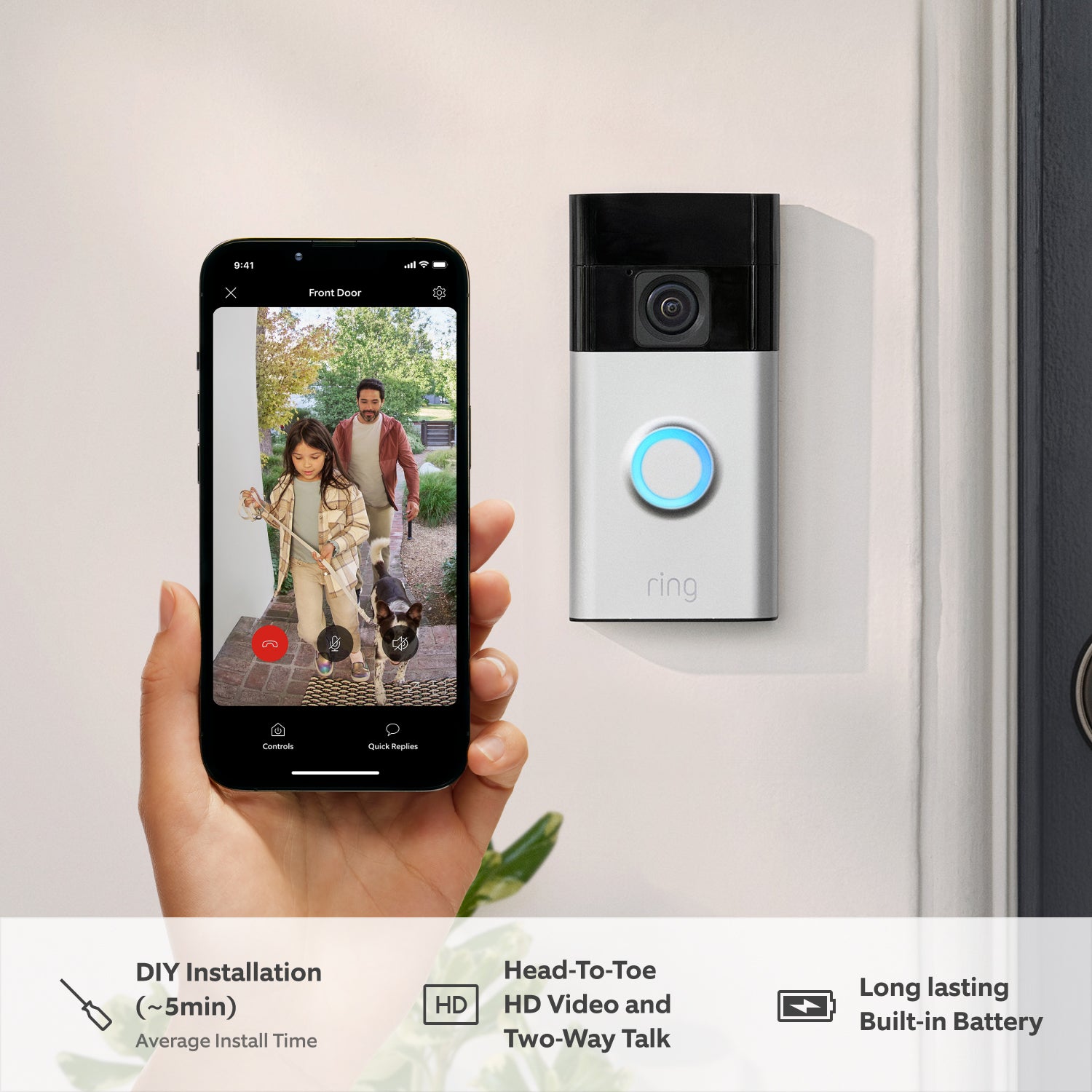
The Ring Doorbell depends heavily on a strong wifi connection. A good wifi setup ensures clear video and fast alerts. Without proper wifi, the doorbell may lag or lose connection. Understanding the wifi needs helps keep your device working well.
Here are the key wifi requirements for the Ring Doorbell to perform at its best.
Minimum Speed Needs
The Ring Doorbell needs at least 1 Mbps upload speed. This speed supports basic video streaming and notifications. Speeds lower than this cause delays and poor video quality. A stable connection is as important as speed to avoid interruptions.
Optimal Speed For Hd Video
For HD video, aim for 2 to 5 Mbps upload speed. This range allows smooth and clear video streaming. Higher speeds reduce buffering and improve live view experience. A fast connection helps capture all details in the video.
Impact Of Wifi Frequency Bands
The Ring Doorbell works on both 2.4 GHz and 5 GHz bands. The 2.4 GHz band offers longer range but slower speeds. The 5 GHz band provides faster speeds but shorter range. Choose the band based on your router’s distance and interference in your home.
Credit: www.sietesetenta.com.ar
Factors Affecting Wifi Speed
Wifi speed plays a big role in how well your Ring Doorbell and video work. Several factors can change the speed you get. Understanding these helps improve your device’s performance. Let’s explore key factors that affect your wifi speed.
Distance From Router
The farther your Ring Doorbell is from the router, the weaker the signal. Wifi strength drops as distance grows. Walls and floors reduce signal power, too. Keep your doorbell close to the router for better speed and video quality.
Interference And Obstacles
Other devices can cause interference with your wifi signal. Microwaves, cordless phones, and baby monitors use similar frequencies. Thick walls, metal objects, and glass also block signals. Removing obstacles or changing router location can help reduce interference.
Network Congestion
Many devices using the same network slow down wifi speed. Streaming videos, online games, and downloads use a lot of bandwidth. This congestion affects your Ring Doorbell’s video feed. Limit other devices or schedule heavy use for different times to improve speed.
Choosing The Right Router
Choosing the right router is key for a smooth Ring Doorbell and video experience. The router controls the wifi speed and coverage, directly affecting video quality. A good router keeps your video clear and responsive. It reduces lag and avoids interruptions during video calls or alerts.
Router Types And Wifi Standards
Routers come in different types based on wifi standards. Older routers use 802.11n, while newer ones support 802.11ac or 802.11ax (Wi-Fi 6). Newer standards offer faster speeds and better range. For Ring devices, choose a router supporting at least 802.11ac. It handles video data more smoothly and keeps your feed stable.
Benefits Of Dual-band Routers
Dual-band routers broadcast on 2.4 GHz and 5 GHz frequencies. The 2.4 GHz band covers longer distances but is slower. The 5 GHz band is faster but covers shorter distances. Ring devices work well on 2.4 GHz because of better range. Dual-band routers allow your Ring doorbell to connect on 2.4 GHz while other devices use 5 GHz. This reduces wifi traffic and improves overall speed.
Placement Tips For Best Coverage
Router placement impacts wifi coverage and speed. Place your router in a central location inside the house. Avoid walls, metal objects, or large furniture blocking the signal. Elevate the router on a shelf or table for better reach. Keep it away from microwaves and cordless phones that cause interference. Proper placement ensures your Ring Doorbell gets strong wifi signals for smooth video streaming.
Improving Wifi For Ring Devices
Improving wifi for Ring devices is key for clear video and fast alerts. Strong wifi helps your Ring doorbell and cameras work smoothly. Slow or weak wifi causes delays and poor video quality. Simple steps can boost your wifi signal and speed at home.
Using Wifi Extenders And Mesh Systems
Wifi extenders help reach corners of your home. They catch weak wifi signals and make them stronger. Mesh systems use several devices to cover large areas. They create one strong wifi network with no dead zones. Both options improve connection for Ring devices far from the router.
Upgrading Internet Plans
Internet speed matters for Ring doorbells and cameras. Basic plans may not support multiple devices well. Upgrading to faster plans gives more bandwidth. More bandwidth means better video quality and faster alerts. Choose plans with higher upload speeds for live video streaming.
Regular Network Maintenance
Keep your network clean and updated for best performance. Restart your router regularly to clear slowdowns. Update router firmware to fix bugs and improve speed. Remove old devices that slow the network. Check for interference from other electronics and move your router if needed.
Troubleshooting Slow Wifi Speeds
Slow WiFi speeds can cause your Ring Doorbell and video to lag or freeze. Troubleshooting these issues helps improve your device’s performance. Follow these simple steps to fix slow WiFi and get clear, smooth video feeds.
Checking Signal Strength
Start by checking your WiFi signal near the Ring Doorbell. A weak signal causes slow speeds and poor video quality. Move closer to the router or remove obstacles like walls and furniture. Use a WiFi app to measure signal strength. Aim for at least two bars for stable video streaming.
Resetting Devices And Router
Resetting your Ring Doorbell and router can clear temporary glitches. Turn off both devices, wait 30 seconds, then turn them back on. This refreshes the connection and often improves speed. Regularly restarting your router helps maintain strong WiFi performance.
Firmware And Software Updates
Keep your Ring Doorbell and router updated with the latest firmware. Updates fix bugs and improve connectivity. Check the Ring app for device updates. Also, visit your router’s settings to download firmware updates. Updated software keeps your WiFi fast and reliable.
Video Quality And Bandwidth
Video quality and bandwidth are key for Ring doorbells and video devices. Good video needs enough internet speed. Without enough speed, video can lag or look blurry. Bandwidth controls how much data your video uses. Too high bandwidth might slow other devices on your network. Finding the right balance helps your video look clear and keeps your internet fast.
How Speed Affects Video Clarity
Internet speed directly impacts video clarity on your Ring device. Faster speeds deliver sharper, smoother video. Slow speeds cause pixelation or frozen images. Video streams need steady upload and download rates. A minimum of 1 Mbps upload speed is best for clear video. Speeds below this can reduce quality and cause delays.
Balancing Quality And Data Usage
High video quality uses more data and bandwidth. This can slow your network or increase data costs. Lower quality settings save data but reduce sharpness. Choose a quality level that suits your internet plan. Balance good video clarity with your data limits for best results.
Adjusting Video Settings On Ring
Ring allows you to change video settings easily. You can select video resolution and frame rate. Lowering resolution reduces data use and bandwidth needs. Higher settings improve video but need faster internet. Adjust settings based on your WiFi speed and data plan.
Credit: www.sietesetenta.com.ar
Frequently Asked Questions
What Is The Ideal Wifi Speed For Ring Doorbell?
The ideal wifi speed for Ring Doorbell is at least 2 Mbps upload and download. This ensures smooth video streaming and quick response times for alerts.
How Does Wifi Speed Affect Ring Doorbell Video Quality?
Higher wifi speeds improve video clarity and reduce buffering. Slow connections cause lag, poor resolution, and delayed notifications on your Ring Doorbell.
Can Ring Doorbell Work With Slow Wifi?
Ring Doorbell can work with wifi speeds as low as 1 Mbps. However, video quality and live view performance may be significantly reduced.
What Wifi Frequency Is Best For Ring Doorbell?
2. 4 GHz wifi frequency is best for Ring Doorbell due to better range and compatibility. It provides a stable connection even at longer distances.
Conclusion
A good wifi speed helps your Ring Doorbell work smoothly. It keeps video clear and live alerts fast. Slow internet can cause delays and blurry images. Aim for at least 1 Mbps upload speed for best results. Check your wifi often to avoid interruptions.
Strong, steady wifi means better security and peace of mind. Simple steps improve your home safety and video quality. Your Ring Doorbell will perform well with the right wifi speed. Stay connected, stay safe.