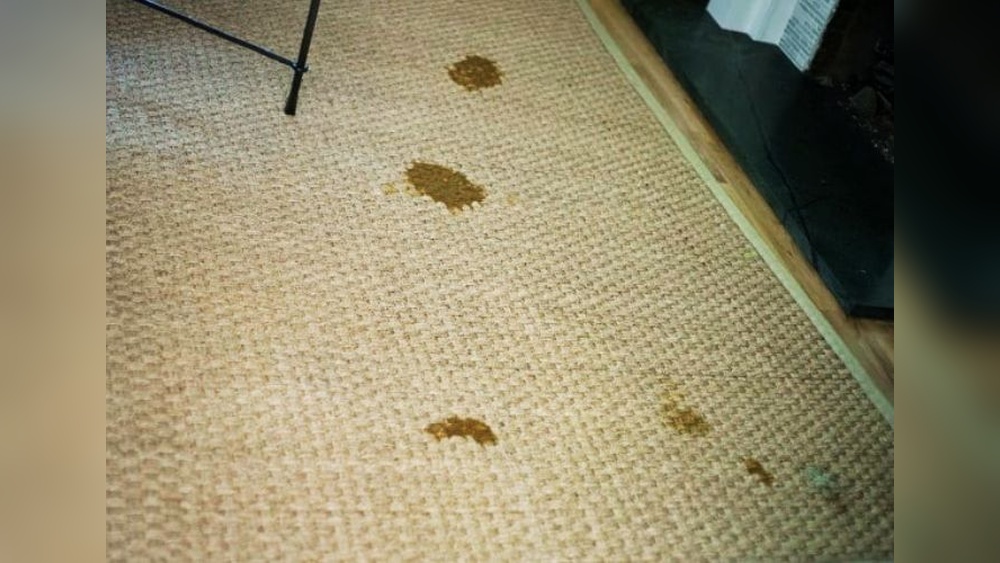

If you have a seagrass rug, you know how beautiful and natural it looks in your home. But what happens when your pet has an accident and leaves dried urine stains?
It can be frustrating and tricky to clean without damaging the rug. You want a fresh, clean space without ruining your favorite floor piece. In this guide, you’ll discover simple, effective steps to remove dried pet urine from your seagrass rug.
Keep reading to learn how to restore your rug’s natural charm quickly and safely.
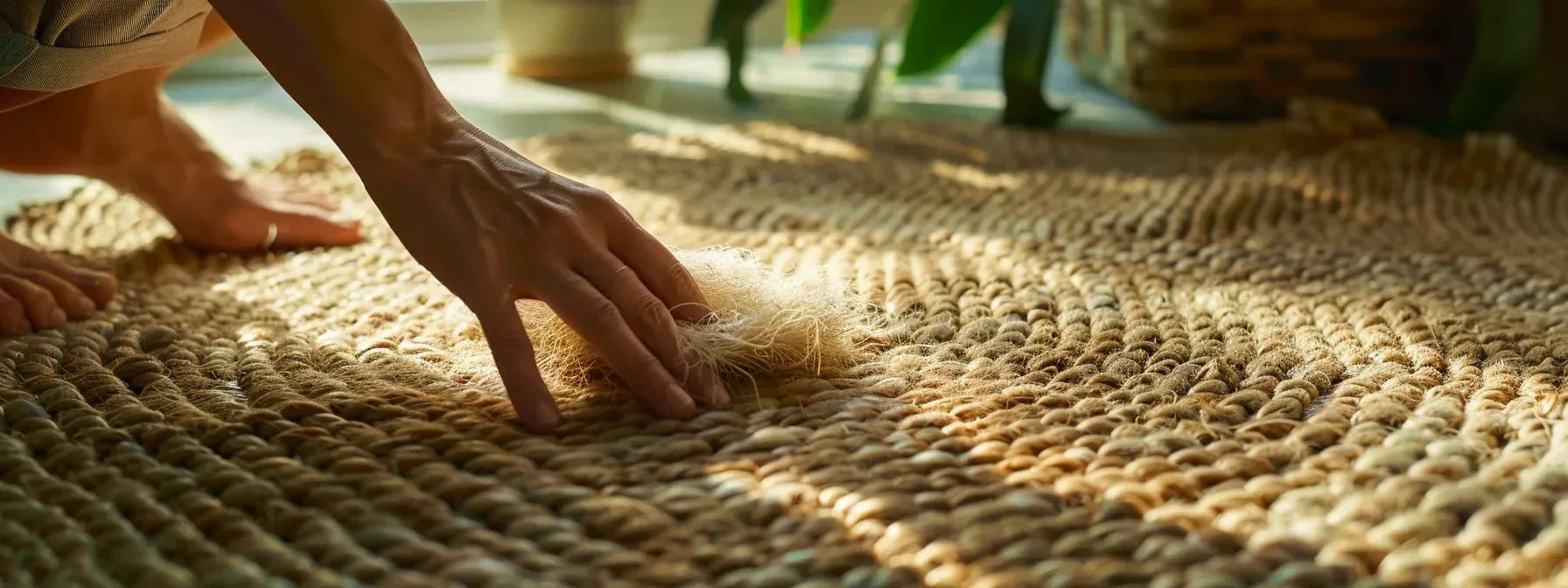
Credit: ecocraveworld.com
Causes Of Pet Urine Stains On Seagrass Rugs
Pets can leave urine stains on seagrass rugs for several reasons. These stains happen when pets urinate on the rug, and the liquid soaks into the fibers. Seagrass is natural and absorbent, which makes it easy for urine to penetrate deeply. This causes the rug to hold the smell and stain over time.
Understanding why pets urinate on rugs helps prevent stains and keep your rug clean. Sometimes, pets may have accidents due to health issues or stress. Other times, they might not have enough bathroom breaks. Identifying these causes helps manage the problem better.
Pet Behavior And Accidents
Pets do not always go outside or use the litter box. Young or untrained pets often make mistakes. Older pets may have trouble holding urine. These accidents lead to urine on the rug.
Health Issues In Pets
Pets with bladder infections or kidney problems urinate more often. They may not control their urine well. This causes frequent accidents on rugs and floors.
Stress And Anxiety
Pets can feel nervous or scared in new places. Stress causes some pets to urinate indoors. Changes in routine or environment trigger this behavior.
Insufficient Bathroom Breaks
Pets need regular bathroom time. Long periods without breaks increase accidents. Busy schedules or bad weather can limit bathroom trips.
Challenges In Cleaning Seagrass Rugs
Cleaning seagrass rugs poses unique challenges. These rugs are made from natural fibers. They absorb liquids quickly. This makes removing dried pet urine tricky. The fibers hold onto odors and stains deeply. Simple cleaning methods may not work well. Careful handling is necessary to avoid damage.
Pet urine can cause discoloration on seagrass rugs. The fibers may become stiff and brittle after cleaning. Using too much water can lead to mold growth. The rug’s natural texture can change. Understanding these challenges helps in proper cleaning.
Absorption And Staining
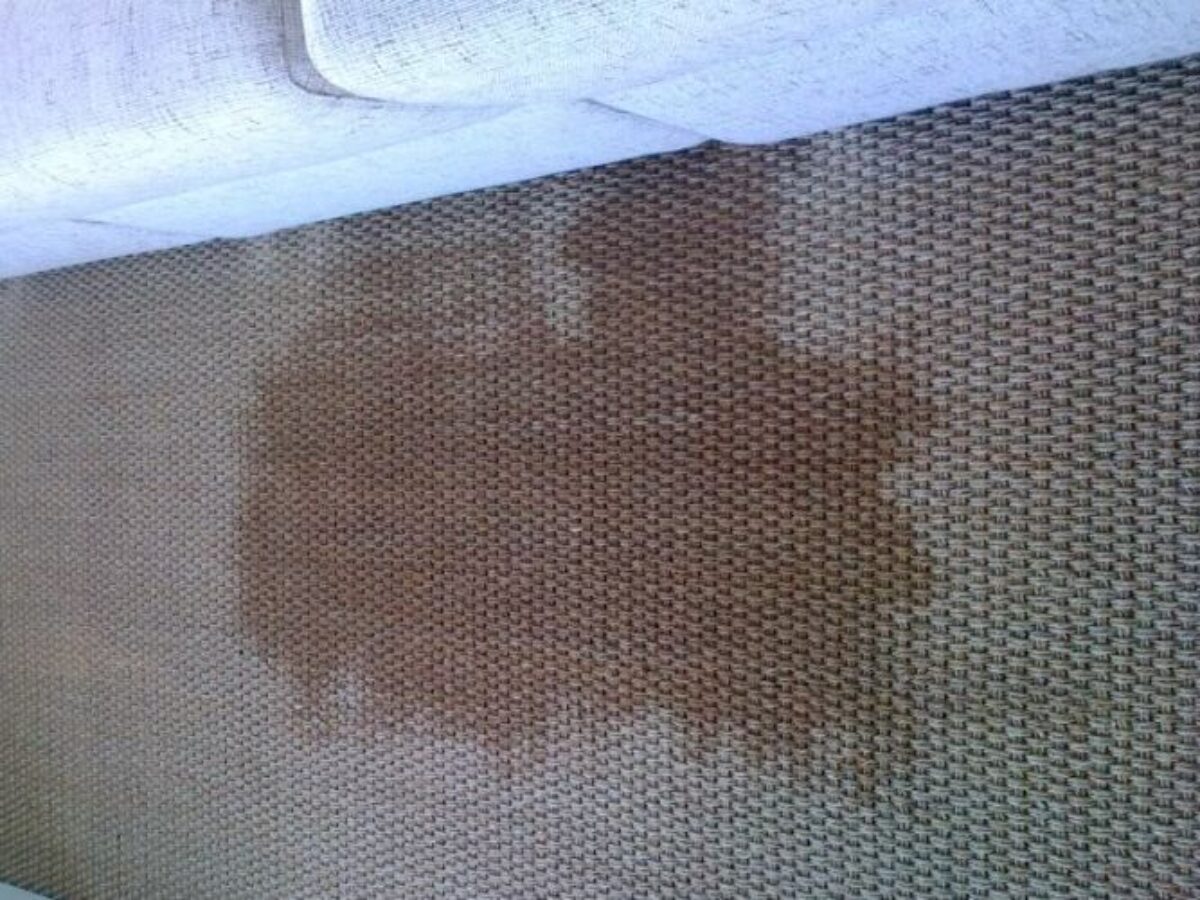
Seagrass fibers soak up liquids fast. Pet urine penetrates deep into the rug. This causes tough stains. The fibers hold the urine inside. Surface cleaning often misses the full stain. Stains may remain visible even after cleaning.
Odor Retention
Seagrass traps odors easily. Pet urine has strong smells. The rug fibers hold these smells tightly. Normal airing may not remove odors. Special cleaning is needed to eliminate smells fully.
Water Sensitivity
Seagrass rugs do not handle water well. Excess water can weaken fibers. Prolonged wetness causes mold or mildew. The rug may lose shape or texture. Minimal water use is important during cleaning.
Fragile Fiber Structure
Seagrass fibers are delicate. Rough scrubbing can damage the rug. Cleaning agents may harm the natural fibers. Gentle cleaning methods are necessary. Protecting the rug’s structure is key to longevity.
Preparing The Rug For Cleaning
Preparing your seagrass rug for cleaning is an important first step. It helps protect the fibers and makes the cleaning process more effective. Careful preparation ensures you do not damage the natural material while removing dried pet urine.
Start by removing any loose dirt and debris from the rug. This prevents dirt from spreading during cleaning. Next, gather all the necessary supplies before you begin. Being ready will save time and effort.
Gathering Cleaning Supplies
Collect all cleaning materials before starting. You will need a soft brush to loosen dirt. Have a vacuum cleaner ready to remove dust. Prepare mild soap or a gentle cleaner suitable for natural fibers. Use clean water to rinse the rug. Keep some white cloths or towels nearby for blotting. Avoid harsh chemicals that can harm the seagrass.
Testing Cleaning Solutions
Always test cleaning solutions on a small hidden area. This shows if the cleaner changes color or damages fibers. Apply a small amount and wait a few minutes. Check for any discoloration or weakening. If the test spot looks fine, you can use the cleaner on the stained area. Testing helps avoid ruining your rug during cleaning.
Credit: thanhcongcraft.com
Removing Fresh Pet Urine
Removing fresh pet urine from a seagrass rug is easier than dealing with dried stains. Acting fast stops the urine from soaking deep into the fibers. Seagrass rugs are natural and absorb liquids quickly, so quick care is key.
Use the right steps to clean without damaging the rug. Avoid harsh chemicals that may harm the natural fibers. Gentle cleaning keeps the rug looking good and smelling fresh.
Blot The Urine Immediately
Use paper towels or a clean cloth to blot the wet urine. Press firmly to soak up as much liquid as possible. Do not rub the stain. Rubbing spreads urine and pushes it deeper into the fibers.
Prepare A Mild Cleaning Solution
Mix a few drops of mild dish soap with warm water. Avoid using strong detergents or bleach. These can damage the seagrass and cause discoloration.
Gently Clean The Affected Area
Dampen a soft cloth with the cleaning solution. Dab the urine spot carefully, working from the outside inward. This prevents the stain from spreading. Do not soak the rug; use just enough moisture.
Rinse With Clean Water
Use a clean cloth dampened with plain water to remove soap residue. Soap left in the fibers can attract dirt and cause damage. Blot the area again to remove excess water.
Dry The Rug Thoroughly
Allow the rug to air dry completely. Place it in a well-ventilated area but away from direct sunlight. Direct sun can make seagrass brittle and fade its color.
Techniques For Dried Urine Removal
Removing dried pet urine from a seagrass rug needs careful steps. The rug’s natural fibers can be delicate. Using the right methods helps protect its texture and color. This section shows easy ways to clean dried urine without damage.
Vacuuming And Brushing
Start by vacuuming the rug to remove loose dirt and debris. Use a vacuum with a brush attachment for gentle cleaning. After vacuuming, use a soft brush to lift the dried urine from the fibers. Brush lightly to avoid hurting the seagrass. This process helps loosen the stain for better cleaning later.
Applying Natural Cleaners
Natural cleaners work well on seagrass rugs. Mix equal parts water and white vinegar. Dab the mixture on the stained area using a clean cloth. Let it sit for 5 to 10 minutes. Blot the spot with a dry cloth to absorb moisture. Vinegar helps neutralize the urine smell and break down stains without harsh chemicals.
Using Enzymatic Cleaners
Enzymatic cleaners are effective at removing pet urine from natural fibers. They break down the urine’s proteins and odors. Spray the cleaner on the dried stain following the product instructions. Allow time for the enzymes to work, usually 10 to 15 minutes. Blot with a clean cloth and let the rug air dry. These cleaners are safe for seagrass and pets.
Drying And Maintaining The Rug
Drying and maintaining a seagrass rug is important after cleaning pet urine stains. Proper drying helps prevent mold and bad smells. Maintenance keeps the rug looking fresh and lasts longer.
Air Drying Tips
Place the rug in a well-ventilated area. Avoid direct sunlight to stop fading. Lay it flat or hang it over a railing. Turn the rug occasionally to dry both sides. Use fans to speed up the drying process. Make sure the rug is completely dry before placing it back.
Preventing Future Stains
Clean spills quickly to stop stains from setting. Use pet training pads in problem areas. Spray a pet-safe repellent on the rug edges. Regularly vacuum to remove dirt and hair. Rotate the rug to spread wear evenly. Keep pets’ nails trimmed to avoid damage.
When To Seek Professional Help
Removing dried pet urine from a seagrass rug can be tricky. Sometimes, the stain and smell stay even after cleaning. This is the time to think about getting expert help. Professionals have special tools and knowledge to clean tough stains safely.
They can protect your rug’s natural fibers while removing deep-set urine. Not all stains respond well to home cleaning methods. Seeking help early can save your rug from permanent damage.
Signs Your Rug Needs Professional Cleaning
If the smell lingers after several cleanings, it shows the urine is deep. Dark stains that don’t fade are another warning. Also, if the rug feels stiff or brittle, the urine may have damaged the fibers.
Complex Stains And Material Sensitivity
Seagrass rugs absorb liquids quickly and can stain deeply. Some cleaning products may harm the rug’s natural texture. Professionals know which products are safe and effective for seagrass.
Benefits Of Professional Equipment And Techniques
Experts use advanced tools to reach deep into fibers. They employ eco-friendly cleaners that remove odors and stains without harming the rug. Their methods restore the rug’s look and feel better than DIY attempts.
Preventing Further Damage
Incorrect cleaning can make stains worse or cause fiber loss. Professionals understand how to handle seagrass rugs carefully. They can also give advice on how to protect your rug from future pet accidents.

Credit: www.reddit.com
Frequently Asked Questions
How Can I Clean Dried Pet Urine From A Seagrass Rug?
Start by blotting the urine with paper towels. Use a vinegar and water solution to gently scrub the spot. Rinse with clean water and blot dry. Avoid harsh chemicals to protect the rug’s natural fibers.
What Household Items Remove Pet Urine Odor From Seagrass Rugs?
White vinegar, baking soda, and mild dish soap are effective. Vinegar neutralizes odor, baking soda absorbs moisture, and soap cleans stains. Use them carefully to avoid damaging the rug’s texture.
Is It Safe To Use Enzymatic Cleaners On Seagrass Rugs?
Yes, but choose enzymatic cleaners labeled safe for natural fibers. Test on a small, hidden area first to prevent discoloration. Follow the product instructions for best results.
How Do I Prevent Pet Urine Stains On Seagrass Rugs?
Regularly clean and vacuum the rug to remove dirt. Use pet training pads or mats to protect areas. Promptly clean any accidents to avoid stains setting in.
Conclusion
Removing dried pet urine from a seagrass rug takes care and patience. Start cleaning quickly to stop stains and smells from setting. Use gentle solutions and soft brushes to protect the rug’s fibers. Rinse well and dry the rug fully to avoid mold.
Regular cleaning helps keep your rug fresh and lasting longer. Small steps make a big difference in keeping your home clean. Trust the process, and your seagrass rug will look and smell better soon.