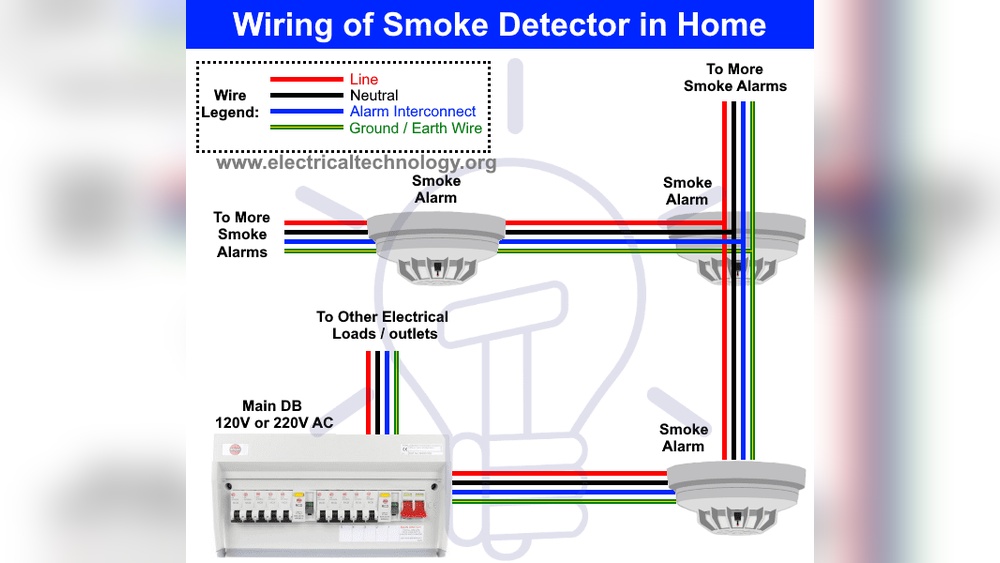

Have you ever wondered how your home smoke detectors stay connected and work together to keep you safe? Understanding how these devices are wired can give you peace of mind and help you maintain your safety system better.
You’ll discover the simple wiring methods behind your smoke detectors and why proper installation matters more than you might think. Keep reading to learn how your home’s safety depends on these small but powerful connections.
Types Of Smoke Detectors
Smoke detectors are vital for home safety. They warn you about fire early. Different types of smoke detectors exist. Each type has unique features and wiring methods. Understanding these types helps in choosing the right one for your home.
Battery-powered Models
Battery-powered smoke detectors run on replaceable batteries. They do not need any wiring inside walls. Easy to install almost anywhere in your home. These models are portable and good for rentals. They need regular battery checks to stay active. If the battery dies, the alarm will not work.
Hardwired Systems
Hardwired smoke detectors connect to your home’s electrical system. They have wires inside walls for constant power. These systems often include a battery backup. If power goes out, battery keeps the alarm working. Hardwired detectors can connect with other alarms. When one detects smoke, all sound alarms together.
Combination Detectors
Combination detectors mix smoke and carbon monoxide detection. They provide two safety features in one device. These can be either battery-powered or hardwired. Combination models save space on ceilings or walls. They alert you to smoke or dangerous gas leaks. Many homes prefer combination detectors for extra safety.

Credit: www.youtube.com
Wiring Basics For Smoke Detectors
Understanding the wiring basics of home smoke detectors helps keep your family safe. Proper wiring ensures the detectors work well and alert you quickly. This section explains key parts of the wiring system for smoke alarms.
Power Sources
Smoke detectors usually get power from your home’s electricity. They connect to the electrical wiring inside walls. This connection gives them constant power. Some models use only batteries, but hardwired ones are more reliable.
Hardwired smoke detectors must be connected to a 120-volt power supply. An electrician often does this job. The wiring must follow safety codes to avoid electrical hazards.
Interconnection Wiring
Interconnection wiring links multiple smoke detectors in one home. When one alarm sounds, all connected alarms ring too. This system gives early warning throughout the house.
Wires run between each detector to create the network. The connection uses a special wire called a signaling line. This wire sends the alarm signal quickly and clearly.
Backup Battery Integration
Backup batteries keep smoke detectors working during power outages. They connect inside the smoke alarm unit. The battery activates automatically if the main power fails.
Many hardwired detectors include a backup battery slot. This feature improves safety by preventing detector failure. Homeowners should check and replace backup batteries regularly.
Installation Process
Installing home smoke detectors involves careful planning and proper wiring. This process ensures your detectors work correctly and keep your home safe. Each step matters, from picking the right spots to connecting all units together.
Choosing Detector Locations
Select places where smoke can reach quickly. Hallways, near bedrooms, and ceilings are best. Avoid areas near windows or vents where air moves fast. This can stop smoke from reaching the detector on time.
Place detectors high, close to the ceiling. Smoke rises, so higher spots catch smoke early. Install one on every floor for full coverage.
Running Electrical Wiring
Use proper wiring to connect detectors to your home’s power. Typically, 120-volt wires with a battery backup are used. Run wires through walls or ceilings carefully.
Turn off power before handling wires. Connect wires following local electrical codes. Secure wires to avoid damage or loose connections.
Connecting Multiple Units
Link smoke detectors so they all sound an alarm together. This connection uses interconnect wiring. If one detects smoke, all alarms ring.
Follow manufacturer instructions for interconnecting. Usually, a special wire runs between units. Test all detectors after wiring to ensure they work as one system.
:max_bytes(150000):strip_icc()/install-hardwired-smoke-detectors-1152329-08-7adda3e3f25b408ca859f1f792f626e3.jpg)
Credit: www.thespruce.com
Safety Standards And Codes
Home smoke detectors must follow strict safety standards and codes. These rules ensure the devices work correctly and protect families from fire. Understanding these standards helps homeowners install and maintain smoke detectors safely and effectively.
National Fire Protection Association (nfpa) Guidelines
The NFPA sets the main rules for smoke detector wiring. Their guidelines cover placement, wiring methods, and power sources. Smoke detectors often need to be interconnected. This means if one detects smoke, all alarms sound. The NFPA requires hardwired detectors with battery backups. This setup prevents failure during power outages. Following NFPA rules increases home safety and reduces fire risks.
Local Building Codes
Local building codes add specific rules based on the area. These codes vary by city or state. They can require certain types of detectors or wiring methods. Electricians and inspectors use these codes during installation and checks. Complying with local codes ensures legal and safe smoke detector systems. Homeowners should check these rules before installation to avoid issues.
Regular Inspection Requirements
Regular inspections keep smoke detectors working well. Many codes require checks at least once a year. Inspections include testing alarms and checking wiring connections. Batteries and sensors should be replaced as needed. Proper maintenance follows safety rules and extends device life. Homeowners benefit from routine inspections to stay protected.
Troubleshooting Common Issues
Troubleshooting common issues with home smoke detectors helps keep your home safe. Knowing how to fix problems saves time and stress. This section covers false alarms, power failures, and interconnection problems. Each issue affects your smoke detector’s performance and needs quick attention.
False Alarms
False alarms happen often in smoke detectors. Dust, steam, or insects inside the detector cause false alerts. Clean the detector regularly with a soft brush or vacuum. Avoid installing detectors near kitchens or bathrooms. Cooking smoke or steam triggers false alarms. Replace old detectors if false alarms persist. Use models with a hush button to silence false alarms quickly.
Power Failures
Power failures stop smoke detectors from working. Battery-powered detectors need new batteries every six months. Use fresh, high-quality batteries for best results. Hardwired detectors have backup batteries to keep them active during outages. Test detectors monthly to ensure power is stable. Replace backup batteries every year to avoid failure. If your detector won’t power on, check the wiring connection carefully.
Interconnection Problems
Interconnected smoke detectors alert the entire home if one detects smoke. Wiring errors often cause interconnection problems. Confirm all detectors connect correctly according to the manufacturer’s guide. Look for loose or damaged wires in the circuit. Test the system by pressing the test button on one detector. All connected alarms should sound. Repair or replace faulty wiring to restore connection. Proper interconnection is vital for full home safety.
Upgrading And Maintenance Tips
Keeping home smoke detectors in good shape is vital for safety. Upgrading old units and regular maintenance help ensure they work properly. Simple steps can extend their life and improve home protection.
Replacing Old Detectors
Smoke detectors do not last forever. Most last about 10 years. After that, they become less reliable. Replace old detectors with new ones promptly. Choose models that meet current safety standards. This helps maintain strong fire detection in your home.
Cleaning And Testing
Dust and dirt can block smoke sensors. Clean detectors every few months using a soft brush or vacuum. Avoid using water or cleaners. Test detectors monthly by pressing the test button. This confirms the alarm sound works well. Replace batteries yearly or when the low-battery signal sounds.
Smart Smoke Detector Options
Smart smoke detectors connect to Wi-Fi and send alerts to phones. They offer advanced features like self-testing and battery alerts. Some models link with home automation systems. These detectors provide extra convenience and safety. Consider smart options when upgrading your home system.

Credit: www.reddit.com
Frequently Asked Questions
How Are Home Smoke Detectors Typically Wired?
Home smoke detectors are usually wired in a series or interlinked system. This wiring allows all units to sound an alarm simultaneously when one detects smoke. They can be hardwired into the home’s electrical system with battery backup for continuous protection.
What Types Of Wiring Are Used For Smoke Detectors?
Smoke detectors use either hardwired or wireless connections. Hardwired detectors connect through the home’s electrical wiring, while wireless models communicate via radio signals. Hardwired systems are more reliable but require professional installation.
Can I Wire Smoke Detectors Myself Safely?
Yes, but only if you have electrical experience. Installing hardwired smoke detectors involves working with household wiring, which can be dangerous. For safety and code compliance, hiring a licensed electrician is recommended.
Why Are Smoke Detectors Interconnected In Homes?
Interconnected smoke detectors provide early warning throughout the house. When one detector senses smoke, all alarms sound. This feature improves safety by alerting everyone, even if the fire starts far from some detectors.
Conclusion
Home smoke detectors connect to your home’s power and each other. They use simple wiring to share alerts quickly. This setup helps keep everyone safe by warning of smoke or fire. Proper installation matters for the system to work well.
Regular checks ensure the detectors stay ready. Knowing how they are wired helps you understand their importance. Stay safe by keeping your smoke detectors in good shape. Safety starts with being prepared and informed.