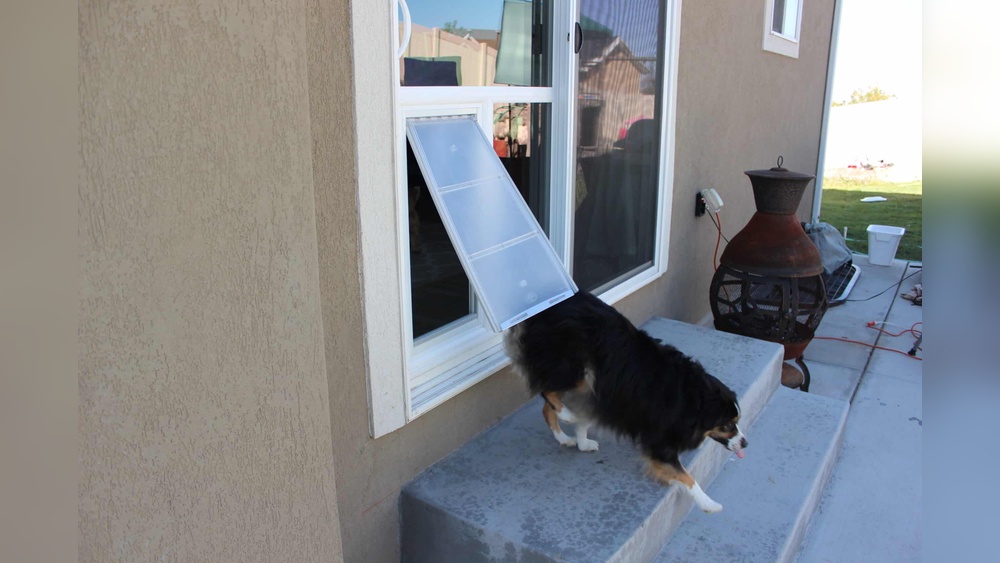

Choosing the right door for a pet door can make a big difference for both you and your furry friend. You want something durable, secure, and easy for your pet to use.
But with so many options out there, how do you pick the best one? This guide will help you understand what makes a door a good choice for installing a pet door. By the end, you’ll feel confident about creating a perfect little gateway your pet will love – and you’ll enjoy the convenience it brings to your daily life.
Keep reading to find the ideal fit for your home and pet!
Types Of Pet Doors
Choosing the right pet door helps your pet move freely and safely. Pet doors come in different types to fit various homes and pets. Each type offers unique features and benefits. Understanding these types helps you pick the best one for your pet.
Flap Doors
Flap doors are the most common pet doors. They have a simple flap that pets push open to go outside or inside. These doors are easy to install in walls or doors. Flap doors work well for small to medium pets and are budget-friendly.
Electronic Doors
Electronic pet doors use sensors or collars to allow only your pet inside. They prevent other animals from entering your home. These doors are good for security and controlling pet access. Electronic doors usually require batteries or power to work.
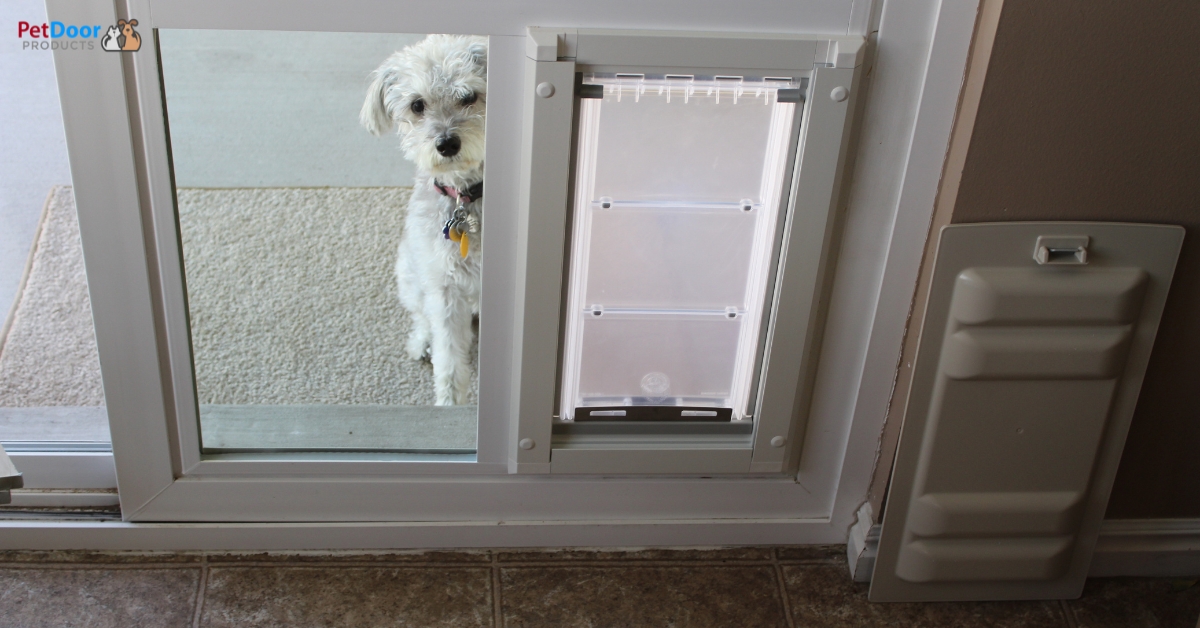
Sliding Glass Doors
Sliding glass pet doors fit into existing sliding doors. They save space and keep your view clear. These doors are easy to use and install without major changes. Sliding glass doors suit pets that use the backyard often.
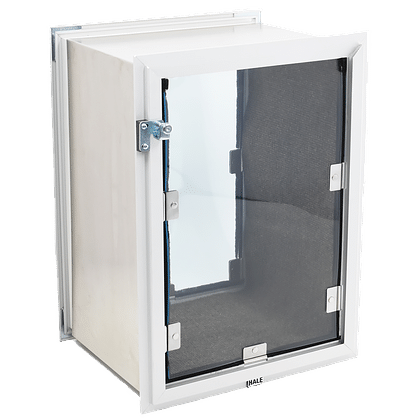
Wall-mounted Doors
Wall-mounted pet doors go directly through your home’s wall. They offer a direct path between the inside and outside. These doors often have better insulation to keep your home warm. Wall-mounted doors are ideal for pets that need easy outdoor access.
Credit: petdoorproducts.com
Material Options
Choosing the right material for a pet door is important. It affects the door’s durability, style, and how well it works. Different materials suit different homes and pets. Here are common material options for pet doors.
Plastic Pet Doors
Plastic pet doors are lightweight and affordable. They are easy to install in most doors or walls. Many plastic doors have a flap that swings easily for pets. These doors work well for small to medium pets. Plastic resists water and is easy to clean. It may not hold up well in very cold weather.
Aluminum Pet Doors
Aluminum pet doors are strong and long-lasting. They handle rough use better than plastic. Aluminum resists rust and works well outside. These doors often have sturdy flaps or panels. They are good for larger pets or active dogs. Aluminum doors can be a bit heavier to install.
Wooden Pet Doors
Wooden pet doors look natural and match many home styles. They blend well with wooden doors and walls. Wood is sturdy but needs care to avoid damage from weather. These doors suit pets that are calm and gentle. Wooden pet doors may cost more and need more upkeep.
Size And Fit Considerations
Choosing the right size and fit for a pet door is very important. A door that fits well keeps pets safe and comfortable. It also stops drafts and keeps your home secure. This section covers how to measure your pet, check door frame compatibility, and decide between custom or standard sizes.
Measuring Your Pet
Start by measuring your pet’s height and width. Measure from the floor to the top of their shoulders. Add a few inches to this height for head clearance. Measure the widest part of your pet’s body. This ensures they can pass through easily without squeezing.
Some pets may need extra space if they carry toys or wear collars. Measure carefully to avoid buying a door too small or too large. A good fit means your pet moves freely and feels safe.
Door Frame Compatibility
Check the door or wall where you plan to install the pet door. Measure the thickness and width of the frame or wall. Some pet doors fit only certain thicknesses or door materials.
Make sure the pet door you choose matches your door frame type. Some models work better on wooden doors, others on metal or glass. Proper fit prevents damage and helps the door work well.
Custom Vs Standard Sizes
Standard pet doors come in common sizes for small, medium, and large pets. These are easy to find and usually cost less. But they may not fit all pets or door frames perfectly.
Custom pet doors are made to your exact measurements. They fit better for unusual pet sizes or unique door frames. Custom doors can be more expensive but offer the best fit and comfort.
Credit: www.halepetdoor.com
Security Features
Choosing a pet door means thinking about security features first. A good pet door keeps your pet safe and your home secure. It stops other animals or strangers from coming inside. Security features help protect your house while giving your pet freedom.
Locking Mechanisms
Locking mechanisms add an extra layer of safety. You can lock the pet door when you don’t want your pet to go out. Some doors have manual locks, while others use electronic locks. These locks prevent unwanted entry and keep your pet safe inside. Simple locks are easy to use and very effective.
Selective Entry Systems
Selective entry systems allow only your pet to enter and exit. They use sensors or microchips to recognize your pet. This stops stray animals from getting inside. Some doors open only when your pet is close. This feature gives control over who can use the door.
Weatherproofing
Weatherproofing protects your home from cold, wind, and rain. Good pet doors have seals to keep out drafts and moisture. Weatherproof materials last longer and keep your house comfortable. This feature helps save energy and protects your pet from bad weather.
Installation Tips
Installing a pet door needs care and good planning. The right steps make the process smooth and safe. This section helps with useful tips for installing pet doors.
Learn about simple ways to install, when to get help, and what problems might arise. These tips ensure your pet door works well and lasts long.
Diy Installation
Measure the door or wall space accurately. Mark the exact spot for cutting. Use the right tools like a drill and saw. Follow the pet door instructions step by step. Check the fit before securing the door in place. Seal around the edges to avoid drafts. Take time and work carefully to prevent mistakes.
Professional Installation
Choose a skilled installer for complex doors or walls. Professionals have tools and experience for quick work. They ensure the pet door fits safely and securely. Hiring experts saves time and avoids damage. Ask for a cost estimate before starting. A good installer provides a clean, neat finish.
Common Challenges
Cutting the hole too big or too small is a usual problem. Walls with wires or pipes need extra caution. Weatherproofing can be tricky without proper sealing. Pets may resist the new door at first. Noise or drafts might occur if installation is poor. Knowing these issues helps avoid delays and extra costs.
Best Pet Door Brands
Choosing the right pet door means trusting a brand that values quality and safety. Some brands stand out for their durable materials and smart designs. These brands offer options for different types of pets and homes. They focus on ease of use and pet comfort. Here are some of the best pet door brands to consider.
Top Rated Flap Doors
Flap doors remain popular for their simplicity and reliability. Brands like PetSafe and Endura offer strong, weather-resistant flaps. These doors fit well in most doors and walls. They provide a tight seal to keep out drafts. The flaps swing easily, helping pets go in and out without trouble.
Popular Electronic Models
Electronic pet doors provide added security and control. SureFlap and High Tech Pet are trusted names in this category. These doors use sensors or microchips to open only for your pet. They prevent stray animals from entering your home. Many models allow you to set schedules for pet access.
Budget-friendly Choices
Affordable pet doors do not mean poor quality. Brands like Ideal Pet Products offer good doors at lower prices. These models cover basic needs and are easy to install. They work well for small to medium-sized pets. Even budget options provide safe and convenient access for pets.
Maintenance And Durability
Choosing a pet door means thinking about maintenance and durability. A good pet door lasts long and stays easy to use. Regular care keeps it working well. It also protects your home from weather and pests. Understanding how to clean and check your pet door helps you avoid problems. Knowing when to replace parts saves money and stress.
Cleaning Tips
Clean the pet door often. Use mild soap and water. Wipe down the flap and frame gently. Remove dirt and pet hair. Check for sticky spots that block the flap. Dry the door completely after cleaning. This stops mold and bad smells. Clean both sides for best results.
Wear And Tear Signs
Look for cracks or holes in the flap. Check if the flap hangs unevenly. Listen for unusual noises when it moves. Notice if the door no longer seals tight. Check the frame for loose screws or damage. These signs show the door may need repair.
When To Replace
Replace the pet door if it breaks often. If the flap does not close well, replace it. When the frame is cracked or warped, get a new one. A worn-out door can let cold air or bugs in. A strong, smooth door keeps pets safe and happy.
Pet Door Safety
Choosing the right pet door is not only about convenience. Safety plays a big role too. A secure pet door protects your home and your pets. Understanding pet door safety helps you pick the best option. It also keeps your pets happy and safe inside.
Preventing Intruders
Pet doors can be a risk if not secure. They might allow strangers or wild animals inside. Choose pet doors with strong locks or electronic sensors. Some doors open only for your pet’s microchip or collar tag. This stops unwanted visitors from entering your home.
Keeping Pets Safe Indoors
Pets need protection from outside dangers. A good pet door stops pets from escaping unsupervised. It also keeps harmful weather out. Look for doors that are durable and weatherproof. This keeps your pet safe and comfortable indoors.
Monitoring Pet Activity
Knowing when your pet comes and goes is useful. Some pet doors have smart features to track activity. You can see if your pet is outside or inside. This helps you watch their safety and behavior. Monitoring keeps pets safe and gives peace of mind.
Credit: kdfoundation.org
Frequently Asked Questions
What Type Of Door Suits A Pet Door Best?
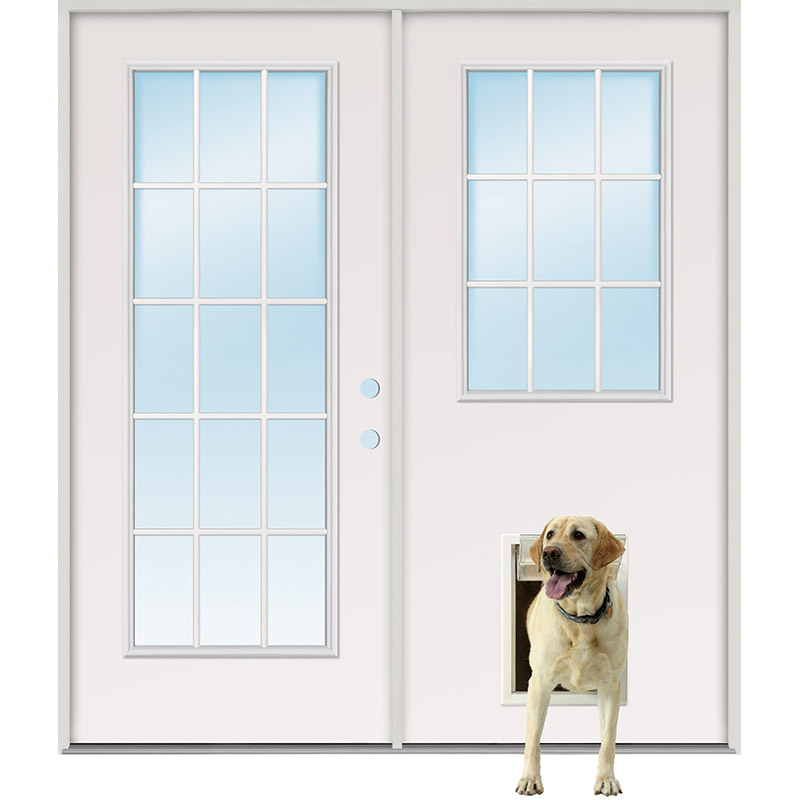
A solid wood or fiberglass door is ideal for pet doors. These materials provide durability and easier installation. They also offer better insulation and security compared to hollow or metal doors. This choice ensures your pet door lasts longer and functions efficiently.
Are Sliding Doors Compatible With Pet Doors?
Yes, sliding glass doors can accommodate pet doors using specific inserts. These inserts fit into the door track, allowing pets access without compromising door function. This option is convenient for homes with sliding doors and maintains ease of use.
How To Choose A Pet Door Size For My Pet?
Measure your pet’s height and width accurately before selecting a pet door. The door should be slightly larger than your pet’s size for comfortable access. Proper sizing prevents injury and ensures easy passage, enhancing your pet’s independence.
Can Pet Doors Improve Home Security?
Modern pet doors often include locking mechanisms and electronic sensors. These features restrict access to your pet only, improving security. Always choose a pet door with security options to protect your home from unwanted entry.
Conclusion
Choosing the right door for a pet door matters a lot. It should fit your home and keep your pet safe. Think about the door’s material and how easy it is to install. Also, check if it suits your pet’s size and habits.
A good pet door lets your pet come and go freely. It saves you time and worry. Take your time to pick the best option. Your pet will thank you with happy, safe adventures.