If you’ve ever wished your cat could come and go as they please without you having to open the door every time, teaching them to use a pet door is the perfect solution. Imagine the freedom your furry friend will enjoy—and the convenience it brings to your daily routine.
But how do you get your cat comfortable with something new and a little tricky? You’re about to discover simple, effective steps that will make training your cat to use a pet door easier than you think. Keep reading, and soon your cat will be confidently slipping in and out on their own!

Credit: www.petdoors.com
Choosing The Right Pet Door
Choosing the right pet door is important for your cat’s comfort and safety. The right door helps your cat learn quickly and keeps your home secure. Consider your cat’s size, your home’s layout, and the material of the door before buying. This guide covers the main points to help you pick the best pet door.
Types Of Pet Doors
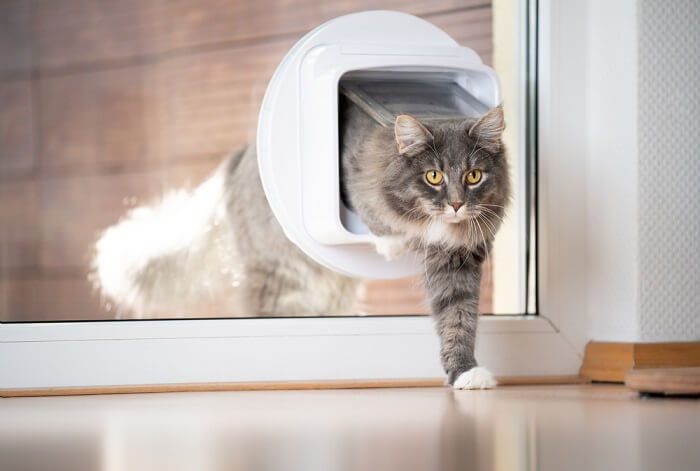
There are many pet door types. Manual doors require your cat to push the flap open. Magnetic doors open only when your cat wears a special collar. Electronic doors use sensors to allow your cat in and out. Choose a type based on how easy it is for your cat to use and your security needs.
Size And Placement Tips
Pick a door size that fits your cat comfortably. The opening should be a little bigger than your cat’s body width and height. Place the door low enough for your cat to reach easily. Avoid areas with heavy foot traffic to keep your cat calm. Test the spot before installing to ensure smooth use.
Material Considerations
Pet doors come in plastic, metal, and wood. Plastic doors are light and affordable. Metal doors are strong and last longer. Wooden doors blend well with home decor. Choose a material that fits your budget and matches your home style. Also, check if it can handle weather and wear over time.
Preparing Your Cat
Preparing your cat to use a pet door is the first step to success. Cats need time to get used to new things. Patience and gentle guidance help them feel safe and curious. This stage builds trust and excitement about the pet door.
Familiarizing With The Door
Place the pet door at your cat’s level. Let your cat sniff and touch it freely. Avoid forcing your cat through the door. Watch your cat’s reaction and wait for signs of interest. Allow exploration without pressure.
Using Treats And Toys
Use treats to attract your cat near the door. Toss treats just past the door flap. Play with toys around the pet door area. This makes the door fun and rewarding. Encourage your cat to push the flap with paws.
Creating A Positive Environment
Keep the pet door area calm and quiet. Avoid loud noises or sudden movements nearby. Praise your cat gently when it approaches the door. Offer treats and pets to boost confidence. Make every interaction with the door positive.
Introducing The Pet Door
Introducing a pet door to your cat can make life easier for both of you. It gives your cat freedom to come and go safely. Start slow and keep your cat calm during the process.
Patience is key. Cats need time to understand new things. You can help by guiding them gently and showing them the door often.
Demonstrating The Door
Show your cat the pet door several times a day. Push the flap gently to make it move. Let your cat sniff and touch the door. Use treats to make the door more interesting.
Try to open the door when your cat is nearby. This helps your cat see how it works. Repeat this until your cat looks curious and relaxed near the door.
Encouraging Initial Use
Place treats or toys on the other side of the door. Your cat will want to get them. Praise your cat softly when it tries to pass through. Keep the mood happy and calm.
Let your cat go through the door at its own pace. Do not force or rush. Small steps build confidence and trust with the pet door.
Dealing With Hesitation
Some cats take longer to try the door. Stay patient and calm. Avoid loud noises or sudden movements near the door.
If your cat seems scared, sit quietly by the door. Use a soft voice to encourage exploration. Try playing nearby to create a safe space.
Training Techniques That Work
Training your cat to use a pet door takes patience and the right techniques. Cats learn best with clear steps and positive rewards. Using effective training methods helps your cat feel comfortable and confident. This section covers simple techniques to teach your cat how to use the pet door easily.
Step-by-step Guidance
Start by showing the pet door to your cat. Let your cat sniff and explore it without pressure. Gently open the door and encourage your cat to pass through. Use a toy or treat to lure your cat on the other side. Repeat this process in short sessions to avoid stress. Gradually reduce your help as your cat grows more confident.
Reward Systems
Offer treats or praise when your cat uses the door correctly. Rewards make the experience positive and fun. Use small, tasty treats that your cat loves. Praise with a soft voice to build trust. Give rewards immediately to link the action with the reward. Avoid punishing your cat for mistakes to keep learning enjoyable.
Consistency And Patience
Train your cat daily for short periods. Consistency helps your cat understand what to do. Be patient; some cats take longer to learn. Stay calm and gentle throughout the process. Celebrate small progress to keep your cat motivated. Remember, every cat learns at its own pace.
Troubleshooting Common Issues
Training a cat to use a pet door can have some challenges. Many cats do not take to the door quickly. Troubleshooting common issues helps make the process smoother. Identifying the problem is the first step to a solution. Let’s explore some common issues cats face with pet doors and how to solve them.
Fear And Anxiety
Cats may feel scared of the pet door at first. It looks strange and moves in a new way. This fear can stop them from trying to use it. Help your cat feel safe by showing the door calmly. Let your cat sniff and touch the door. Use treats and praise to create a positive feeling. Avoid forcing your cat near the door. Patience and gentle encouragement work best.
Door Avoidance
Some cats avoid the door even after they get used to it. They may not understand how to push or open it. Teach your cat step by step. Show them how to push the flap with their nose or paw. Use toys or treats on the other side to motivate them. Practice several short sessions rather than one long one. Reward every small success to build confidence.
Adjusting The Door Setup
Sometimes the door itself causes problems. It could be too heavy or too noisy. Check if the flap moves easily and quietly. A door that swings back too fast can scare your cat. Adjust the hinges or add a soft stopper if needed. Make sure the door fits your cat’s size. A door too small or too big can confuse them. A comfortable setup encourages your cat to use the door happily.

Credit: closerpets.co.uk
Maintaining The Pet Door
Maintaining the pet door keeps it working well and safe for your cat. Regular care helps avoid problems. It also makes the door last longer. Simple steps can keep the door clean and secure. Watch for any issues that may stop your cat from using it.
Cleaning And Inspection
Clean the pet door often. Use a damp cloth to wipe dirt and dust. Check the flap for cracks or tears. Look at the frame for loose screws or damage. Clean hinges or magnetic parts so they work smoothly. A clean door helps your cat enter and exit easily.
Seasonal Adjustments
Change the door settings with the seasons. In winter, add insulation to keep cold air out. Use weather stripping to close gaps. In summer, remove extra covers to allow airflow. Adjust the door flap so it swings freely without sticking. Seasonal care helps keep your home comfortable.
Ensuring Safety
Check the pet door for sharp edges or loose parts. Make sure the flap moves smoothly without trapping your cat. Keep the area around the door clear of obstacles. Use locks or covers at night to keep other animals out. Safety checks protect your cat and keep the door reliable.
Credit: cats.com
Frequently Asked Questions
How Do I Introduce My Cat To A Pet Door?
Start by showing the door to your cat and encouraging curiosity. Use treats and praise to motivate them. Gradually, open the flap and let your cat explore at their own pace. Be patient and consistent during training sessions.
What Is The Best Way To Train A Cat To Use A Pet Door?
Use positive reinforcement such as treats and affection. Guide your cat through the door several times. Practice regularly in short sessions. Avoid forcing your cat, as patience helps build confidence and trust in using the door.
How Long Does It Take For Cats To Learn Pet Doors?
Most cats learn within a few days to two weeks. The exact time varies based on the cat’s personality and training consistency. Frequent, positive practice sessions speed up the learning process.
Can I Train An Indoor Cat To Use A Pet Door?
Yes, indoor cats can learn to use pet doors. Start by training the cat in a controlled environment. Use treats and familiar scents to encourage use. Gradually introduce outdoor access if desired and safe.
Conclusion
Training your cat to use a pet door takes time and patience. Start slow and use treats to encourage your cat. Keep the pet door clean and easy to use. Watch your cat’s progress and adjust your training steps. Soon, your cat will enjoy the freedom to go outside safely.
A little effort makes a big difference for your pet’s comfort. Try these tips and see your cat succeed. Remember, every cat learns at its own pace. Keep calm and enjoy the process.