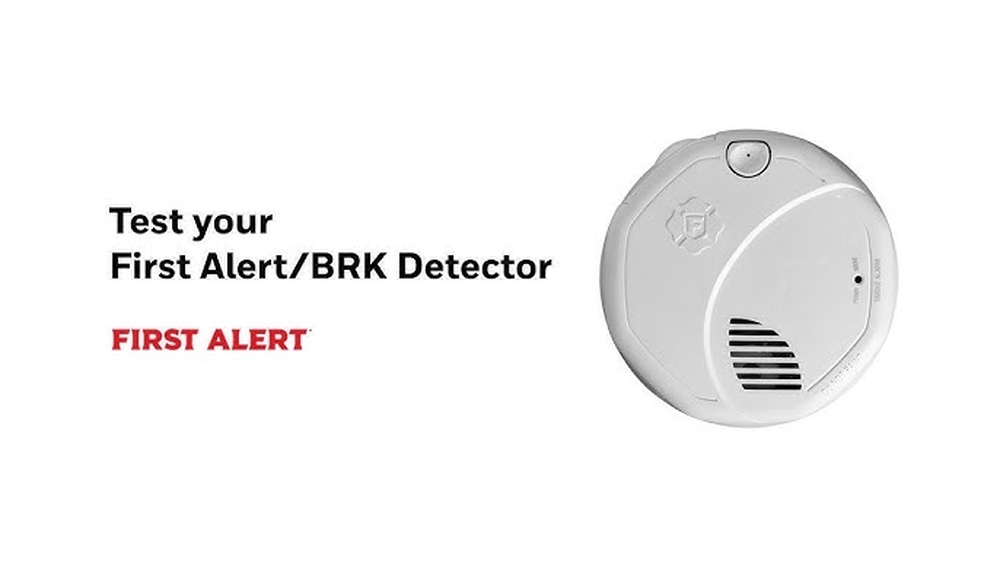

Your safety depends on your smoke detector working perfectly when it matters most. But how do you know if your First Alert smoke detector is ready to protect you and your loved ones?
Testing it is simple, yet many people don’t do it often enough. You’ll learn exactly how to test your First Alert smoke detector quickly and easily. By the end, you’ll have the confidence that your home is safer and your detector will alert you without fail in an emergency.
Keep reading to discover the step-by-step process that could save lives.
Credit: www.firstalertstore.com
Choosing The Right Time To Test
Choosing the right time to test your First Alert smoke detector is important. Testing at the right moment ensures your device works properly. It also helps keep your home safe from fire hazards. Plan your tests so they do not disrupt daily activities or sleep. This way, the smoke detector is ready to protect you when needed.
Recommended Testing Frequency
Test your smoke detector at least once a month. Regular checks help catch any problems early. Replace the batteries once a year or when low battery alerts sound. Follow the manufacturer’s instructions for testing and maintenance. Frequent testing keeps your device reliable and effective.
Best Time Of Day For Testing
Test smoke detectors during the daytime when you are awake. Avoid testing at night to prevent disturbing your sleep. Choose a time when family members are home and alert. This ensures everyone knows about the test and can react properly. Daytime tests help keep your household calm and safe.

Credit: www.youtube.com
Gathering Necessary Tools
Testing a First Alert smoke detector needs some tools. These tools help you check if the detector works well. Having the right items makes the test quick and safe. Prepare these tools before starting the test.
Smoke Detector Test Spray
Smoke detector test spray simulates real smoke. It helps check if the alarm reacts correctly. The spray is safe and easy to use. Spray a small amount near the detector’s sensor. Wait for the alarm to sound. This confirms the detector works well.
Ladder And Safety Gear
A ladder helps reach smoke detectors on ceilings. Choose a sturdy ladder for safety. Wear gloves and safety glasses to protect yourself. Make sure the ladder stands on a flat surface. Climb carefully to avoid falls. Safety gear keeps you safe during the test.
Preparing The Smoke Detector
Preparing your First Alert smoke detector is the first step in testing it properly. This ensures accurate results and keeps you safe. Start with simple tasks that set the stage for an effective test.
Clear preparation helps avoid false alarms and protects the device. Follow these steps carefully before you press the test button.
Locating Your First Alert Detector
Find your smoke detector in the home. It is usually on the ceiling or high on a wall. Common spots include kitchens, hallways, and near bedrooms. Make sure you know exactly where it is. This saves time and effort during testing.
Check if the detector is firmly attached. Loose units can cause errors in testing. Also, ensure it is not blocked by furniture or decorations. Clear access makes the process easier.
Clearing The Area
Remove any objects near the detector. Items like fans, air vents, and curtains can affect the test. Clear space helps smoke reach the sensor without interference.
Keep pets and children away while testing. They might accidentally stop the process or get scared by the alarm. A calm environment ensures a smooth test.
Step-by-step Testing Process
Testing your First Alert smoke detector regularly keeps your home safe. The step-by-step process is simple and quick. Follow these easy steps to ensure your detector works well. Regular checks help you catch problems early.
Pressing The Test Button
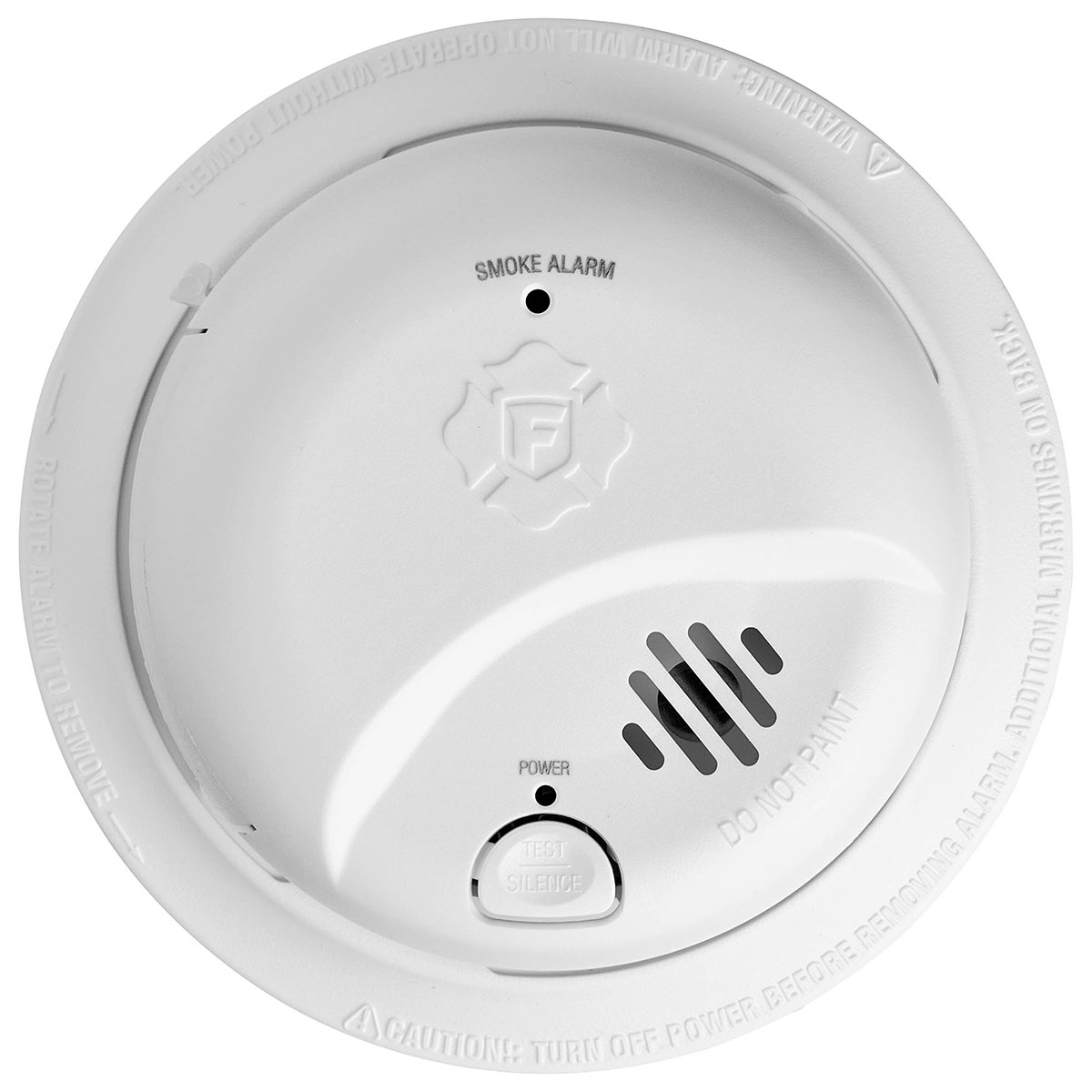
Find the test button on your smoke detector. Press and hold it for a few seconds. The alarm should sound loudly. If it does, the detector is working. If not, try changing the batteries and test again.
Using Smoke Detector Test Spray
Purchase a smoke detector test spray from a store. Spray a small amount near the detector’s sensor. This mimics real smoke to trigger the alarm. Keep a safe distance while spraying. The alarm should sound within seconds.
Listening For The Alarm Sound
Pay close attention to the alarm’s sound. It should be loud and clear. A weak sound means the battery is low or the device is faulty. Replace batteries or the detector if needed. Test again to confirm the alarm works well.
Troubleshooting Common Issues
Troubleshooting common issues with your First Alert smoke detector helps keep your home safe. Problems can happen even with new devices. Knowing how to fix them saves time and worry.
Follow these steps to solve the most frequent problems. This guide makes testing easier and more effective.
No Sound From The Alarm
Press the test button firmly. No sound means no alert. Check the power source first. Batteries might be dead or missing. For hardwired models, ensure the power is on.
Clean the unit gently. Dust can block the sensor and speaker. Use a vacuum or soft brush carefully. If no sound persists, replace the detector immediately.
False Alarms During Testing
False alarms can confuse and annoy. Smoke, steam, or dust near the detector triggers false alerts. Test in a clean, dry area. Avoid using sprays or chemicals nearby.
Check for dirt inside the detector. Clean it with care. If false alarms continue, the detector may be faulty. Consider replacing it for safety.
Replacing Batteries
Use fresh batteries recommended by First Alert. Open the battery compartment gently. Remove old batteries and insert new ones correctly. Match the positive and negative ends.
Test the alarm after replacing batteries. Regular battery changes keep the detector working well. Change batteries at least once a year or when low battery signals beep.
Credit: www.firstalertstore.com
Maintaining Your Smoke Detector
Maintaining your First Alert smoke detector is key to keeping your home safe. A well-kept detector works better and lasts longer. Simple steps like cleaning and timely battery changes help avoid false alarms and failures. Follow these tips to keep your smoke detector in top shape.
Regular Cleaning Tips
Dust and dirt can block the smoke sensor. Clean the detector every month. Use a soft brush or vacuum with a soft brush attachment. Avoid using water or cleaners on the device. Keep vents clear to let smoke reach the sensor easily. Regular cleaning helps your detector respond quickly in emergencies.
Battery Replacement Schedule
Check the battery every six months. Most First Alert smoke detectors beep when batteries run low. Replace batteries with fresh ones immediately. Use only the recommended battery type. Never ignore the low battery signal. Good batteries ensure your detector always stays ready to alert you.
When To Replace The Detector
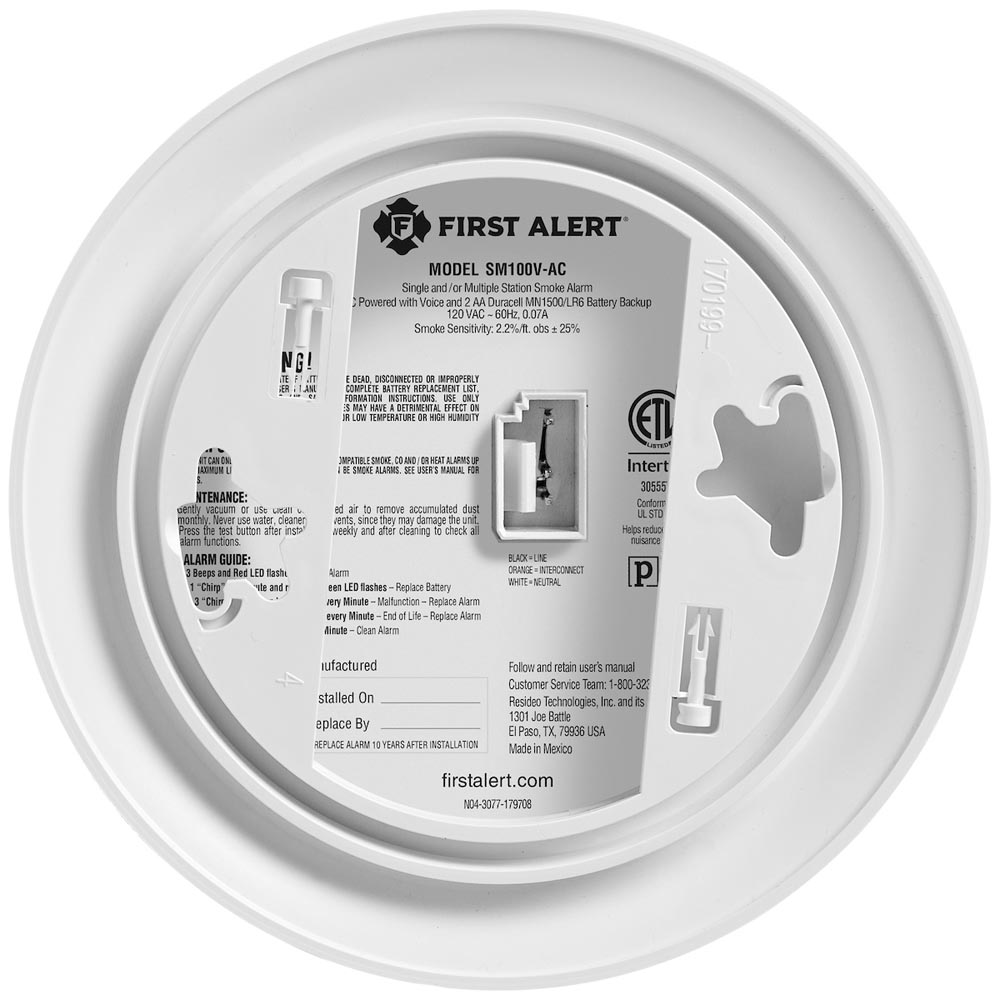
Smoke detectors do not last forever. Replace your First Alert detector every 10 years. Old detectors lose sensitivity and might not work well. Check the manufacturing date on the back of the device. If your detector shows frequent false alarms or no alarms, replace it sooner. Stay safe by using a reliable, up-to-date smoke detector.
Safety Tips During Testing
Testing your First Alert smoke detector is important for safety. During testing, certain steps help keep everyone calm and informed. These safety tips prevent confusion and ensure the process goes smoothly.
Avoiding False Panic
Smoke detectors make a loud noise when tested. This sound can scare people, pets, and neighbors. Turn off alarms in nearby rooms to reduce noise. Use the test button briefly to avoid a long alarm. Stay calm and explain the noise soon after testing.
Informing Household Members
Tell everyone in your home before testing starts. Share the testing time and reason for it. This stops surprises and keeps children calm. Remind family not to call emergency services during tests. Clear communication helps everyone feel safe and prepared.
Frequently Asked Questions
How Often Should I Test A First Alert Smoke Detector?
Test your First Alert smoke detector monthly to ensure it works properly. Regular testing helps detect potential faults early. Replace batteries annually or when low. Frequent checks keep your home safe from fire hazards.
What Is The Best Way To Test A Smoke Detector?
Press and hold the test button until the alarm sounds. This simulates smoke detection and confirms the alarm is functional. If no sound occurs, replace batteries or the entire unit if needed.
Can I Test My Smoke Detector Without Triggering An Alarm?
Yes, using the test button safely checks the alarm without smoke. Avoid using real smoke or fire to test, as it can be hazardous and damage the detector.
What Should I Do If My Smoke Detector Fails The Test?
Replace the batteries and test again. If it still fails, replace the smoke detector immediately. A faulty detector puts your safety at risk, so timely action is crucial.
Conclusion
Testing your First Alert smoke detector keeps your home safe. Check the batteries regularly and press the test button often. Replace any old or weak batteries right away. Clean the detector to avoid dust blocking its sensors. Remember, a working smoke detector can save lives.
Make testing a monthly habit. Stay alert and protect your family from fire risks. Simple steps make a big difference. Safety starts with a reliable smoke detector.