
Your home’s safety depends a lot on your smoke detectors. But what if your wired smoke detectors stop working or become outdated?
Replacing them might seem tricky, but it’s something you can do yourself with the right steps. In this guide, you’ll learn exactly how to replace wired smoke detectors quickly and safely. By the end, you’ll have peace of mind knowing your home is protected—and you’ll save money by handling the job on your own.
Keep reading to find out how simple this important task can be.
Signs To Replace Smoke Detectors
Smoke detectors save lives by alerting us to fires early. Knowing when to replace them keeps your home safe. Some signs mean your wired smoke detector needs a change soon. Watch for these clear signals to act quickly.
Age And Wear Indicators
Most smoke detectors last about 10 years. After this, sensors lose sensitivity. Plastic parts can crack or discolor. Check the manufacture date on the device. If it is older than 10 years, plan a replacement.
Dust and dirt build up over time. This can block sensors and alarms. Regular cleaning helps but won’t last forever. Worn-out detectors might not work in an emergency.
Frequent False Alarms
False alarms may mean your detector is failing. Sensors can become too sensitive or too dull. Constant false warnings waste energy and cause stress. It also makes you ignore real dangers.
Try cleaning the detector first. If false alarms continue, consider replacement. A reliable smoke detector should only sound when there is real smoke.
Malfunctioning Sensors
Smoke detectors have sensors that must work properly. If alarms don’t sound during tests, sensors may be broken. Flickering lights or no power also show sensor issues.
Faulty sensors put your home at risk. Replace detectors showing these problems. Test your smoke alarms monthly to catch sensor troubles early.
Credit: www.reddit.com
Tools And Materials Needed
Replacing wired smoke detectors requires specific tools and materials. Having the right items makes the job safer and easier. Prepare these before starting to avoid delays and problems.
Basic Hand Tools
Start with common hand tools. A screwdriver set is essential for removing and installing screws. A wire stripper helps expose the wires safely. Needle-nose pliers make handling small parts easier. A voltage tester ensures the power is off before touching wires. Keep a ladder nearby to reach ceiling detectors easily.
Replacement Smoke Detectors
Choose smoke detectors designed for wired connections. Confirm the new models match your home’s wiring system. Some detectors combine smoke and carbon monoxide detection. Select one with a good reputation for reliability and safety. Check for clear installation instructions in the package.
Safety Gear
Safety gear protects you during the replacement. Use insulated gloves to avoid electric shock. Safety goggles shield your eyes from dust and debris. Wear a dust mask if the ceiling is old or dusty. Proper clothing helps prevent scratches and injuries. Always turn off power at the breaker before starting.
Turning Off Power Safely
Turning off power safely is the first step to replace wired smoke detectors. This step protects you from electric shock. It also prevents damage to your home’s electrical system. Always take your time and follow safety rules. Never guess if the power is off. Be sure before you touch any wires or remove the old detector.
Locating The Circuit Breaker
Find your home’s circuit breaker box. It is usually in the basement, garage, or utility room. The box looks like a metal panel with switches inside. Open the panel carefully. Look for the switch labeled for smoke detectors or alarms. If you cannot find a label, turn off the main breaker. This switch turns off power to the whole house.
Verifying Power Is Off
After switching off the breaker, test the power. Use a non-contact voltage tester to check the wires at the smoke detector. Hold the tester near the wires or terminals. If the tester does not light or beep, the power is off. Another way is to press the test button on the smoke detector. No sound means no power. Never skip this step. It ensures your safety before you start work.
Removing The Old Smoke Detector
Removing the old wired smoke detector is the first step in replacing it safely. This process needs care to avoid damage or injury. Turn off the power at the breaker box to ensure safety before you begin. Once the power is off, you can start detaching the detector from the ceiling and disconnecting the wires.
Detaching From Mounting Bracket
Most smoke detectors attach to a circular mounting bracket on the ceiling. To remove it, gently twist the detector counterclockwise. It should release from the bracket without much force. If it feels stuck, wiggle it slightly while turning. Avoid pulling straight down, as this can damage the wires or the bracket.
Disconnecting Wiring
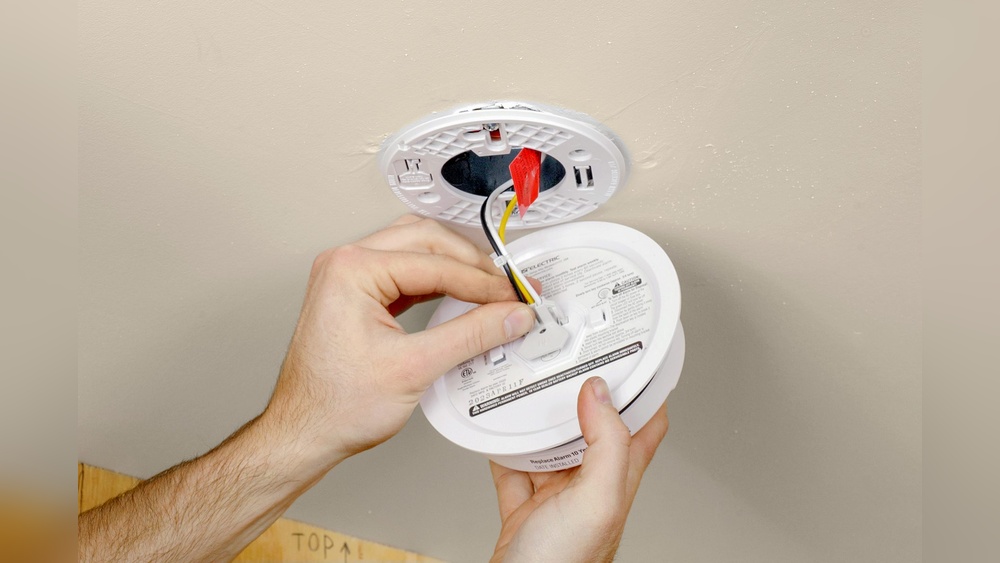
After detaching the detector, you will see the wires connected to the back. The wires usually connect with a plug or twist-on wire connectors. Carefully unplug or untwist the wires. Keep track of which wire connects where. This helps during installation of the new detector. Make sure the wires do not touch each other or any metal surface to prevent short circuits.
Installing The New Smoke Detector
Installing the new smoke detector is the key step after removing the old one. This process ensures your home stays safe and meets safety standards. Follow each step carefully to connect and mount the new unit properly.
Connecting The Wires
Match the wires from the ceiling to the detector wires by color. Usually, black is for power, white is neutral, and a red or yellow wire connects to other detectors. Twist the matching wires together tightly using wire nuts. Make sure no bare wire is visible outside the nut. This connection allows the detector to receive power and communicate with other units.
Securing The Detector To The Ceiling
Align the new detector’s mounting plate with the holes in the ceiling box. Use screws to fasten the plate firmly to the ceiling. Attach the smoke detector to the plate by twisting or snapping it into place. Double-check it is secure and does not wobble. Proper mounting keeps the detector stable and working correctly over time.

Credit: www.youtube.com
Testing The New Device
Testing the new smoke detector is a crucial step after installation. It confirms the device works properly and ensures your safety. Testing helps identify any issues early. This saves time and prevents future problems. Follow clear steps to test the device thoroughly.
Powering On
Turn the power back on at the circuit breaker. The smoke detector should light up or beep briefly. This shows it receives power from the wiring. Check for any unusual sounds or signs. If the device stays silent, verify the wiring and power source again.
Performing Functional Tests
Press the test button on the detector. The alarm should sound loudly and continuously. This confirms the sensor and sound system work well. Test the device multiple times to be sure. Use smoke spray or canned smoke for real condition checks. Never skip this step for your safety.
Maintaining Smoke Detectors
Maintaining smoke detectors is key to keeping your home safe. Proper care helps detectors work well in emergencies. Regular checks and cleaning keep the devices ready to detect smoke fast. This section covers simple steps for maintenance.
Regular Testing Schedule
Test smoke detectors every month. Press the test button until the alarm sounds. This ensures the alarm works properly. Mark the test dates on your calendar. Replace units older than 10 years for better safety.
Cleaning And Battery Replacement
Dust and dirt can block smoke sensors. Clean detectors gently with a soft brush or vacuum. Avoid using water or cleaners on the device. Change batteries at least once a year. Use fresh batteries to keep alarms loud and clear.
:max_bytes(150000):strip_icc()/install-hardwired-smoke-detectors-1152329_FINAL-5233cb01c4f34ee1bae5860132624788.png)
Credit: www.thespruce.com
Upgrading To Modern Options
Upgrading your old wired smoke detectors offers a chance to improve home safety. Modern smoke detectors come with new features that make your home safer and smarter. These new devices are easier to install and maintain.
Choosing the right upgrade depends on your needs. Options include smart smoke detectors and combination alarms. Both provide better protection than old wired units.
Smart Smoke Detectors
Smart smoke detectors connect to your phone. They send alerts even when you are away. This helps you act quickly during emergencies.
These detectors can also test themselves and notify you of issues. Some models link with other smart home devices. This makes your home’s safety system more efficient.
Combination Smoke And Carbon Monoxide Alarms
Combination alarms detect smoke and carbon monoxide. Carbon monoxide is a colorless, odorless gas that can be deadly. Having one device for both threats saves space and wiring.
These alarms often have digital displays showing air quality. They alert you with loud sounds and flashing lights. This ensures everyone in the house knows when danger is near.
Frequently Asked Questions
How Do I Safely Replace A Wired Smoke Detector?
Turn off power at the breaker before starting. Remove the old detector carefully. Disconnect the wiring and replace it with the new unit. Follow manufacturer instructions and test the detector after installation for safety.
Can I Replace A Wired Smoke Detector Myself?
Yes, if you have basic electrical knowledge. Always turn off power first. Follow step-by-step instructions carefully. If unsure, consider hiring a professional to ensure safety and code compliance.
What Tools Are Needed To Replace Wired Smoke Detectors?
You typically need a screwdriver, wire stripper, voltage tester, and ladder. These tools help safely remove the old unit and install the new detector. Always wear safety gear during the process.
How Often Should Wired Smoke Detectors Be Replaced?
Replace wired smoke detectors every 10 years. Over time, sensors degrade, reducing effectiveness. Regular testing and maintenance help ensure reliable operation and safety in your home.
Conclusion
Replacing wired smoke detectors keeps your home safe and updated. Follow each step carefully for best results. Always turn off power before starting work. Test the new detector to ensure it works well. Regular checks help keep your system reliable.
Safety matters most in any home. Stay alert and protect your family every day. Simple actions can prevent big problems later. Keep your home ready for any emergency. You’ve got this!