
Imagine never fumbling for your keys again or worrying about lost copies falling into the wrong hands. What if you could control who enters your home with just a tap on your phone?
Making your own smart door lock is easier than you think, and it puts you in full control of your home’s security. In this guide, you’ll discover simple steps to build a smart lock that fits your needs and budget.
Ready to upgrade your door and boost your peace of mind? Let’s get started.

Credit: www.youtube.com
Choosing The Right Components
Choosing the right components is key to building a smart door lock. Each part plays a role in how the lock works and how reliable it will be. Picking quality pieces can save time and effort during assembly and use.
Focus on parts that are easy to connect and program. Also, consider components that match your skill level and project needs. This guide covers the main parts you need for a smart lock.
Selecting A Microcontroller
The microcontroller is the brain of your smart lock. It controls all actions and processes data. Choose one with enough input/output pins for sensors and motors. Popular options include Arduino and ESP8266 for beginners.
Look for a microcontroller with built-in Wi-Fi if you want remote control. It should have low power consumption for better battery life. Easy programming and a large community help solve problems fast.
Picking A Motor Or Actuator
The motor or actuator moves the lock mechanism. Small servo motors work well for turning deadbolts or latches. They offer precise control and use little power.
Choose a motor that fits your door’s lock size and weight. Test torque ratings to ensure it can move the lock smoothly. Quiet operation is a plus to avoid noise disturbance.
Choosing Sensors And Modules
Sensors detect lock status and user input. Common sensors include fingerprint readers, RFID modules, and keypad units. Pick sensors that are easy to integrate with your microcontroller.
Modules for Bluetooth or Wi-Fi enable remote unlocking. Motion or proximity sensors add extra security features. Ensure sensors have good accuracy and fast response times.
Power Supply Options
Power choices affect how long your smart lock runs without recharge. Batteries are common for wireless locks. Use rechargeable lithium-ion or AA batteries for convenience.
Consider a power adapter if your door is near an outlet. Solar panels can add backup power for outdoor use. Always include a low-battery indicator to avoid lockouts.
Gathering Tools And Materials
Building your own smart door lock starts with gathering the right tools and materials. Having everything ready makes the project smoother and faster. It helps avoid interruptions during the build process. This section covers all the basic and optional tools you might need. Prepare well to create a smart lock that fits your door and needs.
Essential Tools List
- Screwdriver set (Phillips and flathead)
- Drill with drill bits
- Wire cutters and strippers
- Soldering iron and solder
- Multimeter for electrical testing
- Measuring tape or ruler
- Small hammer or mallet
- Pliers
- Utility knife
- Safety glasses
Optional Tools For Advanced Features
- 3D printer for custom parts
- Laser cutter for precise cuts
- Hot glue gun for extra stability
- Arduino or Raspberry Pi for complex programming
- Bluetooth or Wi-Fi modules
- LCD display for user interface
- Fingerprint sensor for biometric access
Designing The Lock Mechanism
Designing the lock mechanism is the first big step in building your smart door lock. It sets the stage for everything else. A well-planned mechanism ensures smooth operation and security. This section breaks down the key parts of the design process.
Focus on how the lock moves and reacts. Think about the parts that will physically lock and unlock the door. This helps you build a strong base for your smart system.
Mechanical Setup
Start with the physical components of the lock. Use a deadbolt or latch that fits your door. Check the size and shape carefully. The parts must move easily but stay secure.
Choose materials that last long and resist force. Metal parts work best for strength. Avoid plastic pieces that break or wear out fast. Make sure the mechanism fits inside the door frame neatly.
Integrating Electronics
Add electronic parts to control the lock remotely or automatically. Use small motors or servos to move the lock bolt. Connect these to a microcontroller like Arduino or Raspberry Pi.
Include sensors to detect door position or lock status. Use Bluetooth or Wi-Fi modules to enable communication with your phone. Plan the wiring carefully to avoid damage or interference.
Safety Considerations
Safety is key in any lock design. Ensure the lock cannot open by accident. Test the mechanism multiple times for reliability.
Build a manual override option. This helps in case electronics fail or batteries die. Protect the wiring and electronics from moisture and tampering.
Use secure coding practices for software controlling the lock. Avoid simple passwords or open connections. Keep your smart lock safe from hackers and misuse.
Writing The Control Software
Writing the control software is a key step in making your own smart door lock. This software acts like the brain of the lock. It tells the lock when to open and when to stay closed. The code must be clear and simple to avoid mistakes. You will learn how to write basic programs, control the lock, and add safety features.
Programming Basics
Start with a simple programming language like Python or C. These languages work well with microcontrollers. Learn how to read input from sensors and buttons. Practice sending commands to motors or servos. Use clear and short commands to keep your code easy to follow.
Set up a loop that checks the lock status regularly. This loop listens for signals to lock or unlock. Make sure the loop runs fast enough to respond quickly. Use comments in your code to explain each part. This helps you fix or improve it later.
Implementing Lock And Unlock Functions
Create two main functions: one to lock and one to unlock. Each function controls the motor or servo to move the lock. The lock function should turn the bolt into place. The unlock function should pull the bolt back smoothly.
Test each function many times to ensure they work correctly. Add safety checks to avoid damage to the motor. For example, stop the motor if it meets resistance. This prevents the lock from breaking.
Adding Security Features
Security is very important in a smart door lock. Add a password or PIN code system for access. The software should check the code before unlocking. Block access after several wrong tries to stop hackers.
Consider adding a timeout feature. This locks the system for a short time after failed attempts. Use encrypted communication if the lock connects to Wi-Fi. This keeps your data safe from outsiders.
Assembling The Smart Lock
Assembling the smart lock is the step where all parts come together. This process needs focus and patience. Follow the instructions carefully to avoid mistakes. Proper assembly ensures your smart lock works smoothly and lasts long.
Connecting Components
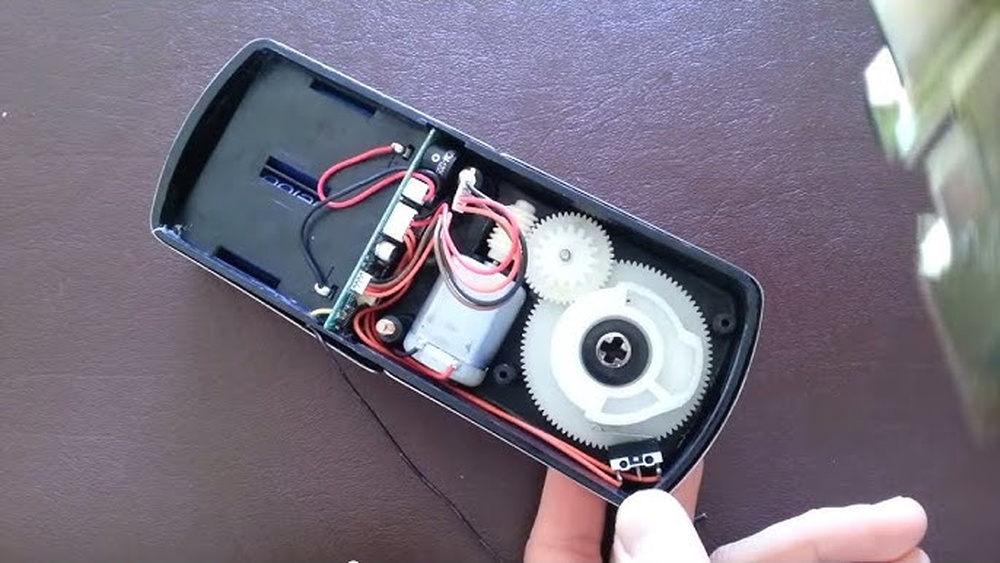
Start by placing the motor inside the lock body. Attach the battery pack next to the motor. Connect the wires to the circuit board. Make sure each wire fits into the right slot. Secure the keypad or fingerprint sensor on the front panel. Use screws or clips to hold parts firmly. Double-check connections for tightness and correct placement.
Testing The Assembly
Power on the smart lock using the battery. Test the lock and unlock functions with the keypad or app. Listen for motor sounds to confirm movement. Check if the bolt moves smoothly. Repeat tests several times to ensure reliability. Use the manual override key to test mechanical backup. Confirm all features respond correctly before final installation.
Troubleshooting Common Issues
Weak battery causes poor motor response. Replace batteries if the motor runs slowly. Loose wires may stop the lock from working. Reconnect any loose or disconnected wires. Faulty sensors can block input recognition. Clean sensors gently or replace if needed. If the motor stalls, check for mechanical blockages. Remove any obstacles inside the lock body. Reset the device if software malfunctions appear. Follow the manual for reset instructions.

Credit: www.frontpointsecurity.com
Installing The Lock On Your Door
Installing a smart door lock is the key step to secure your home with technology. The process involves careful preparation, precise mounting, and fine-tuning. Each stage ensures the lock fits well and works smoothly.
Preparing The Door
Start by cleaning the door surface. Remove old locks and hardware. Check the door thickness matches the lock requirements. Mark the spots for drilling holes using the lock template. Drill holes carefully to avoid damage. Smooth any rough edges with sandpaper.
Mounting The Lock
Align the lock parts with the drilled holes. Insert the lock body inside the door. Attach the exterior keypad or touchpad on the outer side. Secure both parts with screws tightly. Connect any wires if your lock needs power or data transfer. Test the lock’s fit before moving on.
Final Adjustments
Check the lock’s alignment with the door frame. Adjust the strike plate position if needed. Tighten all screws again for stability. Test the lock operation by locking and unlocking. Make sure the door closes smoothly without resistance. Ensure the smart features respond correctly to commands.
Enhancing Features
Enhancing your smart door lock adds convenience and security. You can control it from anywhere. It can respond to your voice commands. Backup power keeps it working during outages. These features make your lock smarter and more reliable.
Remote Access Options
Remote access lets you lock or unlock your door from afar. Use a smartphone app to control it easily. Check if the door is locked without being home. Send temporary codes to visitors or workers. This feature keeps your home safe and flexible.
Voice Control Integration
Voice control lets you open or close the door hands-free. Connect your lock with smart assistants like Alexa or Google. Speak simple commands to lock or unlock your door. It adds ease, especially when your hands are full. Voice control improves daily convenience and security.
Battery Backup Solutions
Battery backup keeps your lock working during power failures. Use rechargeable or replaceable batteries for reliability. Some locks alert you when battery power is low. Backup power ensures you never get locked out unexpectedly. It makes your smart lock dependable at all times.
Maintaining Your Smart Lock
Maintaining your smart door lock ensures it works well and lasts longer. Regular care prevents problems and keeps your home safe. Simple steps can help your lock stay reliable every day.
Regular Checks
Check the lock’s battery often. Replace batteries before they run out. Inspect the lock for dirt or damage. Clean the lock gently with a soft cloth. Make sure the door and lock align correctly. Fix any loose screws or parts quickly.
Software Updates
Update the lock’s software regularly. Updates improve security and fix bugs. Use the app or device settings to check for updates. Install updates as soon as they are available. Keeping software current helps stop hacking risks.
Handling Repairs
Fix small problems early to avoid bigger issues. If the lock jams or won’t respond, restart it. Consult the manual for troubleshooting tips. Replace broken parts with original or compatible ones. Contact a professional for complex repairs or if unsure.

Credit: yalehome.co.uk
Frequently Asked Questions
What Materials Do I Need To Make A Smart Door Lock?
You need a microcontroller, servo motor, Bluetooth module, power supply, and basic tools. These parts help control and secure your door electronically.
How Do I Program The Smart Door Lock?
Use Arduino or similar software to write code. The program controls lock operations and connects to your smartphone via Bluetooth.
Can I Install The Smart Lock On Any Door?
Yes, most smart locks fit standard doors. Check your door’s thickness and lock compatibility before installation for best results.
How Secure Is A Diy Smart Door Lock?
Security depends on your design and encryption. Use strong passwords and secure Bluetooth to protect against hacking and unauthorized access.
Conclusion
Building your own smart door lock can save money and add security. You control how it works and fits your needs. It takes some tools and patience, but the steps are clear. Testing the lock ensures it works safely every time.
Remember to keep your software updated for best performance. Enjoy the feeling of having a smart home made by you. This project is a great way to learn and protect your home. Give it a try and see how simple it can be.