
Have you ever been kept awake by a smoke detector’s annoying beep but couldn’t figure out which one is causing it? That constant, unexpected sound can be frustrating and stressful, especially when you just want peace of mind.
Knowing exactly which smoke detector is beeping is key to stopping the noise quickly and keeping your home safe. You’ll discover simple, effective steps to identify the beeping smoke detector fast—so you can fix the problem and get back to feeling secure in your home.
Keep reading, and say goodbye to that mysterious beep for good.

Credit: www.youtube.com
Common Reasons For Beeping
Smoke detectors beep to alert you about potential problems. These sounds help keep your home safe. Knowing why your smoke detector beeps helps you fix the issue quickly. Below are common reasons why smoke detectors make that beeping noise.
Low Battery Signals
Low battery is the most common cause of beeping. Smoke detectors beep every minute or so when the battery runs low. This sound warns you to replace the battery soon. Use fresh batteries to stop the noise and keep the detector working.
Dust And Debris Issues
Dust or dirt inside the detector can cause false beeping. Tiny particles block the sensor and trigger alerts. Clean the detector regularly with a soft brush or vacuum. Keeping it dust-free prevents unnecessary beeps.
End Of Life Alerts
Smoke detectors do not last forever. Most last about 8 to 10 years. After this time, they beep to signal it is time for replacement. Check the manufacturing date on the unit. Replace old detectors to maintain safety.
Electrical Problems
Hardwired smoke detectors may beep due to electrical issues. Loose connections or power outages can cause the alarm to chirp. Inspect wiring carefully or call an electrician. Fixing these problems stops the beeping and ensures proper function.
Locating The Beeping Detector
Hearing a smoke detector beep can cause stress. It means one unit needs attention. Finding the exact detector is the first step. This section helps you locate the beeping device quickly. Follow easy steps to pinpoint the source without confusion.
Listening Techniques
Stand still and listen carefully. Move slowly around the room. Notice which direction the sound grows louder. Pause near each detector to hear if the beep is clearer. Sometimes, the sound echoes. Focus on the strongest beep to find the source.
Using A Flashlight
Turn off the lights in the room. Use a flashlight to check each smoke detector. Look for flashing lights or signals on the units. Some detectors blink when their battery is low. Flashlights help spot hidden or high-mounted alarms easily.
Checking Each Unit Systematically
Start at one end of the room or house. Check each smoke detector one by one. Press the test button gently to see if it beeps. Replace batteries or clean dust if needed. Mark the checked units to avoid confusion. Move steadily until you find the beeping detector.
Quick Fixes To Stop The Beeping
Beeping smoke detectors can be annoying and stressful. The noise often means the alarm needs attention. Quick fixes can stop the beeping fast. These steps help you find the problem and fix it safely.
Replacing Batteries
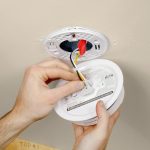
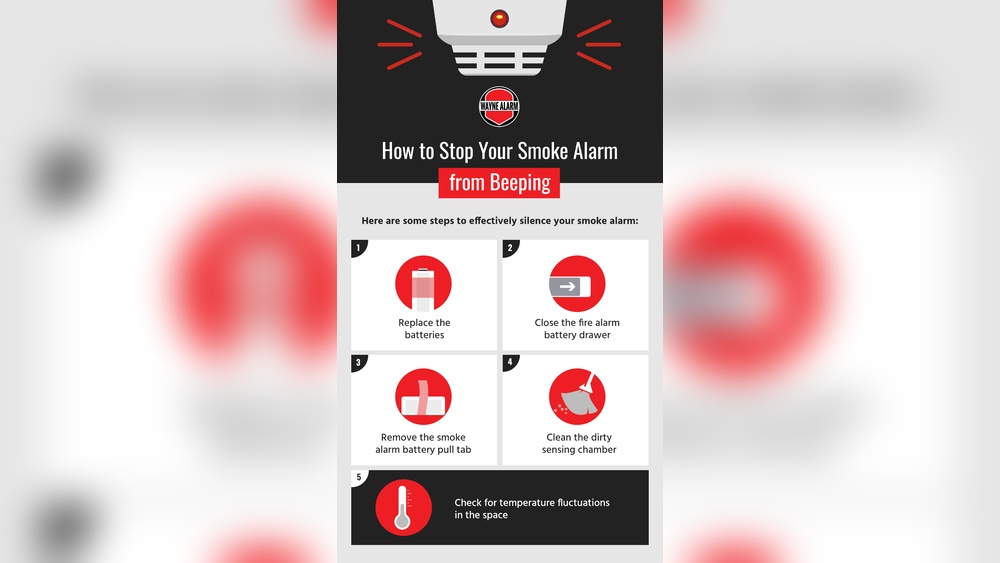
The most common reason for beeping is low battery power. Open the detector’s cover carefully. Take out the old batteries. Use fresh batteries to replace them. Make sure the new batteries fit well. Close the cover tightly. The beeping should stop immediately.
Cleaning The Detector
Dust and dirt can trigger false alarms. Use a soft brush or vacuum cleaner on the detector. Clean around the sensor and vents gently. Avoid using water or cleaning sprays. Cleaning removes debris that causes beeping. This simple step often solves the problem.
Resetting The Alarm
Sometimes the detector needs a reset. Press and hold the test button for 15 seconds. Wait for the alarm to stop beeping. If it continues, remove the batteries. Wait for one minute. Reinsert batteries and test the alarm. Resetting clears errors and stops false beeps.

Credit: www.wikihow.com
Preventing Future False Alarms
False alarms from smoke detectors can be annoying and stressful. They disrupt your day and can cause unnecessary panic. Preventing these false alarms helps keep your home safe and peaceful. Small steps can reduce the chances of beeping without a real emergency.
Regular Maintenance Tips
Clean smoke detectors every month. Dust and dirt can cause false alarms. Use a vacuum or soft cloth to remove debris. Replace batteries at least once a year. Test detectors monthly to ensure they work well. Replace old units every 10 years for best performance.
Proper Placement Guidelines
Install smoke detectors away from kitchens and bathrooms. Steam and cooking smoke often trigger false alarms. Place detectors on ceilings or high on walls. Keep them at least 10 feet from cooking appliances. Avoid areas with strong drafts or vents. Proper placement helps reduce unwanted beeping.
Upgrading To Smart Detectors
Smart smoke detectors connect to your phone for alerts. They can tell which detector is beeping. Some models reduce false alarms by sensing real smoke better. They often have features to silence false alarms easily. Upgrading helps you respond faster and avoid stress.
When To Call A Professional
Knowing when to call a professional is important for your safety. Some smoke detector problems need expert help. This ensures your home stays safe and your alarms work well.
Persistent Beeping Issues
Smoke detectors may beep for many reasons. Sometimes, the beep continues even after changing the battery. This can mean a deeper problem. A professional can find the cause fast. They have tools to test the device and fix it properly.
Wiring And Electrical Concerns
Hardwired smoke detectors connect to your home’s electrical system. Faulty wiring or power issues can cause beeping. These problems can be dangerous. Only an expert should check electrical parts. They can fix wiring safely and prevent future risks.
Detector Replacement Advice
Smoke detectors do not last forever. Old or damaged units may beep often. A professional can tell if it is time to replace your detector. They can recommend the best models for your home. This helps keep your family protected with reliable alarms.

Credit: inspiredhousewife.com
Frequently Asked Questions
Why Is My Smoke Detector Beeping Intermittently?
Intermittent beeping usually means the battery is low or dying. Replace the battery promptly to stop the noise and ensure safety.
How Can I Identify Which Smoke Detector Is Beeping?
Listen closely and walk through your home. The detector emitting the beep is the one needing attention or battery replacement.
What Causes Smoke Detectors To Beep Without Smoke?
Low batteries, dust, or sensor malfunctions often cause false alarms. Clean the detector and check batteries to resolve the issue.
How Often Should I Replace Smoke Detector Batteries?
It’s best to replace batteries at least once a year or when the detector starts beeping.
Conclusion
Finding the beeping smoke detector is easier than you think. Start by listening carefully and checking each alarm. Replace batteries or reset units to stop the noise. Keep your home safe by acting quickly. Regular checks prevent annoying beeps and keep alarms working well.
Stay calm and follow these simple steps. Your peace of mind matters most.