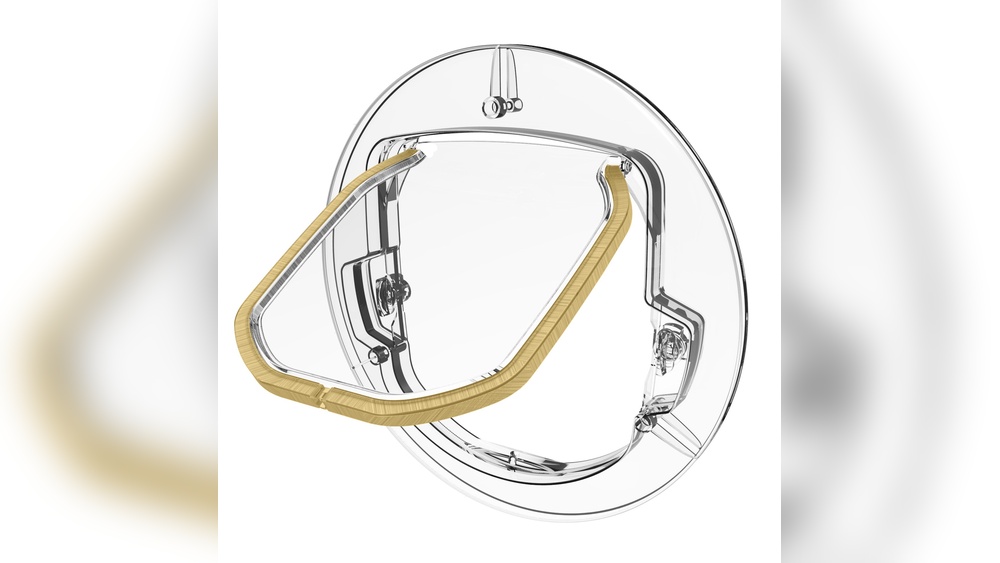

Are you tired of drafts sneaking in through your pet door? Sealing your pet door properly can keep your home cozy and save on energy bills.
But how do you make sure it’s done right? In this guide, you’ll discover simple, effective ways to seal your pet door quickly and without hassle. By the end, you’ll have a warm, secure space for both you and your furry friend.
Keep reading to learn the easy steps that make a big difference!

Credit: www.idealpetproducts.com
Choose The Right Seal
Choosing the right seal for your pet door is important. A good seal keeps drafts, dirt, and bugs out. It also helps save energy by stopping cold or hot air from coming inside. Picking the correct seal can make your home more comfortable and your pet door last longer.
Types Of Door Seals
There are several types of seals for pet doors. Brush seals have soft bristles that block air and dirt. They work well for pet doors with gaps. Magnetic seals use magnets to close the flap tightly. They are good for keeping out strong winds. Foam seals provide thick cushioning to fill wide spaces. They help stop noise and cold air. Vinyl seals are flexible and easy to install. They offer good protection against rain and dust.
Materials For Pet Door Sealing
Seals come in different materials to suit your needs. Rubber seals are durable and flexible. They stay tight even in cold weather. Silicone seals are soft and last longer than rubber. They resist cracking and keep air out. Felt seals are inexpensive and easy to cut. They work best for small gaps. Plastic seals are lightweight and simple to clean. They offer basic protection for mild weather. Choosing the right material depends on your climate and pet door type.
Prepare The Pet Door
Preparing the pet door is the first step to a perfect seal. It helps the new seal stick well and last longer. You need to clean and clear the door frame before starting any work.
Removing old seals is important to avoid bumps or gaps. A smooth surface makes sealing easier and neater. Take your time to get the door ready.
Clean The Door Frame
Use a damp cloth to wipe dust and dirt off the frame. Dirt can stop the seal from sticking properly. Dry the frame completely before moving on. Check corners and edges for hidden dirt.
Remove Old Seals
Peel off old tape or rubber seals carefully. Use a scraper if the seal is stuck hard. Remove any leftover glue with rubbing alcohol. Ensure the surface is smooth and clean afterward.
Install Weatherstripping
Installing weatherstripping is a simple way to seal your pet door. It stops cold air, dust, and noise from coming inside. Weatherstripping also keeps your home more energy efficient. This saves money on heating and cooling bills.
Choose weatherstripping that fits your pet door type. Foam or rubber strips work well. The material should be flexible and durable. Proper installation makes the seal tight and long-lasting.
Measure And Cut Strips
Start by measuring the edges of your pet door frame. Use a tape measure for accuracy. Write down the length of each side. Cut the weatherstripping strips to these exact lengths. Use scissors or a utility knife for clean cuts.
Cut strips slightly shorter than the frame edges. This prevents bunching when you press them in. Prepare all four strips before you begin applying them.
Apply Seal Properly
Clean the pet door frame before applying weatherstripping. Remove dirt and dust with a damp cloth. Let the frame dry completely. Peel off the backing from the adhesive side of the strip.
Press the strip firmly along the frame edge. Start from one corner and move slowly. Ensure the strip sticks flat without gaps or bubbles. Repeat for all sides of the pet door frame.
Close the pet door to check the seal. Adjust strips if needed to improve the fit. A tight seal keeps your home cozy and quiet.
Use Draft Stoppers
Sealing a pet door helps keep your home warm and reduces drafts. Draft stoppers are easy tools to block cold air from entering through gaps. They fit right at the bottom or sides of the pet door. Using draft stoppers can save energy and keep your pets comfortable indoors.
Types Of Draft Stoppers
There are several types of draft stoppers to choose from. Fabric draft stoppers are soft and flexible, often filled with sand or rice. They sit snugly against the door or floor. Foam draft stoppers are lightweight and easy to cut to size. Magnetic draft stoppers stick to metal surfaces for a secure fit. Door sweeps attach to the bottom of the door, blocking air from underneath.
Placement Tips
Place draft stoppers where gaps allow air to pass through. Slide fabric or foam stoppers under the pet door flap for best results. For doors with metal frames, magnetic stoppers work well along the edges. Make sure the stopper fits tightly to avoid air leaks. Check placement regularly and adjust if the stopper moves or wears out.
Add Insulating Flaps
Adding insulating flaps to your pet door helps keep cold air out. It also stops warm air from escaping your home. This simple step improves energy efficiency and keeps your pet comfortable.
Insulating flaps act as an extra barrier. They reduce drafts and help maintain a stable indoor temperature. Let’s explore how to choose the right flap materials and install them correctly.
Choosing Flap Materials
Pick materials that block cold air well. Heavy-duty vinyl or rubber works best. These materials are flexible, so pets can push through easily.
Look for flaps with good thickness. Thicker flaps provide better insulation. Clear flaps let light through, helping pets see outside.
Ensure the material resists wear and tear. It should handle weather changes without cracking or breaking.
Installation Steps
Measure the pet door frame carefully. Cut the flap to fit snugly over the door opening.
Attach the flap at the top using strong tape or screws. Make sure it hangs straight and covers the entire opening.
Check that the flap swings freely. Your pet should push it without trouble.
Seal edges with weatherstripping or foam tape. This prevents air leaks around the flap.
Check For Gaps
Checking for gaps around your pet door is important to keep your home warm and reduce energy loss. Small openings let air pass through, making rooms colder or hotter. Sealing these gaps helps maintain a comfortable space and lowers utility bills.
Identify Air Leaks
Start by looking closely around the pet door frame. Use your hand to feel for any cold or warm air moving through cracks. On windy days, this step is easier because air flow is stronger. You can also use a candle or incense stick near edges. Watch the flame or smoke for flickers that show air movement.
Seal Small Cracks
Use weatherstripping or caulk to close tiny cracks around the pet door. Choose materials made for outdoor use to withstand weather changes. Apply evenly and press firmly to fill gaps completely. Check after sealing to ensure no air passes through. This simple step improves comfort and saves energy.
Maintain Your Seal
Maintaining the seal on your pet door keeps your home comfortable and energy efficient. A good seal blocks drafts, dust, and pests from entering. Regular care helps the seal last longer and work better. Pay attention to the condition of the seal and act quickly if you see problems.
Regular Inspection
Check the seal around your pet door every month. Look for cracks, gaps, or parts that feel loose. Touch the seal to see if it still feels soft and flexible. Hard or brittle seals do not block air well. Notice if your pet door lets in cold air or noise. These signs mean the seal needs attention.
Replacing Worn Seals
Change the seal if it looks damaged or worn out. Buy a replacement seal that fits your pet door model. Remove the old seal carefully to avoid damage. Clean the surface before placing the new seal. Press the new seal firmly to make it stick well. Check the door after replacement to ensure a tight fit.

Credit: plexidors.com

Credit: stonedesignbysantos.com
Frequently Asked Questions
How Do I Seal Gaps Around A Pet Door?
Use weatherproof foam tape or silicone caulk to seal gaps. Ensure the seal is tight to prevent drafts and pests.
What Materials Work Best For Sealing Pet Doors?
Foam weatherstripping, silicone caulk, and rubber seals are ideal. They provide durability and effective insulation against air leaks.
Can Sealing A Pet Door Improve Home Energy Efficiency?
Yes, sealing prevents air leaks, reducing heating and cooling costs. It helps maintain consistent indoor temperatures year-round.
How Often Should I Check My Pet Door Seal?
Inspect the seal every 3-6 months for wear or damage. Replace or repair it promptly to maintain effectiveness.
Conclusion
Sealing a pet door keeps your home comfortable and secure. It stops drafts and keeps bugs outside. Use the right materials for the best seal. Regular checks help maintain its condition. A well-sealed door saves energy and protects your space.
Small efforts lead to big comfort inside. Your pet door can work well all year long. Simple steps make your home cozy and safe. Try these tips to enjoy a better pet door.