
Are you struggling with a loud, hard-wired smoke detector that just won’t stop beeping? Knowing how to turn off your hard-wired smoke detector safely can save you from frustration and sleepless nights.
Whether it’s a false alarm or a low battery warning, you need a clear, simple guide to fix the problem without causing damage. You’ll learn step-by-step how to silence your smoke detector quickly and safely—so you can regain peace of mind in your home right now.
Keep reading to find out exactly what you need to do.
Credit: www.youtube.com
Safety Precautions
Safety is the top priority before turning off a hard-wired smoke detector. Smoke detectors connect to your home’s electrical system. This means there is a risk of electric shock. Taking the right safety steps protects you and your home.
Follow these safety precautions carefully. They help you avoid accidents and make the process smooth.
Turn Off Power At Circuit Breaker
Find your home’s circuit breaker panel. Look for the switch labeled for smoke detectors or the room they are in. Flip the switch to the OFF position. This cuts power to the smoke detector. Double-check by testing the detector to confirm it is off.
Gather Necessary Tools
Prepare all tools before starting. You will need a screwdriver and a ladder or step stool. A voltage tester is helpful to ensure no power is flowing. Having tools ready saves time and reduces risk.
Wear Protective Gear
Wear safety gloves to prevent electric shocks. Use safety glasses to protect your eyes from dust or debris. Avoid loose clothing or jewelry that may catch on the detector or wires.
Locate The Smoke Detector
Finding the smoke detector is the first step before turning it off. Smoke detectors are usually on ceilings or high walls. Look around rooms, hallways, and near bedrooms. Safety rules require smoke detectors in many parts of your home.
Knowing the exact location helps you work safely and efficiently. You can avoid damaging the detector or wiring. This step saves time and prevents confusion later.
Identify Hard Wired Units
Hard wired smoke detectors are connected to your home’s electrical system. They do not run only on batteries. Look for a small panel or cover on the detector. This panel often hides the wiring and battery compartment.
These units usually have a wire coming out of the ceiling. The wire is often white or black and connects inside the detector. If you see no obvious power cord or plug, it is likely hard wired.
Check For Backup Batteries
Most hard wired smoke detectors also use backup batteries. These batteries keep the detector working during power outages. Look for a small door or slot on the side or bottom of the unit.
Open the compartment carefully. Check if the battery is present and how it is placed. Removing the battery may stop the alarm temporarily. Backup batteries are often 9V or AA size.
Disconnecting The Detector
Disconnecting a hard wired smoke detector is a careful process. It ensures safety and prevents false alarms. Start by preparing to remove power from the device. This step involves handling the cover, unplugging the connector, and dealing with the backup battery.
Remove The Detector Cover
First, find the smoke detector on the ceiling or wall. Hold the base firmly and twist the cover counterclockwise. The cover should come off easily. Place it aside carefully to avoid damage. This exposes the internal parts of the detector.
Unplug The Connector
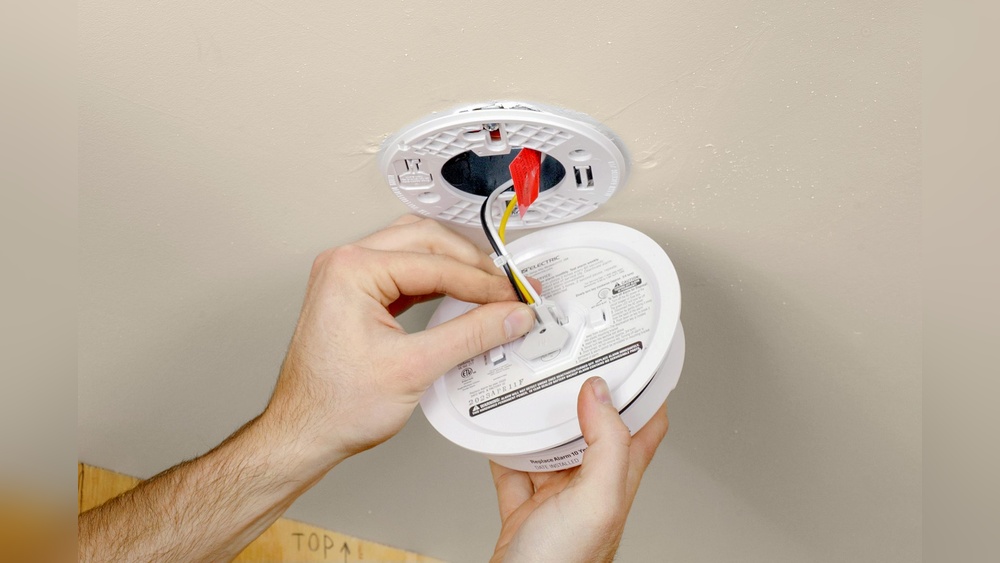
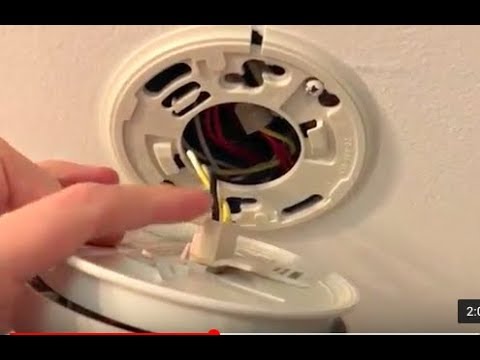
Look for a small plastic connector attached to the detector. This connector links the detector to your home’s power supply. Gently press the tab or clip on the connector. Pull the connector straight out to unplug it. This stops the electrical power safely.
Handle Backup Battery
Even after unplugging, the detector may have a backup battery. Open the battery compartment. Remove the battery carefully to stop any power flow. Keep the battery in a safe place if you plan to reuse it. This prevents the detector from sounding an alarm.

Credit: www.youtube.com
Testing And Verification
Testing and verification are important steps after turning off a hard-wired smoke detector. These steps ensure safety and proper function. Confirming the detector is off avoids false alarms. Checking for other detectors prevents unexpected alerts from nearby units.
Restore Power
After turning off the smoke detector, restore power to the circuit. This step lets you test if the detector stays off. Turn on the circuit breaker or reconnect the fuse. Watch the smoke detector closely to see if it powers on again.
Confirm Detector Is Off
Check the smoke detector for any lights or sounds. A working detector usually has a small blinking light. If the detector stays silent and dark, it is off. Press the test button to verify no sound comes from it. This confirms the unit is fully powered down.
Check For Other Detectors
Look around your home for other hard-wired smoke detectors. Many homes have multiple units connected together. Turning off one may not stop alarms from others. Verify each detector is off if you plan to work on the system. This prevents surprise alarms and keeps you safe.
Reinstalling Or Replacing Detector
Reinstalling or replacing a hard-wired smoke detector is important for safety. Old or faulty detectors may not work well. You should follow clear steps for replacement. This ensures your home stays protected. Take time to choose the right detector and install it properly. Regular maintenance keeps the system reliable.
Choose Replacement Options
Select a smoke detector that fits your home’s system. Look for models compatible with hard-wired setups. Consider detectors with battery backup for power outages. Choose a unit certified by safety organizations. Avoid cheap models that may fail quickly. Check features like sensitivity and alarm sound. This helps ensure quick alerts in case of fire.
Proper Installation Steps
Turn off the power at the breaker before starting. Remove the old detector carefully from the ceiling or wall. Disconnect the wires gently to avoid damage. Connect the new detector wires by matching colors. Secure the detector firmly to the mounting bracket. Restore power and test the alarm sound. Follow the manufacturer’s instructions exactly to avoid mistakes.
Regular Maintenance Tips
Test your smoke detector monthly to ensure it works. Clean the detector with a soft brush or cloth. Avoid using water or cleaning chemicals. Replace batteries every year or as needed. Replace the whole unit every 10 years for best safety. Keep the area around the detector free from dust. Regular checks keep your system ready for emergencies.

Credit: localperthelectrician.com.au
Frequently Asked Questions
How Do I Safely Turn Off A Hard Wired Smoke Detector?
First, turn off the power at the circuit breaker. Then, remove the detector from its base. Disconnect the wiring harness carefully to avoid damage.
Can I Disable A Hard Wired Smoke Detector Temporarily?
Yes, you can temporarily disable it by cutting power at the breaker. Avoid removing batteries or wires while power is on for safety.
Why Is My Hard Wired Smoke Detector Beeping Continuously?
Continuous beeping often means low battery backup or wiring issues. Check and replace the backup battery or inspect wiring for loose connections.
How Do I Reset A Hard Wired Smoke Detector After Power Off?
After restoring power, press and hold the reset button on the detector for 15-20 seconds. This clears errors and resets the device.
Conclusion
Turning off a hard-wired smoke detector is simple when you follow the right steps. Always start by cutting power to avoid shocks. Use a screwdriver to remove the detector carefully. Disconnect the wiring harness with care. Remember to test the detector after turning it off.
Safety matters most. Keep your home safe by handling smoke detectors properly. Stay calm and take your time. This guide helps you manage your smoke detector confidently and safely.