When was the last time you checked your smoke detector? You rely on this small device to keep your home and loved ones safe, but do you know how often it actually needs to be replaced?
Using an old or faulty smoke detector can put your family at serious risk. You’ll discover the simple steps to make sure your smoke detector is working when you need it most. Keep reading to learn how often you should change your smoke detector and why it matters more than you might think.
Smoke Detector Lifespan
Smoke detectors are essential for home safety. They alert you to fire early. But they do not last forever. Knowing their lifespan helps keep your home safe.
Most smoke detectors last about 8 to 10 years. After this time, their sensors can fail. Old detectors may not detect smoke well. Replacing them on time is crucial.
Battery Vs. Unit Replacement
Battery replacement is different from unit replacement. Batteries need changing every 6 to 12 months. This keeps the detector powered and working. Unit replacement happens after 8 to 10 years. Even with new batteries, old units can fail. Replace the whole unit to stay safe.
Signs Your Detector Needs Changing
Some signs show your detector needs changing. If the alarm sounds weak or strange, check it. Frequent false alarms mean sensor problems. A yellow or dusty detector may not work right. No response to test buttons is a warning. Replace your detector if you see these signs.
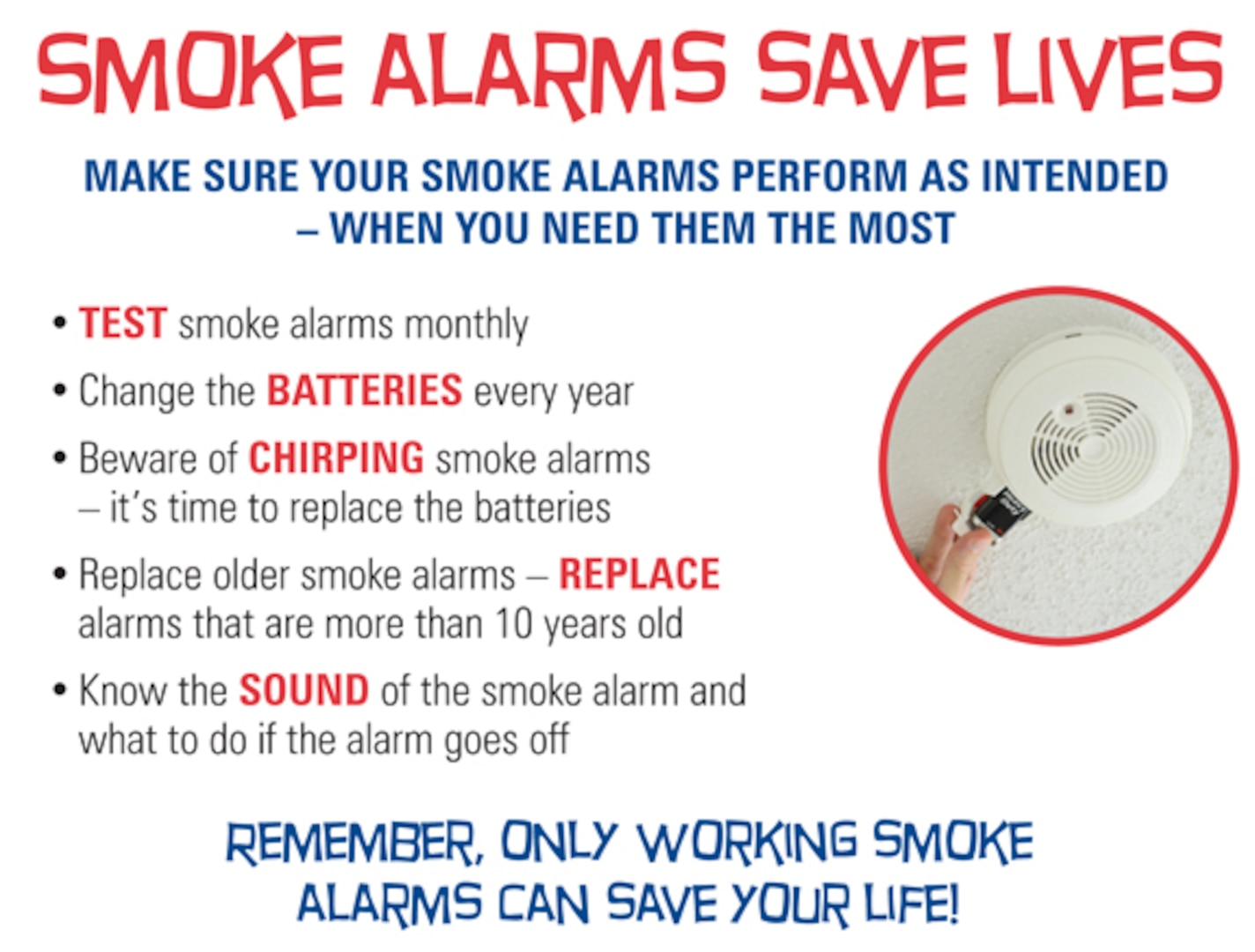
Credit: www.jbsa.mil
Recommended Replacement Frequency
Knowing when to replace your smoke detector is crucial for safety. Smoke detectors do not last forever. Over time, their sensors become less sensitive. This can delay warning you during a fire. Regular replacement ensures your home stays protected.
Experts suggest changing smoke detectors every 10 years. This timeline helps maintain their effectiveness. Ignoring this can put your family at risk. Let’s explore how to follow these guidelines.
Manufacturer Guidelines
Each smoke detector brand gives specific advice. Check the user manual for the recommended lifespan. Most recommend replacing the unit after 10 years. Some models may have shorter or longer times.
Look for the manufacturing date on the back of the detector. This date tells you when the clock started. Use this to calculate when to replace it. Following the manufacturer’s instructions keeps you safe.
Factors Affecting Replacement Time
Environmental conditions can change how long detectors last. High humidity or dust may reduce sensor life. Smoke detectors in kitchens or garages may need earlier replacement. Frequent false alarms can also signal sensor wear.
Regular testing helps spot issues early. Replace detectors that fail tests or show damage. Staying alert to these factors improves your home safety.
Testing And Maintenance Tips
Keeping your smoke detector in good condition saves lives. Regular testing and cleaning ensure it works when needed. This section explains simple steps to maintain your smoke detector.
Regular Testing Schedule
Test your smoke detector at least once a month. Press the test button until the alarm sounds loud. This confirms the battery and alarm are working well. Replace batteries every year or if the alarm beeps.
Keep a calendar reminder for testing. Never ignore a low battery signal. A working smoke detector gives you time to escape during a fire.
Cleaning Your Smoke Detector
Dust and dirt can block the sensor. Clean your smoke detector twice a year. Use a vacuum cleaner with a soft brush attachment.
Gently remove dust around the detector’s openings. Avoid using water or spray cleaners. Clean detectors detect smoke faster and alarm properly.

Credit: www.firstalert.com
Types Of Smoke Detectors
Smoke detectors save lives by warning about fire early. Different types detect smoke in various ways. Knowing these types helps you choose the right one for your home. This guide explains the main types of smoke detectors.
Ionization Vs. Photoelectric
Ionization smoke detectors sense fast, flaming fires. They use a small amount of radioactive material to detect smoke particles. These detectors react quickly to small smoke particles from flames.
Photoelectric smoke detectors spot slow, smoldering fires. They use a light beam inside the sensor. Smoke blocks the light and sets off the alarm. These detectors are better at sensing smoky fires that burn slowly.
Both types protect against different fire types. Many homes use both for full protection. Knowing the difference helps you keep your home safer.
Combination Detectors
Combination detectors use both ionization and photoelectric sensors. They detect fast flames and slow, smoky fires. This dual technology offers broader fire detection.
Combination detectors reduce false alarms and improve safety. They are a smart choice for most homes. Replacing your detector with a combination type may increase your peace of mind.
Common Mistakes To Avoid
Many people make mistakes with their smoke detectors. These errors can put their safety at risk. Knowing what to avoid helps keep your home safe. It also ensures your smoke detector works when you need it most.
Ignoring Low Battery Alerts
Smoke detectors beep when batteries run low. Ignoring these sounds is dangerous. The detector may stop working without warning. Replace batteries as soon as the alert starts. It only takes a few minutes to stay safe.
Delaying Unit Replacement
Smoke detectors have a limited lifespan. Most last about 10 years. Using old units reduces their effectiveness. Replace your smoke detector on time. Old detectors may fail during a fire. Regular replacement keeps your home protected.
Credit: support.firstalert.com
Enhancing Home Fire Safety
Enhancing home fire safety starts with reliable smoke detectors. These devices warn you early about smoke or fire. Early alerts give you time to act fast and stay safe.
Regularly changing smoke detectors keeps them working well. Old detectors might fail to detect smoke on time. Keeping detectors fresh helps protect your family and property.
Proper Detector Placement
Place smoke detectors on every floor of your home. Install them inside bedrooms and outside sleeping areas. Avoid placing detectors near kitchens or bathrooms. Steam or cooking fumes can cause false alarms. Mount detectors high on walls or ceilings. Smoke rises, so higher placement helps early detection.
Integrating With Home Safety Systems
Connect smoke detectors with your home security system. This setup alerts you even when you are away. Some systems send notifications to your phone. Integration improves response time from emergency services. It adds an extra layer of protection for your home.
Frequently Asked Questions
How Often Should Smoke Detectors Be Replaced?
Smoke detectors should be replaced every 10 years. Over time, sensors can wear out, reducing effectiveness. Regular replacement ensures maximum safety against fire hazards.
When Should I Test My Smoke Detector Batteries?
Test smoke detector batteries monthly to ensure functionality. Replace batteries annually or immediately if the detector beeps. This keeps your alarm working properly.
Can I Clean My Smoke Detector Instead Of Replacing It?
Cleaning smoke detectors is important but doesn’t replace the need for replacement. Dust can cause false alarms. Replace detectors every 10 years regardless of cleaning.
What Are Signs My Smoke Detector Needs Replacement?
Frequent false alarms, failure to beep during tests, and physical damage indicate replacement. Aging detectors may also show yellowing or corrosion. Replace immediately if any issues occur.
Conclusion
Smoke detectors protect your home and family from fire dangers. Change them every 10 years to keep them working well. Test your detectors monthly to catch any issues early. Replace batteries once a year or when you hear the beep.
Clean detectors regularly to avoid dust buildup. Staying alert can save lives and prevent damage. Trust your smoke detector to warn you in time. Keep safety a top priority in your home. Simple steps make a big difference. Stay safe, stay prepared.