Have you ever wondered how smoke detectors in your home seem to “talk” to each other? Imagine a fire starting in one room, and instantly, every alarm in your house starts ringing.
This quick, coordinated response can save lives, but how does it actually happen? Understanding how smoke detectors communicate can help you feel safer and more confident about your home’s protection. Keep reading to discover the simple technology behind this life-saving connection—and why it matters for your family’s safety.

Credit: www.youtube.com
Types Of Smoke Detectors
Smoke detectors come in different types. Each type uses a unique method to detect smoke. Understanding these types helps you choose the right alarm for your home or office. Some are better at detecting fast fires, while others catch slow, smoldering fires.
Ionization Smoke Detectors
Ionization smoke detectors use a small amount of radioactive material. This material ionizes the air inside a sensing chamber. When smoke enters, it disrupts the ion flow. The detector senses this change and sounds the alarm. These detectors react quickly to fast, flaming fires.
Photoelectric Smoke Detectors
Photoelectric detectors use light to find smoke. Inside, a light beam shines into a sensing chamber. When smoke enters, it scatters the light. A sensor detects this scattered light and triggers the alarm. These alarms are better at sensing slow, smoldering fires.
Combination Alarms
Combination alarms include both ionization and photoelectric sensors. They offer broader protection by detecting both fast and slow fires. These alarms increase safety by covering more fire types. Many homes use combination alarms for better security.
Wired Vs Wireless Systems
Smoke detectors communicate to alert you quickly during a fire. Two main types exist: wired and wireless systems. Each uses a different way to connect alarms across your home. Understanding these helps you choose the best safety setup for your space.
How Wired Smoke Detectors Connect
Wired smoke detectors link through electrical cables inside walls. These cables carry signals and power to each alarm. When one detector senses smoke, it sends a signal through the wires. Other alarms receive this signal and start ringing too.
This system creates a strong, reliable connection. Wires reduce chances of missed alerts. Installation is more complex and needs professional help. Wires also limit detector placement options.
Wireless Communication Methods
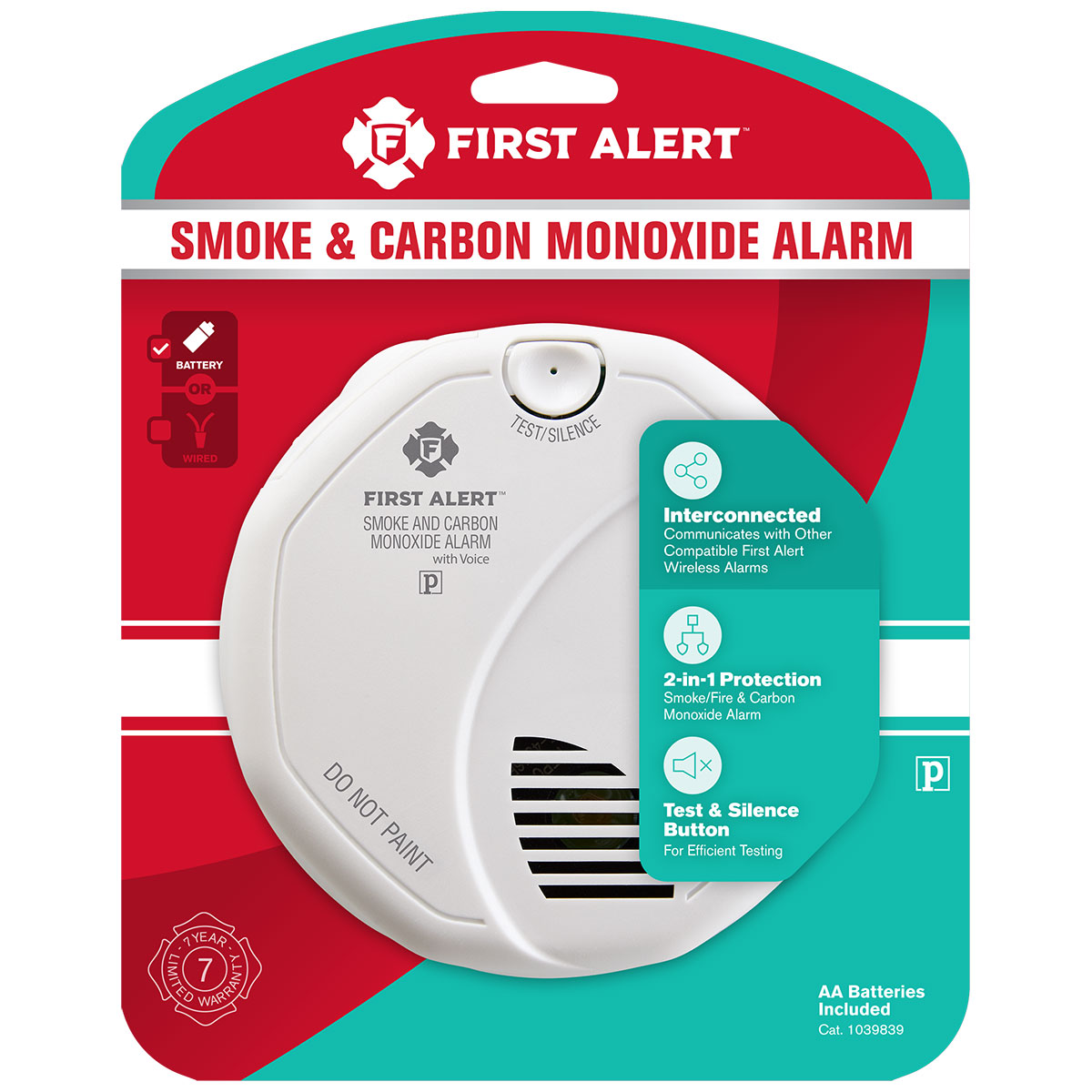
Wireless smoke detectors use radio signals to talk to each other. Each alarm has a small transmitter and receiver inside. When one detects smoke, it sends a radio message to others nearby.
These signals work within a set range, often covering a whole house. Wireless systems are easy to install and move. Batteries power each detector, so no wiring is needed. Sometimes, signals can face interference from walls or electronics.
Communication Protocols
Smoke detectors communicate to alert everyone in a home. They use different methods to send signals. These methods are called communication protocols. Each protocol helps detectors share important safety information fast. Understanding these protocols explains how detectors work together. It also shows how homes stay safer from fire risks.
Radio Frequency Signals
Some smoke detectors use radio frequency signals. These signals travel wirelessly through the air. When one detector senses smoke, it sends a signal to others. This wireless communication links all detectors in a home. It allows them to sound alarms together. No wires are needed, making installation simpler.
Interconnect Wiring
Other detectors use interconnect wiring to talk to each other. This method connects detectors with special wires inside walls. When one detector detects smoke, it sends an electric signal through wires. Other detectors receive the signal and sound their alarms. This system works well in homes with existing wiring.
Proprietary Protocols
Some manufacturers create their own communication protocols. These proprietary protocols only work with their brand detectors. They may use unique wireless or wired signals. This keeps systems compatible and reliable. It also ensures detectors respond correctly during emergencies.
Signal Transmission Process
Smoke detectors communicate through a clear signal transmission process. This process allows multiple alarms to work together. When one detector senses smoke, it sends a signal to others. This helps alert everyone in the building quickly. Understanding this process shows how smoke alarms keep people safe.
Triggering An Alarm
When smoke enters a detector, it triggers the alarm. The detector senses particles or heat changes. It then changes its electrical signal. This change activates the alarm sound. At the same time, the detector prepares to send a signal. This step starts the communication between alarms.
Signal Propagation
The alarm’s signal travels through wires or wireless signals. Wired detectors use electrical currents to send messages. Wireless detectors use radio waves to communicate. The signal moves fast to reach all linked alarms. This quick spread ensures everyone hears the warning soon.
Synchronization Of Alarms
All connected alarms receive the signal and start ringing. They synchronize to sound the alarm at the same time. This synchronization helps people recognize the emergency clearly. It also prevents confusion from one alarm sounding alone. Together, the alarms provide a stronger, clearer alert.
Advantages Of Interconnected Smoke Detectors
Interconnected smoke detectors bring many benefits to home safety. They connect wirelessly or through wiring. When one detector senses smoke, all alarms sound. This connection helps protect homes better than single units.
Enhanced Safety
All alarms alert at the same time. This gives everyone more time to react. Even if a fire starts far from you, you hear the alarm. It lowers the risk of injury or worse. A quick warning can save lives.
Early Warning System
Interconnected detectors detect smoke fast. One alarm triggers others instantly. This fast response helps catch fires early. Early alerts prevent fires from growing large. They give families a chance to escape safely.
Coverage In Large Areas
Big homes need many smoke detectors. Interconnected units cover all rooms well. They work together to protect every corner. This setup reduces blind spots. Everyone in the house stays safer.
Installation And Maintenance Tips
Installing and maintaining smoke detectors correctly is key for home safety. Proper steps help them communicate and alert you fast. Each part of installation and care plays a vital role in how well detectors work together. Follow these simple tips to keep your system reliable and efficient.
Proper Placement
Place smoke detectors on every level of your home. Install one inside each bedroom and outside sleeping areas. Mount them high on walls or ceilings, away from windows and vents. Avoid kitchens and bathrooms to prevent false alarms. Good placement ensures detectors catch smoke quickly and notify all units.
Regular Testing
Test smoke detectors at least once a month. Press the test button until you hear the alarm sound. This check confirms batteries and connections work well. Test all linked detectors to ensure they communicate properly. Regular testing keeps your system ready for emergencies.
Battery Replacement
Change batteries at least once a year or when low battery alerts sound. Use the correct battery type for your model. Replace batteries promptly to avoid gaps in protection. Some detectors have sealed batteries that last up to ten years. Keep track of battery life to maintain full safety.
Common Issues And Troubleshooting
Smoke detectors that talk to each other offer great safety. They alert all alarms if one detects smoke. Still, sometimes problems happen. Understanding common issues helps keep these systems working well. Troubleshooting is key to fix them fast.
False Alarms
False alarms are a frequent issue. Cooking smoke or steam can trigger alarms mistakenly. Dust inside detectors also causes false alerts. Regular cleaning prevents dust buildup. Placing detectors away from kitchens reduces false alarms.
Communication Failures
Sometimes detectors fail to send signals. Dead batteries or poor wiring cause this. Wireless detectors may lose connection if batteries run low. Testing alarms monthly ensures they communicate properly. Replace batteries yearly or as needed.
Signal Interference
Other wireless devices can block signals. Wi-Fi routers, cordless phones, or microwaves interfere. Thick walls may weaken signals too. Position detectors to avoid obstacles and electronic devices. Check signal strength during regular tests.

Credit: www.youtube.com
Credit: www.firstalertstore.com
Frequently Asked Questions
How Do Smoke Detectors Communicate Wirelessly?
Smoke detectors use radio frequency signals to communicate wirelessly. When one detects smoke, it sends a signal to others. This triggers all alarms to sound, ensuring quicker alert throughout the building. Wireless communication enhances safety by providing immediate, synchronized warnings across multiple devices.
What Technology Enables Smoke Detectors To Sync Alarms?
Interconnected smoke alarms use RF (radio frequency) or Wi-Fi technology. RF is common in battery-operated models, while Wi-Fi suits smart detectors. These technologies enable instant communication between units, allowing them to alert simultaneously for faster emergency response and improved home safety.
Can Smoke Detectors Talk Without Wi-fi?
Yes, many smoke detectors communicate via radio frequency (RF) signals. RF signals work independently of Wi-Fi, allowing alarms to link and alert simultaneously. This method is reliable for homes without internet, ensuring all detectors activate when one senses smoke.
Why Is Interconnection Important In Smoke Detectors?
Interconnected smoke detectors increase safety by providing simultaneous alerts. If one alarm detects smoke, all alarms sound together. This early warning system ensures everyone hears the alert, even in distant rooms, enabling faster evacuation and reducing fire-related risks.
Conclusion
Smoke detectors communicate by sending signals to each other. When one detects smoke, it quickly alerts the others. This helps warn everyone in the building faster. The system uses wireless or wired connections to share alerts. Each detector acts as a messenger, spreading the warning.
This teamwork increases safety and helps save lives. Knowing how smoke detectors talk can help you choose the right system. Stay safe by installing interconnected detectors in your home or office. Simple technology, big protection.