
Have you ever wondered what happens inside a smoke detector when smoke fills the air? Understanding how a smoke detector works can help you feel safer in your home and protect your loved ones.
This small device is your first line of defense against fire, but many people don’t know how it actually senses danger. By learning how your smoke detector functions, you’ll be better prepared to keep your home secure and respond quickly if an emergency occurs.
Keep reading to discover the simple science behind this life-saving tool and why it’s so important for your safety.

Credit: www.explainthatstuff.com
Types Of Smoke Detectors
Smoke detectors come in different types, each with a unique way to sense smoke. Understanding these types helps you pick the right one for your home. The main types are ionization, photoelectric, and combination smoke detectors. Each type detects smoke differently and suits different fire situations.
Ionization Smoke Detectors
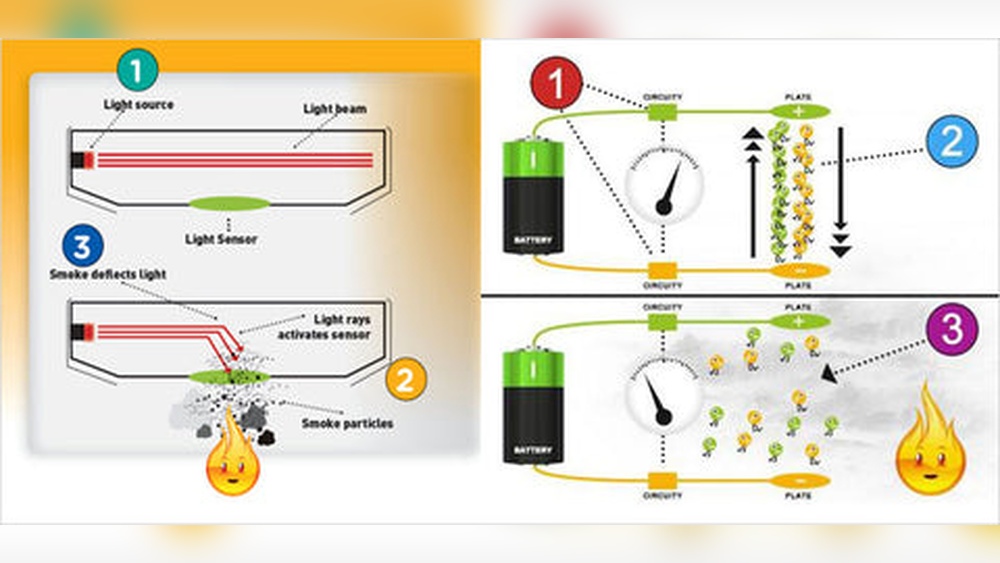
Ionization smoke detectors use a small amount of radioactive material. It creates an electric current inside the detector. When smoke enters, it disrupts this current. The detector then sounds the alarm. These detectors react fast to flaming fires with small smoke particles.
Photoelectric Smoke Detectors
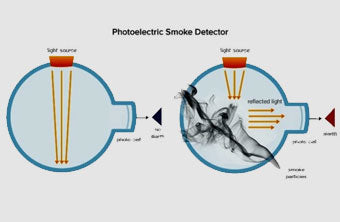
Photoelectric smoke detectors use a light beam inside a sensing chamber. Smoke particles scatter the light beam. This triggers the alarm. They are better at detecting smoldering fires that produce thick smoke. These detectors often give earlier warning for slow, smoky fires.
Combination Smoke Detectors
Combination smoke detectors include both ionization and photoelectric sensors. They provide wider detection for different fire types. These detectors increase safety by covering more fire scenarios. Many homes benefit from combination detectors for better protection.
Credit: www.x-sense.com
Core Components Inside Smoke Detectors
Smoke detectors save lives by alerting us to fire early. They contain key parts that work together to detect smoke quickly. Understanding these core components helps us appreciate how smoke detectors keep homes safe. Each part has a clear job to do in sensing smoke and sounding alarms.
Sensor Mechanisms
Sensors detect smoke particles in the air. Most smoke detectors use either ionization or photoelectric sensors. Ionization sensors sense tiny particles from fast fires. Photoelectric sensors detect larger smoke particles from slow fires. Some detectors use both types for better safety. The sensor sends a signal when it detects smoke.
Alarm Systems
The alarm system makes noise to warn people of danger. It usually includes a loud speaker or horn. The sound alerts everyone nearby to evacuate. Some alarms also flash lights to help alert hearing-impaired people. The alarm turns on only after the sensor detects smoke. This quick response can save lives.
Power Sources
Smoke detectors need power to work all the time. They often use batteries for backup during power outages. Many detectors also connect to home electricity for constant power. Battery-powered models need regular battery changes. Hardwired detectors may have a battery backup to stay active in emergencies. Reliable power keeps the detector ready to protect.
How Smoke Detectors Sense Danger
Smoke detectors keep homes safe by sensing danger early. They notice smoke before fire spreads. These devices use smart technology to detect tiny smoke particles. This helps warn people to act fast and avoid harm.
Understanding how smoke detectors sense danger shows their importance. They react differently to various types of fires. This ensures they alert you quickly and accurately in many situations.
Detecting Smoke Particles
Smoke detectors sense smoke through two main methods: ionization and photoelectric. Ionization detectors use a small amount of radioactive material to detect smoke particles. When smoke enters, it disrupts the flow of ions. This triggers the alarm to sound.
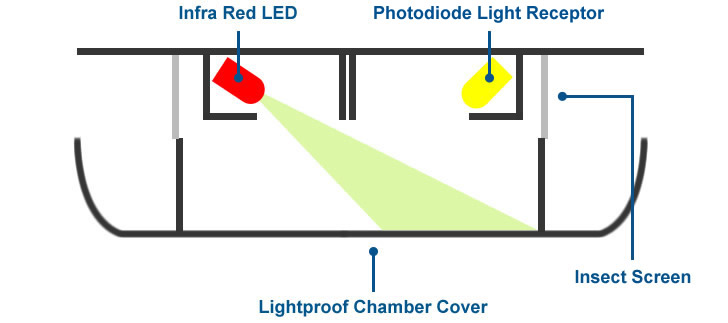
Photoelectric detectors use light beams inside a chamber. Smoke scatters the light, making it hit a sensor. This signals the detector to alert you. Both types notice smoke early, even before flames appear.
Response To Different Fire Types
Different fires create different smoke types. Fast-burning fires produce tiny, invisible particles. Ionization detectors respond quickly to these. Slow, smoldering fires create larger smoke particles. Photoelectric detectors are better at sensing these.
Some detectors combine both technologies for better coverage. This helps detect a wide range of fires. It gives you more time to escape safely.
Credit: www.safelincs.co.uk
Installation Tips For Optimal Safety
Proper installation of smoke detectors is key for home safety. Correct placement helps the device detect smoke early. This early warning can save lives and property. Follow simple tips to ensure your smoke detectors work well.
Best Locations In Your Home
Place smoke detectors in every bedroom and outside each sleeping area. Install one on every floor, including the basement. Put detectors on the ceiling or high on the wall. Smoke rises, so higher placement catches it faster. Avoid corners and areas near windows or vents. These spots can delay smoke detection.
Avoiding Common Placement Mistakes
Do not install smoke detectors in kitchens or bathrooms. Steam and cooking smoke cause false alarms. Avoid placing detectors near air conditioners or fans. Airflow can push smoke away from the sensor. Keep detectors away from dusty or dirty areas. Dust can block the sensor and reduce its effectiveness. Check manufacturer instructions for specific placement rules.
Maintenance For Reliable Performance
Smoke detectors save lives by warning about fires early. To work well, they need regular care. Maintenance keeps them ready to detect smoke and alert you fast. Neglect can lead to failure and danger. Simple steps help maintain reliable performance and extend the device’s life.
Regular Testing Procedures
Test your smoke detector once a month. Press the test button until the alarm sounds loud. This confirms the device works correctly. If no sound comes, replace the battery or the unit. Regular testing ensures the sensor and alarm are active.
Battery Replacement Guidelines
Replace batteries at least once a year. Use the type recommended by the manufacturer. Low batteries cause weak or no alarms. Some detectors have sealed batteries lasting 10 years. For these, replace the whole unit after the battery ends.
Cleaning And Care
Keep your smoke detector clean and dust-free. Use a soft brush or vacuum cleaner gently. Avoid water or cleaning sprays on the sensor. Dirt can block smoke entry and cause false alarms. Check the device visually for damage or wear regularly.
Common Issues And Troubleshooting
Smoke detectors keep homes safe by alerting people to fire early. Sometimes, they face problems that stop them from working well. Knowing common issues helps fix them fast. This section explains typical troubles and easy ways to solve them.
False Alarms Causes
False alarms happen when the detector sounds without real smoke. Dust buildup inside the sensor often causes this. Cooking smoke or steam can also trigger alarms. Insects crawling inside may set off false alerts. Low batteries sometimes cause random beeping sounds.
Clean the detector regularly to avoid dust and insects. Keep it away from kitchens or bathrooms. Use fresh batteries and replace them yearly for best results.
Sensor Malfunctions
Sensors may stop working due to dirt or age. Smoke detectors use either ionization or photoelectric sensors. Ionization sensors react quickly to small flames but are sensitive to particles. Photoelectric sensors detect slow, smoldering fires better.
Test your alarm monthly by pressing the test button. Replace the unit if it does not respond or beeps often. Sensor failure can lead to no alarm during a fire, which is dangerous.
When To Replace Your Detector
Smoke detectors last about 8 to 10 years. After this time, sensors lose accuracy. Check the manufacture date on the back of the unit. Replace old detectors to ensure safety.
Replace immediately if the alarm sounds randomly or won’t stop beeping. Don’t wait for it to fail during an emergency. New detectors offer better technology and longer life.
Advancements In Smoke Detector Technology
Smoke detectors have improved a lot over the years. New technology makes them smarter and more reliable. These changes help protect homes better and give users more control. Smoke detectors now do more than just sound an alarm.
Modern smoke detectors can connect with other devices. This helps create a safer and more connected home. Let’s explore some key advancements in smoke detector technology.
Smart Smoke Detectors
Smart smoke detectors use sensors and Wi-Fi to send alerts to phones. They detect smoke and carbon monoxide quickly. Users get warnings anywhere, even when away from home. Some models show the exact location of smoke in the house. They also test themselves and tell users if batteries run low. This reduces false alarms and keeps homes safe.
Integration With Home Security Systems
Smoke detectors now work with home security systems. They connect to cameras, alarms, and other sensors. When smoke is detected, the system can alert emergency services automatically. Some systems can turn on lights and unlock doors for safe exit. This integration helps people act fast in emergencies. It also adds another layer of safety to smart homes.
Frequently Asked Questions
How Does A Smoke Detector Sense Smoke?
A smoke detector senses smoke using optical or ionization sensors. Optical sensors detect light changes caused by smoke particles. Ionization sensors detect changes in electrical current caused by smoke ions. Both types trigger an alarm to warn occupants of potential fire.
What Are The Main Types Of Smoke Detectors?
The main types are ionization and photoelectric smoke detectors. Ionization detectors respond quickly to fast flames. Photoelectric detectors excel at sensing smoldering fires. Many homes use a combination for better protection.
How Often Should Smoke Detectors Be Tested?
Smoke detectors should be tested monthly to ensure proper function. Press the test button until the alarm sounds. Replace batteries annually or when low battery signals occur. Replace the entire unit every 10 years for reliability.
Can Smoke Detectors Detect All Types Of Fires?
Smoke detectors detect most fires but vary by type. Ionization detectors respond faster to flaming fires. Photoelectric detectors respond better to smoldering fires. Using both types improves detection of different fire scenarios.
Conclusion
A smoke detector senses smoke to warn you early of fire. It uses sensors to spot smoke particles quickly and sounds an alarm. This simple device helps keep homes and families safe. Regular checks make sure it works when needed most.
Smoke detectors are small but save many lives every year. Stay safe by having one on every floor of your house. Understanding how it works helps you trust and maintain it well. Safety starts with being prepared and aware.